A Look at Games That Master World Building
27 April 2026
Let’s be honest—when it comes to video games, we’re not just here for the action, XP grind, or even the loot (okay, maybe the loot a little). What really hooks us, drags us in, and refuses to let go is the world. The setting. That glorious, immersive playground where dragons roam, empires rise and fall, and every corner feels alive with purpose.
In this article, we're peeling back the pixelated curtain and taking a deep dive into games that absolutely nail world-building. These are the titles that make you want to search every cave, read every in-game book, and maybe even take up fictional farming just because the universe feels that dang real.
So grab your gear, traveler. Let’s journey through digital realms that feel more real than your last family reunion.
What Even Is World-Building? (Asking for a Friend)
Before we start throwing pixels around, let's answer the question: what is world-building?Well, it's not just about having a map the size of Texas or 1,000 side quests involving lost chickens. World-building is the art of creating a believable, immersive universe that’s consistent, detailed, and full of life. It involves lore, history, cultures, languages, and even things like currency systems and weather patterns.
Basically, it's like writing a fantasy novel... but one that lets you punch goblins in the face.
Why World-Building Matters More Than You Think
A beautiful story and tight gameplay mechanics are great, but without a strong world, your game feels more like a cardboard set than an actual place. Think about your favorite games—odds are they nailed the atmosphere and sucked you in.World-building:
- Creates emotional investment (you care because the world feels real)
- Improves immersion (you forget you're staring at a screen)
- Encourages exploration (because who doesn’t want to poke around haunted ruins just for lore?)
Now that we’re all on the same page, let’s sink our teeth into the games that wear the crown when it comes to world-building greatness.
1. The Elder Scrolls V: Skyrim – Fus Ro Where’s My Free Time?
Let's get the obvious one out of the way. Skyrim may be older than your cousin's high school diploma, but it's still one of the most iconic examples of immersive world-building.Ever walk into a random cave and end up in a 3-hour side quest involving forbidden love between necromancers? That's Skyrim in a nutshell.
Why It Works
- Dense lore: Every book, wall carving, and bard song is dripping with history.- Dynamic world: Civil wars rage, dragons randomly crash your picnic, and NPCs have schedules.
- Player agency: Want to be a stealth-archer werewolf librarian? You do you.
Skyrim doesn’t just give you a world—it hands you the tools to live in it.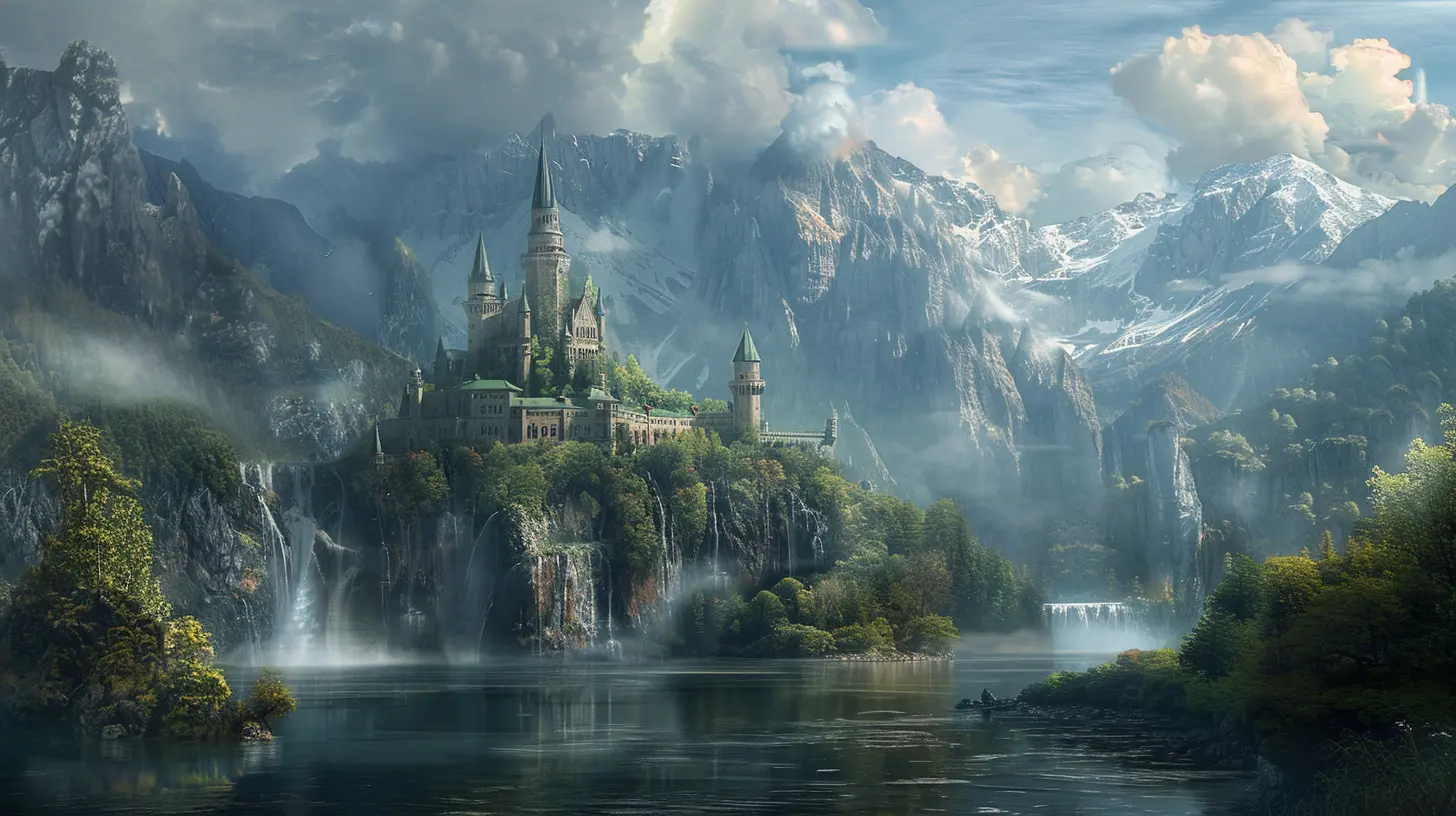
2. The Witcher 3: Wild Hunt – Fantasy With Extra Grit
Picture this: you’re Geralt, a grumpy monster slayer with a heart of gold (and steel). You’re not just hacking away at ghouls—you’re navigating war-torn lands, corrupt leaders, and villagers with more tea than a reality show.Why It Works
- Morally grey choices: There are no “good” or “bad” endings, only complex ones that feel real.- Cultural depth: Every region has its own flavors, dialects, politics, and even mythology.
- Side quests with soul: That random contract on a water hag? Ends in heartbreak and a philosophical crisis.
This game proves that world-building isn’t just about lore dumps—it's about making every interaction feel like a natural part of a living, breathing universe.
3. Red Dead Redemption 2 – Cowboy Simulator or Actual Time Machine?
Rockstar didn’t build a game. They built a time-travel device disguised as a cowboy simulator. You can practically smell the horse manure and campfire beans.Why It Works
- Unrivaled detail: From wildlife behaviors to clothing physics, everything feels authentic.- NPC depth: People have full routines, remember your actions, and might greet—or shoot—you accordingly.
- Environmental storytelling: You don't need a narrator when a burned-down shack and a diary tell a chilling tale.
If Skyrim is a fantasy epic, RDR2 is a historical documentary with a six-shooter. And yes, we all spent more time fishing than actual questing.
4. Dark Souls Series – Prepare to Feel Confused (and Amazed)
You might want a PhD in cryptic lore to understand what’s going on in Dark Souls—but that's part of its charm.Why It Works
- Show, don’t tell: The game drops you in and says, “Figure it out, champ.”- Lore in the details: Item descriptions, architecture, and enemy designs all tell intricate stories.
- Atmosphere: Oppressive, decaying, and beautiful. It's like poetry for masochists.
Dark Souls doesn’t hand you its world—it challenges you to earn it. And when you finally connect the lore dots, you’ll feel like you just unlocked the secrets of the universe.
5. Breath of the Wild – The Legend of Environmental Elegance
If world-building had a zen mode, it would be Breath of the Wild. Nintendo gave us a sandbox and said, “Have fun, and good luck figuring out which rocks are Korok poop.”Why It Works
- Organic exploration: No hand-holding, just natural curiosity and a paraglider.- Visual storytelling: Ruins, weather, and even enemy placement whisper tales of a fallen kingdom.
- Interactivity galore: Burn it, freeze it, shock it, cook it—if it exists, you can mess with it.
Hyrule in BoTW isn’t just massive. It’s meaningful. You’re not just running from shrine to shrine—you’re uncovering fragments of a long-lost legend with every step.
6. Mass Effect Series – Space Opera, Now 100% More Political
Mass Effect doesn’t just give you a galaxy—it gives you a galaxy held together by awkward diplomacy and sexy aliens.Why It Works
- Rich lore: From Krogan biology to the ethics of AI, it’s all ridiculously well thought out.- Consequences matter: Your decisions shape the universe across multiple games.
- Cohesive cultures: Each species has its own language, food, religion, and skeletons in the closet.
For a game that lets you punch reporters and flirt with aliens, the lore is surprisingly deep. And let’s not forget the codex. That thing’s denser than your uncle’s political arguments at Thanksgiving.
7. Horizon Zero Dawn – Post-Apocalyptic, Now with Robot Dinosaurs
If you like your dystopias with a sprinkle of mystery and a whole lotta robot wildlife, welcome to the party.Why It Works
- Unique setting: It’s not your average apocalypse—nature reclaimed the Earth, and humanity rebooted.- Story through artifacts: Old-world bunkers, audiologs, holograms—they all piece together a massive puzzle.
- Cultural evolution: Tribes have beliefs shaped by remnants of a world they barely understand.
Horizon’s world isn’t just cool—it makes you ask questions, dig deeper, and appreciate how insanely clever it all is.
8. Disco Elysium – World-Building in Overdrive
Don’t let the lack of combat fool you. This detective RPG delivers some of the best damn world-building you’ll ever stumble into while drunk and shirtless.Why It Works
- Philosophical depth: The game grapples with politics, existential dread, and your inner demons—literally.- Dialogue overload (in a good way): Your conversations shape not just your character but your understanding of the world.
- Setting as a character: Revachol isn’t just where the game happens—it's a haunted, breathing entity.
If the Matrix and political theory had a baby and raised it on jazz and regret, you’d get Disco Elysium.
What These Games Teach Us About Building Better Worlds
Okay, so we've had our fun geeking out over top-tier world-building. But what's the common thread? What makes these games stand out?Here’s the secret sauce:
- Consistency: The world follows its own rules. No sudden unicorn invasions unless they’re lore-friendly.
- Details, details, details: From the way NPCs speak to what graffiti is scrawled on the walls, everything feeds the illusion.
- Interactivity: The world reacts to you, not just the other way around.
- Backstory: There’s always more under the surface. Good world-building hints at history, culture, and systems beyond the visible.
Games that master world-building don’t just tell stories—they live them. And they make us live them, too.
Final Thoughts: Worlds Worth Getting Lost In
Here’s the beautiful truth: a well-built game world gives us a safe escape, a place to adventure, to mess up, to fight dragons, or even just spend an hour picking herbs. Whether it’s a fantastical kingdom or a decaying moon colony, these universes speak to the human need for wonder, discovery, and making sense of chaos.So here’s to the Witchers, the Spartans, and the emotionally-unstable detectives. Here’s to the devs who built them, one pixel of lore at a time.
And here’s to us, willingly surrendering countless hours just to live in a world that feels more alive than our weekly Zoom meetings.
Game on.
all images in this post were generated using AI tools
Category:
Gaming ReviewsAuthor:

Whitman Adams
Discussion
rate this article
2 comments
Berenice Reed
This article beautifully captures the essence of world building in gaming. Each title mentioned creates a vivid landscape that draws players in, making them feel part of something larger. It's fascinating how these games blend storytelling and exploration to craft immersive experiences. Great insights here!
May 4, 2026 at 3:29 PM
Whitman Adams
Thank you for your thoughtful comment! I'm glad you enjoyed the insights on how these games create immersive worlds. They really do have a unique way of drawing players in.
Zella McMichael
Some worlds feel lived-in before you arrive. These games don't just build maps; they weave secrets you ache to uncover.
April 29, 2026 at 2:41 PM
Whitman Adams
I completely agree. When a game's world feels alive, it draws you in and invites exploration. Those hidden secrets make the journey even more rewarding.