Are Shorter Games Actually Better?
5 May 2026
Let’s be honest—how long was the last game you actually finished? Yep, be real with yourself. Did you sprint to the credits or get lost somewhere between side quests #83 and #218? In the ever-evolving landscape of gaming, there’s an awkward elephant in the room: are shorter games actually... better?
That’s the question we’re diving into, no cheat codes required.
The Era of 100-Hour Behemoths
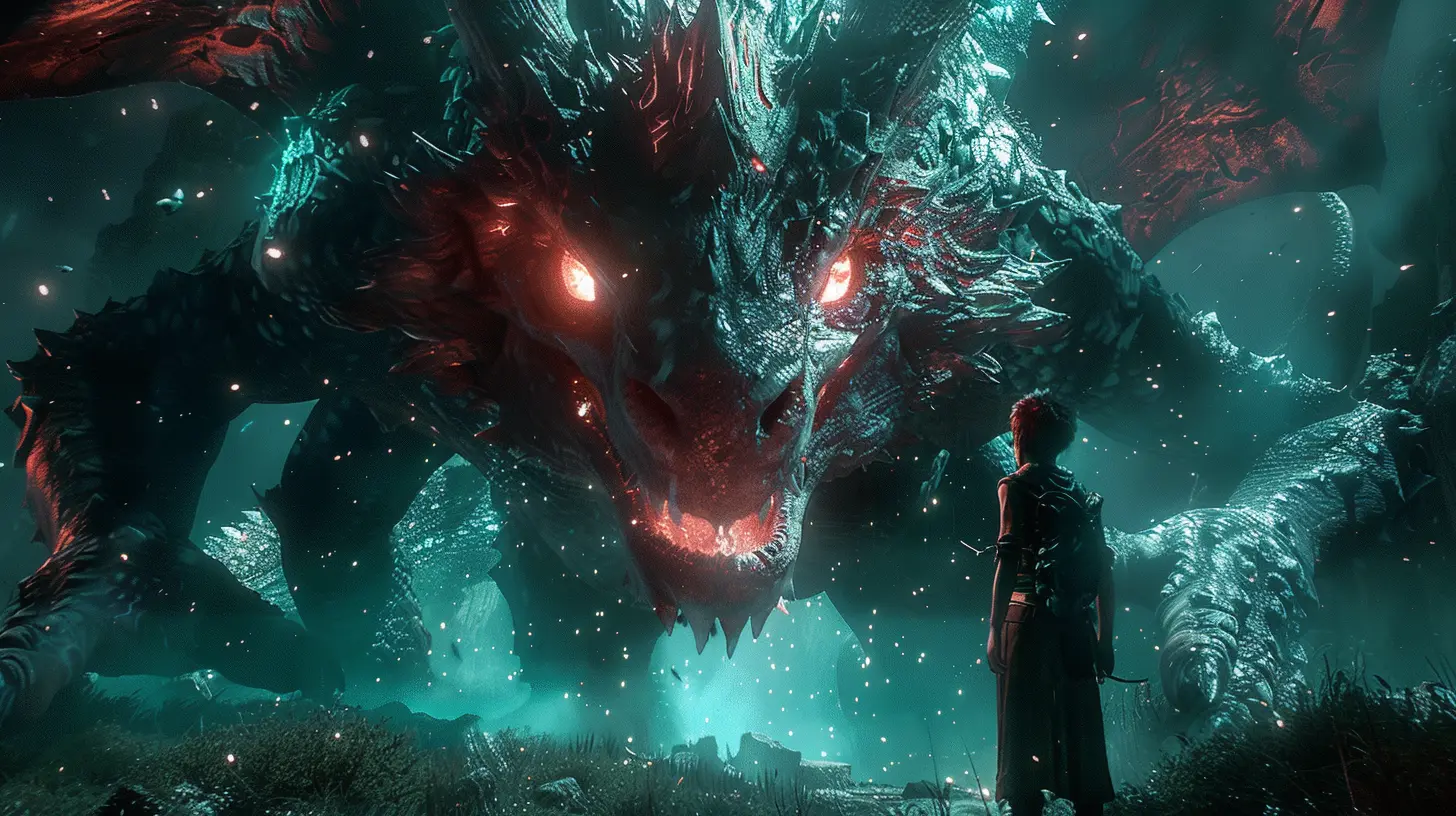
Once upon a time (like, five years ago), the longer a game was, the better it looked in marketing. Game devs bragged about “over 200 hours of gameplay!” like it was some kind of gamer badge of honor. And admittedly, many of us fell for it. Why pay $60 for 8 hours when you can get 120, right?But here’s the plot twist—long doesn’t always mean good.
The Problem With Gigantic Games
Sure, massive open-world games like The Witcher 3, Elden Ring, and Skyrim are modern classics. No one’s denying that. But let’s get real: these games are investment-heavy. They demand not just your time, but also your emotional and mental bandwidth.Ever booted up a save file weeks later only to realize you have no idea what the heck you were doing? You’ve got a quest log thicker than a phone book, and you’re standing in a swamp surrounded by pissed-off frogs with swords. Welcome to gamer burnout land.
Why Shorter Games Are Stealing The Spotlight
Lately, we've seen a glorious trend: shorter, tighter, and more focused games gaining the love they rightfully deserve.Less Is More (Like, Actually)
Short games don’t waste your time. They get to the point. They’re like that friend who doesn’t beat around the bush — just tells it like it is. Whether it’s a 3-hour narrative journey (What Remains of Edith Finch), or a 6-hour action thrill ride (Inside), every minute counts.And let’s face it—there’s something oddly satisfying about finishing a game in one or two sittings. It’s like bingeing a great Netflix show and actually reaching the finale before you’re seven seasons deep and wondering what your real name is.
Your Schedule is Already Packed
Modern life is a mess of meetings, texts, emails, and TikTok doomscrolling. Not everyone has the luxury of dedicating 60 hours to save a fictional kingdom from an ancient evil. A 3-hour game you can complete over a weekend? That’s the dream.Shorter games respect your time. They’re the gaming equivalent of a great short story—you still get impact, emotion, and often more meaning in fewer words (or in this case, fewer hours).
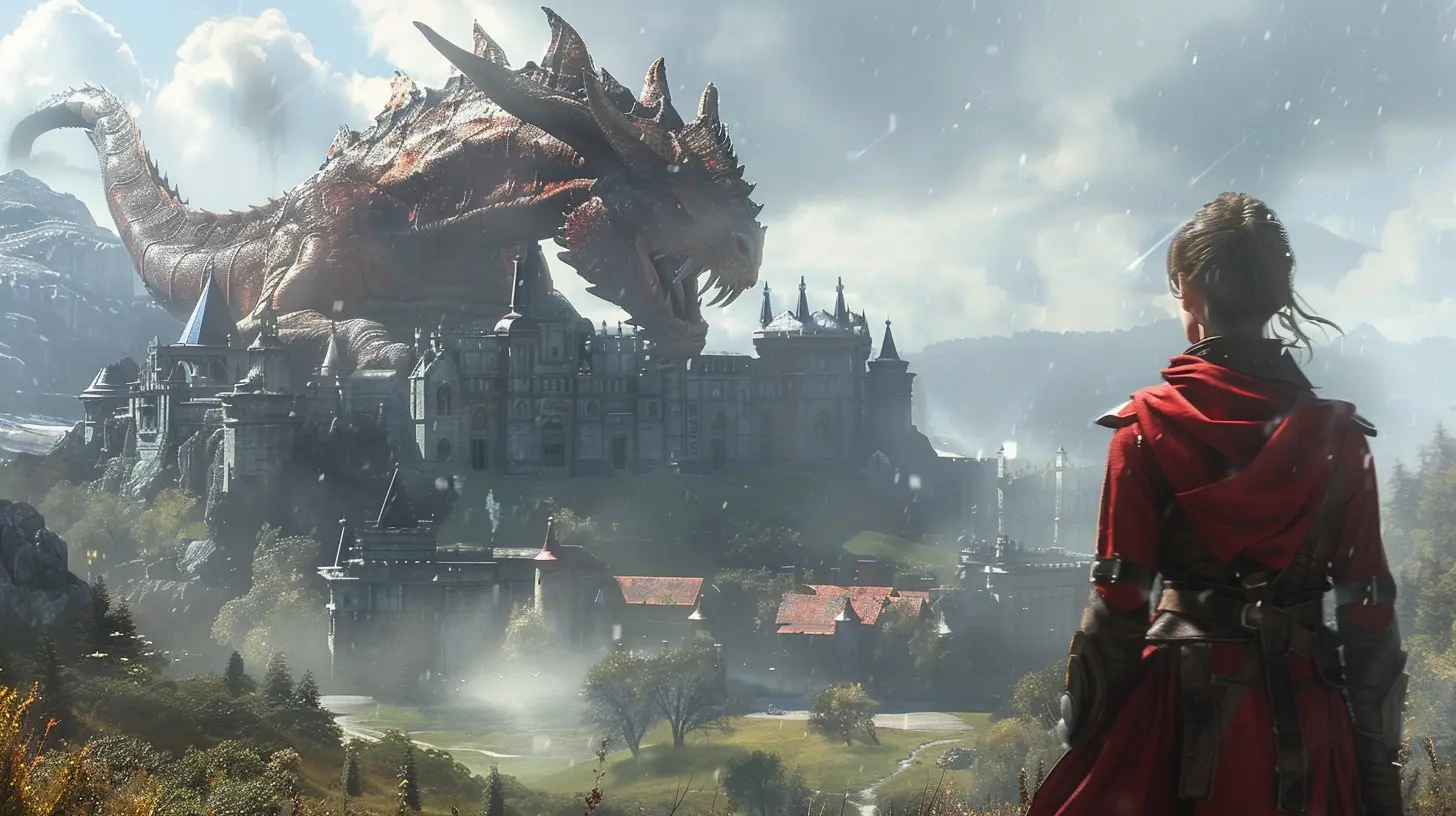
Gamers Are Growing Up (and Their Preferences Are Too)
Let’s talk demographics for a sec. Gaming isn’t just for middle schoolers anymore. The average gamer is now in their 30s. That’s right—many of us are juggling jobs, families, and existential dread.Short games fit better into adult lives. You can complete one in a few days without sacrificing sleep or skipping your kid’s soccer game (or worse—your dog's birthday).
Quality > Quantity. Always.
Some shorter games pack an emotional punch stronger than 100-hour RPGs. Think about Journey, Firewatch, or Limbo. These aren’t just games—they’re experiences. You get art, storytelling, mood, music—all delivered in a tight little package.It’s like comparing a gourmet slider to a questionable all-you-can-eat buffet. Both feed you. But one feeds your soul.
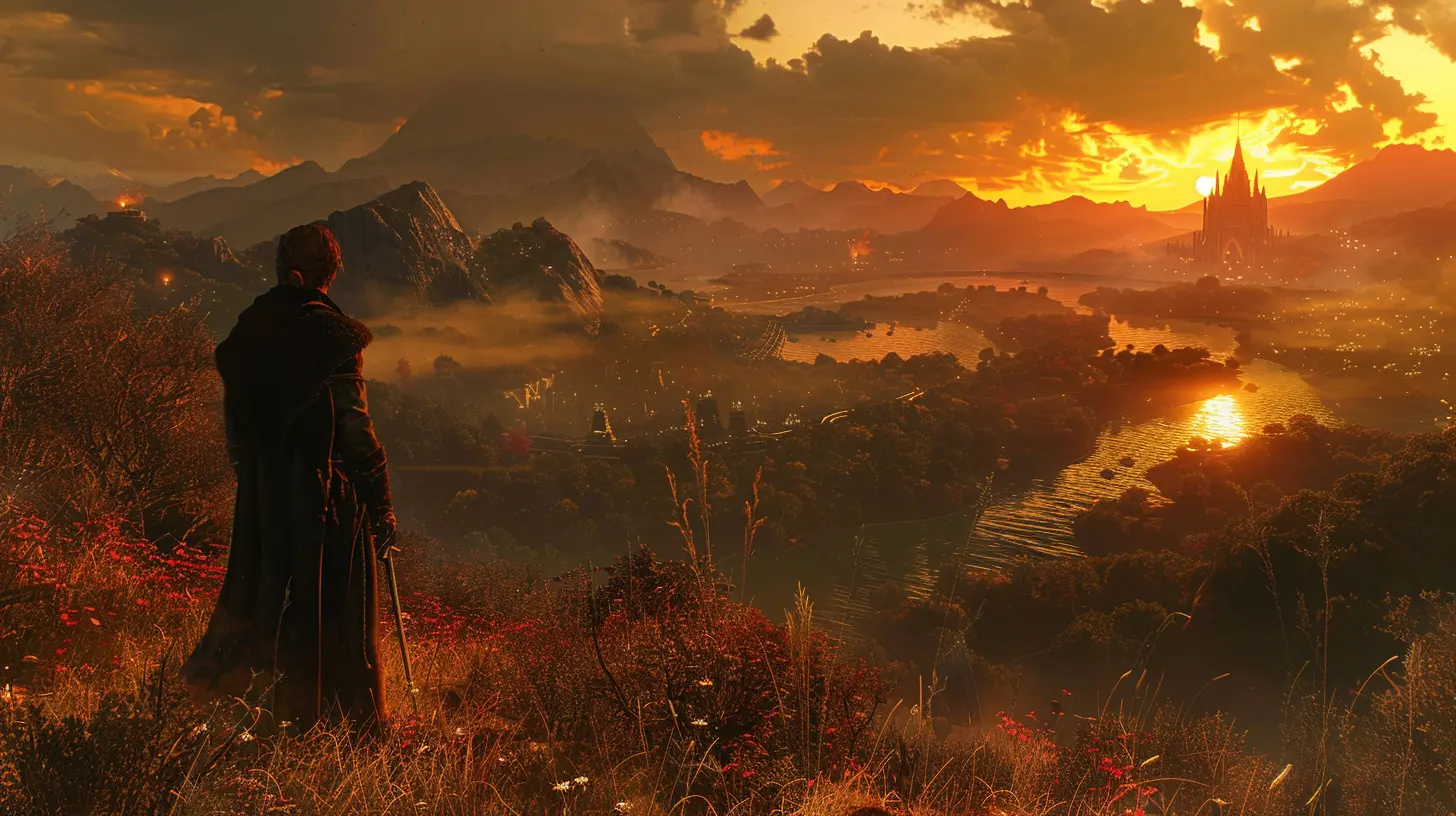
The Indie Revolution
Let’s give a standing ovation to indie developers. They’ve practically built the temple of shorter games. Without the pressure of delivering 100 hours of “content,” they focus on innovation, storytelling, and emotion. And they nail it.Games like Celeste, Oxenfree, and A Short Hike prove that you don’t need a massive budget or sprawling map to captivate players. You just need heart, creativity, and solid design.
Short ≠ Shallow
One of the biggest myths? People think short games = shallow experiences. Not true. A short game can be deep, emotional, and memorable. It’s not about how long the journey is—it’s about how strong the impact is.If a game leaves you thinking about its characters days after you finish it, that's not shallow—that’s good storytelling.
Replay Value Is the Secret Sauce
Another fun thing about shorter games—they’re super replayable. Instead of dragging players through the same mechanics for dozens of hours, they invite you back with different perspectives, choices, or challenges.Take Hades, for example. Technically it’s a game you can finish in a few hours, but you’ll want to jump back in again and again because it’s just so dang fun. Tight gameplay, repeatable action, and a loop that doesn’t feel like a chore? That’s the dream.
Not All Long Games Are Bad Though…
OK, let’s pump the brakes a little. This isn’t a hit piece on long games. Some epic adventures do warrant their massive runtimes. Games like Red Dead Redemption 2 and Persona 5 offer layers of depth that unfold over dozens of hours. That’s awesome… if you have the time and energy for it.So, it’s not really about short vs. long. It’s about intentional design. Long for the sake of being long? Boring. Long because the story demands it? That’s different.
The Netflixification of Gaming
Think about how streaming changed the way we consume media. People love mini-series now. Shows that end after one or two seasons. It’s tight storytelling we can binge without burnout. The same thing's happening with games.We’re entering the era of bite-sized digital art pieces. Games are no longer just pixel playgrounds—they’re emotional rollercoasters, interactive poems, and sometimes, just really cool 2-hour journeys through weirdness.
And sometimes that’s all we want.
TL;DR – So, Are Shorter Games Actually Better?
Here’s the deal: they can be. Shorter games are like espresso shots—small but powerful. They’re efficient, intentional, and perfect for modern attention spans. They respect your time, they pack an emotional punch, and they bring something different to the table.But that doesn’t mean we should throw long games into the lava. There’s still plenty of room for 100-hour epics. The key is balance.
So next time you’re browsing your game library and don’t know what to play, maybe give that 3-hour game a chance. You might just finish it. And love it.
Final Thoughts
Whether you prefer your games long, short, or somewhere in between, it’s clear that the gaming world is shifting. We’re seeing more appreciation for brevity, tighter design, and impactful storytelling that doesn’t require you to sacrifice your entire week (or life).And hey, if you finish a short game over the weekend, you even get to brag about completing something. That’s a rare win in today’s world full of abandoned side quests and infinite to-do lists.
So the next time someone says, “That game’s only four hours long,” just smile and say, “Perfect.
all images in this post were generated using AI tools
Category:
Gaming ReviewsAuthor:

Whitman Adams
Discussion
rate this article
2 comments
Reina Stevens
I totally get the appeal of shorter games. They often pack a punch without dragging on, letting us enjoy more experiences in less time. Sometimes it's about quality over quantity, right? Excited to see what others think!
May 23, 2026 at 2:48 PM
Whitman Adams
Absolutely, shorter games can deliver impactful experiences in a tighter timeframe. It's all about making every moment count. I'm curious to hear others' thoughts too!
Daniella Diaz
Shorter games can pack a powerful punch, offering tight narratives and focused experiences that resonate deeply. They invite players to savor every moment, proving that quality often trumps quantity. Sometimes, less really is more in the gaming world.
May 11, 2026 at 4:57 AM
Whitman Adams
I completely agree. Shorter games can deliver intense emotions and memorable stories in a concise format. It's all about making every moment count.