Coping with Isolation Through Virtual Worlds
22 April 2026
Let’s be real for a second—life gets lonely sometimes. Whether it’s a worldwide lockdown, moving to a new city, or just one of those “meh” weeks where you're ghosting group chats and scrolling through Netflix endlessly, isolation hits hard. And when it does? You need more than just a blanket burrito and comfort food. You need connection, adventure, and maybe even a dragon or two.
Enter virtual worlds—those pixelated playgrounds that go way beyond just “playing a game.” They're portals to thriving online communities, fantasy landscapes, and real human bonds. If you think gaming is just mashing buttons and yelling at screens, honey, you’ve been sleeping on the emotional lifeline it can truly be.
The Isolation Epidemic: It’s Not Just You
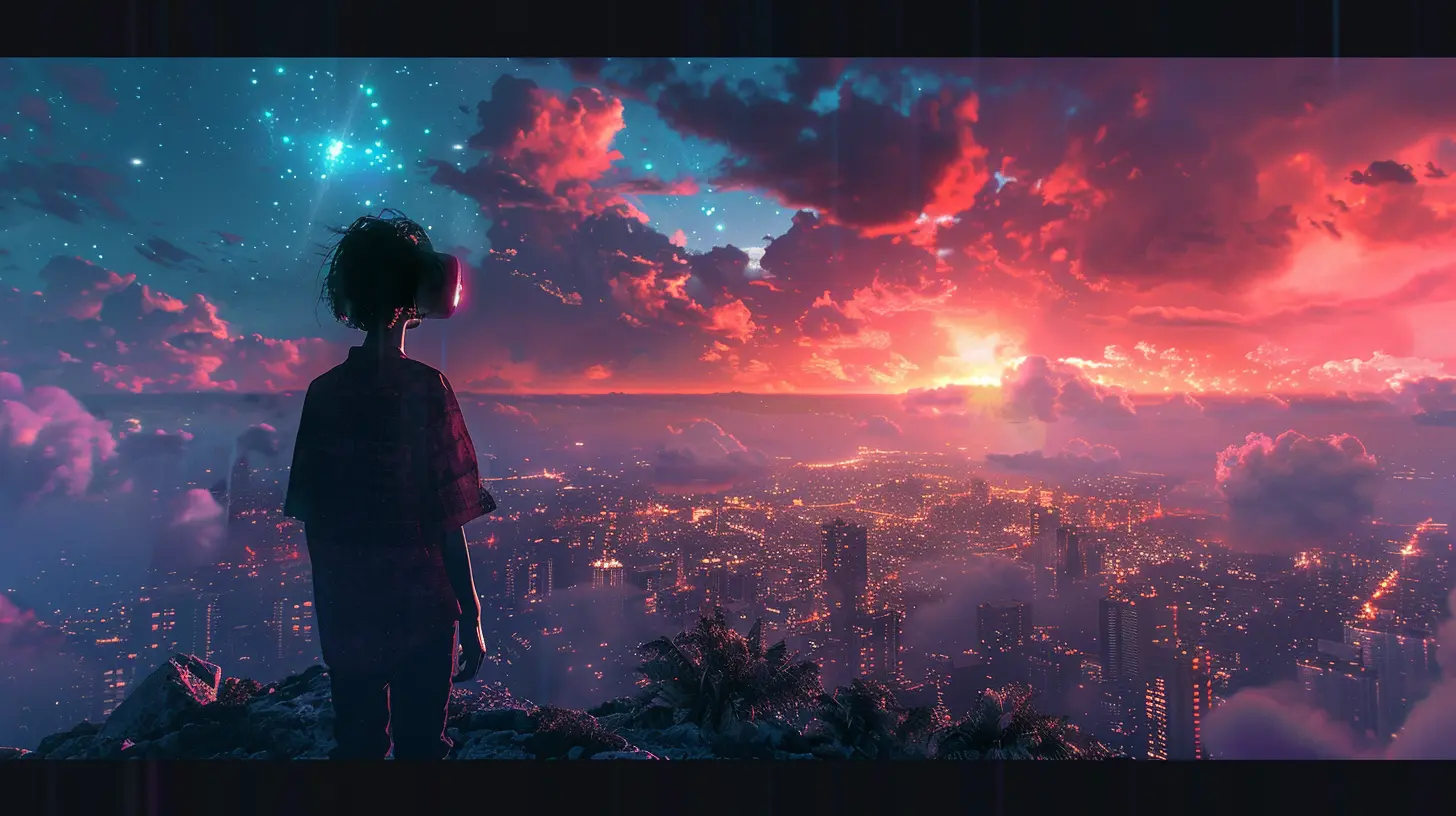
Before we dive into fantasy realms and role-playing, let’s acknowledge the elephant in the room: loneliness is real, and it’s affecting people of all ages. Studies show that social isolation can be just as harmful as smoking 15 cigarettes a day. Yikes, right?Whether it's social anxiety, physical distancing, or plain ol’ life circumstances, people are increasingly feeling disconnected in a hyper-connected world. That’s where virtual worlds step in—not as an escape, but as a bridge to human connection when physical proximity isn’t an option.
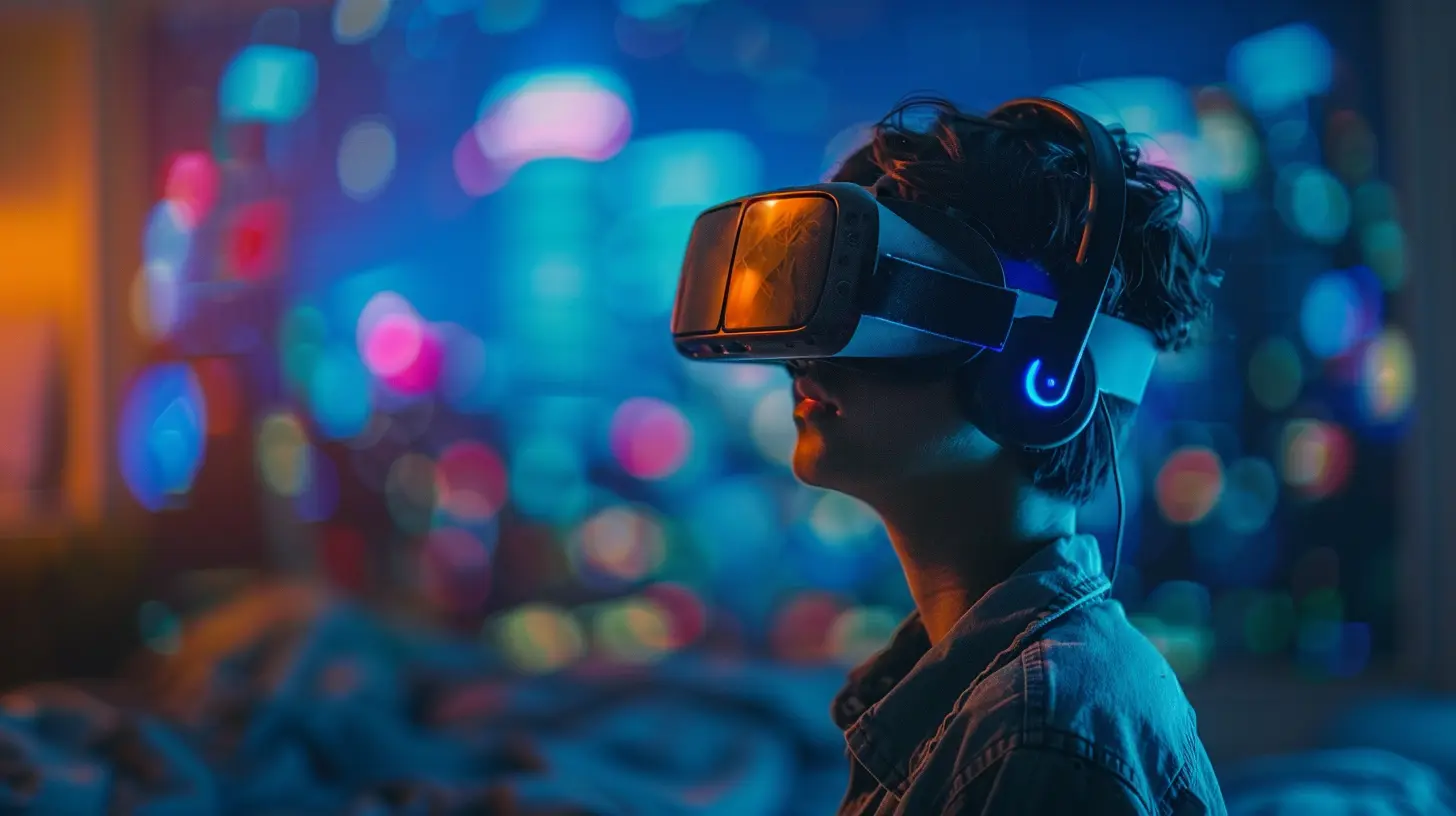
Welcome to the Metaverse, Baby!
Let’s talk about what exactly qualifies as a “virtual world.” Spoiler alert: it ain’t just Mark Zuckerberg’s weird Meta avatar.Virtual worlds are immersive spaces built into games and platforms where you can interact with others in real-time. Think:
- MMORPGs like World of Warcraft
- Social platforms like VRChat
- Online building games like Minecraft and Roblox
- Simulators like The Sims or Second Life
- Even cozy indies like Animal Crossing
They range from jaw-dropping realism to cartoony coziness, but the core vibe is the same—you’re not alone, even when you’re physically by yourself.
The Power of Play: The Psychology Behind Virtual Escapes
So, what makes logging into a pixelated realm feel like a warm virtual hug? Turns out, our brains are big fans of immersive play.Games offer:
- A sense of purpose through quests and goals
- Social interaction via voice chat, messaging, or emojis galore
- Routine and structure, especially helpful when life feels chaotic
- Creative expression—you can literally build your dream home or design your fantasy persona
- A safe space to be yourself (or try on someone else for a bit)
When real life feels like a mess, virtual worlds offer a little control—and a lot of comfort.
Community Is Key: It’s Not Just You and the NPCs
Now let’s spill the real tea: it’s the people in these worlds who make the magic happen.Ever spent hours fishing on a digital dock while chatting with someone from another continent? Or joined a guild and ended up with a whole new friend group? These connections don’t just pass the time—they heal.
Online communities in games are often more inclusive, diverse, and supportive than many offline spaces. That’s right, strangers on a server might care more about your day than your neighbor who still doesn’t wave back.
And the best part? The anonymity gives people the courage to connect deeply, without the awkward small talk. You can discuss mental health, life struggles, or even your secret obsession with cheese—all while slaying monsters or planting virtual turnips.
Virtual Reality: Even More Real Than You Think
Let’s crank it up a notch. If you’ve tried VR, you know what’s up.VR platforms like AltspaceVR, Rec Room, and even good ol' Beat Saber aren’t just for flexing your headset. They’re literal hangout spaces where people host karaoke nights, book clubs, and even speed dating events.
It’s like stepping into a parallel universe where physical distance melts away. You’re not looking at someone through a screen—you’re standing next to them, dancing like a goofball, or throwing digital confetti at their birthday party.
If that doesn’t scream "connection," what does?
The Role of Roleplay: Becoming Who You Want to Be
One of the lowkey most powerful aspects of virtual worlds? Avatar customizations. Yeah, we're talking hairstyles, armor sets, and fairy wings—don’t judge, it’s self-expression in its purest form.When you're stuck in a rut IRL, being able to choose how you show up in a game can be a total game-changer. Want to be a fearless elf queen? Go for it. Prefer to vibe as a talking cat bartender in a cyberpunk bar? You do you.
Roleplay gives you the freedom to explore parts of yourself you might shy away from in daily life. It’s not just dress-up; it’s therapy with bonus XP points.
From Co-op Campaigns to Couch Therapy: Gaming With Friends
Let’s not forget the beauty of co-op games. There’s something extra healing about teaming up with your BFFs (or random squadmates) and saving the world together—be it from zombies, aliens, or a kitchen fire in Overcooked.Even the most chaotic multiplayer madness—looking at you, Fall Guys—can turn into bonding moments. Inside jokes, shared victories, or even shared fails remind you that you’re not in this life alone.
Playing games together isn’t just "hanging out." It’s building emotional intimacy disguised as fun. Honestly, why settle for a boring coffee date when you could storm a dungeon together?
Digital Detox? No Thanks, I’m Recharging
Look, we’ve all heard the skeptics wagging fingers and whining, “Screens are ruining society!” But here’s the thing—they’re also saving lives.Virtual worlds aren’t about checking out; they’re about checking in, in a new way. They let us engage on our own terms, in spaces where we feel seen, safe, and understood.
Sure, moderation matters. But for many people—especially those with anxiety, depression, mobility issues, or chronic loneliness—these digital spaces are lifelines, not liabilities.
Real Stories, Real People, Real Impact
Let’s drop the stats and talk about some real-deal vibes. Here are just a few ways people are coping (and thriving) through gaming:- A single dad who found a support group of fellow parents in a Destiny clan.
- A college student who used Animal Crossing to host virtual graduation parties.
- A woman with social anxiety who gained confidence by leading a Final Fantasy raid group.
- LGBTQ+ youth who found unconditional acceptance in roleplay servers when real-life spaces failed them.
These aren’t just logged hours. They’re human experiences, friendships, and emotional wins that matter just as much (if not more) than what happens offline.
Building Better Worlds—Together
Game devs, listen up. This matters.As more people turn to virtual worlds for connection, inclusivity and accessibility become mission-critical. That means:
- More in-game mental health resources
- Safer community moderation tools
- Customization options that reflect diverse identities
- Spaces for people to chill, vent, and be themselves without judgment
Because the future of gaming isn’t just about graphics or loot drops. It’s about creating worlds worth coming back to—not just for the games, but for the people.
Final Thoughts: Escape Isn’t Weakness—It’s Survival
Let’s flip the script: escaping to a virtual world doesn’t mean you're avoiding reality. It means you're resourceful enough to find light in digital places when the real world dims on you.So next time someone gives you shade for spending time in a game, just raise an eyebrow and say, “Sweetie, I’m building social connections, emotional resilience, and a farm full of glowing potatoes—what are you doing, Karen?”
Stay bold, stay connected, and keep pressing start. The virtual world is waiting, and it's got your back.
all images in this post were generated using AI tools
Category:
Gaming And Mental HealthAuthor:

Whitman Adams
Discussion
rate this article
2 comments
Kai McKibben
Connection redefined, reality blurred.
April 27, 2026 at 3:21 AM
Whitman Adams
Thanks for your thoughts! It's fascinating how virtual worlds can reshape our sense of connection in today's reality.
Elijah Jones
Exploring virtual worlds offers a unique escape from isolation, fostering social connections and creativity while enriching our mental health.
April 23, 2026 at 4:28 PM
Whitman Adams
Absolutely, virtual worlds can provide a vital sense of community and spark creativity that helps combat feelings of isolation.