Escapism or Empowerment: The Mental Health Impact of Immersive Gaming
3 July 2026
Video games have come a long way from beeping arcade machines and chunky pixels. These days, they’re massive cinematic universes you can step into—controlling the story, feeling the stakes, and even making lifelong friends with other players across the globe. But for all their bells and whistles, one big question still looms: is immersive gaming a healthy escape—or something a little more dangerous?
Is it escapism, empowerment, or maybe even both?
Let’s dive deep (headset on, controller in hand) into the psychology of gaming, how it affects our mental health, and whether it’s time we start seeing immersive gameplay as a tool rather than a vice.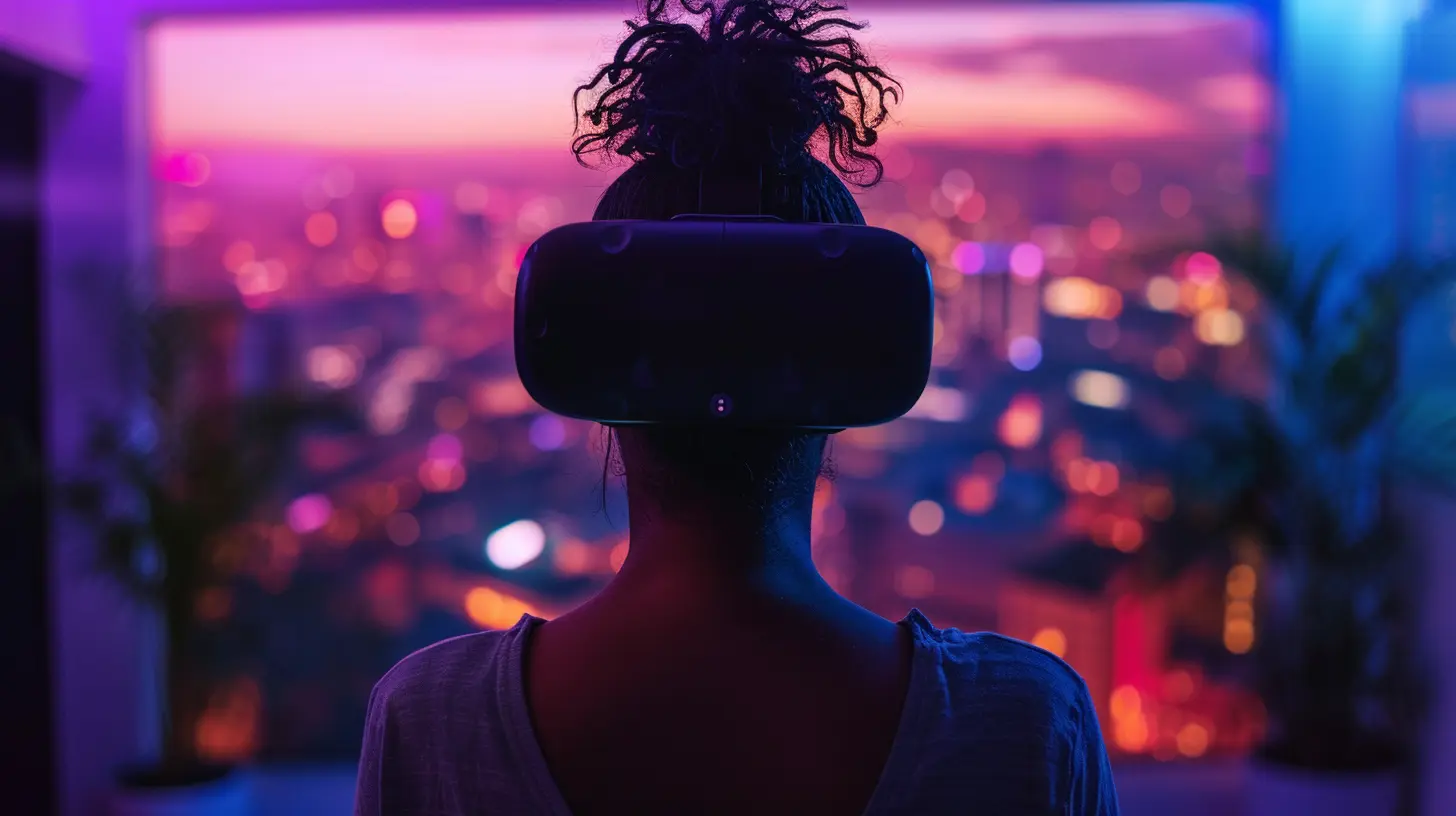
What Exactly Is “Immersive Gaming”?
Before we unpack the psychological impact, let’s get clear on what we mean by immersive gaming. Think of games that suck you in—where reality fades and you're solving mysteries in ancient temples, commanding armies in intergalactic wars, or just building a peaceful farm away from the chaos of everyday life. We're talking about:- Open-world RPGs like The Witcher 3 or Elden Ring
- VR titles like Half-Life: Alyx or Beat Saber
- Narrative-driven games such as The Last of Us, Life is Strange
- Online multiplayer worlds like World of Warcraft or Final Fantasy XIV
In all of these, the line between you and your avatar starts to blur. You don’t just play—you live inside the game’s universe.
Sounds magical, right? But what does that magic do to our minds?
The Psychology of Escape: Shield or Crutch?
Let’s face it—we all sometimes just want to disappear. Bills, work, drama—it piles up. So when a game offers us a world where we’re the hero (not the one who forgot to do laundry again), it’s tempting.This is escapism in its purest form. And honestly? It's not always a bad thing.
When Escapism Turns Helpful
Imagine your brain like a phone battery. Life’s stressors—traffic, deadlines, awkward small talk—drain it fast. Immersive games can act like a power bank, giving us a much-needed break. They can:- Reduce stress
- Offer emotional regulation
- Provide a safe space to process feelings
You had a rough day? Lose yourself in Skyrim for an hour. Suddenly, your mood lightens. That’s not just coincidence. Studies show gaming can activate the brain’s reward system, releasing dopamine—the feel-good chemical.
When Escapism Starts to Backfire
But here’s the kicker: too much escape can mean you’re running, not resting.If you find yourself hiding in games to avoid real-world problems—ducking responsibilities, isolating from friends, or ignoring mental health needs—that’s when it crosses into unhealthy territory.
It’s like using duct tape to fix a leaky pipe. It might hold for a bit, but it’s not a long-term solution.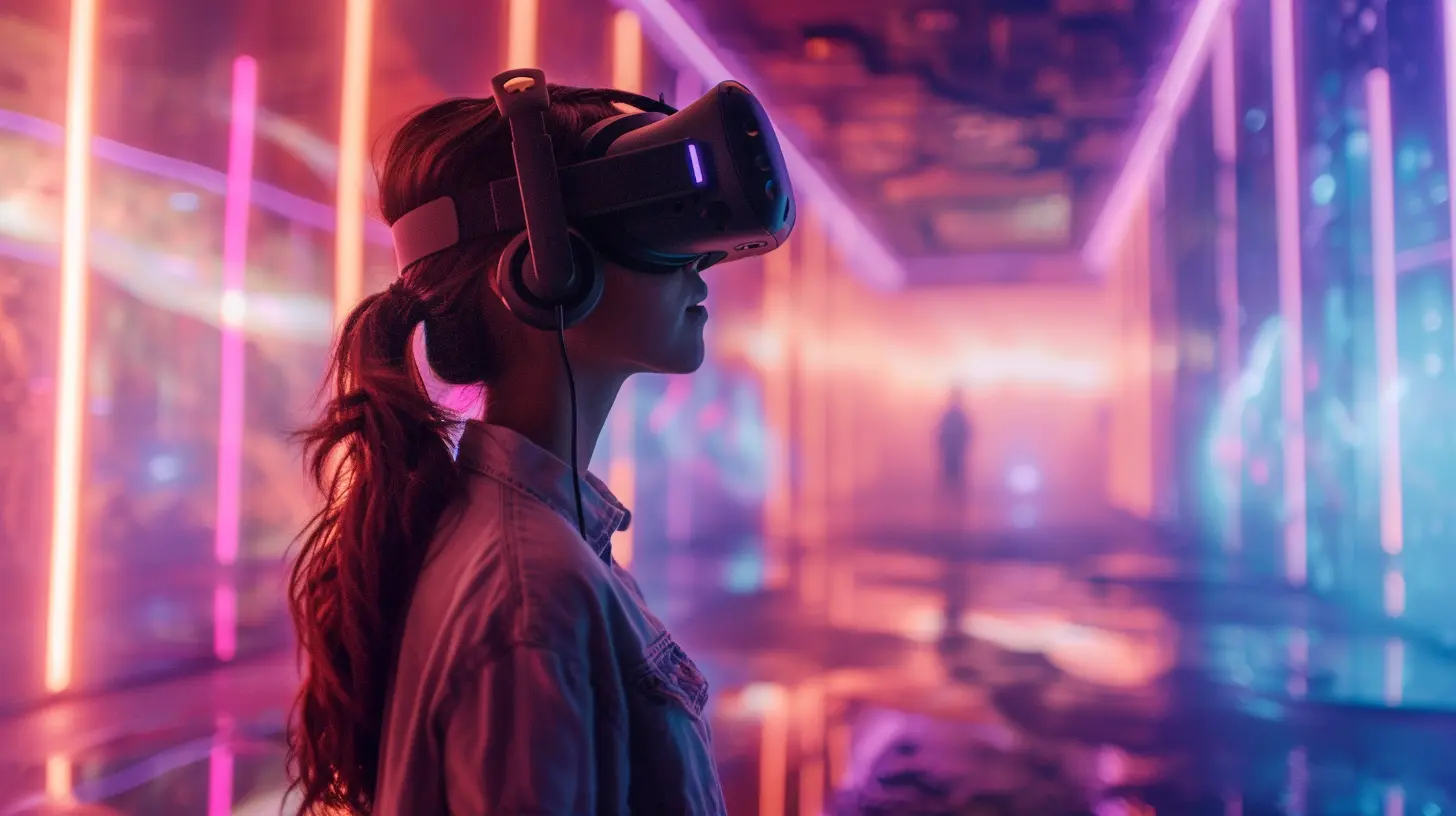
Empowerment Through Pixels: Taking Control
Now let’s flip the coin.Immersive games aren’t just escapes—they can be empowering. For many players, stepping into a game isn’t about running away; it’s about rising up.
Building Confidence One Level at a Time
Ever notice how games reward you constantly? Level up. Unlock new skills. Win battles. Get loot.That structure can powerfully reinforce self-esteem, especially for people who struggle with confidence IRL. In games, you’re in control, and success is tangible. You see growth, achievement, and progression—all in a few hours.
That sense of agency? It’s addictive—in the best way.
Safe Spaces for Identity Exploration
For LGBTQ+ individuals, neurodivergent folks, or anyone who feels out of place, games can offer a judgment-free zone to just be. You can tweak your character’s appearance, gender, backstory. You don’t have to fit into anyone’s box.In Animal Crossing, you get to create your world. In Mass Effect, you make choices that reflect your values. That stuff matters, especially when reality doesn’t always offer the same freedom.
Games become mirrors of who we are—or who we’d like to be.
Building Real Connections in Virtual Worlds
Contrary to the stereotype of lonely gamers in dark basements, many immersive games are incredibly social.From raid teams to guilds to Discord servers, players build legit friendships. These aren’t shallow, either. Shared goals, late-night grinding, epic wins (or fails)—they bond people.
For those with social anxiety or mobility issues, these connections might even be more accessible and meaningful than IRL ones.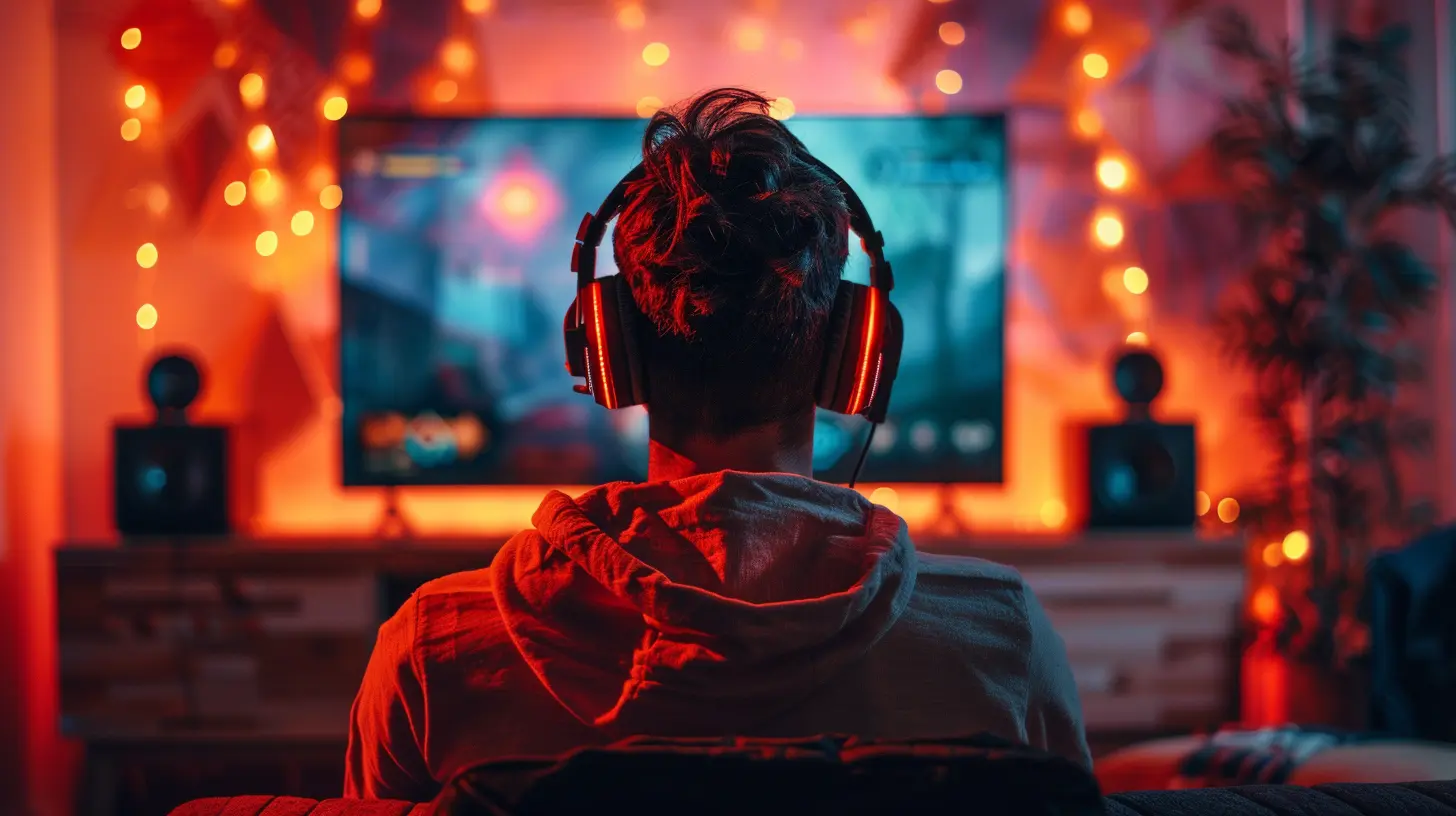
Gaming and Mental Health: What Does the Science Say?
Let’s bring in some receipts.The Good News ?
Studies have found that moderate gaming, especially immersive genres, can:- Lower symptoms of depression and anxiety
- Improve cognitive function and problem-solving
- Enhance mood and emotional resilience
A 2020 Oxford study even suggested that people who played games like Animal Crossing regularly reported higher levels of well-being.
The Red Flags ?
But (and there's always a but), excessive gaming—especially when it replaces sleep, physical activity, or real-world interaction—can lead to:- Increased isolation
- Disrupted sleep cycles
- Heightened anxiety and irritability
- Gaming Disorder (yes, it’s recognized by the WHO)
So it’s not so much about the games themselves—it’s about how, when, and why we play them.
It’s the difference between a soothing glass of wine and finishing the whole bottle alone at 3 AM.
Finding the Balance: Healthy Gaming Habits
So how do you enjoy immersive games without tipping into the danger zone?Here are some tips to keep your gaming life healthy and empowering:
1. Set Intentional Play Time
Decide ahead of time how long you’ll play. Use timers if you need to. No shame—just balance.2. Check Your “Why”
Ask yourself: “Am I playing to relax or avoid?” One is self-care; the other might be a red flag.3. Prioritize Real-World Needs
No boss fight is worth missing sleep, skipping meals, or ghosting your family.4. Embrace the Social Side
Join a Discord. Play co-op. Enter tournaments. Stay connected with others.5. Mix It Up
Alternate gaming with hobbies like reading, walking, or hanging out with friends. Balance is everything.Let’s Talk: Personal Stories From Gamers
Sometimes, the best insights come from the people living it every day. Check out what a few gamers had to say:> “When my anxiety was at its worst, Stardew Valley gave me peace. I’d tend crops while my brain calmed down.” – Jess, 27
> “Raiding with my WOW guild helped me through my divorce. They became my second family.” – Eric, 34
> “I struggled with gender dysphoria for years. In Cyberpunk 2077, I finally saw myself. That meant everything.” – Ray, 21
See? It’s not just about pixels and power-ups. For many, games are therapy, sanctuary, and even salvation.
Escapism vs. Empowerment: So…Which Is It?
Here’s the plot twist: immersive gaming can be both escapism and empowerment—and that’s okay.Sometimes you need to log out of the chaos and into a world that makes sense. Other times, you need to feel strong, seen, and in control—something games can offer in spades.
The key is awareness. Know when you're using games as a healthy outlet—and when they might be becoming a shield from things that need your attention.
Like any powerful tool, immersive games can build or break. Use them wisely, and they might just level up your mental health journey.
The Final Word
In a world that often demands more than it gives, immersive gaming offers refuge, resilience, and even revelation. Whether you’re slaying dragons, solving mysteries, or just tending to your pixelated tomatoes—how you use those worlds is what matters.So game on. Just don’t forget to check in with yourself once in a while.
all images in this post were generated using AI tools
Category:
Gaming And Mental HealthAuthor:

Whitman Adams
Discussion
rate this article
1 comments
Indigo Barron
Immersive gaming serves as both a refuge and a source of strength. It allows players to escape life's chaos while nurturing resilience and creativity. Embrace the journey, discover new worlds, and unlock the potential within yourself. Gaming is more than play; it's a path to empowerment.
July 7, 2026 at 4:31 AM
Whitman Adams
You've captured the dual nature of gaming perfectly. It's incredible how it can provide both an escape and a means of personal growth. Embracing these experiences can truly empower us.