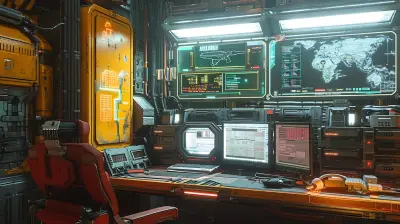
Exploring Mindfulness Through Puzzle and Strategy Games
12 April 2026
Let’s be honest — life’s a whirlwind. Between work, social commitments, and the constant noise of a hyper-connected world, finding a slice of peace feels like trying to beat Dark Souls with one hand tied behind your back. But guess what? You don’t always need incense and a yoga mat to tap into mindfulness. Sometimes, all you need is a good game. Yup, I'm talking about puzzle and strategy games.
These aren't just ways to kill time. They’re gateways to mental clarity, calm, and, dare I say it — Zen.

Mindfulness: It's Not Just for Yogis
Before we dive into why puzzle and strategy games are basically digital meditation, let’s quickly unpack what mindfulness even is.Mindfulness is being fully present. It’s tuning into the now. Not the past. Not what’s for dinner. Just now. It’s the mental equivalent of slowing down to smell the roses... or in our case, watching the pieces click perfectly into place in Tetris.
Now, you may be wondering, "How can a screen possibly help me with mindfulness?" Stay with me — we’re about to break it down.

Puzzle Games: The Art of Doing One Thing Well
Let’s start with puzzle games. Think Tetris, Sudoku, Monument Valley, or even cozy mobile favorites like Candy Crush (don’t judge, it counts!).Puzzle games force you into the present by demanding total focus. No multitasking allowed. You can’t be half in, half out. You’ve got to be there — fully locked in as you rotate a piece or calculate your next move. And that’s mindfulness in action.
Why Puzzle Games Train Your Brain to Stay Present
- Single-tasking paradise: In a world where multitasking is glorified, puzzle games let you focus on one thing. No emails, no pings. Just sweet, uninterrupted attention.- Pattern recognition: These games tap into the brain’s natural love for patterns, which keeps your mind busy in the best way possible.
- Small wins: Completing a level gives you a hit of dopamine, reinforcing positive engagement. You finish a level, you feel good. Simple.
Take Unblock Me, for instance. You’ve got a red block. It’s stuck. Your mission? Slide away the obstacles and set it free. Sounds basic, right? But getting absorbed in that effort — step by step, move by move — is actually a form of active meditation.
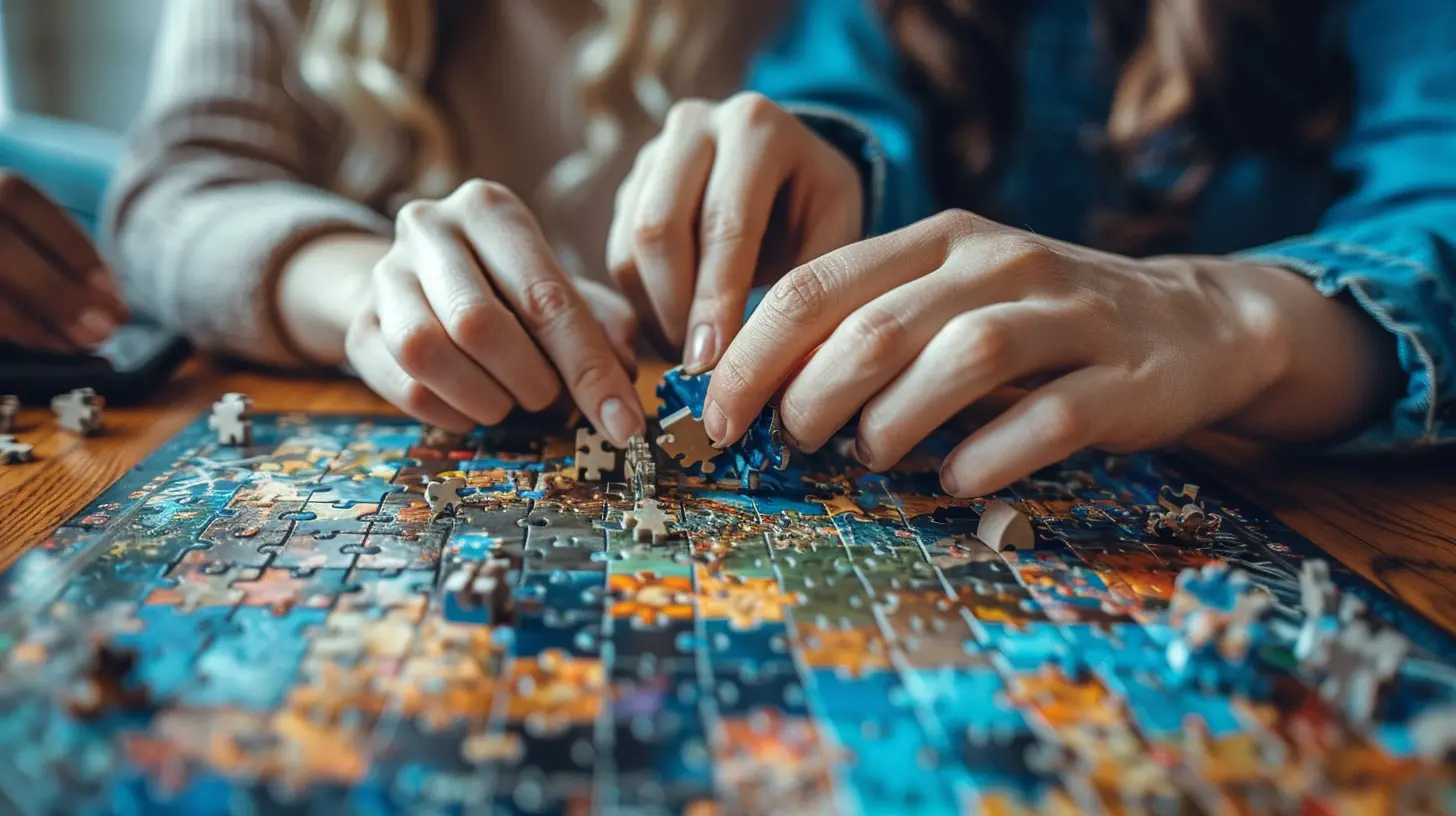
Strategy Games: Mindfulness with a Side of Mental Gymnastics
Now let’s level up. Strategy games crank up the brain involvement and stretch your cognitive muscles while still grounding you in the moment. Think of titles like Chess, Civilization, StarCraft, or even real-time tactics in Age of Empires.These games don’t just keep you present – they challenge your patience, decision-making, and emotional regulation. Ever lost a 3-hour Civilization campaign because you didn’t plan three moves ahead? Yeah, that’ll teach you mindfulness real quick.
How Strategy Games Build Mental Resilience
- Long-term focus: Strategy games make you think big picture. You have to weigh risks, plan outcomes, and stick to your goals.- Emotional control: These games test your cool. Can you keep calm when an opponent backstabs you? Or when your perfect plan falls apart?
- Learning from failure: You lose often. A lot. And that’s okay. In fact, it’s part of the process. Learning to accept losses without freaking out? That’s mindfulness gold.
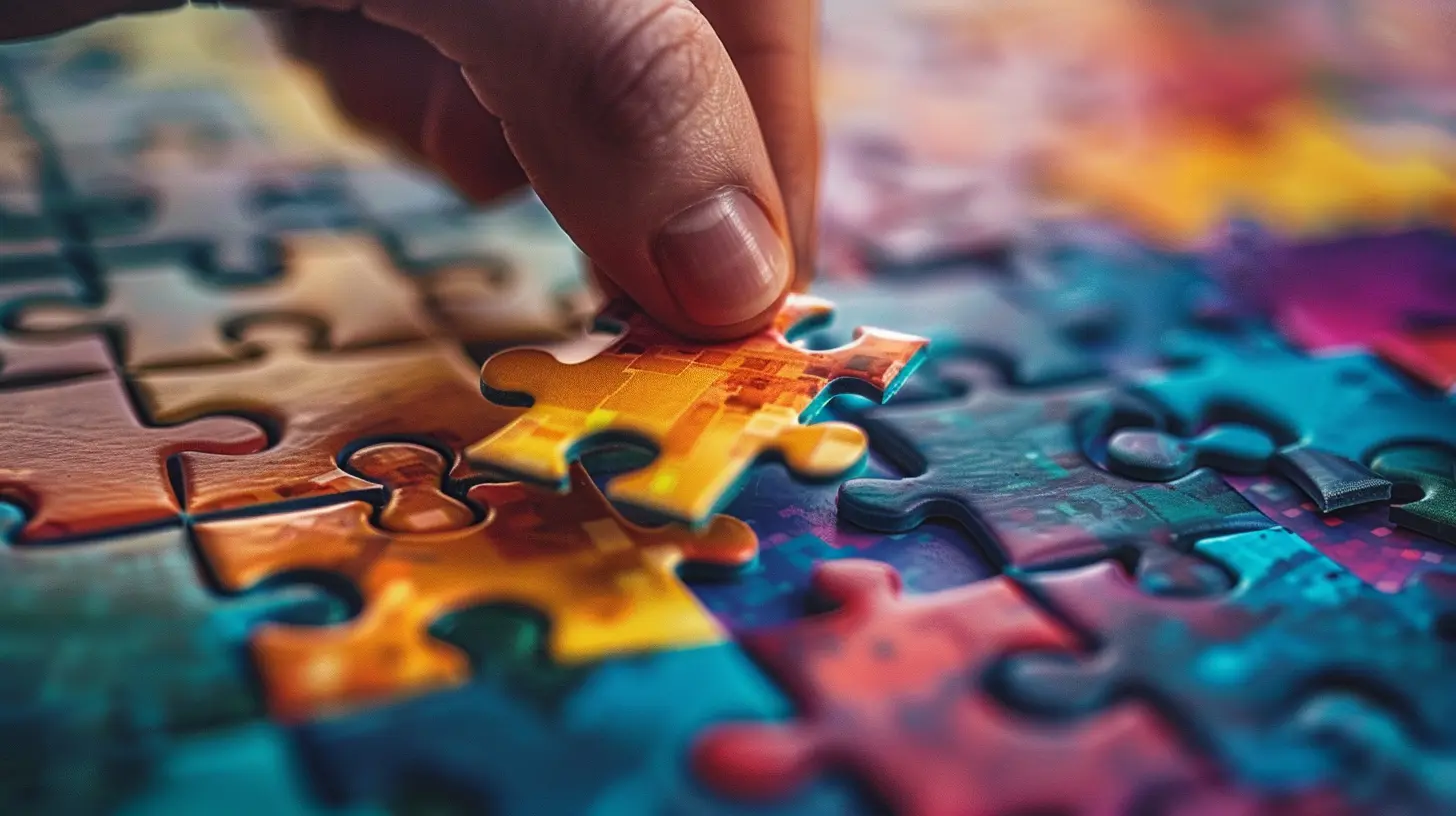
Real Talk: Not All Games Are Created Equal
Let’s pump the brakes for a sec. Not every game that smells like strategy or puzzles is going to bring you into a state of Zen. Some are just plain chaotic, stressful, or—let’s be honest—addictive for the wrong reasons.Here's a quick rule of thumb:
- Mindful games = Challenging, but manageable. They make you think, not rage.
- Mindless games = Fast-paced, reward-heavy, and built to keep you in a dopamine loop.
The line between flow and frustration is thin. But when done right, the right games can get you into a flow state that’s as relaxing as a walk in the woods — minus the bug bites.
Flow State: The Secret Sauce of Mindful Gaming
Ever played a game and lost track of time? That’s not just a time sink — it’s what psychologists call “flow”. It’s that magical sweet spot where the challenge of the game perfectly matches your skill level.Think of it like balancing on a rope. Too easy and you get bored. Too hard and you fall off. But when it’s just right? You forget everything else.
Puzzle and strategy games are perfect for this. They ease you into complexity, giving you just enough resistance to stay curious, but not overwhelmed.
Games like The Witness or Baba Is You are masters at this. They trick your brain into meditating — minus the “ohm”.
The Science Behind the Chill
Okay, so all of this sounds good in theory, but is there any science to back this up?Oh, absolutely.
A growing body of research shows that video games — particularly strategic and puzzle-based games — can increase cognitive flexibility, working memory, and yes, mindfulness.
A 2020 study published in JMIR Mental Health even suggests that puzzle games can reduce symptoms of anxiety and depression when played regularly, thanks to their focus-driven, engaging nature. Basically, playing these games helps you train your brain to stay centered and respond better to stress in the real world.
Real-Life Benefits of Mindful Gaming
Let’s go beyond the brain for a sec. Here’s how this kind of gaming translates to actual mental wellness:- 🧠 Reduced stress: Games distract you from overthinking and give your mind a focused task.
- 🛌 Better sleep: Engaging in low-stress, mindful games before bed can help wind down your mental chatter.
- 🧘 Improved patience: Strategy games especially teach you to tolerate delays and manage frustration.
- 👁️ Sharpened focus: By training your mind to focus on single tasks, your attention span gets stronger (take that, social media!).
Tactile vs. Digital: Does It Matter?
Some folks argue that classic puzzles — like crosswords, jigsaws, or Rubik’s cubes — are better for mindfulness than digital games. And sure, the tactile feel of sliding real pieces around has its own charm.But here’s the thing: it’s not about the format. It’s about the mindset. Whether you’re swiping tiles on your phone or solving a puzzle with physical pieces, the benefits come from how you engage, not what you engage with.
Setting Boundaries: Mindful Gaming Without the Guilt
Let’s address the elephant in the room. Yes, gaming can be addictive. And yes, escaping into games 24/7 isn't exactly healthy. Just like anything good — coffee, Netflix, pizza — too much can be… well, too much.Here’s how to game mindfully:
- 🎯 Set an intention: Are you playing to relax? To challenge yourself? Avoid playing just to avoid life.
- ⏱️ Time-box your sessions: Use timers or alarms. Stick to a regular routine.
- 📵 Avoid multitasking: Turn off notifications. Don’t scroll while playing. Commit fully or not at all.
- ☯️ Balance with real-world mindfulness: Go outside, stretch between sessions, and practice breathwork or journaling.
Mindful Games Worth Playing
Here’s a short list of highly recommended puzzle and strategy games known for their meditative qualities:Puzzle Lovers:
- The Witness: Gorgeous visuals, brain-bending puzzles, and a slow, thoughtful pace.- Monument Valley: A surreal, artful game with calming music and clever level design.
- Thomas Was Alone: A minimalist puzzle-platformer with emotional depth.
- Tetris Effect: A hypnotic spin on the classic — visuals and music blend into pure flow state.
Strategy Buffs:
- Into the Breach: Tight mechanics, high replay value, and pure tactical bliss.- Chess.com App: Timeless strategy, countless lessons, and a global community.
- Civilization VI: Deep strategy, diplomacy, and turn-based goodness.
- Mini Metro: Build subway maps and keep your cool as traffic grows — tranquil chaos!
The Future of Mindfulness in Gaming
Game developers are catching on. Studios are now creating “meditative games” on purpose. Games like Flow, Journey, and ABZÛ are designed with the full intention of offering peace, not just play.We’re entering an era where gaming isn’t just entertainment — it’s therapy, it’s meditation, and maybe even self-care. Imagine that: your next gaming session isn’t wasted time — it’s your mental health routine.
And honestly? That’s badass.
Final Thoughts
Mindfulness isn’t just about quiet rooms and closed eyes. It's about awareness, intention, and being in the moment. Puzzle and strategy games — if approached with the right mindset — offer that in spades.So the next time someone says you're wasting time playing games, just smile and tell them you're meditating... with style.
all images in this post were generated using AI tools
Category:
Gaming And Mental HealthAuthor:

Whitman Adams
Discussion
rate this article
2 comments
Jade McCaw
Mindfulness enhances focus; puzzle games are a great way to practice it daily!
April 18, 2026 at 2:39 AM
Whitman Adams
Absolutely, puzzle games are a fun way to sharpen focus while embracing mindfulness!
Maddison McAuley
Zen and game on! Puzzle party!
April 16, 2026 at 3:06 AM
Whitman Adams
Glad you're excited! Puzzle games are a great way to combine fun and mindfulness. Enjoy the party!