Exploring the Themes Behind Popular Time Management Games
14 January 2026
Ever found yourself glued to a game, frantically clicking to serve customers in a café, grow crops on a pixelated farm, or manage a busy airport? Yeah, me too. There’s just something oddly satisfying about juggling a million tasks and somehow pulling it all off like a boss. Welcome to the world of time management games—a genre that’s as addictive as it is insightful.
But here's the thing: these games aren’t just digital to-do lists with cute characters. Beneath the surface, they tap into some surprisingly deep themes—efficiency, pressure, satisfaction, and even personal growth. In this article, we’re diving headfirst into the heart of it all.
Let’s break down what makes these games tick and why they’ve quietly become one of the most engaging genres out there.
🎮 What Are Time Management Games, Really?
Time management games are all about juggling tasks within a set time limit. Think "Diner Dash", "Farm Frenzy", or "Cooking Dash". They throw you into busy virtual worlds where your job is to keep everything running smoothly. Whether you're flipping burgers, scheduling spa appointments, or piloting planes, the clock is always ticking.At first glance, they seem simple. But give it five minutes, and you’ll be frantically clicking and strategizing like your life depends on it. The genre exploded in popularity during the 2000s and hasn’t looked back since.
So, why do these deceptively simple games resonate with so many players?
🧠 The Psychology of Time Management Games
There’s a reason your brain lights up when you beat the clock in a level—it’s science. Time management games tap into our natural desire to feel productive and in control. They reward us with immediate feedback—stars, coins, and high scores—for doing things well. It’s like a gamified version of checking stuff off your real-life to-do list.This genre is built on:
- Dopamine hits: Quick successes release feel-good chemicals.
- Short-term goals: You always know what needs to happen next.
- Visible progress: You see your business grow, your restaurant expand, or your farm flourish.
What’s not to love?
But let’s go deeper. These games are loaded with themes that mirror real life in subtle ways.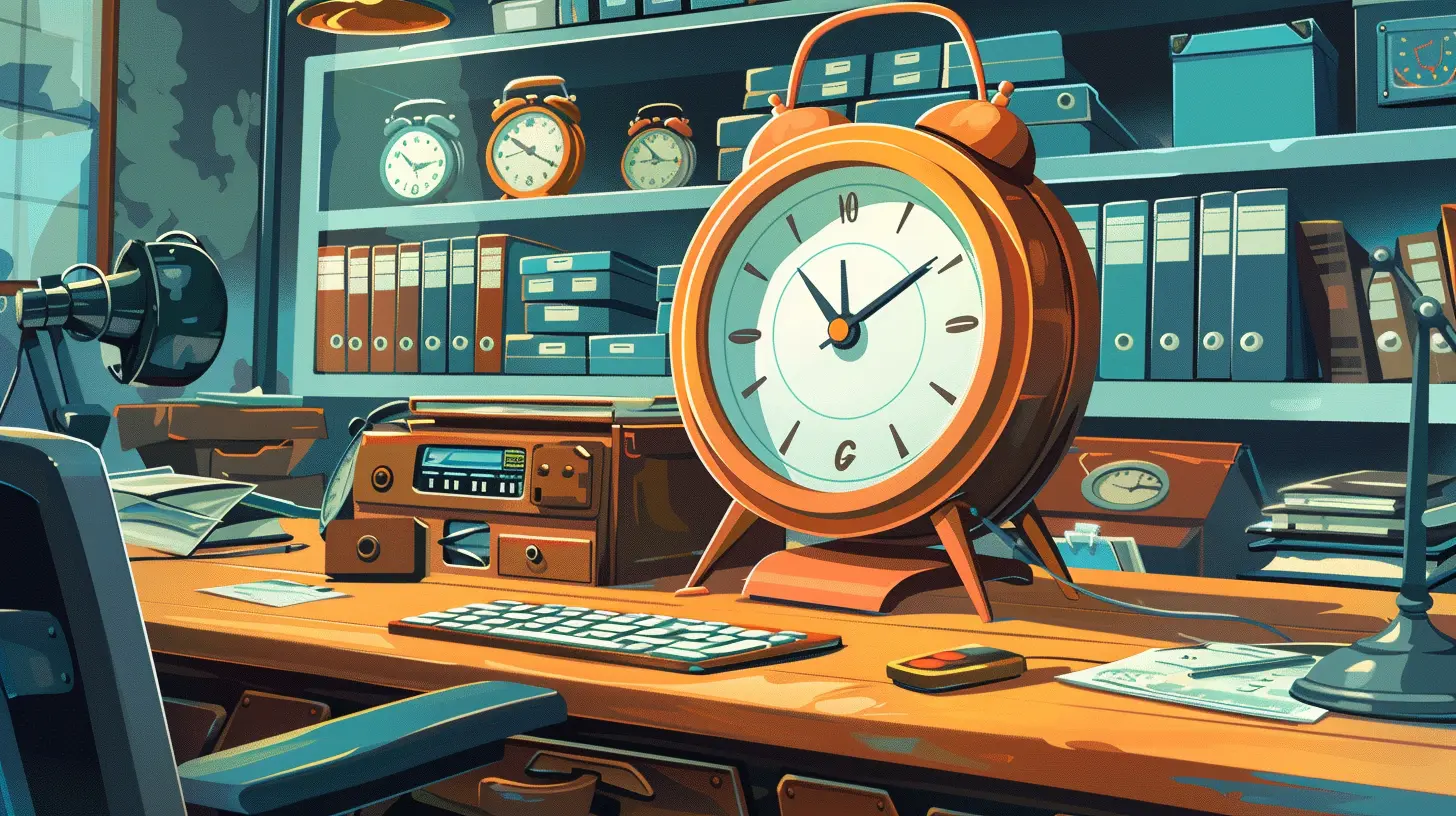
⏰ Theme #1: The Modern Work Hustle
We live in an era where multitasking is glorified. Sound familiar? That’s the exact mechanic behind every time management game out there.You’re not just flipping burgers—you’re managing staff, upgrading your kitchen, serving drinks, and cleaning tables… all at once. It’s a digital reflection of the "always-on" culture we live in.
It’s no coincidence that many of these games are themed around professions like:
- Restaurants (e.g., Cooking Dash)
- Retail shops (e.g., Sally’s Salon)
- Healthcare (e.g., Heart’s Medicine)
- Airports (e.g., Airport Madness)
These games simulate the daily hustle of modern workers, often in fast-paced, high-pressure environments. They let us feel what it’s like to be in control—even if it’s just for a few minutes.
🧩 Theme #2: Problem Solving Under Pressure
Ever felt like your brain is on fire while trying to finish a level? That’s the point.Time management games challenge you to think, act, and adapt in real-time. You’re constantly faced with:
- Sudden waves of customers
- Equipment breaking down
- New features introduced mid-level
The games push you into a pressure cooker, and you've got to think fast. You learn to prioritize, delegate, and strategize. It’s kind of like being a project manager, but with cuter graphics.
👩🍳 Theme #3: Female Empowerment in the Spotlight
This one’s huge.Unlike many gaming genres, time management games often feature strong, independent female protagonists. From Flo in "Diner Dash" to the fierce Emily in "Delicious", these games put women in charge. They’re not sidekicks or eye candy—they're entrepreneurs, doctors, chefs, and decision-makers.
And players love it. It’s refreshing, empowering, and inspiring to see women leading the charge and thriving in high-stakes environments. This genre created space for narratives not often explored in mainstream gaming.
💡 Theme #4: The Joy of Continuous Improvement
You know that addictive loop of upgrading your kitchen so you can serve faster? Time management games are all about growth and progress.At their core, they echo one of the most satisfying life principles: when you invest time and effort, things improve.
You:
- Upgrade your gear
- Train your staff
- Streamline your workflow
- Expand your space
And the results are immediate. That sense of progress keeps players coming back for more. You’re not just playing—you’re building something.
🏡 Theme #5: Escapism With a Side of Control
Life is messy. Work, bills, chores, relationships—it’s chaos. But in the world of time management games? You’re the boss.You control the chaos. You fix problems. You succeed.
It’s not just escapism—it’s controlled escapism. These games let us step into a world that’s just hectic enough to be exciting but still predictable enough for us to win.
That balance between stress and satisfaction? That’s the secret sauce.
⚙️ Theme #6: Routine and Habit-Building
Another quiet theme? Habit formation.Time management games teach:
- Consistency
- Planning ahead
- Optimizing processes
You’re training yourself to create systems that get results. These aren’t just game skills—they’re life skills. The muscle memory you develop planning your café’s operations? That’s the same brain-training that helps you organize your real-life schedule.
There’s a reason they’re called time management games.
🧠 Theme #7: Emotional Connection and Storytelling
Today's top time management games aren't just timed challenges. They’re storytelling machines.Take "Heart’s Medicine", for example. It's not just about treating patients—it's about the emotional journey of a young doctor. You grow with the characters. You celebrate their victories. You feel their setbacks.
Modern time management games blend gameplay with deep personal narratives, which:
- Keep you invested longer
- Make the tasks feel more meaningful
- Create emotional payoffs
They’re not just games—they’re interactive stories with ticking timers.
☯️ Theme #8: Balance and Burnout
Oddly enough, these games often reflect the dangers of doing too much.Ever played a level where you tried to take on everything and failed miserably? Yeah, that’s burnout.
Time management games can be a metaphorical mirror, showing us the importance of pacing ourselves. They subtly teach:
- When to say no
- When to upgrade
- When to delegate
Sometimes, the key to success isn’t doing it all—it’s doing the right things at the right time.
🕹️ Why We Keep Coming Back
So why have time management games stood the test of time?Because they blend challenge, creativity, and control in a way few genres do. They reflect real-world themes in playful, digestible chunks. And they reward us for something we all crave—progress.
Whether you’re an overachiever, a casual gamer, or someone just looking for 10 minutes of digital Zen, these games speak your language.
🌟 Final Thoughts
Time management games are more than just frantic fun. They’re digital microcosms of real life—packed with lessons, reflection, and emotion. They teach us to juggle tasks, improve systems, and manage our energy, all while keeping us thoroughly entertained.So next time you’re tapping away in a virtual bakery or managing a chaotic airport, remember this: you're not just playing—you’re engaging with powerful themes that mirror the world outside your screen.
Who knew a game about pancakes could be so… deep?
all images in this post were generated using AI tools
Category:
Time Management GamesAuthor:

Whitman Adams
Discussion
rate this article
2 comments
Eden Hamilton
What a fun dive into time management games! They remind us that juggling tasks can be a blast. Embrace the chaos, level up your skills, and enjoy the adventure! Game on! 🎮✨
January 24, 2026 at 5:20 PM
Whitman Adams
Thank you! I'm glad you enjoyed the exploration of time management games and their chaotic yet enjoyable themes. Game on indeed! 🎮✨
Paul McLanahan
Time management games skillfully blend strategy and urgency, offering insights into productivity and personal priorities in everyday life.
January 16, 2026 at 5:43 PM
Whitman Adams
Thank you! I'm glad you found the exploration of strategy and urgency in time management games insightful. They truly reflect our daily challenges in balancing productivity and priorities.