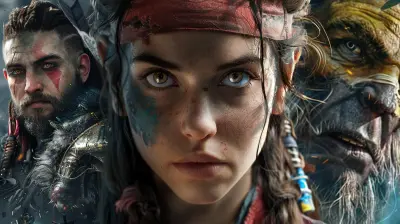
Fan Expectations vs. Developer Vision in the Remake Process
5 August 2026
Oh wow, they’re remaking that game from 2003? That was my childhood!”
“Wait… they changed THAT? Ruined. Absolutely ruined. 0/10. Not my game anymore.”
Sound familiar? Yeah, we’ve all been there. Welcome to the chaotic, nostalgia-fueled circus that is the modern gaming remake trend — where fans have dreams, devs have budgets, and somehow, everyone ends up yelling on Twitter.
Strap in, friend. We’re diving headfirst into the mighty clash of fan expectations vs. developer vision in the remake process. Grab your flaming pitchfork or your developer-branded coffee mug — whatever side you’re on — and let’s talk about why gaming remakes are both a blessing and a battlefield.
The Return of the Classics (Sort of)
We’re living in a golden age where remakes and remasters are everywhere. From Resident Evil 2 to Final Fantasy VII Remake, publishers have realized something: nostalgia sells. Big time.Fans hear a remake is coming and instantly imagine their teenage years with 4K textures and ray-traced reflections. But when the remake drops, well… "This isn't what I ordered."
So who’s right — the old-school loyalists crying foul or the devs trying to do something new-ish?
Well, it's complicated.
What Fans Expect: The Warm, Fuzzy Feeling of Nostalgia
Let’s not beat around the pixelated bush here. When fans hear “remake,” what they really want is:- The exact same game
- But upgraded visuals
- And smoother controls
- With absolutely nothing else touched
- Except maybe adding some cut content they read about on a wiki once in 2011
Simple, right? Just polish it like a vintage car, don't dare change the paint job, and for the love of all things sacred, don’t touch that beloved line of dialogue from scene 27 or you'll be canceled on a Reddit thread faster than you can boot up your PS5.
Fans treat classic games like sacred texts. Changing stuff — even fixing what was originally broken — feels like someone painting a mustache on the Mona Lisa. “You shrank his sword model? Congrats, you just murdered my childhood.”
What Developers Want: Evolve or Die
Now, on the other side of the digital coin, we’ve got developers. You know, the people who actually make the games?They’re not just dusting off old code. They want to reimagine, rebuild, and sometimes reinvent. To them, a remake is a chance to integrate better storytelling, cut the janky mechanics, add depth to characters, and shock the audience with new twists.
It’s like being handed a classic recipe and going, “Cool, but what if we added ghost pepper and served it deconstructed?”
Sure, old-school fans might raise pitchforks, but new players? They’re eating it up. Suddenly, the game reaches a wider audience and stands on its own, not just as a vintage trophy, but as a modern masterpiece.
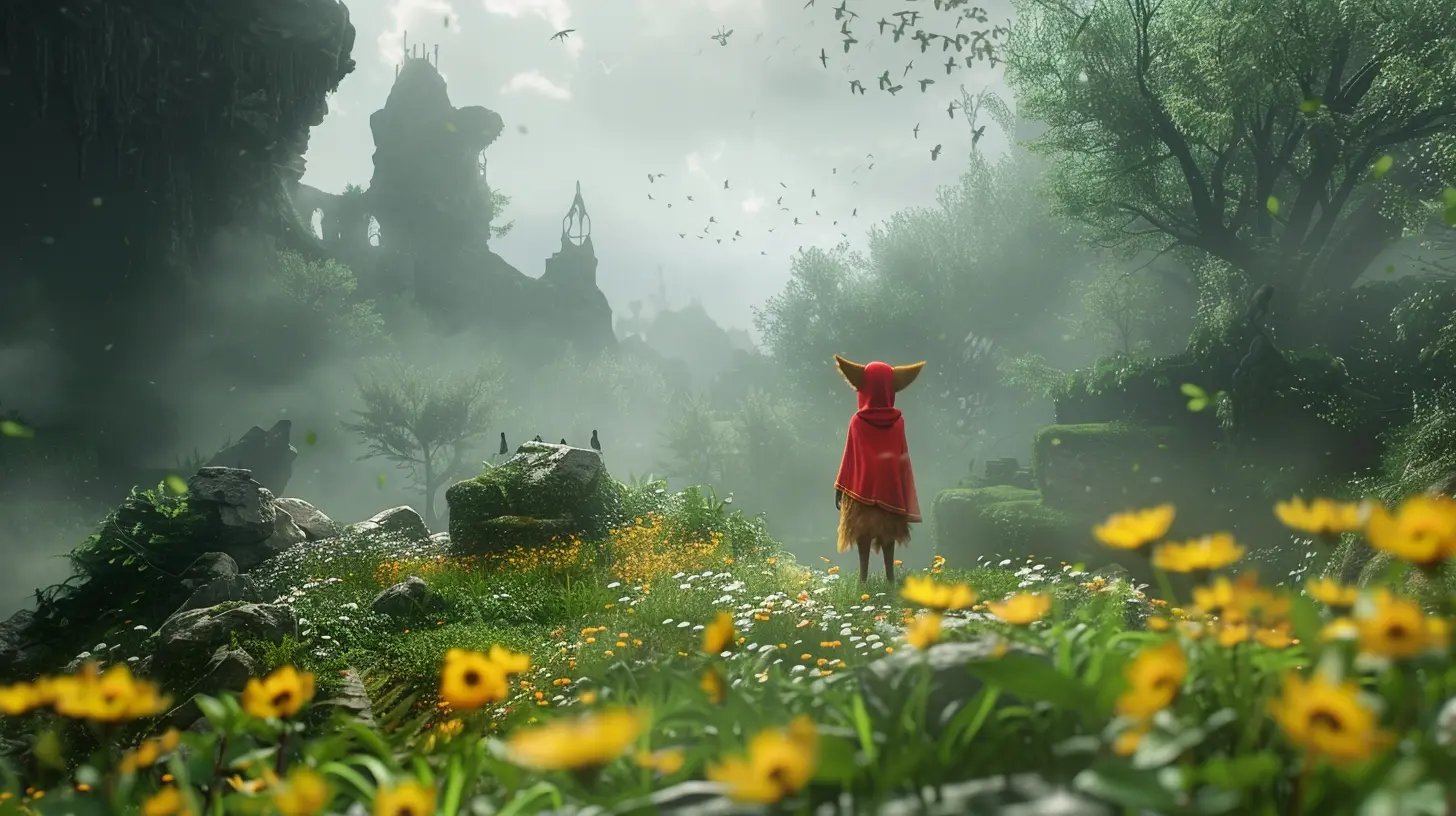
Case Study Time: The Final Fantasy VII Divide
Ah yes, the infamous war of Final Fantasy VII Remake.Some fans were overjoyed. “Yay! Cloud is back and he actually has fingers now!”
Others? “Wait, why is Sephiroth here so early? What are these ghosts? WHAT DID YOU DO?!”
The original FF7 is iconic, no doubt. But let’s be honest — it was also clunky in parts. The remake didn’t just give it a facelift; it practically turned it into a different genre with real-time combat, sprawling side quests, and plot additions that left longtime fans scratching their Mako-infused heads.
Was it bold? Yep. Divisive? Oh yeah. But did it sell? Like Materia hotcakes. So clearly, someone’s doing something right.
The Remake Balancing Act: Please Everyone, Please No One
Remaking a game is basically like organizing a surprise birthday party for a million people who all want different cake flavors… and half of them are lactose-intolerant.If you keep everything the same, critics say you played it safe. If you change too much, fans cry betrayal. If you try to strike a balance — well, congratulations, you’ve just made a target for both sides.
Let’s look at some remake categories:
1. The Faithful Restoration
Examples: Shadow of the Colossus (PS4), Crash Bandicoot N. Sane TrilogyThese remakes keep the heart, soul, and janky platforming intact but slap on a crisp new skin. Fans love them. Devs sleep peacefully.
2. The Bold Pivot
Examples: Resident Evil 2 Remake, Final Fantasy VII RemakeTotally different mechanics, new plot elements, and a few WTF moments. Innovative? Yes. Controversial? You bet your ancient memory card.
3. The Missed-the-Mark
Examples: Warcraft 3: Reforged, GTA Trilogy (Remastered-ish)These are the awkward middle children. Promised a lot, delivered… less. Fans roast them, and devs pretend it never happened. Moving on.
Why Nostalgia Is a Double-Edged Sword
Here’s the thing: nostalgia lies. It’s that overly friendly high school memory that forgets how awkward you really were. We remember old games as perfect because they hit us at the right place and time.Fire up the original now and — oof — those controls. That camera. That loading time. Yikes.
Remakes have to walk the tightrope between preserving that feeling and fixing what age has not-so-kindly eroded. It's like keeping the soul of your favorite band’s hit song… but not necessarily the eight-minute kazoo solo in the middle.
The Internet: Where Expectations Go to Rage
Let’s not forget the most powerful weapon in this whole drama: the comment section.As soon as a remake is announced, social media explodes with:
- “If they change even one pixel, I’m out.”
- “They better fix that one boss battle from level 9.”
- “Make it open-world with full character customization or I ain't buying it.”
No pressure, right?
Developers listen — sometimes too much. And when they don't? Well, cue the YouTube rants, low Metacritic user scores, and 3-hour livestreams titled “How Devs RUINED My Favorite Game.”
So… Who Gets the Final Say?
Here’s the spicy truth: nobody really wins.The remake process is a messy, passionate tug-of-war between preserving the past and moving forward. Sometimes fans get what they want. Sometimes devs win creative freedom.
And sometimes we get a Frankenstein’s monster that pleases nobody and makes us all nostalgic for the original original again. Ironic, right?
But maybe — just maybe — that’s the magic. The conversation. The passion. The mutual love of gaming, even in the chaos.
To Remake or Not to Remake?
So what should a developer do?Well, besides investing in thicker skin and a good PR team… they need to decide early: Is this a love letter or a reboot? Are we courting the old fans or bringing in new ones?
And fans? Maybe we can unclench just a little. The remake isn’t deleting your memories. The original still exists. And who knows — some changes might make the game better. Or at least, more interesting.
In Conclusion: Let’s All Chill (A Bit)
Look, we gamers are a passionate bunch. We love our stories, our characters, and our button-mashing glory days. But maybe we could ease up on the torches and pitchforks.Remakes are a weird little dance between then and now. Sometimes they hit every note perfectly, and sometimes they step on our emotional toes. Either way, they keep the conversation — and the love of gaming — alive.
So next time a remake gets announced, maybe take a deep breath before tweeting in all caps. You might be pleasantly surprised. Or you might end up writing your own sarcastic blog post about it.
Either way, we all win.
all images in this post were generated using AI tools
Category:
Game RemakesAuthor:
Whitman Adams