Finding Purpose and Identity Through Gaming Avatars
19 May 2026
Ever stopped to wonder why you pick a certain character in a game? Maybe it’s the cool armor, slick hairstyle, or the backstory that strangely sounds like yours. Or maybe—just maybe—it’s deeper than that. In the digital realms we escape to, we often find more than just loot and leaderboards. Sometimes, we find ourselves.
Today, we’re going deep into a fascinating concept: finding purpose and identity through gaming avatars. Whether you're a battle-hardened PvP legend or a cozy-life sim farmer, the avatars you create tell a story—and that story might just be your own.
How Avatars Became Extensions of Ourselves
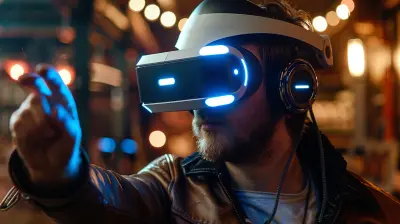
Let’s start with the basics. An “avatar” in gaming is your digital alter ego. It's the representation—you choose how it looks, behaves, and interacts with the virtual world. For some, it’s just a cool skin. For others, it’s a mirror, a mask, or a fantasy.Think about it: when you first boot up a game and enter the character creation screen, what do you feel? Excited? Overwhelmed? Empowered? That blank slate gives us control in a world where, let’s face it, we often feel like we have none.
And that control? It's powerful.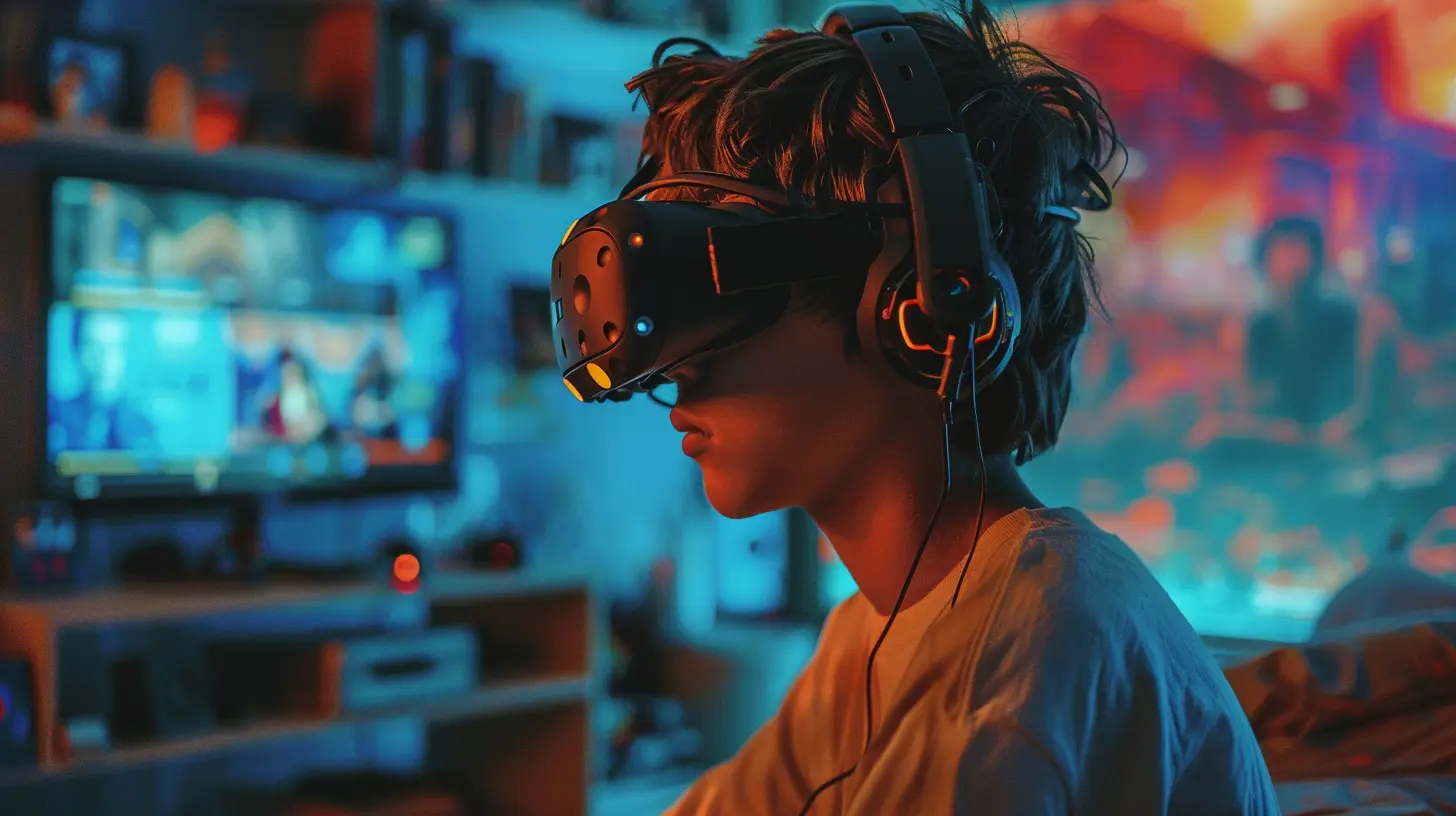
Identity in Pixels: More Than Just a Character
Sure, games are fiction, but the emotions we experience while playing? Those are all too real. Our avatars often become vessels for our hopes, dreams, and even fears.Let’s look at some ways this plays out:
1. Avatars as a Safe Space for Self-Expression
In real life, we all have constraints—social norms, expectations, even physical limitations. But in games? We can be whoever we want. We can look how we want. We can express parts of ourselves we might hide in the real world.For many LGBTQ+ gamers, for instance, avatars are often more than just characters—they're expressions of identity. Some people come out to themselves for the first time by choosing a gender or look in a game that feels more "them" than what the real world expects.
Gaming becomes a kind of rehearsal space for being your true self.
2. Trying on Different Lives
Ever wanted to be a rogue samurai? Or a space-traveling trader? Games let you try out different versions of reality, which can actually help with real-life decision-making.It’s kind of like a sandbox for life. In role-playing games (RPGs), you test moral decisions, face consequences, and develop empathy—all through your avatar. You begin to ask yourself, “What kind of person do I want to be?”
That’s deep, right?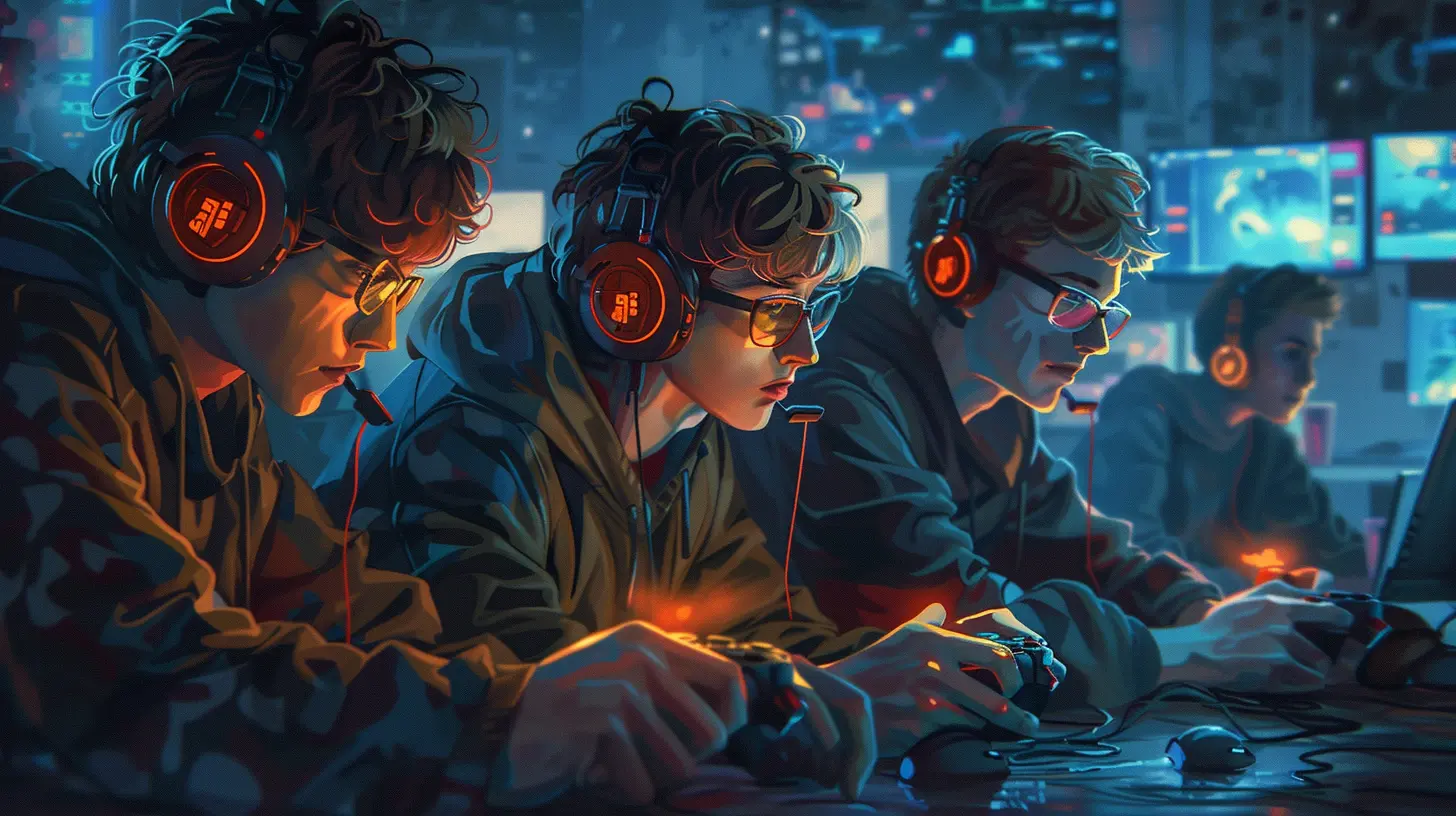
Crafting Purpose in a Virtual World
Let’s talk about purpose. In many games—especially RPGs or MMOs (Massively Multiplayer Online games)—you’re given quests, goals, and roles to fulfill. While it might seem trivial at first (like collecting herbs or slaying monsters), it taps into something universal: the human desire for meaning.1. The Hero’s Journey and You
Most games follow a formula known as “The Hero’s Journey.” You start off as a nobody, face challenges, grow stronger, and eventually save the world (or at least your crew). Sound familiar?That pattern mirrors real-life growth, and playing through it can help us feel more capable. When we take our avatars from zero to hero, it can inspire us to do the same in our actual lives.
Gamers often report feeling more confident after conquering difficult in-game challenges. That boost can spill over into studies, careers, relationships—you name it.
2. Avatars and Mental Health
More and more studies are pointing toward the therapeutic potential of games. Avatars let us externalize problems, explore tough emotions, and even build resilience.Say you're feeling powerless in real life. Through your avatar, you might become a warrior who takes charge, leads others, and overcomes impossible odds. In doing so, you're not just playing—you’re healing.
And let's not forget the simple joy of being needed. In team-based games, your role matters. You’re a healer, a tank, a scout. People rely on you. You show up—you matter.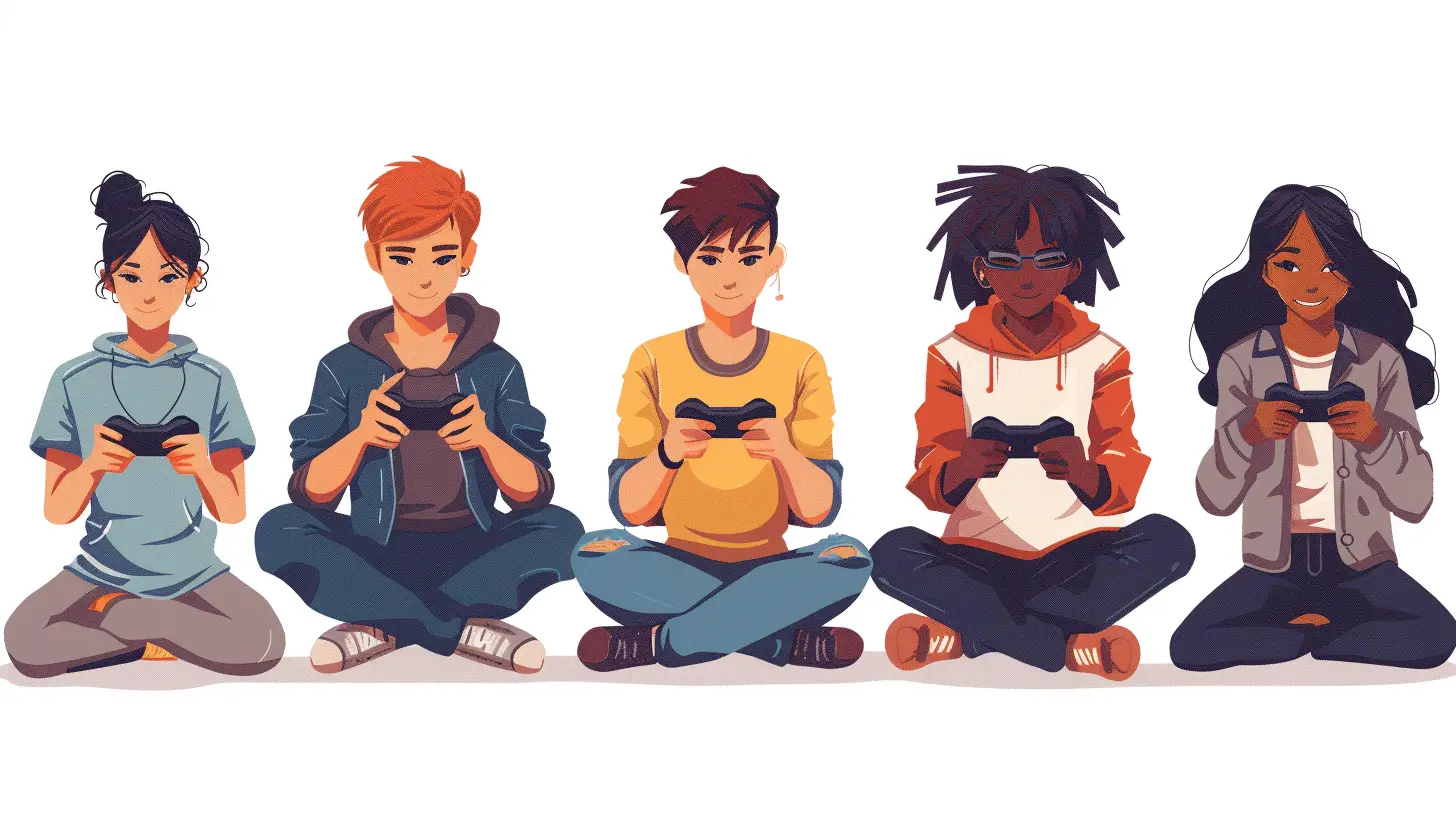
The Avatar Mirror: When Digital Reflects Reality
The deeper you dive into gaming, the more your avatar starts to reflect your real-world personality. You might notice patterns: always choosing leaders, or favoring stealthy underdogs. That’s not random—it’s you.1. What Your Choices Say About You
Character customization? That's introspection in disguise. Every detail, from your avatar’s hairstyle to their moral alignment, says something about you.- Choose a pacifist path in a violent game? You value peace, even when it’s hard.
- Always side with rebels in games? Maybe you’re a nonconformist IRL too.
- Obsessed with archery or stealth? Perhaps you prefer quiet precision over brute force.
Think of avatars as digital inkblots. They reveal patterns, choices, and identities you might not have even noticed about yourself.
2. Online vs. Offline Self
Some argue that gaming avatars are just fantasy—pure escapism. But often, our fantasy self blends with our real self. The more time we spend with our avatars, the more we become them, and vice versa.In a way, your avatar is both who you are and who you want to be. And that’s beautifully human.
Multiplayer Magic: Finding Belonging Through Avatars
Another huge part of purpose and identity? Belonging. And in the gaming world, avatars are your social passport.1. Communities Within Games
Guilds, clans, squads—these aren’t just groups of gamers. They’re often surrogate families. Your avatar becomes your face in that digital society, and the bonds you form can be just as strong as “real-life” friendships. Sometimes stronger.Working together toward goals, helping each other level up, or just hanging out in a virtual tavern—these shared experiences build connections. And when people accept your in-game self, they often accept the real you too.
2. Accessibility and Inclusion
Gaming avatars also level the playing field for many who feel marginalized in the real world. In-game, it doesn’t matter if you're in a wheelchair or struggle with anxiety—you can still be a hero. That’s powerful.For many, playing games is the first time they feel truly seen—not in spite of who they are, but because of it.
Challenges and Caveats: When Avatars Become a Crutch
Now, let’s not ignore the flip side. While avatars can be empowering, there’s also the risk of over-identifying with them.It’s all about balance.
1. Digital Dissociation
Spending too much time in a virtual body can sometimes cause us to disconnect from our real one. Escaping into a fantasy world feels good—too good, sometimes. If life outside the screen gets neglected, that’s a red flag.It’s important to use avatars as tools for growth, not walls to hide behind.
2. Toxic Identity Reinforcement
Unfortunately, not all digital communities are safe. Avatars can also be used to reinforce negative identities—trolls, griefers, or toxic leaders who use their persona to harm others.In those cases, the avatar hides true accountability. That’s where real-life values have to step in.
Moving Forward: Designing the Avatar You Want to Be
So, what does this all mean for you?It means next time you sit down to create a character, take a second. Think about what choices you’re making and why. Are you trying something new? Repeating old patterns? Expressing something you couldn’t say out loud?
Avatars are more than pixels. They’re digital masks we wear to reveal what’s underneath.
1. Intentional Character Creation
Start being mindful with your avatars. Choose traits that align with your goals—confidence, kindness, leadership. Treat the character like a vision board.Before you know it, those traits will start spilling over into your daily life.
2. Use Gameplay to Reflect and Grow
Ask yourself the tough questions after each gaming session:- Why did I choose that path?
- What felt good or uncomfortable about that choice?
- Did this experience teach me anything new about myself?
Self-reflection, even in games, is just another form of self-care.
Final Thoughts
Gaming is no longer just a hobby—it’s a form of self-discovery. The avatars we create aren’t just for fun; they’re symbolic, emotive, and revealing. They help us try on different identities, find purpose in play, and even pave the path to self-acceptance.So the next time you’re customizing your character or choosing your class, remember: you’re not just building an avatar. You might be building you.
And that’s the greatest quest of all.
all images in this post were generated using AI tools
Category:
Gaming And Mental HealthAuthor:

Whitman Adams
Discussion
rate this article
1 comments
Cassandra Lamb
Great insights! Gaming avatars truly shape our identities.
May 19, 2026 at 4:26 AM
Whitman Adams
Thanks for your feedback! I'm glad you found the insights valuable. It's fascinating how avatars can reflect and influence who we are.