From Scrolls to Spells: Magic Systems that Redefine RPG Gameplay
4 February 2026
Magic.
Just the word alone is enough to stir the imagination. From ancient spellbooks to flashy fireballs, magic has always been the lifeblood of the role-playing genre. Whether you're summoning elementals or weaving time-bending illusions, there’s something wildly satisfying about slinging spells in an RPG.
But with so many RPGs out there, not all magic systems are created equal.
Some are predictable. Point, click, cast, repeat.
Others? They rip up the rulebook, toss it into a dimensional rift, and rewrite the entire system—creating new ways you interact with the game world, your character, and even the enemies you battle.
So today, we're diving wand-first into the most creative, jaw-dropping, soul-tingling magic systems that have completely redefined RPG gameplay.
Ready your spell slots—this one’s going to be enchanting.
What Makes A Magic System Stand Out?
Before we head into the fantastical forests of unforgettable sorcery systems, let’s ask the obvious:What actually makes a magic system great?
It isn’t just flashy effects or colorful spell names. A truly legendary system does three key things:
1. It Makes You Think – You don’t just spam magic; you strategize, adapt, and sometimes even experiment with wild combos.
2. It Feels Powerful Without Being Overpowered – You get that rush of power, but without steamrolling every kobold in your path.
3. It Tells a Story – Yep, even magic systems have lore and vibes. A great system reflects the game’s world and culture.
Now, with that spell formula in place, let’s jump into the iconic and innovative systems that have stood the test of time (and mana).
1. The Classic Arcane Codex: "The Elder Scrolls" Series
It’s impossible to talk about RPG magic without giving a nod to The Elder Scrolls.From Morrowind to Skyrim, Bethesda’s sprawling fantasy worlds have let players walk the fine line between court wizard and chaotic sorcerer.
What makes the magic click here?
- Freedom. Want to summon a Daedra while setting enemies ablaze and healing yourself mid-fight? Go for it.
- Spellcrafting (R.I.P., Morrowind & Oblivion-style). Once upon a time, you could literally create your own spells from scratch—combining effects, tweaking durations, and becoming the architect of your own arcane arsenal.
- Schools of Magic. Divided across themes like Destruction, Restoration, Alteration, and Illusion, each school felt distinct and specialized.
Skyrim scaled things down a bit, but there’s no denying the buzz of dual-wielding spells or launching a Fus Ro Dah across a snowy mountaintop.
2. Chaos, Control, and Combinations: "Divinity: Original Sin 2"
Larian Studios didn’t just build a great game—they built a sandbox of magical experimentation.Magic in Divinity: Original Sin 2 isn't just about casting from a hotbar. It’s about reading the battlefield, exploiting the environment, and crafting outrageous outcomes.
- Elemental Interactions. Cast a rain spell, then zap that puddle with lightning. Voilà—everyone is stunned. Or freeze the water. Or remove it. Or curse it.
- Status Effects That Stack and Matter. Burning, shocked, entangled—these aren’t just eye candy. They change tactical decisions constantly.
- Source Points = Ultimate Power. Want to harness "God" tier abilities? You’ll need Source Points—rare, powerful, and a bit of a moral conundrum to acquire.
Every combat encounter feels like a magic-themed puzzle, and the freedom to approach it however you like makes each victory feel earned.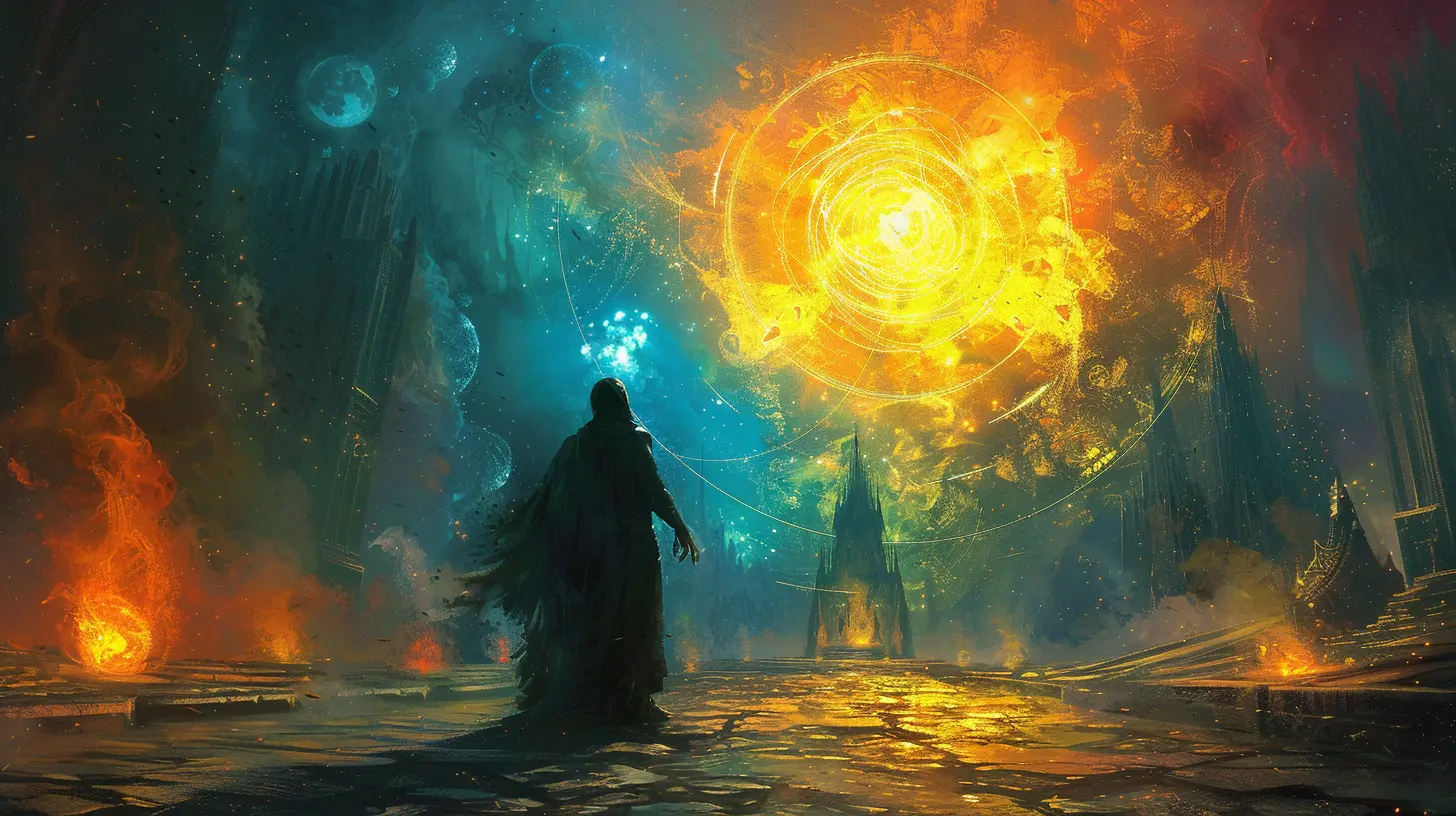
3. Rituals and Runes: "Dragon Age: Inquisition"
BioWare's "Dragon Age" franchise has had a rocky relationship with magic. But "Inquisition" really sharpened the wand, so to speak.- Magic Schools Meet Class Identity. Mages aren't just glass cannons—they can be Ice Archons, Spirit Healers, or Warp-Dimension Specialists.
- Specializations Change Everything. Want to become a Necromancer and hurl ghostly horrors at your foes? Or maybe a Rift Mage who manipulates space and time?
- Lore-Driven Spellcasting. In Thedas, magic is feared, regulated, and deeply tied to demonic possession. That narrative weight makes every spell feel… dangerous.
You can taste the risk and power in every spell, and when you finally chain together a series of status effects to detonate a combo, it’s chef’s kiss.
4. The Vancian Legacy: "Baldur’s Gate 3" (and D&D Systems)
Let’s take a moment to honor the granddaddy of structured magic: Dungeons & Dragons.And with "Baldur’s Gate 3", Larian strikes again—this time translating the tabletop’s infamous Vancian magic system for digital adventurers.
- Spell Slots vs. Spell Points. Instead of mindlessly casting, you have limited uses per spell level. Planning becomes half the fun.
- Prepared vs. Known Spells. Want flexibility? You’ll need to think ahead. Choose wisely, or find yourself in a dragon fight with nothing but “Feather Fall.”
- Cantrips = Free Candy. Unlimited-use spells keep you in the fight even when slots are gone.
The system embraces the strategy and mystique of old-school magic, while BG3 adds its own flair with environmental effects, surfaces (hello, Grease + Fireball combo!), and dynamic interactions.
5. Spellweaving in Real-Time: "The Witcher 3: Wild Hunt"
Okay, Geralt isn't exactly your typical wizard. He’s more of a grumpy monster-hunting swordsman with a side of magic.But the way "The Witcher 3" integrates signs (its version of magic) into real-time combat is brilliant.
- Quick Cast Signs. You can trigger magic mid-sword swing without breaking flow.
- Signs That Matter. Aard can knock enemies off cliffs. Igni can ignite flammable armor. Quen can literally save your life.
- Mutations Expand Magic. Late-game upgrades turn your basic spells into full-blown chaos machines.
It’s not about flashy spellbooks; it’s about fast, punchy, and precise magical tools that amplify your deadly dance.
6. Magic As Technology: "Arcanum: Of Steamworks and Magick Obscura"
What happens when magic and science don’t get along?You get Arcanum—a cult-classic RPG where using both tech and magic affects your character's abilities and standing in the world.
- Tech vs. Magick. Your level of affinity with one physically repels or empowers the other.
- Societal Impacts. Some NPCs fear magic. Others embrace it. This choice reshapes not just you, but the world.
- Spellcrafting Meets Steampunk. Summon a golem or tinker with a Tesla staff—it’s a battle of ideologies.
It’s deep, it’s dense, and it’s unlike anything out there.
7. Draw Systems and Limit Breaks: "Final Fantasy VIII"
Controversial? A little. Unique? 100%.Instead of learning spells and replenishing MP traditionally, FFVIII has you steal spells from enemies and stockpile them in your inventory.
- Junction System. Equip your spells to stats. The more powerful the spell, the more it boosts your HP, STR, etc.
- Draw Mechanic. You don’t just cast—first, you siphon the magic from enemies or draw points.
- Risk/Reward System. Want to unleash Ultima? It might nerf your stats if you've used too many up.
Sure, it’s complex and a little grindy, but it changed how we thought about magical resources, and that’s worth a nod.
8. Wild Magic and Chaos: "Chaos Reborn"
Designed by the creator of X-COM, Chaos Reborn is a tactical spell-slinging game where uncertainty is part of the fun.- Probability-Based Magic. Every spell has a success chance.
- Bluffing Mechanics. Summon illusions to trick your foes. Are they real? Only time (and a Disbelieve spell) will tell.
- Realm Management and Godhood. Oh yeah—you can ascend and become a deity, influencing worlds below.
It’s a hybrid of chess and wizardry that thrives on unpredictability. Sometimes losing is more fun than winning.
9. Rune-Magic and Gesture-Casting: "Black & White" and "Arx Fatalis"
Ever want to literally draw your spells?Both "Black & White" and "Arx Fatalis" made you trace symbols to cast magic.
- Spellcasting Feels Physical. You’re not just clicking. You're crafting each spell with your own hands (or mouse).
- Immersion Is King. Miss a line? Spell fails. You’ll feel like a real apprentice struggling to master their grimoire.
- Engagement Over Efficiency. Slow? Maybe. Memorable? Absolutely.
This kind of tactile magic brings a whole new dimension to the experience, even if it sometimes leads to more fizzling than fireballs.
10. Player-Driven Magic Rules: “Magicka”
Let’s wrap this up with one of the most chaotic and hilarious takes on magic ever."Magicka" throws the rulebook out the window and slaps a bunch of magic elements into your keyboard.
- Combine Elements Freely. Water + Cold = Ice. Fire + Earth = Flaming boulder. You get the idea—10,000+ combos.
- Friendly Fire Is Real. Accidentally nuking your co-op partner is basically a rite of passage.
- Timing and Memory. You gotta remember those combos and execute them fast.
It’s frantic, it’s experimental, and oh boy, is it fun.
Why These Systems Matter
Magic isn't just a tool in these games—it’s the flavor, the friction, and the fantasy.From the strategic layering in Divinity to the tactile wonder in Arx Fatalis, magic systems elevate gameplay by making you feel connected to the arcane arts. These aren’t mere mechanics. They’re experiences, crafted with purpose and passion.
So the next time you fire up an RPG, don’t just skip to the fireball.
Play around. Experiment. Discover how the game lets you rewrite the rules of reality.
Who knows? You might just find a new favorite spell—or become the next Archmage of Explosive Innovation.
all images in this post were generated using AI tools
Category:
Fantasy RpgsAuthor:

Whitman Adams
Discussion
rate this article
2 comments
Pierce Riley
This article offers an insightful exploration of how evolving magic systems have transformed RPG gameplay. By examining the interplay between lore and mechanics, it highlights innovative designs that enhance player agency and creativity, ultimately redefining the user experience in role-playing games. A must-read for enthusiasts.
February 7, 2026 at 5:36 PM
Whitman Adams
Thank you for your thoughtful comment! I'm glad you found the exploration of magic systems and their impact on RPG gameplay insightful. Your enthusiasm means a lot!
Wyatt McInerney
“Magic systems in RPGs are like pizza toppings: everyone has their favorite, but some combos just leave you scratching your head. Who thought pineapple and spells could mix? Here’s to hoping for more flavorful magic that doesn’t come with a side of confusion! 🍕✨”
February 7, 2026 at 4:31 AM
Whitman Adams
Absolutely! Just like pizza, a well-crafted magic system enhances the experience. Let’s keep experimenting for the perfect blend! 🍕✨