Games That Took Unexpected Creative Risks
1 May 2026
Let’s be honest—most games follow a familiar formula. You’ve got your typical action-adventure structure, your predictable RPG tropes, and your by-the-numbers shooters. It’s comfortable, sure. But sometimes, a game comes out of nowhere and says, “Nah, we’re doing things differently.” These are the games that take risks—bold, sometimes bizarre, creative leaps that could either crash and burn or rise to legendary status.
And guess what? Some of them actually pull it off.
In this article, we’re diving deep into those amazing outliers—the games that flipped the script, tore up the rulebook, and dared to be different. Ready for a wild ride through gaming's boldest moves? Let’s go!
Why Creative Risks Matter in Games
Before jumping into the list, let’s talk about why these creative risks are such a big deal.When a studio goes off-script, it’s a gamble. They’re risking their reputation, financial stability, and maybe even their fanbase. But if that risk pays off? They don’t just make a good game—they change the conversation. They inspire other developers, shake up tired genres, and remind us that gaming isn't just about explosions and loot drops—it’s about imagination.
Taking creative risks in game development is like being the first person to bring pineapple to a pizza party. Most people are skeptical at first... but then they take a bite, and boom—mind blown.
1. Undertale — Making Kindness a Game Mechanic
Toby Fox’s indie darling "Undertale" is a pixelated RPG that completely shattered expectations. You’d think, with its old-school graphics and turn-based combat, it would just be another retro tribute. Nope.What made "Undertale" such a wild card was the option to complete the game without killing a single enemy. Instead of grinding levels and obliterating monsters, you could talk to them. Comfort them. Even date them, kind of. The game literally read your behavior and adjusted itself accordingly, breaking the fourth wall like it didn’t even care.
That twist? Genius. It made players question the very nature of violence in video games and proved that gameplay can be just as emotionally resonant as story.
2. Death Stranding — The Walking Simulator We Didn't Know We Needed
Hideo Kojima is no stranger to weirdness, but when he dropped "Death Stranding," everyone scratched their heads. A game about delivering packages across a post-apocalyptic America, as a character played by Norman Reedus, with a baby strapped to your chest? Seriously?And yet—it worked. Sort of. Once players got past the slow start and the bizarre plot (don't even ask about the ghost goo), they found something unexpectedly profound. It wasn't about action—it was about connection. Building bridges (literal and metaphorical), leaving behind tools to help other players, struggling together through isolation.
It was bold, it was strange, and it was pure Kojima. Whether you loved it or hated it, you couldn’t forget it.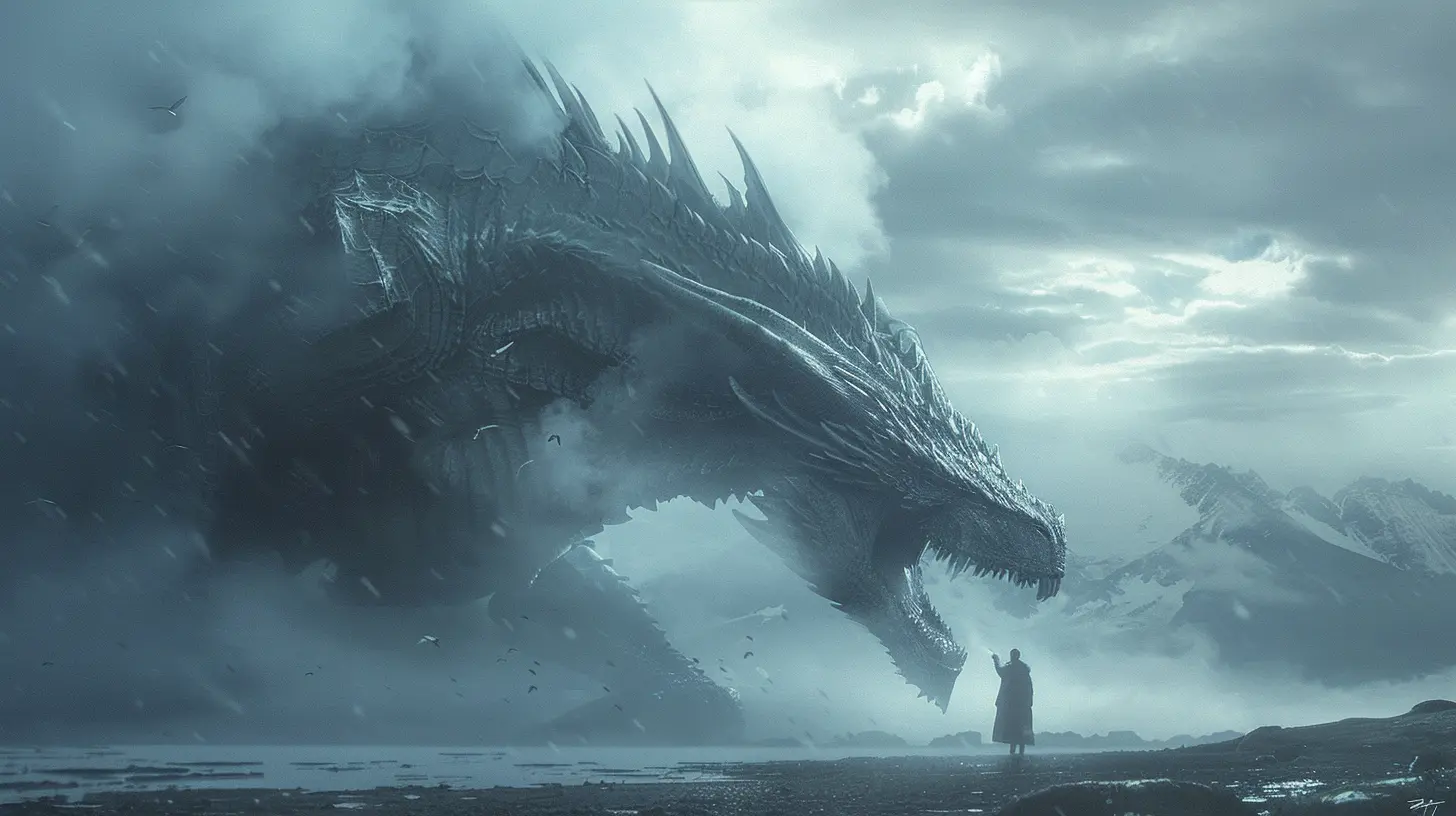
3. The Stanley Parable — A Game About... Games?
Ever wonder what it’d be like if a video game trolled you constantly? Enter "The Stanley Parable." This indie title turns narrative structure on its head. You play as Stanley, an office worker in an empty building, following (or defying) the voice of a narrator who narrates your every move.What makes this game truly brilliant is how it plays with agency. Do you follow the narrator’s instructions? Or go rogue, just to see how he reacts? It’s meta, it’s philosophical, and it’s hilarious. And it dares to ask: In games, are we actually making choices, or are we just following a script?
"The Stanley Parable" doesn’t just break the fourth wall—it builds a fifth wall and dances on it.
4. Celeste — Platforming With Purpose
At first glance, "Celeste" looks like another tough-as-nails platformer, à la "Super Meat Boy." But dig a little deeper, and it reveals a deeply personal story about mental health, anxiety, and self-discovery.The kicker? The gameplay and narrative are completely intertwined. Every grueling jump, every failed attempt, mirrors the main character’s internal struggle. It’s not just about reaching the top of a mountain. It’s about learning to cope, to persist, to embrace your demons rather than fight them.
Few games are brave enough to tackle such heavy topics—especially through gameplay mechanics. "Celeste" nails it with heart and soul.
5. Papers, Please — Bureaucracy as a Gameplay Hook?
On paper (pun intended), a game about being an immigration officer at a fictional communist border shouldn’t be fun. But "Papers, Please," created by Lucas Pope, turns it into one of the most compelling moral experiences in gaming.You’re managing documents, checking passports, and deciding who gets to enter a country. Sounds boring, right? Nope. Every decision weighs on you. Do you follow the rules, or bend them to help a desperate refugee? Do you take a bribe to feed your family? The tension is constant, and the game makes you feel the pressure of real-world ethics in a way few other titles do.
It’s not flashy. It’s not fast-paced. But it’s unforgettable.
6. Journey — Silent, Sublime, and Soulful
"Journey" is basically the anti-blockbuster. No dialogue. No combat. No HUD. Just you, a mysterious robed figure, gliding through a gorgeous desert toward a glowing mountain.And yet, it speaks volumes.
What makes "Journey" special is how it connects you with other players—silently. You can’t chat or send messages, but you can help each other. Sometimes, that invisible bond with a faceless stranger becomes more meaningful than anything in a multiplayer shooter.
It’s poetic, it’s emotional, and it was a massive risk in a market dominated by fast-paced action. But it paid off in spades.
7. Inside — A Wordless, Grimly Beautiful Puzzle
From the creators of "Limbo," "Inside" took the "less is more" philosophy to new heights. It’s dark. It’s eerie. And it doesn’t explain a damn thing.No text, no tutorial, no objective markers. You stumble through a haunting world full of creepy experiments and twisted surprises. The ending? Let’s just say it’s one of the most hotly debated WTF moments in gaming history.
But that’s the beauty of it. "Inside" trusts the player to figure things out—and respects their intelligence enough not to spoon-feed answers. That’s a risk, and a rare one at that.
8. BioShock Infinite — Shooting, Time Travel, and Existential Crises
Let’s be real: Following up the original "BioShock" was always going to be tough. But when "Infinite" came out in 2013, it didn’t just try to replicate its predecessor. It boldly veered off into philosophical territory.Sure, there were guns, skyhooks, and Elizabeth's prophetic powers. But beneath the surface, the game tackled American exceptionalism, racism, quantum physics, and multiverse theory. Heavy stuff, all wrapped up in an FPS package.
Some players loved the deep narrative and social commentary. Others felt overwhelmed. But there’s no denying "Infinite" took a creative swing that few AAA games would dare to.
9. NieR: Automata — Existential Dread With Killer Combat
Square Enix’s "NieR: Automata" is what you’d get if you tossed philosophy, bullet hells, hack-and-slash combat, and sexy androids into a blender and hit “turbo.”Yoko Taro, the game’s director, doesn’t play by the rules. "Automata" constantly shifts genres—from third-person action to 2D side-scrolling to full-blown shoot-‘em-up—without missing a beat. But the real kicker? You have to beat the game multiple times to truly understand the story. Not new game plus—actual complete narrative arcs.
It’s wild, it’s weird, and it's got more emotional punch than most dramas on Netflix.
10. Katamari Damacy — Roll Everything. Seriously.
If you haven’t played "Katamari Damacy," prepare to have your brain melted in the best way. The concept? You roll a sticky ball called a katamari around various environments, picking up objects. Little things at first—thumbtacks, pencils—but by the end, you’re rolling up entire buildings and continents.It’s absurd. It’s joyful. It’s unlike anything else.
Who greenlit this idea? No clue. But bless them for it. "Katamari" threw logic out the window and embraced pure, chaotic creativity. And sometimes, that's exactly what games need.
Risk + Creativity = Magic
Let’s not sugarcoat it—taking creative risks in game development is terrifying. There's pressure to stick with what's safe, what sells, and what guarantees a return on investment. But without those brave developers willing to roll the dice, the gaming world would be a much duller, more predictable place.The games on this list didn’t just break the mold—they shattered it. And in doing so, they reminded us why we fell in love with games in the first place: for the surprises, the innovation, and the experiences that leave a mark long after the credits roll.
So next time you try a game that feels kinda weird or offbeat? Stick with it. You might just be witnessing the next big creative leap.
all images in this post were generated using AI tools
Category:
Gaming ReviewsAuthor:

Whitman Adams
Discussion
rate this article
2 comments
Margaret Bryant
This article highlights some truly fascinating choices in the gaming world. It's inspiring to see developers willing to take creative risks that challenge conventions. These bold moves often lead to unique experiences that can redefine genres and delight players. Thanks for shedding light on these innovative titles!
June 7, 2026 at 3:58 AM
Porter Kim
Creative risks are what make gaming thrilling. The bold choices in these games defy conventions, challenge norms, and prove that innovation often leads to unforgettable experiences.
May 1, 2026 at 4:06 AM
Whitman Adams
Absolutely! Those bold moves not only redefine gameplay but also push the entire industry forward. It's exciting to see where creativity can lead us next.