Gaming Burnout and How to Prevent It
8 December 2025
We've all been there—you’ve been grinding for hours, powering through quests, chasing rankings, or trying to improve your K/D ratio. But suddenly, gaming doesn’t feel fun anymore. That spark? It's gone. Your favorite hobby starts to feel like a chore. Welcome to the not-so-glamorous world of gaming burnout.
Burnout isn't just something 9-to-5 office workers deal with. Gamers, content creators, streamers, and even casual players can hit a wall too. Let’s dive deep into what gaming burnout really is, how to spot it before it hits full force, and most importantly—how to prevent it so you can keep gaming fun and fulfilling.
What Is Gaming Burnout?
Imagine trying to force your way through a game like it’s an unpaid second job. No joy, no excitement, just obligation. That’s gaming burnout in a nutshell.Gaming burnout is a state of emotional, physical, and mental exhaustion caused by prolonged gaming sessions without adequate rest or balance. It can sneak up on anyone, whether you're a competitive player pushing leaderboards, a streamer trying to hit daily content goals, or a casual gamer who’s just been overdoing it.
Common Causes of Gaming Burnout
Let’s break down what’s usually to blame:- Overplaying: Playing for hours on end without giving yourself a break.
- Pressure to win or perform: Ranked modes, tournaments, or keeping up with friends' skill levels.
- Repetition: Grinding the same missions, dailies, or battle passes until they become mind-numbing.
- Streaming or content creation fatigue: Turning something fun into constant content output.
- Neglecting balance: Ignoring other aspects of life—social time, exercise, sleep—for gaming.
Signs You're Experiencing Burnout
Burnout doesn’t always hit like a truck. Sometimes, it's a slow trickle. Here’s how to tell that you might be hitting that wall:1. You’re Forcing Yourself to Play
If booting up your favorite game feels like dragging yourself out of bed for jury duty, that’s a red flag. If you're telling yourself, "I should play," instead of "I want to play," something's off.2. You Feel Irritable or Frustrated Easily
Used to laugh off silly in-game deaths or bugs? Now they make you want to punch your monitor? Yeah, that rage might not be about the game—it could be burnout talking.3. You’re Not Enjoying the Wins
Even when you win, it feels hollow. That rush you used to get after a victory? Gone. That’s a telltale sign.4. Physical Fatigue or Headaches
Too much screen time, poor posture, no breaks—it adds up. Fatigue, headaches, and even eye strain can creep in, making gaming uncomfortable or even painful.5. Other Areas of Life Are Being Neglected
Are your social life, relationships, or responsibilities taking a back seat to gaming? Burnout often comes with imbalance.
Why Burnout Matters
Burnout isn’t just a problem for your mental health—it affects your gameplay too! Reaction times lag, decision-making gets sloppy, and your overall performance dips. But it also steals the joy, the whole reason you started gaming in the first place.And if you're a content creator or streamer, burnout can alienate your audience. It's hard to hide when you're mentally checked out. Authenticity sells, and people can tell when you’re not feeling it.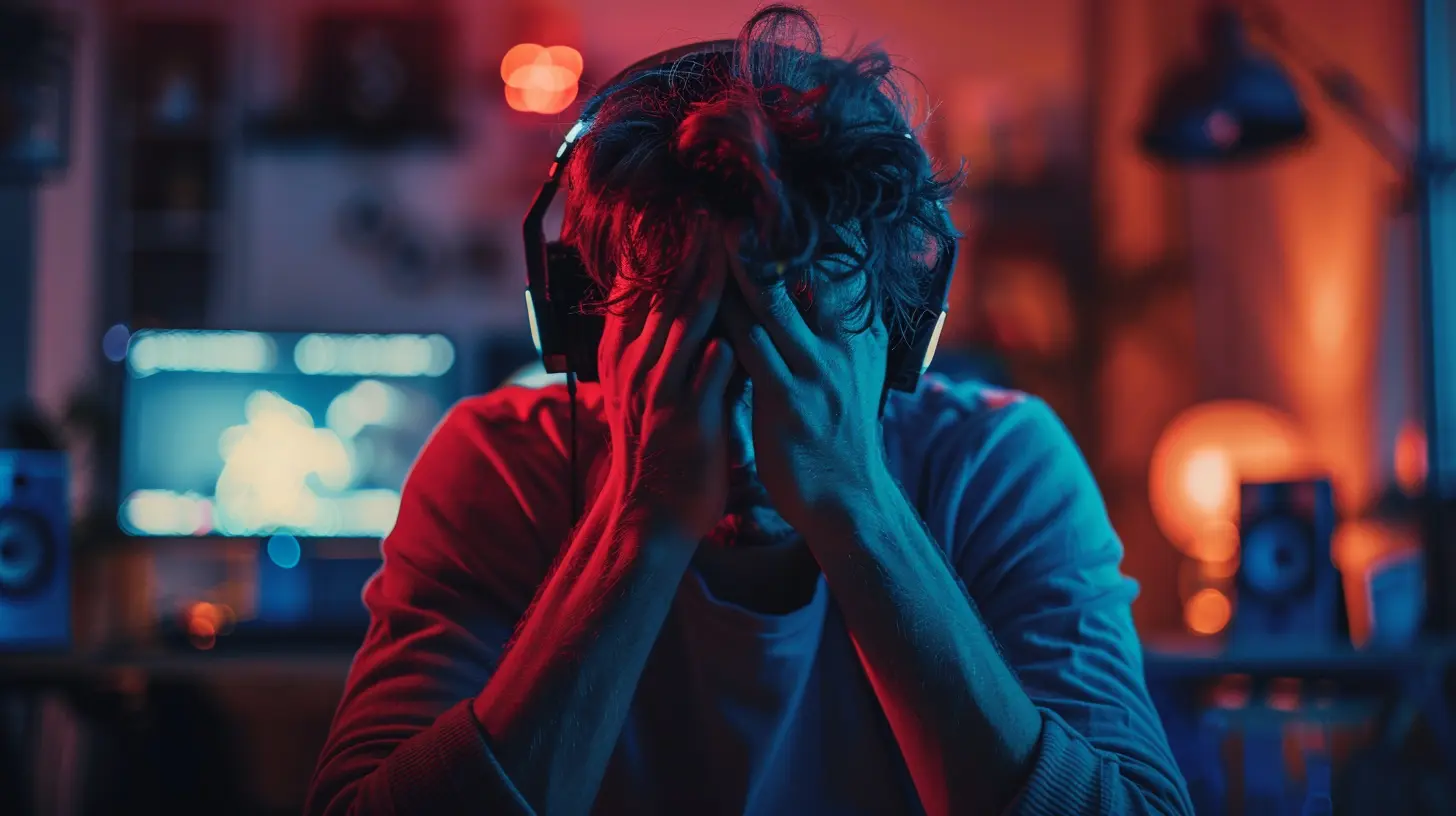
How to Prevent Gaming Burnout
Okay, enough doom and gloom. Now let’s talk damage control—and better yet, prevention. Here are some solid, practical ways to stop burnout before it starts or rein it in if you're already in the weeds.1. Set Realistic Playtime Boundaries
Yeah, gaming is fun—but it shouldn't eat your whole day. Use alarms, break timers, or even that handy ol’ smartphone to remind you when it's time to step away.Start with this simple trick: Limit your gaming sessions to 1-2 hours, max. Then force a 30-minute break—go stretch, eat, chat with someone IRL. Just... be human again.
2. Mix Up Your Game Library
Stuck in the same FPS grind or farming the same RPG dailies? No wonder you’re bored. Switch genres. Try a cozy game like Stardew Valley if you're usually into shooters. Play a narrative game if you’re always online. It’s like switching from heavy metal to jazz—sometimes, your brain just needs a different tempo.3. Play With (or Against) Friends
Gaming with friends provides emotional connection, laughter, and often some needed perspective. Even trash-talking in a casual match or teaming up in a co-op can freshen things up.Social gaming can make even dull games more bearable—because you're sharing the experience. Just be careful not to get stuck people-pleasing or matching their schedules at the cost of your own rest.
4. Take Mental Health Breaks
Don’t just take a break from your console; take a break to do something for your brain. Go for a walk. Meditate. Call a friend. Cook something. The goal here is to remind your mind that life is bigger than your Steam backlog.Also, don’t ignore symptoms of depression, anxiety, or chronic stress. Sometimes, gaming burnout is a symptom of deeper issues.
5. Avoid Turning Gaming Into a Grind
Daily rewards, battle passes, ranking ladders—it’s easy to get caught in the hamster wheel. And while chasing these is okay in moderation, if it becomes about obligation over fun, you’ve crossed into burnout territory.Remember: it’s a game, not a job. Let yourself skip a daily login. Miss a weekly challenge. The world won’t end.
6. Practice "Active Rest"
Active rest means doing something restorative instead of just replacing gaming with another screen. Instead of swapping the PS5 for your phone, try something that actually recharges your batteries—exercising, journaling, drawing, or just daydreaming.You’re not a robot; you need real downtime.
7. Keep Your Setup Comfortable
Sometimes, burnout is subtly triggered by physical discomfort. A stiff chair, poor lighting, or a janky headset can tire your body, which in turn drains your brain.Invest in a better chair. Adjust your lighting. Use blue light filters. Keep water nearby. Little things make a big difference.
8. Redefine Progress
Not every gaming session has to be productive. You don’t need to rank up, clear a level, or beat a boss every time. Sometimes, it’s more rewarding just to explore, free-roam, or goof around.Redefine your "wins." Did you laugh? Relax? Try something new? Congrats—you made progress.
9. Reflect on Your "Why"
Why did you start gaming in the first place? Escape? Entertainment? Bragging rights?Whatever your “why” is—reconnect with it. If your current routine doesn’t match that original purpose, it’s time to adjust course.
Special Tips for Streamers & Content Creators
For creators, the line between work and play is practically invisible. Here’s how to keep your passion alive without burning out:- Batch content: Record or stream in chunks so you're not constantly on the grind.
- Schedule off-days: Yes, even if your audience “expects” you. They'll understand.
- Play off-stream: Enjoy gaming without worrying about the camera or metrics.
- Switch to variety content: Burnout often comes from overplaying one title for clout. Mix it up!
When To Take a Longer Break
Sometimes, gaming burnout is so deep that short breaks won’t cut it. That’s when you go for the full detox.A longer gaming break—think a week, two weeks, even a month—can reset your brain and help you fall in love with gaming all over again. During that time, fill your schedule with healthier habits. This isn’t punishment—it’s a palette cleanser for your mind.
And the best part? Games aren’t going anywhere. They'll be waiting when you're ready again.
Final Thoughts: Let Gaming Be Fun Again
Gaming is one of the most amazing ways to connect, relax, escape, and even grow. But when it starts feeling like an obligation or a performance, it’s time to pull the handbrake.Recognize the signs, set boundaries, shake things up, and take care of your real-life health. After all, the goal isn’t to escape life through gaming—it’s to make life a bit cooler by gaming.
So next time you feel that creeping fatigue or frustration, remember: it's okay to pause. Better to take a short break than to lose the love completely.
Go easy on yourself. Your save file—and your sanity—will thank you.
all images in this post were generated using AI tools
Category:
Gaming And Mental HealthAuthor:

Whitman Adams
Discussion
rate this article
3 comments
Georgia Wood
Great article! I’ve definitely felt the gaming burnout creeping in at times. It’s so easy to get lost in a game and forget to take breaks. I love the reminder to mix it up and find balance—gaming should be fun, not a chore! Thanks for sharing these helpful tips!
April 22, 2026 at 3:50 AM
Desiree Reilly
In a world where pixels ignite passion, the shadow of burnout lurks. What unseen forces drain our joy? Delve into the enigma of gaming fatigue and discover how to reclaim your spark before it vanishes into the void.
December 13, 2025 at 5:18 PM
Whitman Adams
Thank you for your insightful comment! It’s crucial to identify the unseen pressures of gaming that can lead to burnout. Our article explores practical strategies to help players reignite their passion and maintain a healthy balance.
Whitney Lambert
Gaming burnout often stems from overcommitment. Balance is key; prioritize self-care, diversify your gaming experiences, and embrace breaks to maintain enthusiasm and enjoyment in play.
December 10, 2025 at 4:18 PM
Whitman Adams
Thank you for your insightful comment! Balance and self-care are crucial for a healthy gaming experience. Embracing variety and taking breaks can indeed help prevent burnout.