How Console Generations Have Changed Over Time
31 December 2025
Let’s face it — gaming has come a long way. What once required inserting a literal cartridge and blowing on it (don’t act like you didn’t do it) has transformed into a multi-billion dollar industry with photorealistic worlds, online multiplayer battles, and controllers that vibrate when you get hit in the game. Console generations, in particular, have undergone some jaw-dropping changes over the years. It’s not just about better graphics — it’s about how gaming as a whole has either leveled up or completely revolutionized with each generation.
So, whether you’re a curious newcomer or a nostalgic gamer longing for the days of pixelated plumbers and overly complicated cheat codes, let’s dive into how console generations have changed over time.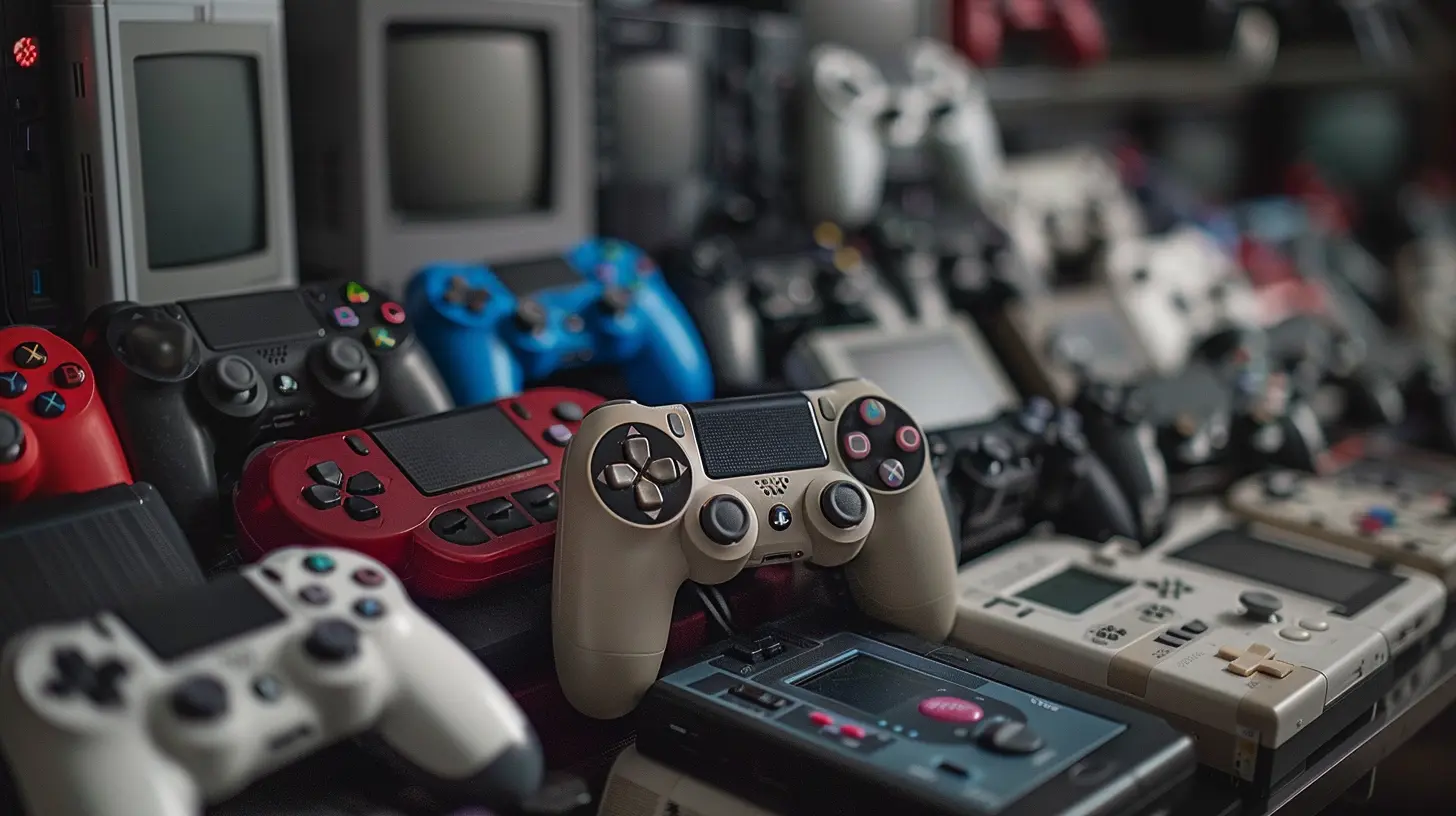
The Dawn of Gaming: The First Console Generation
Back in the 1970s, the very idea of playing video games in your living room seemed like something straight out of science fiction. Enter the Magnavox Odyssey, the granddaddy of all gaming consoles. It wasn’t flashy, and honestly, the games were… let’s call them “simple.” Pong-like games, with basic shapes for graphics, were the standard. But it was enough to spark a revolution.Here’s the thing — the first console generation wasn’t about blowing your mind with visuals or features. It was about showing you what was possible. It planted the seed for what would become a booming industry. That said, if you could go back in time and hand someone an Xbox Series X during the Odyssey era, I’m convinced their brain would actually explode.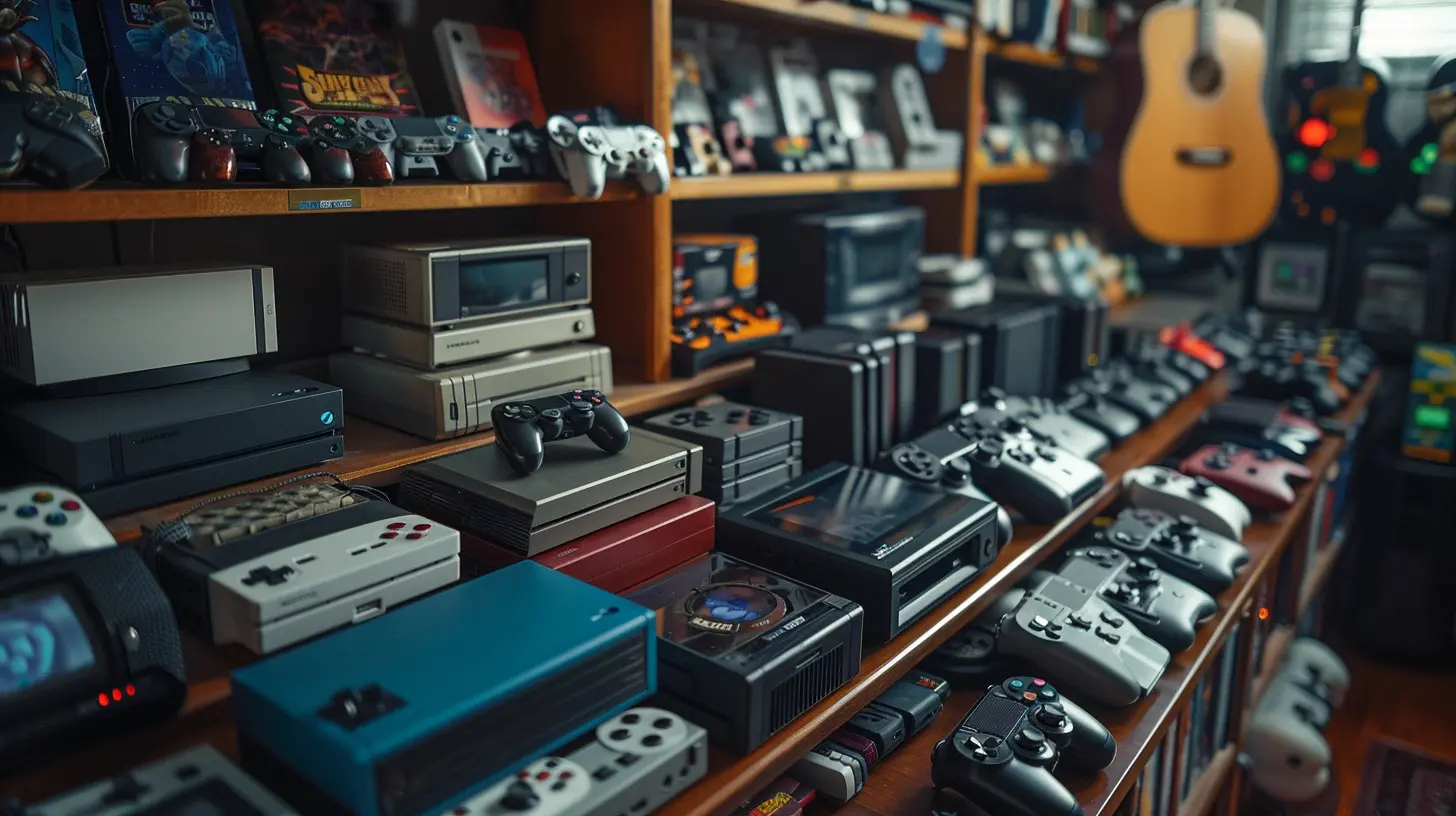
The Jump to 8-Bit: Graphics Get a Glow-Up
Fast-forward to the early 1980s, and the Nintendo Entertainment System (NES) arrived to save the gaming world from the crash of 1983. This was the second console generation, where games went from simple lines and dots to actual characters and environments. Mario looked like Mario (kind of), and Link began his journey through Hyrule with The Legend of Zelda.The hardware improved, but so did the storytelling. Games weren’t just distractions anymore — they started telling stories, creating worlds, and giving players a reason to keep coming back.
Oh, and let’s not forget about the controllers. The Odyssey had a weird paddle setup, but the NES introduced the now-iconic D-pad and two-button layout. It was simple but effective, much like the games themselves.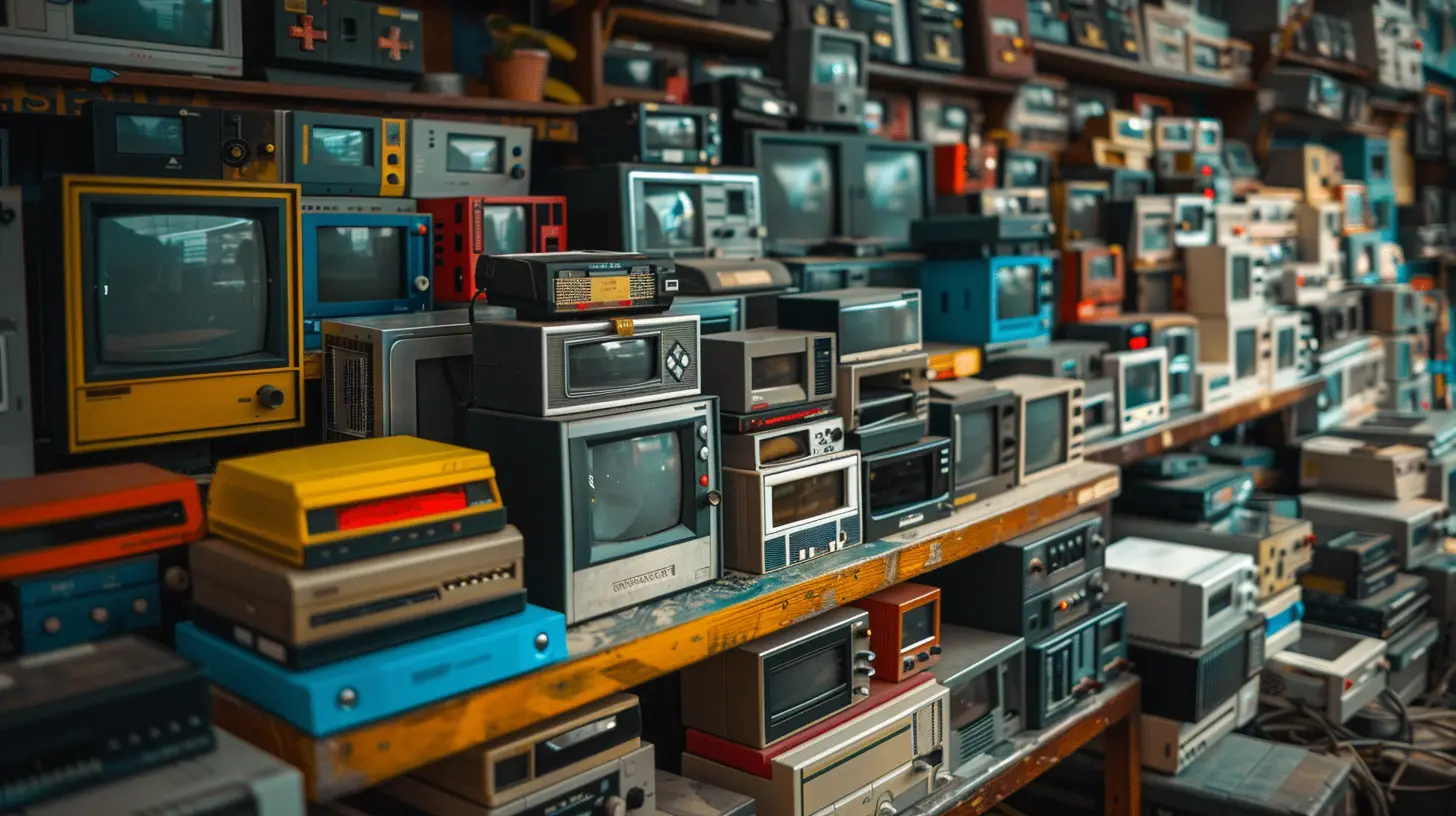
16-Bit Glory: The Rise of Gaming Rivalries
Ah, the 1990s — the era of the Sega Genesis vs. the Super Nintendo Entertainment System (SNES). This wasn’t just about playing games; it was about picking sides. Were you a Sonic fan or a Mario fan? Did you prefer the Genesis’ “blast processing” (whatever that was) or the SNES’ Mode 7 graphics that made racing games feel 3D?The third-generation consoles were all about pushing the technical boundaries. Suddenly, graphics were more vibrant, soundtracks were memorable (who doesn’t hum the Super Mario World theme now and then?), and games became a legitimate art form.
This era also introduced us to game cartridges that could actually save your progress. Remember the pain of starting from the beginning every time? Yeah, those days were mostly over.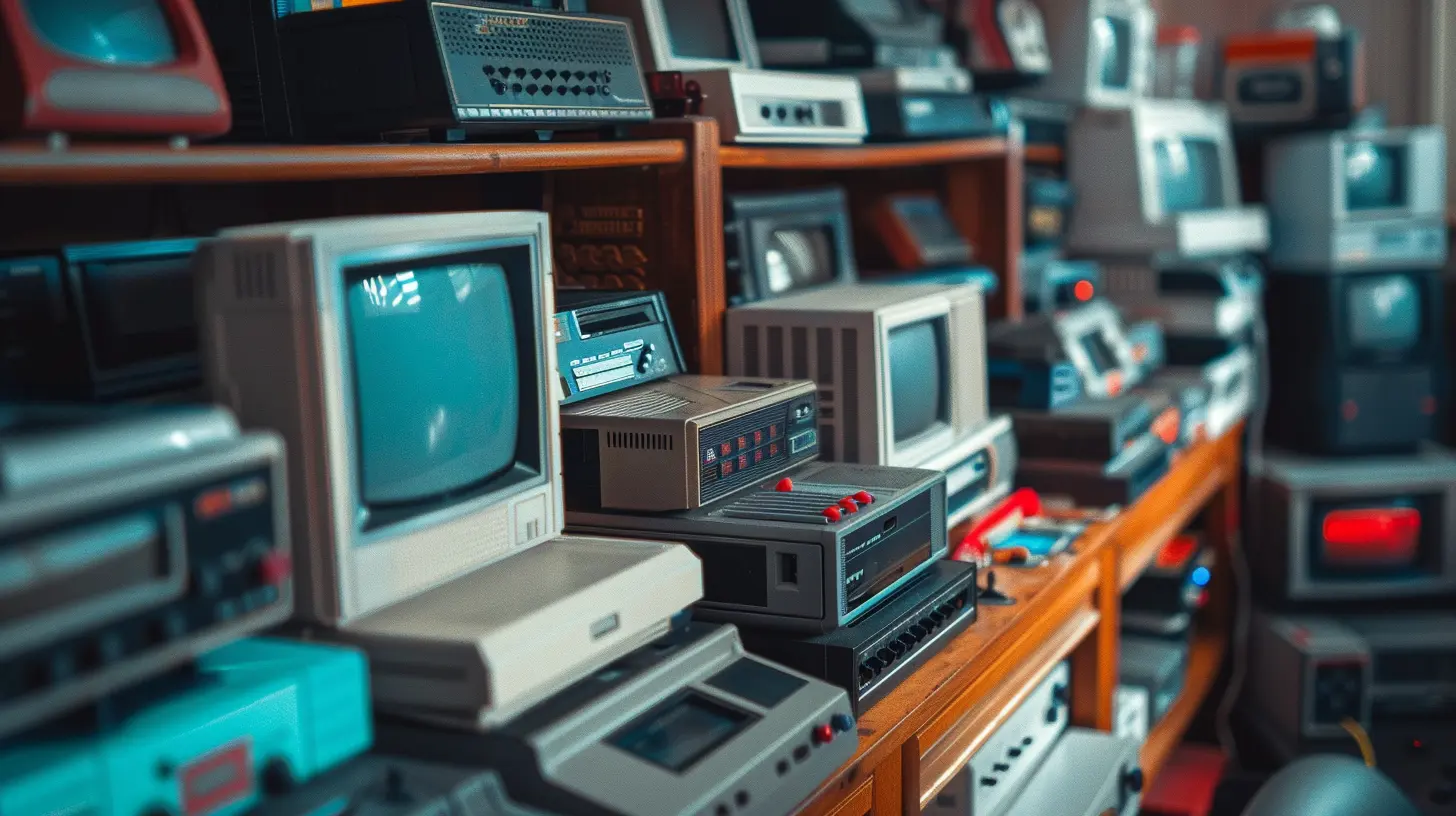
Enter 3D: The Era of Blocky Beginnings
When the Sony PlayStation and Nintendo 64 rolled out, gaming entered a whole new dimension — literally. The mid-1990s brought us into the fourth console generation, where 3D graphics took center stage and flat, 2D worlds were no longer the limit.Sure, looking back, the 3D characters were blocky (Cloud Strife’s polygonal head still haunts us), but at the time, it felt like magic. Who knew Mario could triple-jump and backflip in full 3D in Super Mario 64? And let’s not even get started on the immersive storytelling of games like Final Fantasy VII.
This era also gave us the birth of CDs instead of cartridges. CDs could hold more data, which meant bigger games, longer cutscenes, and actual voice acting. Everyone who heard “Stay a while and listen” in the original Diablo can attest to how wild that felt back then.
Online Play Takes Over: The Early 2000s
By the time the PlayStation 2, Xbox, and GameCube arrived, another big shift was underway. Graphics continued to improve — the PS2 especially flexed its muscles, becoming a staple in almost every gamer’s home. But the real game-changer? Online gaming.The Xbox introduced Xbox Live, bringing gamers from all over the world together to frag each other in Halo 2. It might not seem like a big deal now, but back then, playing with some dude named SniperWolf420 from halfway across the planet felt like a sci-fi dream come true.
Games also became darker and more mature this generation. Titles like Grand Theft Auto III weren’t just games; they were cultural phenomena. People started to see how gaming could rival movies and books in terms of emotional weight and storytelling.
HD Era: The Rise of Realism
When the Xbox 360, PlayStation 3, and Nintendo Wii hit the shelves, the gaming world got a massive glow-up. The fifth generation, also known as the HD generation, was all about making games look as realistic as possible. Characters had actual facial expressions, environments looked alive, and explosions? Oh, they definitely exploded.This was also the era where gaming became more accessible. The Wii, with its motion controls, brought gaming into living rooms that had never seen a console before. Even your grandma was swinging Wii remotes to knock down pins in Wii Sports.
But let’s not forget the added layers of complexity. This generation introduced downloadable content (DLC), microtransactions, and updates, meaning games could evolve over time. Sometimes it was a good thing (like adding new maps to Call of Duty), and sometimes… well, let’s just say there were growing pains.
The Modern Era: It’s All About Immersion
And now, here we are with the PlayStation 5, Xbox Series X|S, and Nintendo Switch. If you told someone during the NES days that one day you’d have a console that could play in 4K resolution and load massive open worlds in seconds, they’d probably laugh you out of the room.This generation is about pushing immersion to its limits. Ray tracing makes digital sunlight look real. SSDs make waiting times almost nonexistent. Controllers like the PS5’s DualSense even simulate textures and feedback.
But it’s not just about how games look and feel. It’s about how you can play them. Nintendo’s Switch lets you take AAA games on the go. Cloud gaming services like Xbox Game Pass let you stream dozens of titles without even downloading them. It’s less about the console itself and more about the ecosystem around it.
The Evolution of Gaming Culture
It’s not just the hardware that’s changed; it’s the people playing. Gaming isn’t just for kids anymore — it’s for everyone. From esports tournaments with million-dollar prizes to livestreams drawing millions of viewers, gaming has become a cultural force. People bond over games. Stories unfold. Communities grow.And the best part? The evolution of console generations isn’t slowing down anytime soon. The future will likely bring even crazier innovations, and I, for one, can’t wait to see what’s next.
Final Thoughts
Looking back, it’s wild to see how far console generations have come. From blocky pixels to lifelike visuals, from solo adventures to massive multiplayer worlds, gaming has transformed into something larger than life. Each generation wasn’t just a step forward in technology — it was a leap in how we experience stories, connect with friends, and lose ourselves in fantastical worlds.So, whether you’re reminiscing about blowing into NES cartridges or exploring vast open worlds on your PS5, one thing’s for sure: gaming will always find a way to level up.
all images in this post were generated using AI tools
Category:
Gaming ConsolesAuthor:

Whitman Adams
Discussion
rate this article
2 comments
Faenor Edwards
Oh, how nostalgic! Remember when consoles were just glorified pizza boxes? Now they’re basically tiny supercomputers. Can’t wait for the next generation—maybe they’ll finally make a console that remembers where I left my remote. Priorities, am I right?
January 11, 2026 at 5:17 PM
Whitman Adams
Absolutely! It’s fascinating to see how far consoles have come—who knows what innovations the next generation will bring? And yes, a remote-finding feature would be a game-changer!
Zarek Curry
Great article! It’s fascinating to see how console generations have evolved, shaping gaming culture and technology. From cartridges to digital downloads, each shift has brought new possibilities and challenges for developers and players alike. Excited to see what the next generation holds for us!
January 10, 2026 at 4:38 AM
Whitman Adams
Thank you! I'm glad you enjoyed the article. It's exciting to reflect on the evolution of gaming and the innovations yet to come!