How Game Ownership Is Changing in the Cloud Era
7 June 2026
Remember the good ol’ days when buying a game meant getting your hands on a shiny disc or cartridge? You’d unbox it with eager hands, smell that new-game scent (don’t judge), and proudly display your collection like a gamer’s treasure trove. Fast forward to today, and things have changed. A lot.
We’re in the middle of a gaming revolution, folks. One where cloud technology is completely flipping the script on how we “own” games. So, grab your favorite controller and let’s walk through the pixel-paved path of how game ownership is transforming in the cloud era. Spoiler alert: it’s a wild ride!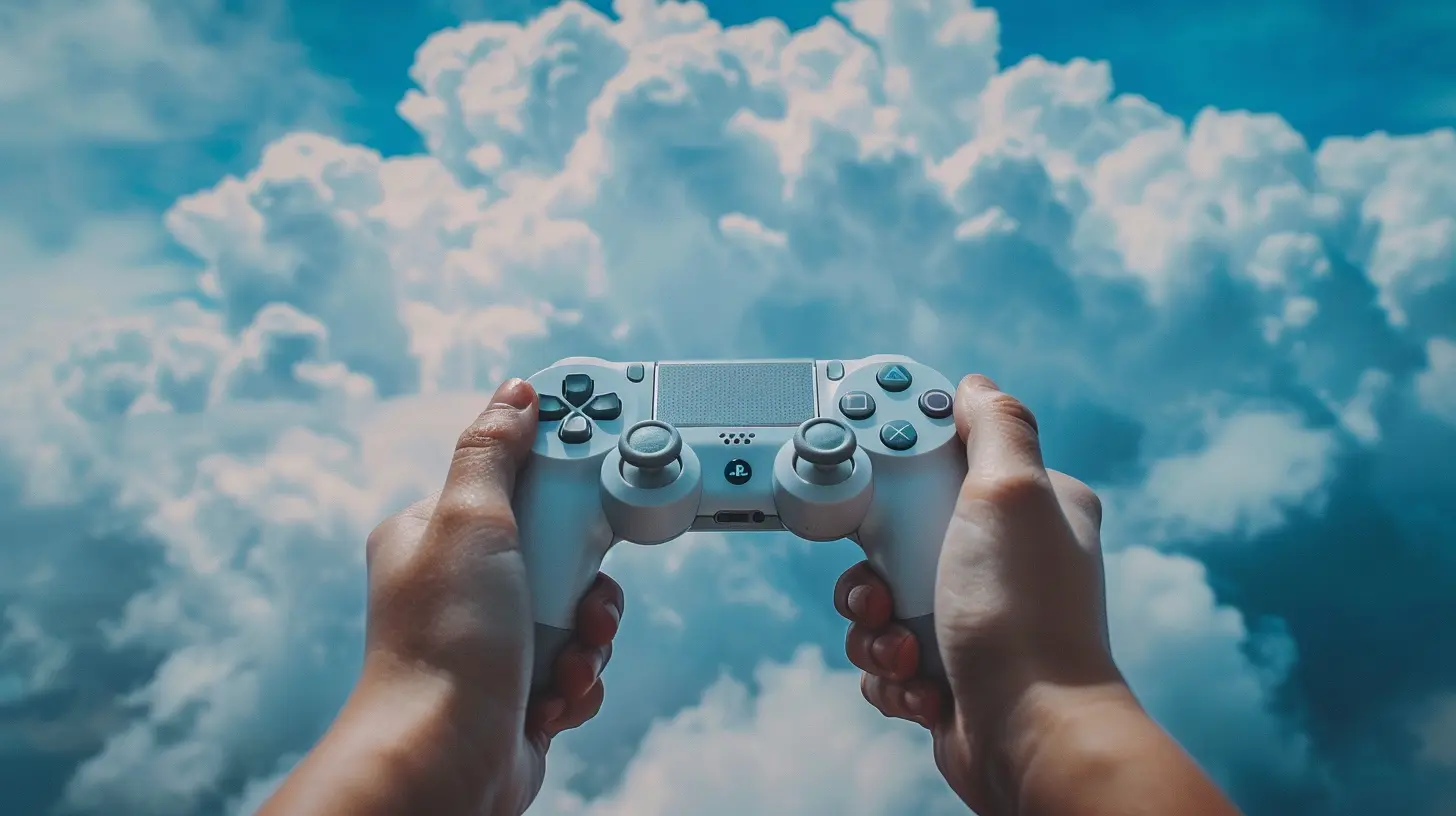
? What Does Game Ownership Even Mean Anymore?
Let’s take a quick trip down memory lane. Back in the day, when you bought a physical game, you owned that bad boy. It was yours to keep, trade, lend, or take to a friend’s house.But now? Buying a game digitally often means you’re just purchasing a license to play that game. You don’t “own” it in the same way, and in the cloud era, this distinction becomes even fuzzier. Imagine buying a car and being told, “You can only drive it while our servers are on.” Wait, what?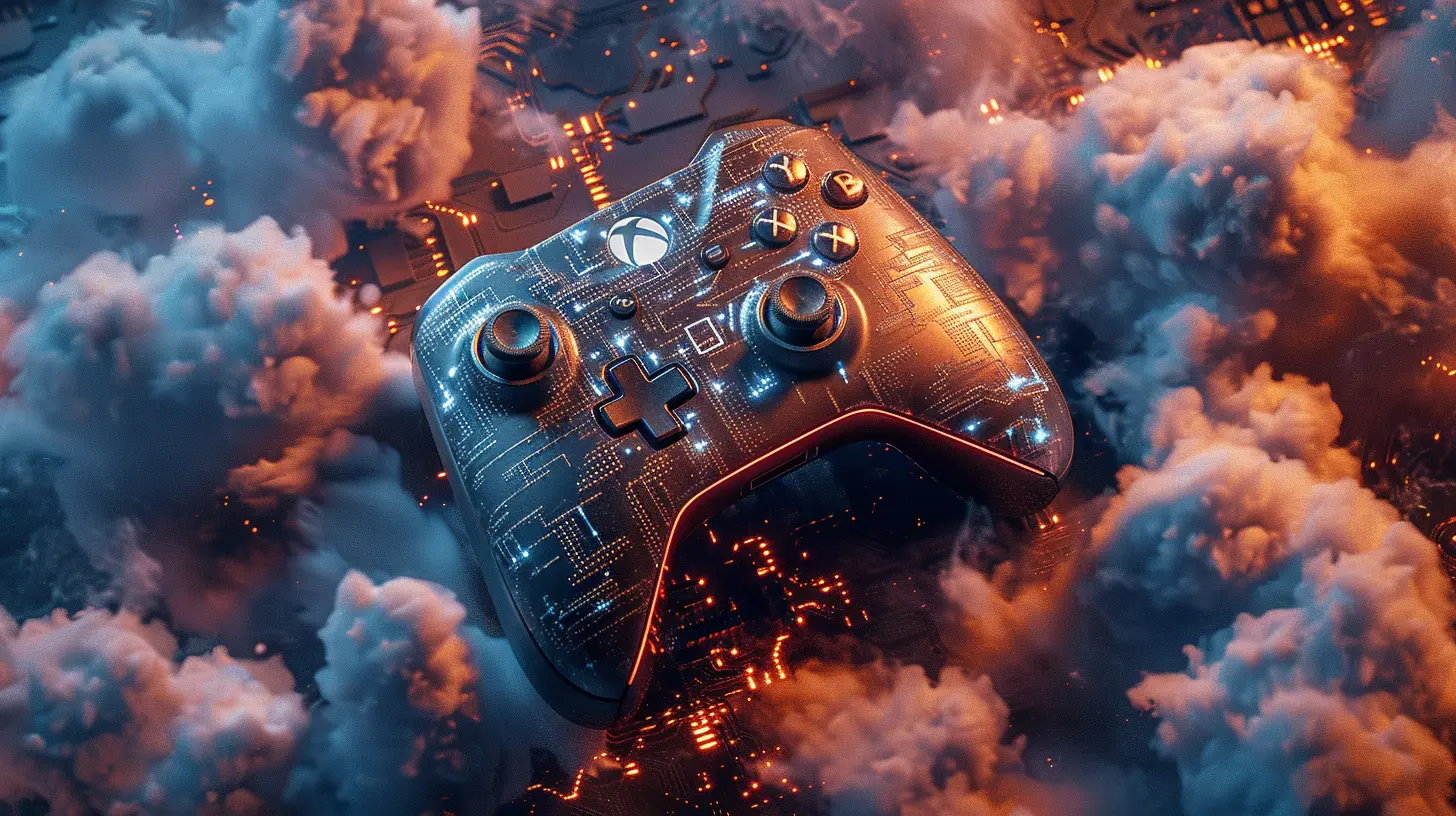
☁️ So, What Is Cloud Gaming Anyway?
Cloud gaming is the Netflix of video games. Instead of downloading or installing a game locally, you stream it to your device from powerful servers in the cloud. Think Xbox Cloud Gaming, NVIDIA GeForce Now, PlayStation Plus Cloud Streaming, and Google Stadia (RIP) — all letting you play high-end games on low-end hardware. You don’t need a $2,000 rig; just a steady internet connection.Sounds awesome, right? Well, yes and no. Like any plot twist in your favorite RPG, it's complicated.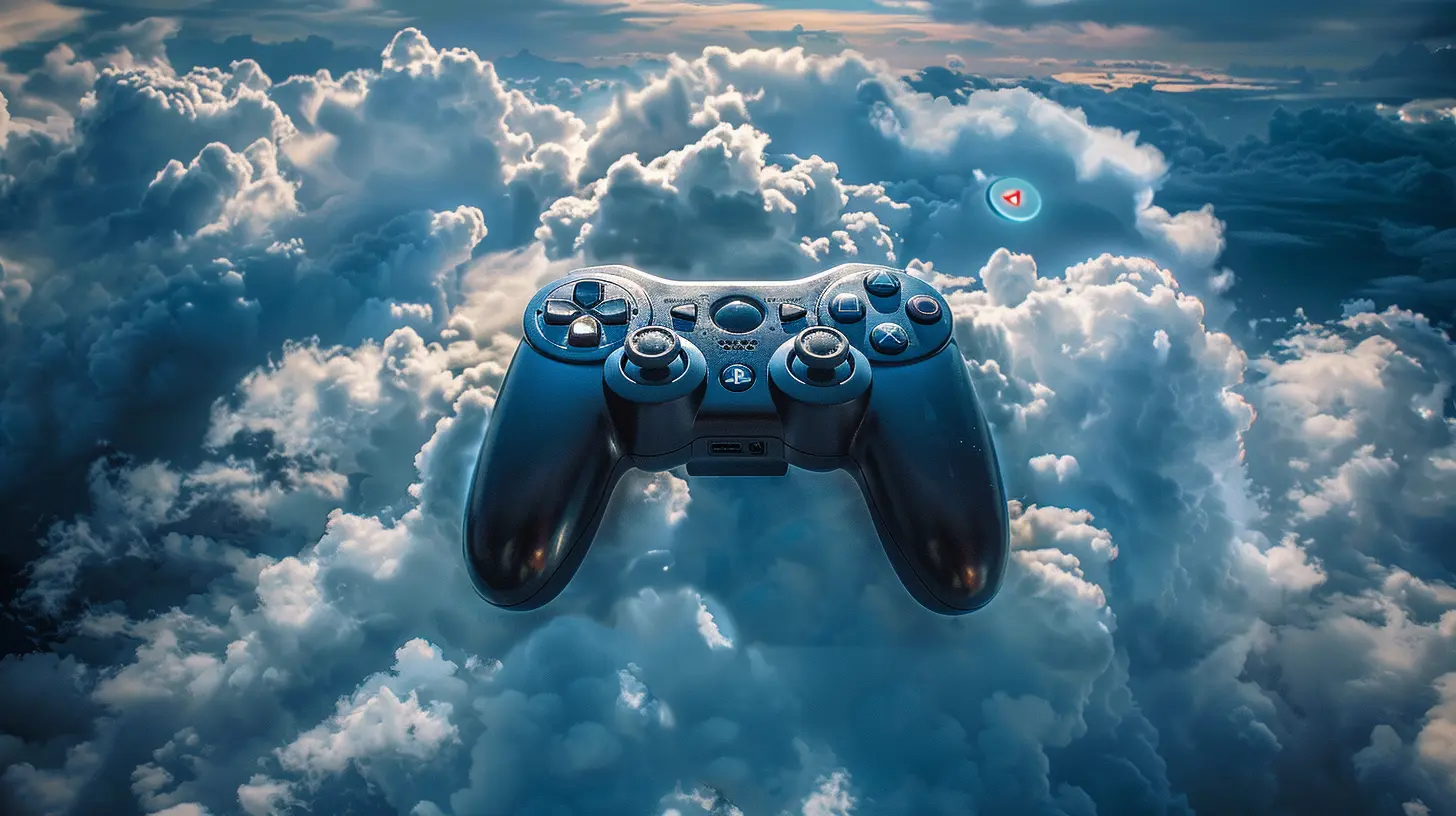
? Cloud Gaming = Renting, Not Owning?
Here’s the kicker: when you’re gaming through cloud services, you’re essentially renting access. You never actually download or keep a copy. If the publisher decides to pull the game from the platform, poof—it's gone. Doesn’t matter if you were mid-boss battle or just loving the soundtrack. One day it’s there, the next day it’s Thanos-snapped out of existence.This is a huge shift from the traditional idea of game ownership. Instead of building a library, you’re subscribing to a buffet. Sure, the variety is cool, but you don’t get to take the leftovers home.
? Why Should We Care?
You might be thinking, “Who cares if I don’t technically own the game? As long as I can play it, I’m good.” And fair enough — for many, access matters more than ownership. But here’s the problem:- Licensing issues: Games can disappear without warning.
- No resale or lending: You can’t trade or lend digital games like you could with physical copies.
- Limited control: You’re at the mercy of the platform’s availability and internet connectivity.
What if your favorite title vanishes from the service? What if the platform itself shuts down? (Looking at you again, Stadia.)
? Real Talk: Gamers Have Mixed Feelings
Some gamers love the convenience of cloud gaming. No installations, no system updates, no need for expensive hardware — it’s a dream for casual players and those with budget constraints.Others? Not so much. Hardcore collectors, preservationists, and even indie developers worry about the long-term implications. When games are only available via streaming, what happens to game preservation? How do future generations play the classics if no one has a physical copy or local file?
It’s like trying to revisit your favorite childhood cartoon years later, only to find it’s vanished into the digital abyss. Sad vibes.
? Subscriptions vs. Ownership: Which Is Better?
Let’s break it down like loot after a big boss fight.Physical/Digital Ownership Pros:
- You keep the game forever (unless the disc breaks, RIP).- You can resell or trade with friends.
- Offline play? No problem.
Cloud Subscription Pros:
- Access to a massive library.- Play on any device, anytime.
- Saves space on your hard drive and wallet.
The catch? Subscriptions are cheaper upfront, but you never “own” anything. It’s renting vs. buying. Like staying at an Airbnb instead of owning the house.
?️ How Developers and Publishers Benefit
You bet developers are loving cloud platforms. By leveraging subscription models and cloud services, they can reach wider audiences with less up-front risk. Especially indie studios — it’s a chance to get visibility without investing in physical distribution or worrying about piracy.Plus, game updates and patches become seamless. No more “please wait 3 hours while we update.” They just flick a switch on the server, and it’s done.
But here’s the twist: these same advantages also give publishers more control over how you play, when you play, and whether you can play at all. Yikes.
? Global Accessibility: A Game Changer (Literally)
Let’s not forget one massive win from cloud gaming — accessibility.Folks around the world who couldn’t afford or access high-end consoles can now play AAA titles on a phone, tablet, or low-end laptop. It’s democratizing gaming like never before. No longer is PC Master Race the only way to experience jaw-dropping graphics and intense gameplay.
So yeah, cloud gaming is kind of like the Robin Hood of the digital entertainment world — taking the power from pricey rigs and giving it to the people.
? The Psychology of Ownership
Here’s a fun fact — studies show that people feel emotionally attached to things they own. That’s why your old Game Boy still holds sentimental weight. It’s not just a device; it’s a time machine to childhood.Cloud-based games, however, don’t build that kind of attachment. You don’t see them on your shelf, you can’t touch them or show them off. They’re ephemeral. And for many gamers, that lack of emotional ownership is a big deal.
It’s like comparing a handwritten love letter to a text message. Technically, they both say the same thing, but only one makes you cry (in a good way).
? What Happens When Servers Go Down?
Oof. This is the dark side of an always-online, cloud-based future.Outages happen. Servers crash. Licensing agreements expire. When they do, your game time halts. Unlike downloaded games or physical discs, there’s no backup copy sitting on your shelf to save the day.
Gamers have horror stories of games they paid for vanishing from digital libraries. Or cloud saves getting wiped. It's like your save file got eaten by a digital gremlin. Not exactly confidence-inspiring, right?
?️ The Invisible Infrastructure Behind the Magic
Cloud gaming feels magical — booting up a graphically intense game on your phone? Wild. But it’s only possible thanks to massive data centers, high-speed internet, and mind-blowing backend tech.The downside? It’s not exactly eco-friendly. Those data centers require tons of power, water, and cooling. So while cloud gaming helps us declutter, it definitely doesn’t reduce our carbon footprint. Food for thought.
? The Future of Game Ownership in the Cloud Era
So, where are we heading?Here’s my two cents: Game ownership in the traditional sense is on life support. Cloud-based gaming, digital-only releases, and subscription services are becoming the norm. That’s not necessarily a bad thing — it means more access and often lower costs.
But the industry needs balance. Gamers should have real choices — the option to own a game or access it via the cloud. Transparency, fair policies, and robust preservation efforts will be key.
Think of it like this: cloud gaming should be the buffet, not the only meal. Let us decide whether we want the full-course feast or just a taste.
? Final Thoughts: Embrace, But Don’t Forget
The shift toward cloud-based gaming is exciting. It’s convenient, futuristic, and opens up a new level of accessibility. But it also raises big questions about what it means to “own” a game in this brave new world.As gamers, we’re not just consumers; we’re caretakers of an art form. Whether you’re a collector with a wall of retro classics or a streamer loving the latest cloud title on your tablet, your voice matters.
So, stay informed. Stay vocal. And most importantly, stay passionate.
Because in the end, whether you own a game physically or stream it from Jupiter, it’s the love of gaming that binds us.
all images in this post were generated using AI tools
Category:
Cloud GamingAuthor:

Whitman Adams
Discussion
rate this article
1 comments
Nancy McQuiston
Great insights on the evolving landscape of game ownership. The shift to cloud gaming is reshaping player experiences and expectations. Looking forward to seeing how this trend develops.
June 15, 2026 at 4:16 PM