How Game Remakes Tackle Outdated Content and Controversy
14 December 2025
Remember the rush of loading up your favorite childhood game? Those pixelated characters, janky camera angles, and over-the-top storylines? We loved them then—but let’s be real—some of those old titles haven’t aged all that gracefully. As the gaming industry reboots classic titles for modern audiences, there's more at stake than just upgraded graphics and smoother controls. One major challenge lies in how game remakes tackle outdated content and controversy.
Let’s dive into how developers are walking this tightrope—preserving nostalgia while polishing away problematic elements. It's like updating Grandma’s meatloaf recipe: you want to keep the flavor but ditch the lard.
Why Do Game Remakes Even Exist?
Before we get into the heavy stuff, let’s set the stage. Why remake a game in the first place?Well, for starters, nostalgia is a powerful selling point. Gamers who grew up with classic titles are now adults with disposable income—and many crave the chance to relive their favorites in glorious 4K. A remake gives them a chance to do just that, but with modern gameplay mechanics, better storytelling, and fewer bugs (hopefully).
Plus, the gaming industry is always evolving—storytelling, graphics, cultural norms—what flew in 1998 might raise eyebrows in 2024. This is where remakes can either shine... or stumble.
When Nostalgia Meets Modern Sensitivities
Ah, the double-edged sword of nostalgia. What you remember fondly from your childhood might not hold up under today’s microscope.Back in the day, certain jokes, dialogue choices, or character designs seemed harmless—or even funny. But now, we see them through a more socially aware lens. Casual sexism, offensive stereotypes, or outdated portrayals of diverse communities? That stuff just doesn’t fly anymore.
Think of it like watching an old sitcom and suddenly noticing the cringe-worthy moments that make you go, “Yikes, did they really just say that?”
The Problem with “It Was a Product of Its Time”
Some fans argue that we shouldn’t touch the original content because “it was a product of its time.” And yes, that’s technically true. But when you're actively remaking something for a new generation, ignoring the cultural shifts isn't just lazy—it’s irresponsible.Remakes have the opportunity—and arguably the responsibility—to course-correct where needed. You can respect the source material without preserving problematic elements that no longer resonate with (or worse, offend) today’s gamers.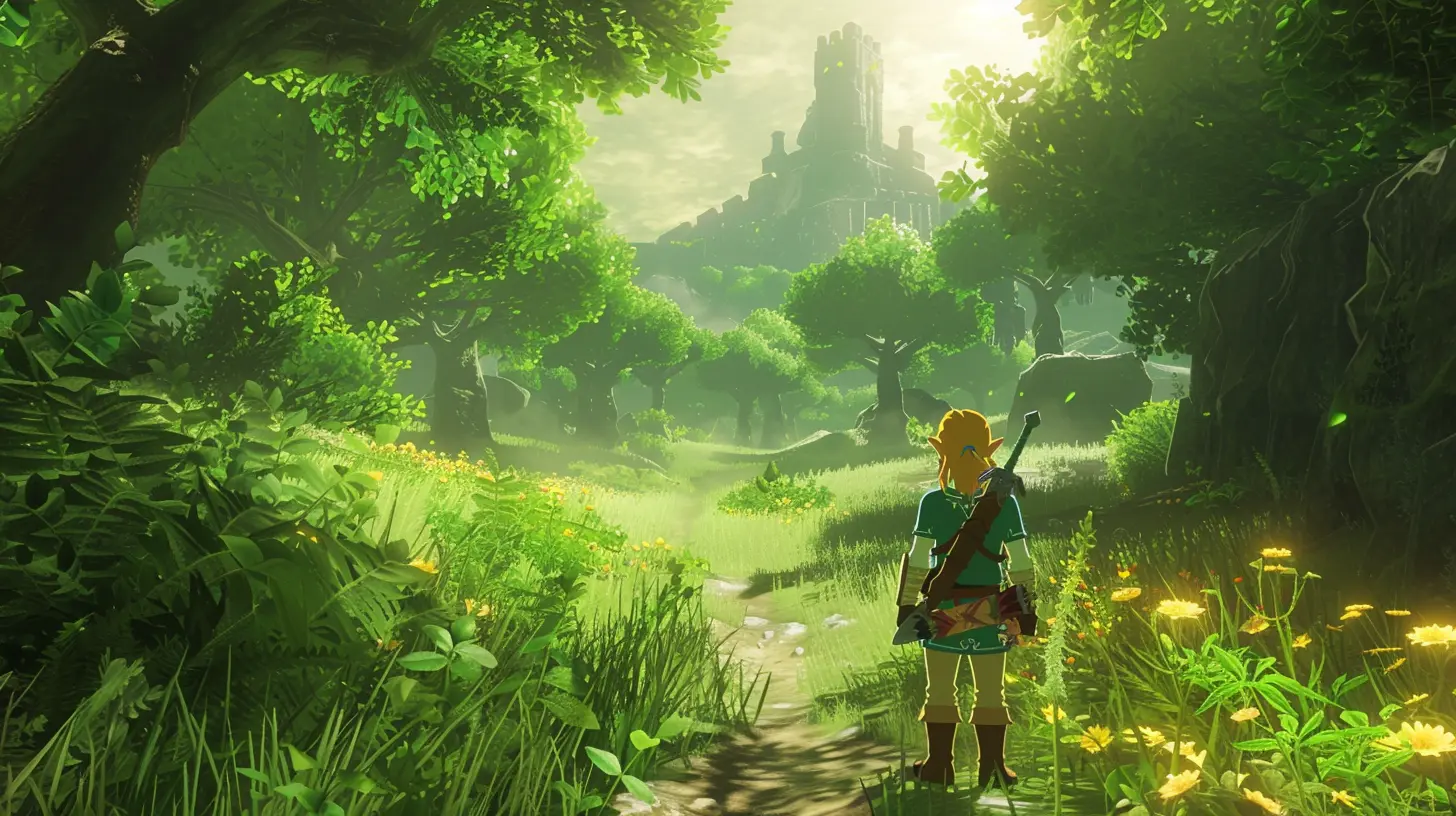
Addressing Controversial Storytelling
A game’s narrative is its soul, but when that narrative includes discriminatory language, offensive tropes, or glorifies violence in insensitive ways, you’ve got a problem.Case Study: Resident Evil Remakes
Let’s talk zombies. The Resident Evil series has been a goldmine for Capcom, and their remakes—especially Resident Evil 2 and 3—received critical acclaim. While those games focus on survival horror, the original scripts had their share of cheesy lines and weak female portrayals.In the remakes, Capcom revamped characters like Jill Valentine and Claire Redfield—making them more than just damsels in distress. They’re now written as strong, smart, and capable, without losing what originally made them beloved.
That's how it's done. Keep the essence, ditch the baggage.
Case Study: Final Fantasy VII Remake
Another iconic example is Square Enix’s Final Fantasy VII Remake. The original, released in 1997, had moments and themes that felt off by today's standards—like cross-dressing for laughs or exaggerated LGBTQ+ stereotypes.In the 2020 remake, they didn’t erase these elements. Instead, they recontextualized them with care and empathy, making sure that characters felt human and respectful without stripping away their uniqueness. That’s a fine line, but when walked well, it pays off big time.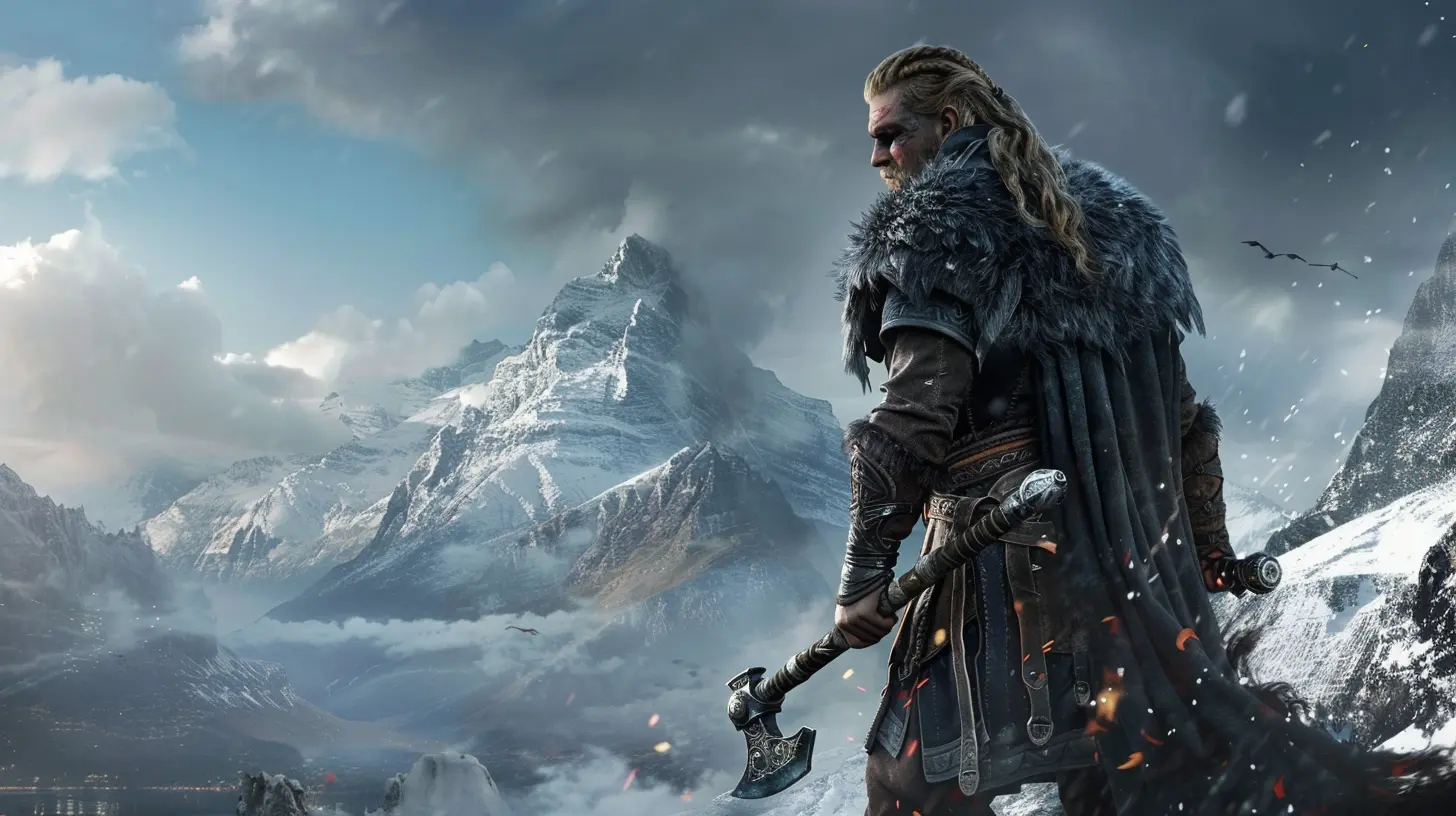
Character Redesigns: More Than a Fresh Coat of Paint
Let’s not beat around the bush—many old character designs were... how do we put it... problematic?Whether it was hyper-sexualized women with impossible body proportions or racial caricatures passed off as “stylized art,” these don’t fly anymore. And thank goodness for that.
Modernizing Without Losing Identity
Remakes give devs the chance to keep a character’s core identity while updating their appearance to better reflect today's sensibilities. For example, Lara Croft in the original Tomb Raider games was known more for her, ahem... proportions, than her personality. But in the rebooted series starting in 2013, she became a more grounded, relatable character—smart, strong, and realistically portrayed.That’s what it’s all about—evolving the character while keeping their soul intact.
Gender, Race, and Representation
This is where things get real.Gaming has historically been dominated by certain perspectives—mainly white, male, and straight. But the player base today is a rich tapestry of identities. Remakes give studios a chance to reflect that diversity authentically.
Inclusive Casting and Voice Acting
One major step forward? Casting voice actors who share the identity of the characters they play. That seems like a no-brainer, right? And yet, it’s a relatively new concept in gaming.Look at remakes and reboots that deliberately cast Black, Indigenous, and LGBTQ+ actors for their respective roles. It’s not just politically correct—it adds depth and authenticity.
Rewriting History Without Erasing It
Here’s the tricky part. How do you update a game’s content without erasing its historical context?It’s tempting to sweep the mess under the rug, but pretending like things never happened doesn’t solve anything. In fact, it can make things worse by minimizing the issue or patronizing the audience.
Transparency Is Key
Many developers are now taking a page from the film industry’s book—adding disclaimers or notes that contextualize older content. This isn’t about censorship; it’s about education.For instance, before you dive into the game, a message might appear saying: “This game contains content reflective of the era in which it was created. Some themes may be considered outdated or offensive today. We’ve worked to present this material in a respectful and thoughtful way.”
Boom. That’s honest, respectful, and informative. More of that, please.
Walking the Fan-Service Tightrope
Fan expectations can be a blessing and a curse. On one hand, you've got a passionate audience eagerly awaiting the remake. On the other hand, change too much, and you're accused of ruining the classic. Change too little, and it's called lazy.Balancing Act
The best remakes strike a balance—offering modern updates while keeping fan-favorite moments intact. Even controversial elements can sometimes be reimagined in clever ways. It's like remixing a classic song: keep the chorus, change the beat.Feedback Is the Secret Weapon
Honestly, no developer gets everything right on the first try. That’s why community feedback is pure gold.Games like Mass Effect Legendary Edition were praised for updating problematic camera angles (you know the ones) and tweaking awkward dialogue. These changes came as direct responses to fan feedback—and it paid off.
Engaging With Players
Smart studios engage with their audience before, during, and after release. They listen. They adapt. And they aren't afraid to admit when they screw up. That's how you build trust—and better games.So, What's the Endgame?
At the end of the day, game remakes aren’t just about prettier graphics or smoother gameplay. They're about honoring the past while being honest about its flaws—and fixing them for the future.Do all remakes get this right? Nope. But the ones that do? They're a testament to how powerful, meaningful, and inclusive gaming can be when it's done thoughtfully.
Final Thoughts
Game remakes have the unique power to both preserve and evolve. They remind us of where we came from, and—when done right—guide us toward a better, more inclusive future.Yes, it’s a tightrope. But with open ears, respectful intent, and a little bit of courage, developers can transform old masterpieces into modern marvels. It's not just about making something look better—it's about making it better, period.
So next time you fire up a remake and notice something’s different—whether it’s a reworked character, more inclusive dialogue, or a respectful reframing of a once-controversial moment—take a second to appreciate the effort behind the screen.
Because sometimes, growing up isn’t just for players. It’s for the games we play, too.
all images in this post were generated using AI tools
Category:
Game RemakesAuthor:

Whitman Adams
Discussion
rate this article
2 comments
Ryan McConnell
This article insightfully explores how game remakes address outdated content and controversy, highlighting the balance developers must strike between honoring original titles and modernizing gameplay. It's a thoughtful examination of nostalgia versus innovation in the gaming industry. Great read!
December 14, 2025 at 4:19 PM
Whitman Adams
Thank you for your thoughtful feedback! I'm glad you enjoyed the exploration of nostalgia and innovation in game remakes. Your insights are greatly appreciated!
Valeria McGowan
Game remakes expertly balance nostalgia and modern sensibilities, addressing outdated content while refreshing narratives, ultimately bridging generations of gamers with thoughtful updates.
December 14, 2025 at 5:22 AM
Whitman Adams
Thank you for your insightful comment! Game remakes indeed play a crucial role in harmonizing nostalgic elements with contemporary values, making them accessible and relevant for all generations.