How Games Are Being Used in Mental Health Treatment Programs
29 November 2025
Let’s be honest—if someone told you a decade ago that video games would be used as therapy, you’d probably laugh and assume they just needed more sleep. Aren’t games just about blowing stuff up, yelling at teammates who don’t know what “stick together” means, and collecting imaginary loot in imaginary dungeons?
Well, surprise! The world of mental health treatment has leveled up, and guess what’s in its loot chest? Yep, video games.
It turns out that these pixel-powered playgrounds are no longer just the scapegoats for laziness, bad grades, or chronic couch-potato syndrome. They’re now front and center in treatment programs helping people cope with anxiety, PTSD, depression, ADHD, and more. So buckle in, because we’re about to dive into this unexpectedly wholesome twist in gaming history.
Wait, Games in Therapy? That’s Not a Glitch?
You read that right. We’re talking legit, doctor-approved, science-backed therapy. Not just an excuse to sneak in a quick round of Animal Crossing because “Tom Nook helps with my anxiety.”Mental health professionals are embracing certain types of games as tools to support emotional well-being. Some games are purpose-built for therapy, while others just naturally do the job in their own quirky, pixelated way.
It’s like Mario found a Power-Up Mushroom and instead of getting bigger, he got... emotionally balanced.
Games as Medicine: Not Your Typical Prescription
So what kind of games are we talking about here? No, therapists aren’t handing out Call of Duty as your next anti-anxiety solution (although yelling into a mic might be oddly cathartic).Therapeutic gaming falls into a few categories:
🎯 Cognitive Behavioral Games
These are basically CBT (Cognitive Behavioral Therapy) in disguise. They help players challenge negative thought patterns and build healthier mental habits. We're talking games like SPARX, where teens battle literal “gloomy negative thoughts” in a fantasy world. It’s therapy, but with dragons.🧘 Mindfulness and Relaxation Games
Forget deep breathing in awkward silence. Imagine floating through peaceful environments, solving simple puzzles, all while chilling out to ambient soundtracks. Think "Journey" or "ABZÛ". Who knew fish and floating jellyfish could be your new therapists?🎮 Commercial Games with Surprising Benefits
Here’s where things get spicy. Games like Minecraft, Animal Crossing, even The Sims—games NOT designed for therapy—are being used in mental health settings. Why? Because they offer structure, creativity, and a sense of control—all things that mental health patients often struggle with.Ever redecorated your Animal Crossing island at 3 am instead of spiraling into a pit of anxiety? Yeah, you’re not alone.
The Science Behind the Screen: Why It’s Not Just Fun
Let’s break it down. Why are games turning out to be mental health’s unexpected MVPs?🧠 Rewiring the Brain
Games are sneaky. They stimulate areas of the brain other therapies sometimes struggle to reach. Think dopamine boosts from achievements (even those dumb ones like “Jump 100 times”), increased neuroplasticity from puzzle-solving, and better emotional regulation through gameplay mechanics that reward calm and strategy.🧩 Building Routine and Structure
Mental illness thrives in chaos. Games offer something most people with anxiety or depression crave: predictability and structure. That daily login streak? That’s consistency. That level progression? Tangible growth. It’s kind of brilliant when you think about it.📈 Real-Time Feedback
Unlike therapy sessions where you get feedback once a week (if that), games give you instant results. Succeed? Get a reward. Mess up? Try again. It’s low-stakes practice for real-world emotional regulation.🤝 Social Connectivity
Online games can break isolation—especially for teens and adults feeling alienated by traditional support systems. Multiplayer games like Fortnite or co-op modes in Stardew Valley help connect people in meaningful ways (even if it's through crop harvesting and zombie defense).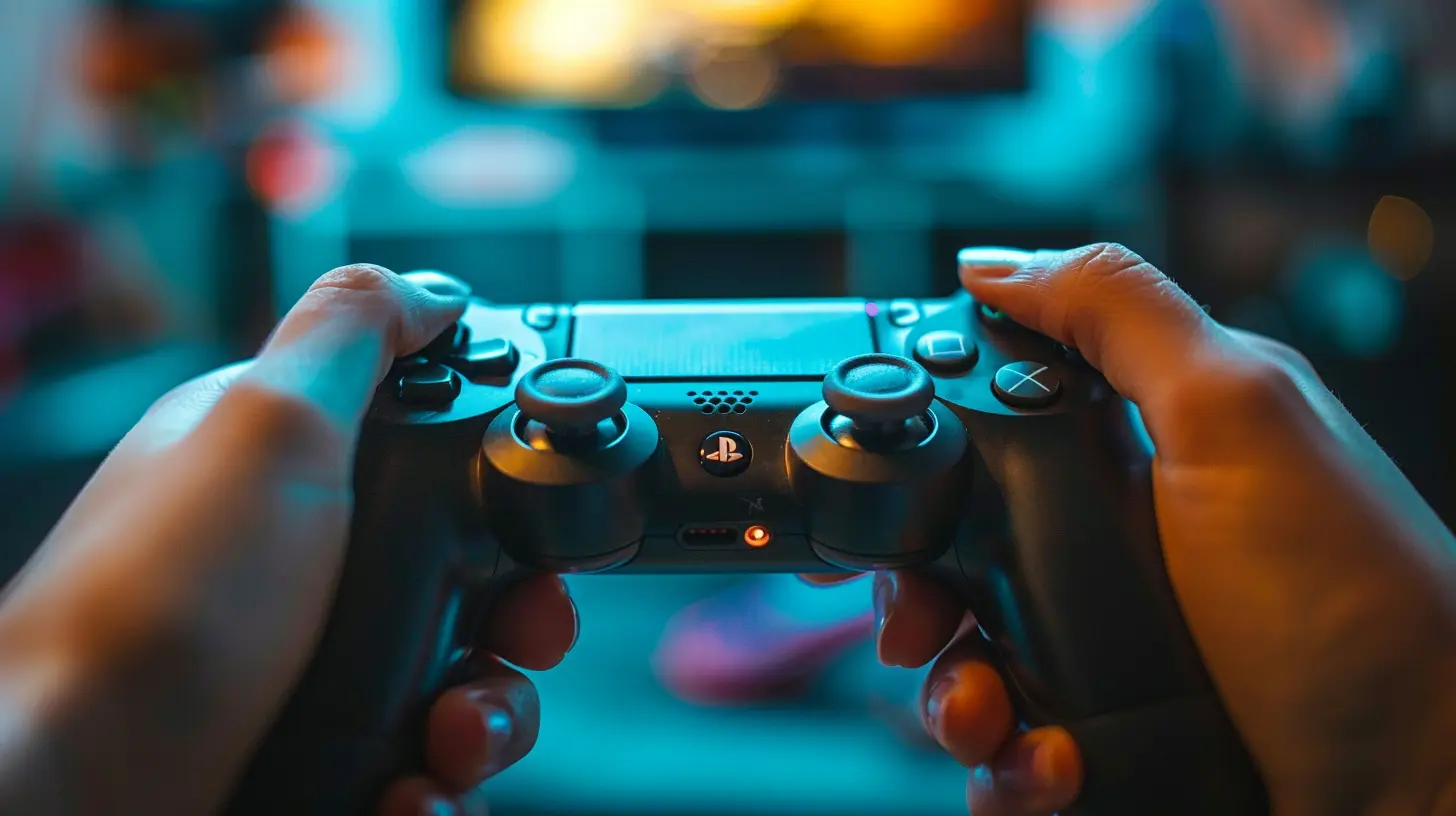
Real-Life Use Cases (Yes, With Actual People, Not Just Avatars)
It's not all hypothetical. Mental health professionals are already incorporating games into treatment plans. Here's some of the real-world magic happening:🧑⚕️ Therapists Using Minecraft in Sessions
Therapists are hopping into Minecraft worlds with their clients (yeah, really) to help kids open up emotionally. Think of it as building metaphorical walls while knocking down emotional ones. One block at a time.Kids who struggle with verbal expression may find it easier to talk while exploring—like sneaking veggies into a kid’s favorite dish. Sneaky, but it works.
🎮 VR Exposure Therapy
Virtual Reality (yes, the tech that once made you walk into a wall) is being used to expose patients gradually to their fears in a controlled, game-like environment. Afraid of flying? There’s a VR flight sim for that. Social anxiety? There's a game that mimics a party so you can practice in peace (possibly wearing pajamas).🧒 ADHD and Puzzle Games
Games like Portal or Tetris are being leveraged to help kids with ADHD improve focus, cognitive flexibility, and problem-solving skills. Tetris: now not just the reason for your insomnia.But Aren’t Games Addictive? The Elephant in the Gaming Room
Ah yes, the classic counterargument: “But won't games just make people more addicted and antisocial?” Well, like everything in life, moderation is key. Too much of anything is bad—even kale.Therapeutic gaming is about intention, not mindless binging. It’s guided, often supervised, and tailored. The goal isn’t to escape reality but to engage with it more effectively.
And honestly, if someone finds calm by catching butterflies in Animal Crossing or defeating monsters that represent their anxiety, who are we to judge?
Are Therapists Now Playing Games Too?
Yep. Some are clocking serious XP in virtual therapy. Mental health professionals are increasingly getting trained in game-based therapy. It's not uncommon to find a therapist who knows their way around a virtual dungeon just as well as they know cognitive-behavioral theory.Soon, your therapist might just say, “Let’s log on and talk about your trauma while we build a treehouse.”
What About Mobile Games?
For those of us without a console arsenal, mental health apps that gamify therapy are making waves. Apps like SuperBetter, Headspace, and Happify use game mechanics to encourage daily progress in emotional health. It’s like Duolingo for your brain—less vocabulary, more self-awareness.
Let’s Talk Numbers (Because Science)
- A 2017 study from the University of California showed that a specially designed game called Project: EVO improved attention in ADHD patients better than some meds.- The UK’s NHS (yes, the actual healthcare system) recommended SPARX for teens struggling with depression.
- Over 70% of clinicians surveyed in a 2020 study said they’d consider using games in therapy. That’s not just a fluke—that’s a shift.
These aren't your cousin’s weird opinions on Reddit—these are legit, peer-reviewed findings. So unless your coworker Karen has a doctorate in psychology, maybe don't listen when she tells you “games rot your brain.”
So, What's the End Game Here?
You might be wondering, “Okay, this is cool and all, but is gaming therapy going to replace, like, actual therapy?” Short answer: no. Long answer: absolutely not.Games are tools, not magic wands. They work best when combined with professional oversight, holistic care, and personalized treatment strategies. Think of them as the trusty sidekick, not the main hero.
But they’re making therapy more accessible, less intimidating, and (dare we say) even fun. And in a world where mental health still carries stigma and accessibility issues, that’s a huge win.
Final Thoughts: Mario Meets Mindfulness
The future of mental health care looks a lot brighter—and more colorful—thanks to the unexpected alliance between clinical psychiatry and gaming culture. Who knew your high score obsession might actually help someone fight their inner demons?So next time someone claims video games are nothing but a waste of time, feel free to give them a pixelated piece of your mind. Because games aren’t just entertainment anymore—they’re powerful psychological tools dressed in capes, armor, and sometimes suspiciously cute avatars.
It’s like therapy... with better graphics and fewer awkward silences.
all images in this post were generated using AI tools
Category:
Gaming And Mental HealthAuthor:

Whitman Adams
Discussion
rate this article
3 comments
Xylo McCord
Because who needs therapy?
April 9, 2026 at 2:35 AM
Whitman Adams
Games can provide a unique way to engage with emotions and promote healing, offering a different kind of therapy that's enjoyable and effective.
Lincoln Whitaker
This article sheds light on the incredible potential of games in mental health treatment! It’s inspiring to see innovative approaches improving lives. Keep up the great work in raising awareness about the benefits of gaming in therapy!
December 5, 2025 at 3:37 AM
Whitman Adams
Thank you for your encouraging words! I'm glad the article highlights the positive impact of games in mental health treatment. Your support helps raise awareness of this important topic!
Buzz McLaurin
This article beautifully highlights the transformative power of games in mental health. It’s inspiring to see how interactive experiences can foster healing and connection. I truly believe that combining play with therapy opens doors to new possibilities, offering hope and comfort to those in need. Thank you for sharing this important perspective!
December 3, 2025 at 5:17 AM
Whitman Adams
Thank you for your thoughtful comment! I'm glad you found the article inspiring and appreciate your insights on the role of games in promoting healing and connection.