How Lighting Effects Can Be Used Strategically in Games
6 January 2026
Ever noticed how a dimly lit hallway in a survival horror game immediately puts you on edge? Or how those rays of sunlight filtering through the trees in an open-world fantasy game give you chills? That's not just artistry—it's strategy. Lighting effects in games aren't just for aesthetics; they play a massive role in how we experience and engage with a game. From setting the tone to guiding players, lighting can make or break immersion. So, let’s shed some light on how lighting effects can be used strategically in games.
Why Lighting in Games Is More Than Just Eye Candy
Let’s kick things off with a simple truth: we often underestimate lighting in games because it’s supposed to feel natural. When it works well, you don’t notice it—just like in real life. But if something feels off, it can ruin the whole vibe.Lighting in games can:
- Create mood and atmosphere
- Direct player attention
- Influence gameplay mechanics
- Enhance realism and immersion
- Convey narrative and emotion
See? It’s not just about how pretty a scene looks; it’s about how the entire experience comes together.

Creating Mood and Atmosphere
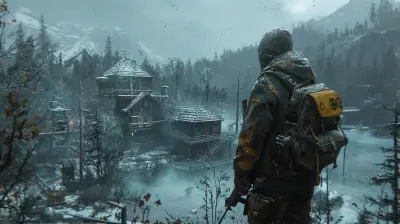
This is probably the most obvious use of lighting. Think about games like Silent Hill, Dark Souls, or The Last of Us. Their lighting doesn’t just show the environment—it defines it. Soft lighting can make players feel relaxed, while harsh lighting throws them into tension and suspense.Horror Games: Playing With Shadows and Subtle Glows
In horror games, darkness is your best (and worst) friend. Developers use limited light sources—like flickering candles or malfunctioning flashlights—to build that creeping tension. Strategic shadows hide threats and make players imagine what might be lurking just out of sight.It’s psychological. Our brains fill in the blanks when we can’t clearly see something. It’s fear of the unknown, and lighting plays that card like a pro.
Adventure and Fantasy Titles: A Glow of Mystery
Now flip that. Picture a fantasy RPG—an ancient temple bathed in golden sunset light pouring through broken windows. The mood? Epic, mysterious, almost sacred. This kind of lighting helps immerse players in a world that feels expansive and alive.
Guiding the Player Without Hand-Holding
Good game design respects the player’s intelligence. So rather than screaming “Go here!” with an ugly neon arrow, smart lighting subtly nudges the player in the right direction.Light as a Natural Guide
Game designers often use light beams, spotlights, or contrasting brightness levels to lead players. For instance, an illuminated doorway in an otherwise shaded corridor instantly grabs your attention. You’re likely to head toward it—without even thinking about it.A classic example? Portal. The game cleverly uses lighting to highlight entry points or interactive elements, maintaining the game’s clean aesthetic while keeping players oriented.
Dynamic Lighting To Highlight Objectives
In fast-paced shooter games or action RPGs, developers use dynamic lighting—like blinking lights or sudden spotlights—to draw your eye to mission objectives or alert you of incoming danger. It’s not just flashy—it’s functional.
Enhancing Gameplay Mechanics
Lighting can do more than set the mood or show the way. It can be woven directly into the gameplay itself.Light-Based Puzzles
Plenty of games use light as part of puzzle-solving mechanics. Whether it’s redirecting beams using mirrors (Tomb Raider, The Legend of Zelda) or long shadows revealing hidden paths, these features offer fresh ways to think and interact.It’s visual storytelling with a purpose. Your brain processes the puzzle visually, but the game makes it interactive using light.
Stealth and Survival: Light vs. Darkness
In stealth games like Splinter Cell or Dishonored, lighting determines visibility. Shadows are your allies. Want to stay hidden? Stay in the dark. Need to distract guards? Throw a light source in the opposite direction. Simple in concept, but layered in execution.This is a brilliant way lighting becomes a mechanic rather than just background art.
Boosting Immersion and Realism
Have you ever been in a game and found yourself just watching the light dance on a wall because it looked so real? That’s not just you nerding out (okay, maybe a little). Realistic lighting bridges the gap between digital and believable.Ray Tracing: The Game-Changer
Ray tracing is the big buzzword in modern gaming—and for good reason. It simulates how light interacts with surfaces, creating more lifelike shadows, reflections, and glare. The result? Immersion cranked up to eleven.Games like Cyberpunk 2077 and Metro Exodus showcase how ray tracing adds depth and authenticity. Whether it’s reflections in puddles or soft ambient light bouncing off walls, it makes the world more tangible.
Time of Day and Weather Effects
Dynamic lighting systems that respond to time of day or changing weather make game worlds feel alive. Morning haze, noon brightness, dusk shadows—all these cues do more than look good. They influence how we feel and play.A thunderstorm in Red Dead Redemption 2? You feel it. Not just the sound or visuals, but the way the light flickers across the sky. That’s realism delivered through lighting.
Driving Narrative and Emotion
This is where things get deep. Lighting doesn’t just affect how we see a game world—it changes how we feel about it. Think about how films use lighting to evoke emotions. Games do it too.Cinematic Lighting for Story Moments
During critical moments—character deaths, emotional conversations, plot twists—developers often use dramatic lighting to amplify the scene. A character bathed in soft blue light conveys sadness. Sharp orange hues might signal urgency or chaos.You don’t need words. The lighting says it all.
Visual Storytelling Through Light
Even outside cutscenes, lighting can tell a story. A flickering neon sign might suggest a city's decay. Sunlight piercing through a ruined building suggests hope amidst destruction. These visual cues enrich the narrative without exposition.Multiplayer and Competitive Games: Keeping It Fair and Functional
Lighting in competitive games is a tricky beast. It needs to look good but not interfere with gameplay. That means no blinding lights or confusing shadows.Clarity and Function Over Flair
In games like Valorant or Call of Duty, level designers use neutral lighting with minimal distractions. You need to see enemies quickly and clearly. Any overuse of effects can be the difference between a win or a loss.But even here, lighting serves a purpose. For example, players might see a flash of red when they’re getting hit, or a distinct glow around key map areas. It’s subtle but highly strategic.
Performance Considerations: Balance Is Key
Here’s the catch. Too much lighting—especially fancy effects—can tank performance. That’s why developers must find the sweet spot between visual fidelity and smooth gameplay.Optimization Tricks
To balance performance, devs often:- Use baked lighting for static scenes
- Reduce lighting updates where unnecessary
- Adjust quality based on hardware specs
Games like The Witcher 3 allow players to tweak lighting settings. Want max immersion? Crank it up. Need better FPS? Dial it down.
Strategic Lighting in VR and AR Games
In immersive tech like VR and AR, lighting is even more critical. It needs to support depth perception, guide attention, and maintain comfort.Preventing Motion Sickness
Dim lighting and poor contrast in VR can cause disorientation or even nausea. Developers use strategic lighting to ground the player and define spaces clearly.Real-World Integration in AR
In AR apps and games, lighting needs to match the real world so that virtual objects feel true to life. If a virtual monster casts a shadow in the wrong direction? Immersion gone.
Final Thoughts
Lighting in gaming isn’t just a background player—it’s a star. When used right, it sets the tone, guides players, supports storytelling, enhances gameplay, and elevates the overall experience. Whether you’re crafting stunning vistas, building heart-pounding suspense, or designing a competitive map, strategic lighting is a tool you can’t afford to ignore.So next time you boot up a game and get lost in its atmosphere, take a moment to appreciate the behind-the-scenes lighting magic that made it all possible.
all images in this post were generated using AI tools
Category:
Gaming KeyboardsAuthor:

Whitman Adams
Discussion
rate this article
2 comments
Chase Stewart
This article insightfully highlights how lighting can enhance gameplay by guiding player focus, creating atmosphere, and influencing decision-making. Strategically implemented, lighting not only elevates aesthetics but also deepens immersion and emotional engagement in gaming experiences.
January 17, 2026 at 3:38 AM
Whitman Adams
Thank you for your thoughtful comment! I'm glad you found the insights on lighting's impact on gameplay and immersion valuable. It truly plays a crucial role in enhancing the overall gaming experience.
Regina Warner
Great insights on the strategic use of lighting effects in games! Your examples highlight how lighting enhances gameplay and evokes emotions, making it a fundamental element of game design.
January 15, 2026 at 4:02 AM
Whitman Adams
Thank you! I'm glad you found the insights and examples valuable in highlighting the significance of lighting in game design.