How Multiplayer Games Support Social Connection and Mental Well-Being
9 May 2026
Let’s be real for a second—when most people think of video games, they picture someone locked in a dim room with a headset on, yelling at the screen and surviving on nothing but pizza and Red Bull. But—plot twist—multiplayer games can actually be incredibly good for your mental health and social life. Yep, you read that right.
In this quirky little dive into the gaming world, we're going to peel back the digital curtain and take a deeper look at how multiplayer games aren’t just about racking up kills or beating your best time—they’re powerful tools for building social bonds and boosting your mental well-being. Let’s level up our understanding, shall we?
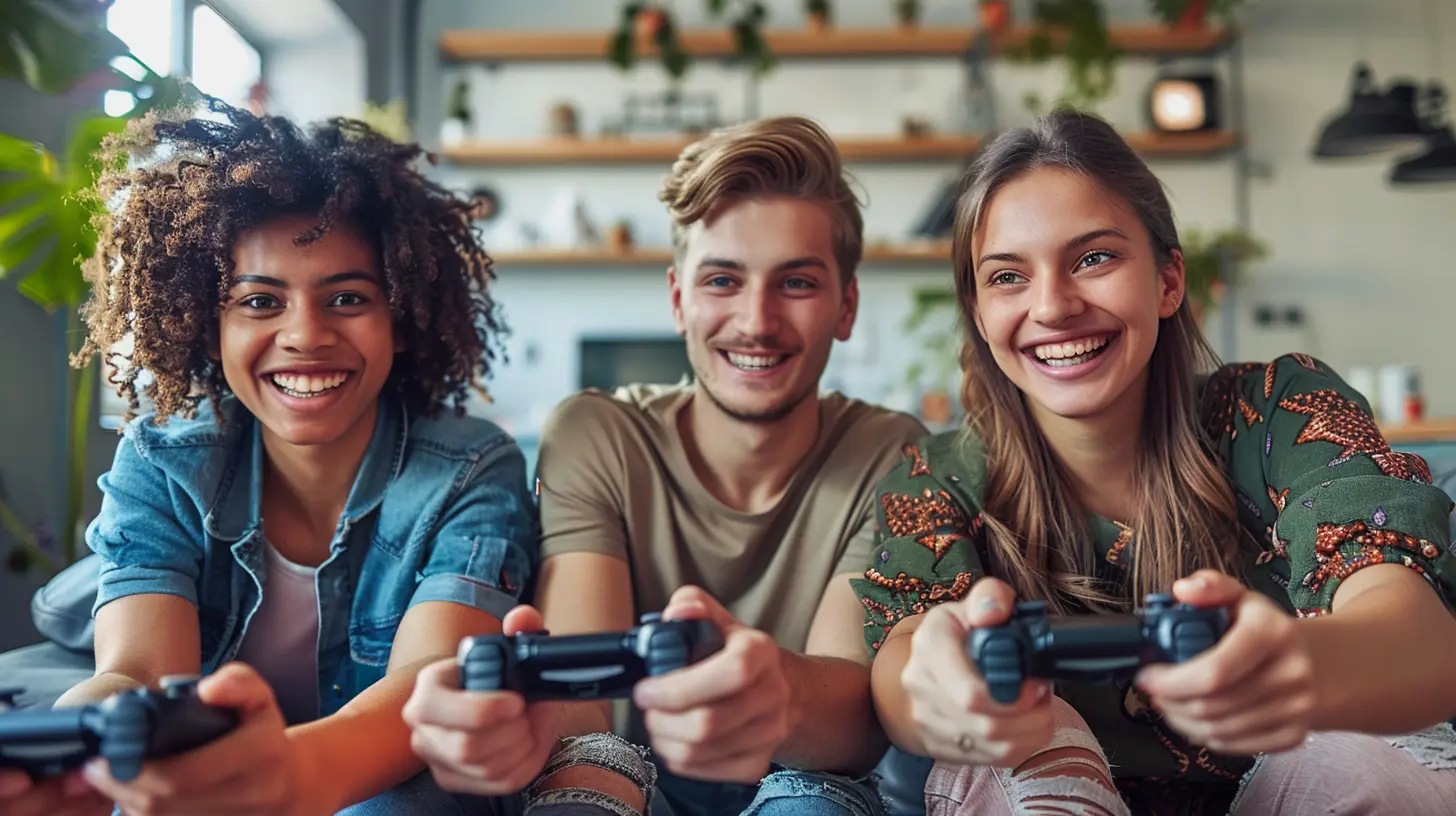
The Not-So-Obvious Benefits of Multiplayer Games
You might think games are just mindless entertainment—or worse, a waste of time. But that’s where the plot thickens. Multiplayer games are secretly psychological ninjas. They sneak in the back door of your brain and do you more good than most people realize.1. Connection in a Disconnected World
We live in a time where people text more than they talk and swipe more than they smile. Ironically, while social media claims to connect us, it often leaves us feeling lonelier than ever (we’re looking at you, perfectly-filtered Instagram feeds).Now enter multiplayer games: cozy digital spaces where people bond over a shared goal, whether it’s defeating an intergalactic boss, building a fantasy castle, or just goofing around in an open-world sandbox. Games like Fortnite, Minecraft, and Among Us allow folks to connect in ways that feel authentic—no small talk needed.
Ever teamed up with a friend halfway across the globe to score a victory royale? That sense of shared purpose is pure magic.
2. A Safe Place to Be You
Let’s face it—social anxiety is real. Some of us would rather fight an undead dragon with a spoon than go to a crowded party. But guess what? Multiplayer games offer a low-pressure social environment where you can engage with others without the awkward sweaty-handshakes and small talk.In online games, you get to show up as a powerful wizard, a rogue space pirate, or a dancing llama (because why not?). This role-playing element allows people to express themselves in ways they might not feel safe doing in real life.
It’s like a digital masquerade ball—introverts rejoice!
3. Co-op Gaming = Teamwork on Steroids
Have you ever tried beating a raid boss without cooperation? Spoiler alert: it’s basically impossible. Multiplayer games teach you how to work in teams, communicate clearly under pressure, strategize, and sometimes even lead.Whether you’re coordinating a defense in Valorant or pooling resources in Rust, you’re practicing real-world social and problem-solving skills. Honestly, some of these games should count as group therapy and leadership training rolled into one.
4. Friends Who Heal Together, Stay Together
Gaming communities often foster strong, lasting friendships. Think of your gaming squad—those people who’ve been with you through every impossible boss fight and every hilarious glitch-filled mess. Sometimes, these in-game friendships spill over into real life. People meet online and end up being best friends, roommates, or even life partners.And get this: studies have shown that having strong social connections can reduce symptoms of depression and anxiety. So logging on to hang out with your guild? It’s basically self-care.

Mental Health Benefits: Press X to Heal
Games don’t just bring people together—they’re also surprisingly good for your brain. Not in a boring, flashcards-and-diagrams way, but in an “I just beat a zombie apocalypse with my best friend” kind of way.1. Escapism That Actually Helps
Sometimes, reality sucks. Work stress, world news, that weird sound your car is making… it’s a lot. Multiplayer games offer a sweet escape—a digital vacation without leaving your couch. But unlike binge-watching TV, gaming is interactive. You’re not just zoning out; you’re actively engaging.When paired with social interaction, this form of escapism turns into something powerful. It’s like taking your brain to the gym, but doing squats with your friends while cracking jokes.
2. The Dopamine Effect
You know that little rush you get when you level up, land a headshot, or finally craft that mythical sword? That’s dopamine, baby. It’s the feel-good chemical that keeps you coming back.In multiplayer games, these moments are amplified because they’re shared. Achieving goals together makes the success even sweeter. These small, frequent wins can help balance out the stress and chaos of real life.
It’s like therapy, only with more explosions.
3. Structure and Routine
Let’s not underestimate the power of having something to look forward to. Scheduled raids, daily quests, and even casual check-ins with friends give players a comforting sense of structure.This can be especially helpful for people struggling with depression or anxiety. A regular gaming routine, sprinkled with social interaction, can become a stabilizing force when everything else feels shaky. It’s not lazy—it’s low-key therapeutic.
Not All Pixels Are Created Equal: Healthy Gaming Habits
Of course, we have to hit pause and acknowledge that not all gaming is healthy. Just like cake is awesome until you eat an entire one by yourself, gaming becomes problematic when it lacks balance.1. Mindful Moderation
Sure, you could spend 12 straight hours grinding for loot, but should you? Probably not. Too much of anything—even something fun—can hurt more than help. The key is moderation.Think of games like supplements for your brain: use them to enhance your life, not replace it. Set time limits, take breaks, stretch, drink water (seriously, hydration is OP), and reflect on how gaming makes you feel.
2. Choose Community Over Toxicity
We've all run into that one troll who seems to exist just to ruin the vibe. Don’t feed them. Mute, block, move on.Find gaming spaces that are welcoming, inclusive, and full of people who genuinely support each other. Whether it's a chill Discord server or a tight-knit MMORPG guild, your mental health will thank you for choosing digital kindness over chaos.
3. Use Games as a Tool, Not a Crutch
Games can be a great coping mechanism—but they shouldn’t be your only one. Talking to friends, going outside, getting professional help when you need it… all of that matters too.Think of multiplayer games as a healing potion, not a full-on resurrection spell. They help, but they’re only part of the journey.
Multiplayer Games in the Real World
Here's the wild part: the skills and connections formed in online games often translate into real-world benefits. Yeah, those late-night raids and digital dance-offs might actually be preparing you for life.1. Boosting Communication Skills
Ever had to coordinate a strategy with three people shouting different ideas simultaneously? Boom—communication skills.Gamers quickly learn how to listen, plan, and speak up in high-pressure situations. These are social skills you can take into job interviews, relationships, and group projects—not just boss fights.
2. Building Confidence
Scoring big in a game or leading a successful team gives players a solid boost of confidence. When you realize you can shine in a game, it often nudges you to try new things in real life too.You might not think fighting orcs can fix your self-esteem, but hey—victories are victories.
3. Encouraging Inclusivity
Multiplayer games bring together people from different walks of life. Whether it’s a student from Tokyo, a mom from Texas, or a retiree from France, players often bond over shared experiences, regardless of background.It’s a digital melting pot, and it’s helping to create a world where differences are celebrated, not judged.
Real Stories, Real Impact
Still not convinced? Let’s peek into the game logs of real players whose lives were changed by multiplayer gaming.- Sam, 27, was battling serious social anxiety. Voice chat in Overwatch scared him at first, but over time, he found his voice—literally. Now he leads strategy meetings both in-game and at work.
- Lila, 33, found her best friend through World of Warcraft. They’ve never met in person, but they talk every day. That friendship helped Lila cope with a rough breakup and find joy again.
- Jamal, 21, used to struggle with depression and isolation. Then he found a supportive Fortnite squad that checked in on him, encouraged him, and became his second family.
These aren’t just one-off stories. They’re part of a growing narrative showing that games aren’t just games—they’re lifelines.
Final Thoughts: It's Dangerous to Go Alone… Take Friends!
So, the next time someone rolls their eyes when they hear you’re gaming, hit ‘em with the facts:Multiplayer games foster real human connections. They help reduce stress, fight loneliness, and build confidence. Sure, they’re fun—but they’re also little online worlds where friendships are forged, problems are solved, and mental health gets a much-needed power-up.
Just remember: play smart, stay kind, and always—always—bring snacks.
all images in this post were generated using AI tools
Category:
Gaming And Mental HealthAuthor:

Whitman Adams
Discussion
rate this article
2 comments
Sylph Williams
Multiplayer games truly bring people together, offering a fun way to connect and share experiences. It's amazing how they can uplift our spirits and foster friendships, proving that gaming can be a powerful tool for mental well-being.
July 13, 2026 at 2:41 AM
Whitman Adams
I completely agree. Multiplayer games create unique bonds and shared moments that can really enhance our mental well-being and friendships. It's incredible how a simple game can have such a positive impact on our lives.
Kendall McHugh
This article highlights an important aspect of gaming that often goes unnoticed. Multiplayer games create real connections and provide a sense of belonging, which can greatly enhance our mental well-being. Great read!
May 13, 2026 at 2:30 AM
Whitman Adams
Thank you! I'm glad you found it valuable. Multiplayer games really do foster meaningful connections.