How to Balance Exploration, Combat, and Story in Fantasy RPGs
19 December 2025
Fantasy RPGs (Role-Playing Games) are like the ultimate gaming buffet. You've got exploration, combat, and gripping stories all blended into one delicious experience. But let’s be real, diving into a fantasy RPG often feels like juggling too many flaming swords. Do you spend hours wandering off the beaten path, dive headfirst into combat, or lose yourself in the narrative? Finding the perfect balance between these elements can feel overwhelming, but don’t worry—we're here to break it down for you.
Whether you’re a casual gamer or someone who schedules their life around RPG launch dates (no judgment, we’ve all been there), this guide will help you strike harmony among exploration, combat, and story. So, grab your potions, sharpen your weapons, and let’s dive in.
Why Balancing These Elements Matters
You know that feeling when you’re binge-watching a show and suddenly realize you’ve been stuck in a filler episode for way too long? That’s what happens in RPGs when one aspect—like exploration, combat, or story—overshadows the others. It can leave you feeling burned out or, worse, detached from the game entirely.A great RPG strikes a perfect mix. It feeds your curiosity with exploration, challenges your skills in combat, and keeps your emotions hooked with storytelling. When these components are in sync, it’s chef’s kiss. But when they're not? Things can feel disjointed or, dare I say, boring. Let’s talk about how to make sure your gaming experience stays balanced and awesome.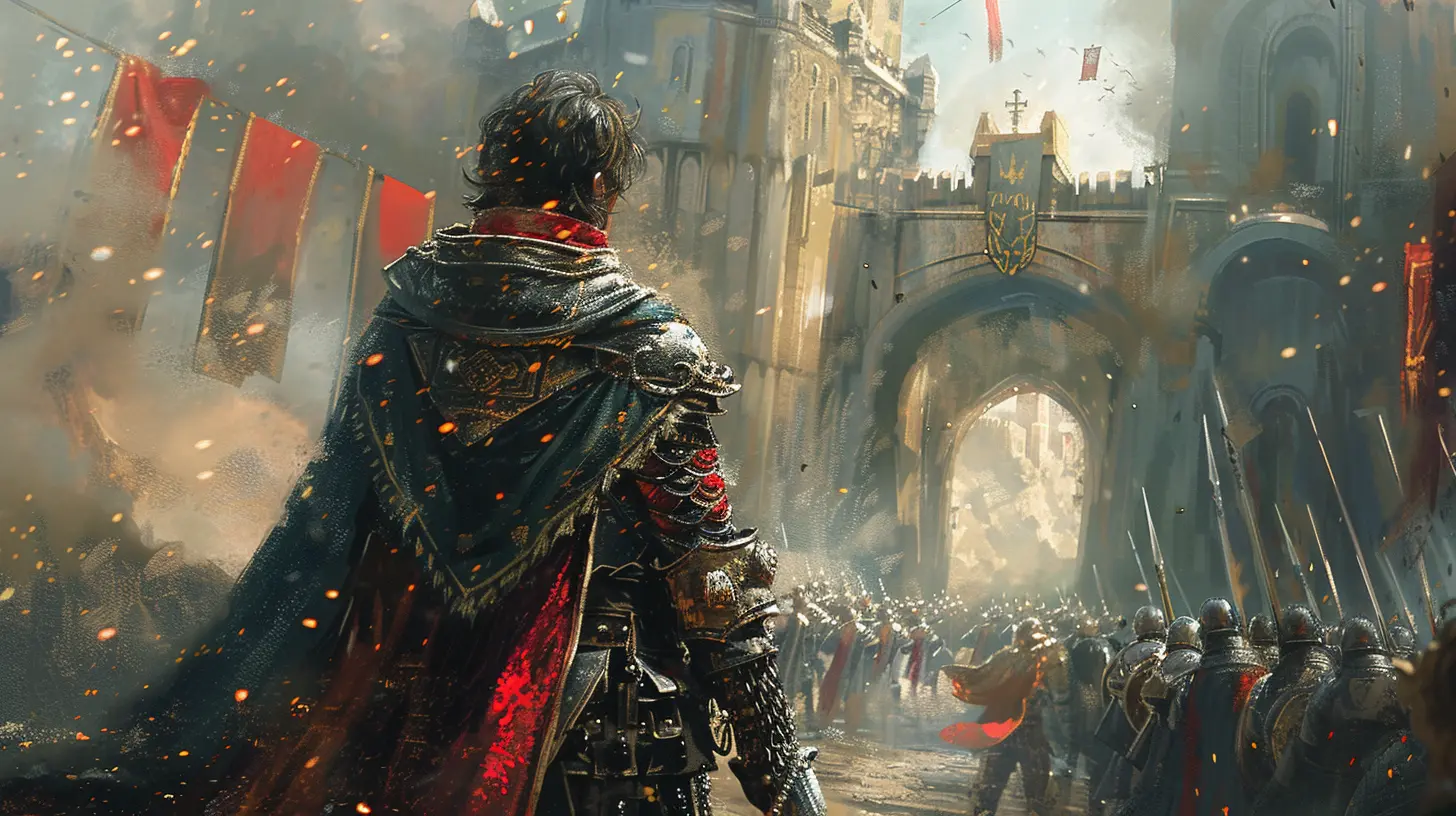
1. The Allure of Exploration: Walking the Fine Line Between Discovery and Distraction
Nothing screams “fantasy RPG” louder than the freedom to explore. Vast open worlds, dense forests, ancient dungeons—it's the stuff of dreams. But here’s the kicker: too much exploration can make you lose focus. Ever spent hours collecting herbs and suddenly forgot why you even started playing? Yeah, me too.Tips for Balanced Exploration:
- Set Personal Boundaries: Decide how much time you want to spend on side quests or wandering around aimlessly. (Yes, I’m looking at you, completionists!)- Prioritize Key Locations: Instead of stopping at every shiny thing, focus on areas that feel rich in lore or promise significant rewards. Not every cave deserves your attention.
- Take Notes: If the game allows map markers or lets you jot down notes, take advantage. It keeps you grounded and helps when you want to revisit places later.
Remember: Exploration is awesome, but don’t let it turn into an episode of Fantasy Hoarders. You’re here for the adventure, not just to collect 300 apples.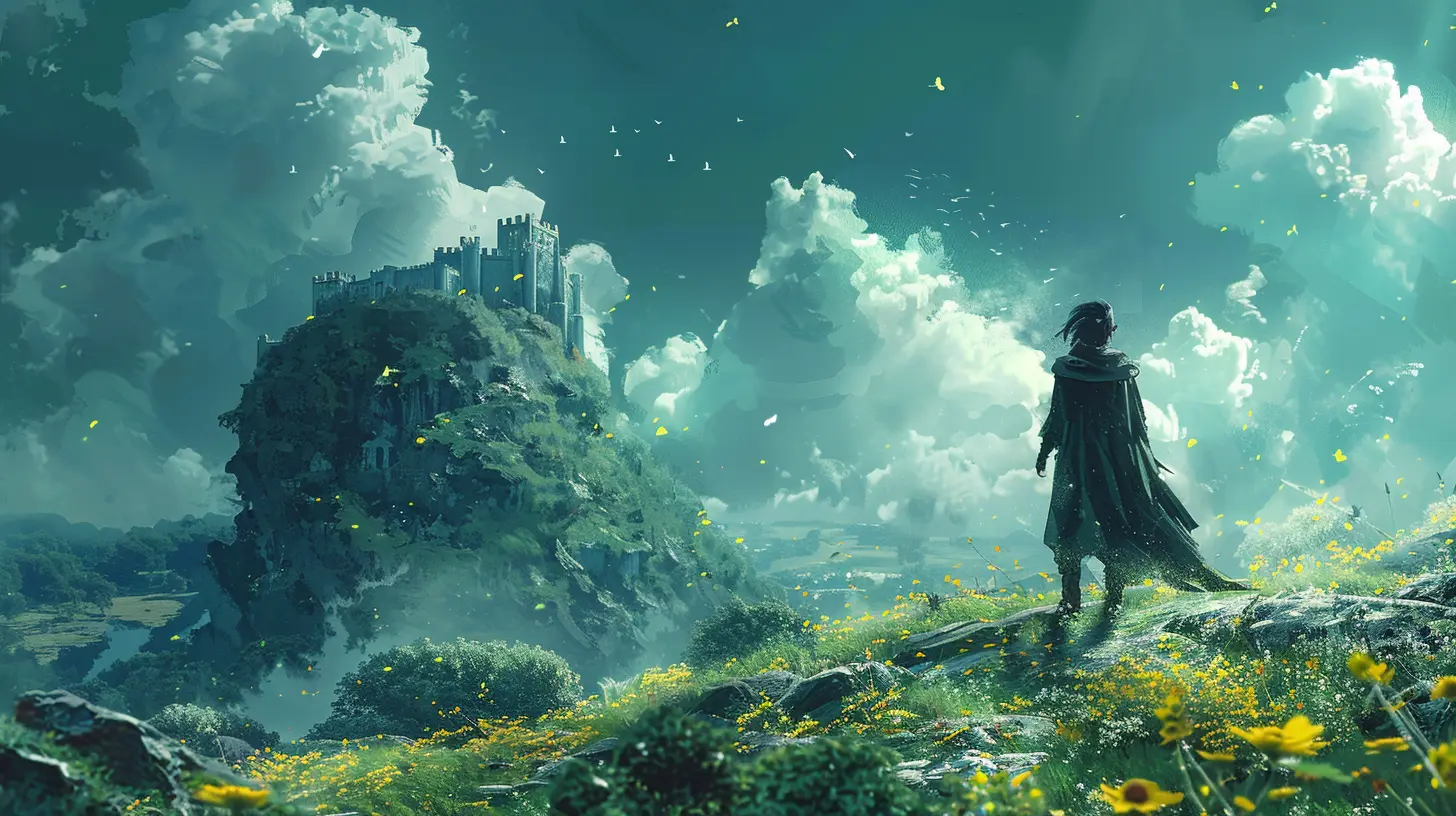
2. Combat: When to Fight and When to Flee
Combat is the adrenaline-pumping heart of RPGs. Whether you’re swinging a giant axe, casting fiery spells, or using stealth to outwit enemies, good combat makes you feel like a total badass. But the risk? It can get repetitive or even downright frustrating if it overshadows everything else.Tips for Balanced Combat:
- Adjust Difficulty Settings: There’s no shame in tweaking difficulty. If you’re stuck in an endless loop of dying, it’s probably time to dial it down a notch.- Mix Playstyles: If your RPG allows it, experiment with different weapons, magic types, or combat strategies. Variety keeps combat interesting.
- Know When to Skip: Not every fight needs to end in bloodshed. Sometimes, sneaking past enemies or talking your way out of trouble creates a richer experience.
Think of combat like your favorite spicy food—it’s amazing in small doses, but too much can leave you burnt out. Save that energy for the game’s epic boss battles!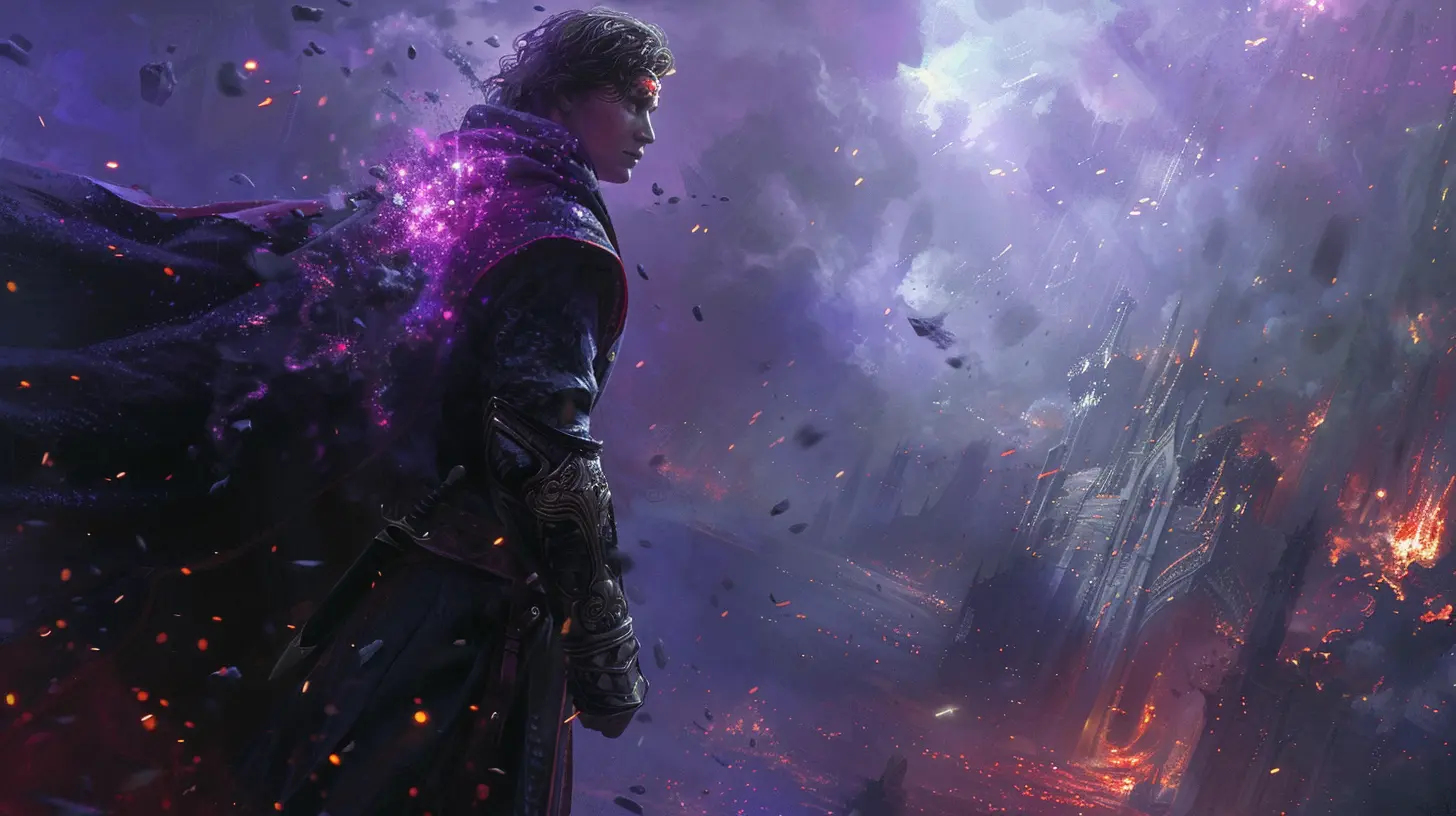
3. The Story: Don’t Let It Play Second Fiddle
Let’s not forget why many of us dive into fantasy RPGs in the first place: the story. Whether you’re dethroning a corrupt king, uniting warring factions, or saving the world from an ancient curse, the narrative is the emotional backbone of the game. But even the best story can stumble if it’s bogged down by pacing issues or overly long cutscenes.Tips for Immersing Yourself in the Story:
- Pay Attention to Dialogue: Too many players skim through text or skip cutscenes entirely. Trust me, missing out on the small details can leave the bigger plot feeling hollow.- Keep Track of Characters: Got a handy journal in the game? Use it. Can’t remember the difference between General Gregor and Commander Gareth? Yeah, same. Write it down.
- Take Breaks: The story might be gripping, but binging non-stop can lead to burnout. Step away now and then to keep the narrative feeling fresh.
The story is where the emotions are, so treat it like a good book—don’t rush it, and savor the twists and turns.
4. Finding Your Sweet Spot: Making Exploration, Combat, and Story Work Together
Here’s the thing: no two players are alike. Some thrive on combat-heavy challenges, while others live for unraveling complex lore or getting lost in the world’s design. The trick is figuring out what you enjoy most and focusing on that.Embrace Flexibility:
- Adapt Your Playstyle: Some sections of the game might lean heavily on exploration or combat, while others are more story-driven. Go with the flow!- Don’t Rush: There’s no rule that says you need to finish the game in a week. Savor the experience and go at your own pace.
- Listen to Your Mood: Feeling restless? Go explore. Need an adrenaline rush? Jump into combat. Craving something emotional? Dive into the story quests.
Balancing these elements is a lot like balancing your diet. Sure, you can eat cake all day (combat), but mixing it up with some veggies (story) and protein (exploration) makes for a more satisfying meal.
5. How Game Developers Help with Balance
Let’s take a moment to give credit where it’s due: game developers also work hard to balance these elements for us. Think of how The Witcher 3 weaves side quests seamlessly into the main story, or how Skyrim makes every corner of the map feel alive. These games are gold standards for how to integrate exploration, combat, and story.What Developers Get Right:
- Variety in Quests: A mix of combat-heavy challenges, exploration-based puzzles, and emotionally charged storylines.- Dynamic Worlds: Environments that evolve with your choices. Your actions (or inactions) should feel important.
- Pacing: Games that alternate between slow, reflective moments and fast-paced action scenes hit the sweet spot.
When developers hit the mark, it’s like finding the perfect harmony in your favorite song. Everything just clicks.
Final Thoughts: Balance Is Personal
At the end of the day, balancing exploration, combat, and story in fantasy RPGs isn’t about following a strict formula—it’s about finding your personal groove. Some players might lean heavier on one aspect, and that’s totally okay. What matters is that you’re enjoying the journey.So, the next time you boot up your favorite fantasy RPG, take a moment to think about what you want out of the experience. Whether it’s slaying dragons, uncovering ancient secrets, or getting emotionally wrecked by a tragic plot twist, make it your own. After all, it’s your adventure.
all images in this post were generated using AI tools
Category:
Fantasy RpgsAuthor:

Whitman Adams
Discussion
rate this article
2 comments
Ronan Mason
Great insights! Balancing exploration, combat, and story truly enhances the immersive experience in RPGs.
December 22, 2025 at 5:48 PM
Whitman Adams
Thank you! I'm glad you found the insights valuable. Balancing these elements is key to creating truly immersive RPG experiences.
Faith Phillips
Balancing exploration, combat, and story is essential for immersive RPGs. When each element complements the others seamlessly, players experience a rich, engaging world that keeps them coming back.
December 19, 2025 at 5:47 PM
Whitman Adams
Absolutely! Seamless integration of exploration, combat, and story is key to creating an immersive RPG experience that captivates players and encourages long-term engagement.