Level Design Secrets Behind Iconic Titles
14 July 2026
Ever stopped mid-game and thought, “Wow, this level is genius”? Well, you're not alone. While we often credit gameplay mechanics and storytelling, level design is the silent architect behind what makes a game truly unforgettable. It doesn’t just guide you from point A to B—it shapes your experience, your emotions, and even your strategies. So, what exactly goes into crafting that "legendary level"? Let’s dive into the secrets that make level design in iconic games so incredibly effective.
What Even Is Level Design, Really?
Alright, let’s get on the same page. Level design is the process of crafting stages, missions, or maps that players interact with in a game. It’s more than throwing in some walls and enemies—it's a blend of creativity, psychology, problem-solving, and a splash of magic.Think of it like setting a stage for a play: you decide where everything goes, who enters when, how tension builds, and how players feel during different moments. The best level designers are part artist, part mind reader.
The Invisible Hand: Guiding Without Telling
Great level design gently nudges you without ever holding your hand. Remember the first time you played a game like The Legend of Zelda: Ocarina of Time or Halo: Combat Evolved? Somehow you always knew where to go, even without glaring arrows or constant pop-ups.That’s intentional. Designers use visual cues—like lighting, color, architecture, and even item placement—to guide players. These subtle cues create a natural flow:
- A brightly lit doorway? That probably means “go here.”
- A mysterious shadow over a hallway? “Warning: things may get creepy.”
- A bunch of health packs before a corridor? Uh-oh… boss fight incoming.
By mastering this kind of visual language, designers can shape your journey without ever saying a word.
Pacing: The Roller Coaster of Emotions
Let’s be real—no one wants a game that’s full throttle 100% of the time. Pacing in level design is like rhythm in music. It builds, dips, surprises, and satisfies. Games like Resident Evil 4 and Dark Souls are masters at this.One moment, you're exploring in peace. The next, you're drenched in sweat, surrounded by horrors you didn’t ask for. Then comes a moment of quiet, a save point, a breather. This ebb and flow keeps you hooked.
Designers often structure levels to vary intensity:
- Quiet exploration → Minor enemies → Puzzle → Major encounter → Cinematic break.
- Each beat prepares you for the next, like a perfectly timed horror movie.
The Psychology of Discovery: Curiosity Is Key
Humans are naturally curious. Great level designers know this and build levels that reward poking around. Games like The Elder Scrolls V: Skyrim or Super Mario 64 are treasure troves for this kind of design.They entice you with:
- Hidden pathways
- Optional collectibles
- Easter eggs
- Environmental storytelling (think skeletons with a diary beside them)
Designers often create landmarks visible from afar to spark curiosity. That big mountain in the distance? Yup, you can probably climb it. (Looking at you, Breath of the Wild.)
Curiosity-driven design hooks players in, making every detour feel like a personal discovery rather than a scripted event.
Teaching Without Tutorials: Show, Don’t Tell
Let’s talk about Mega Man X. It’s a textbook example of learning through doing. In the very first level, without a single line of text, you learn:- How to jump
- What hurts
- What helps
- Basic enemy patterns
No tutorial walls of text. Just intuitive design.
Legendary designers understand that players learn best by engaging, not reading. They introduce concepts in a safe space, then slowly crank up the difficulty. That’s how Portal taught millions to solve 4D space puzzles without causing brain meltdowns.
The Loop: Hook, Teach, Challenge, Reward
A powerful level design technique is the loop structure, often used in games like Uncharted and God of War. It typically follows this pattern:1. Hook – Grab the player’s interest (maybe a crumbling bridge or mysterious cave).
2. Teach – Introduce a new mechanic or idea in a safe space.
3. Challenge – Now make the player use that mechanic under pressure.
4. Reward – Give loot, XP, plot reveals, or just a moment of achievement.
Rinse and repeat.
Keeping this loop tight ensures players stay engaged but never overwhelmed. It’s like feeding someone just enough spice to keep things exciting without burning their taste buds.
The Rule of Three: It’s Just Science
There’s something magical about the number three. Designers often apply the “Rule of Three” when introducing new elements—three steps, three challenges, three progressive difficulties.Take a boss fight, for example:
- First phase: Learn the pattern.
- Second phase: The pattern gets a twist.
- Third phase: All hell breaks loose.
Why three? It’s the perfect mix of familiarity, progression, and climax. Any more, and it might overstay its welcome. Any less, and it might feel too easy.
Player Choice and Replayability: Let Me Do Me
Games today aren’t all about linear paths. Open-ended level design gives players freedom—freedom to approach situations creatively, try different strategies, and shape their own experience. Think Dishonored, Hitman, or Deus Ex.Want to stealth your way through the vents?
Or maybe go full chaos with grenades and glory?
The level supports both.
Designing for player agency means:
- Multiple entry points
- Optional objectives
- Reactive AI/pathing
- Dynamic world changes based on player actions
When players feel like their choices matter, they’re more likely to replay and recommend the game.
Iconic Examples Worth Breaking Down
Let’s get down to the nitty-gritty. Here are some jaw-dropping examples of brilliant level design and what makes them so unforgettable:1. "City 17" – Half-Life 2
Valve didn’t just build a level—they built a world. City 17 oozes with dystopian vibes. Walls literally watch you. The Combine’s presence is felt in every cracked sidewalk and hushed whisper.- Environmental storytelling is off the charts.
- Smart placement of NPCs and objects guides players without intrusive UI.
- Seamless transitions from exploration to action.
2. "Blighttown" – Dark Souls
You either love it or you hate it. Either way, you remember it.Blighttown is infamous for:
- Cramped verticality
- Toxic enemies
- Constant danger
But here’s the genius: It’s a deep descent into hell—both literally and figuratively—and the environment mirrors that descent perfectly. Claustrophobic, dark, and testing your patience, it’s a masterclass in emotional level design.
3. "Hyrule Field" – Ocarina of Time
This might look like an empty field, but it’s a genius hub world.- You’re subtly taught navigation and scale.
- Landmarks draw your eye and hint at future adventures.
- Day-night cycle adds immersion and gameplay variation.
Hyrule Field isn’t just a place—it’s a mood.
Iteration: The Hidden Hero of Great Levels
No brilliant level comes from a single draft. Designers build, playtest, tweak, repeat… again and again.They watch:
- Where players get stuck
- Where players get bored
- If players are going off the intended path too often
Iteration means identifying the pain points and polishing until the level is smooth as butter. This process can take weeks or even months, but it ensures a final product that feels effortless.
Tools of the Trade: The Tech Behind the Magic
Modern level design is powered by some heavy-duty tools. Designers use engines like Unreal Engine, Unity, or internal proprietary tools to prototype quickly and adjust layouts on the fly.Popular tools include:
- Grayboxing – Early layouts with basic shapes to test flow.
- Navmeshes – Guides AI movement.
- Trigger zones – For fighting waves or triggering story events.
Even sound design and music cues play into levels—ever notice how the music swells just as you approach a crucial moment? Yep, designed.
The Takeaway: It’s an Art and a Science
Level design is so much more than pretty environments. It’s about:- Emotional guidance
- Mechanical introduction
- Environmental storytelling
- Creating unforgettable moments
If you’ve ever finished a level and thought, “I need to take a break and process that,” chances are, a brilliant level designer just blew your mind. Behind every iconic game is a team carefully orchestrating your journey, step by step—so subtly, you might not even notice.
But trust me. That’s the point.
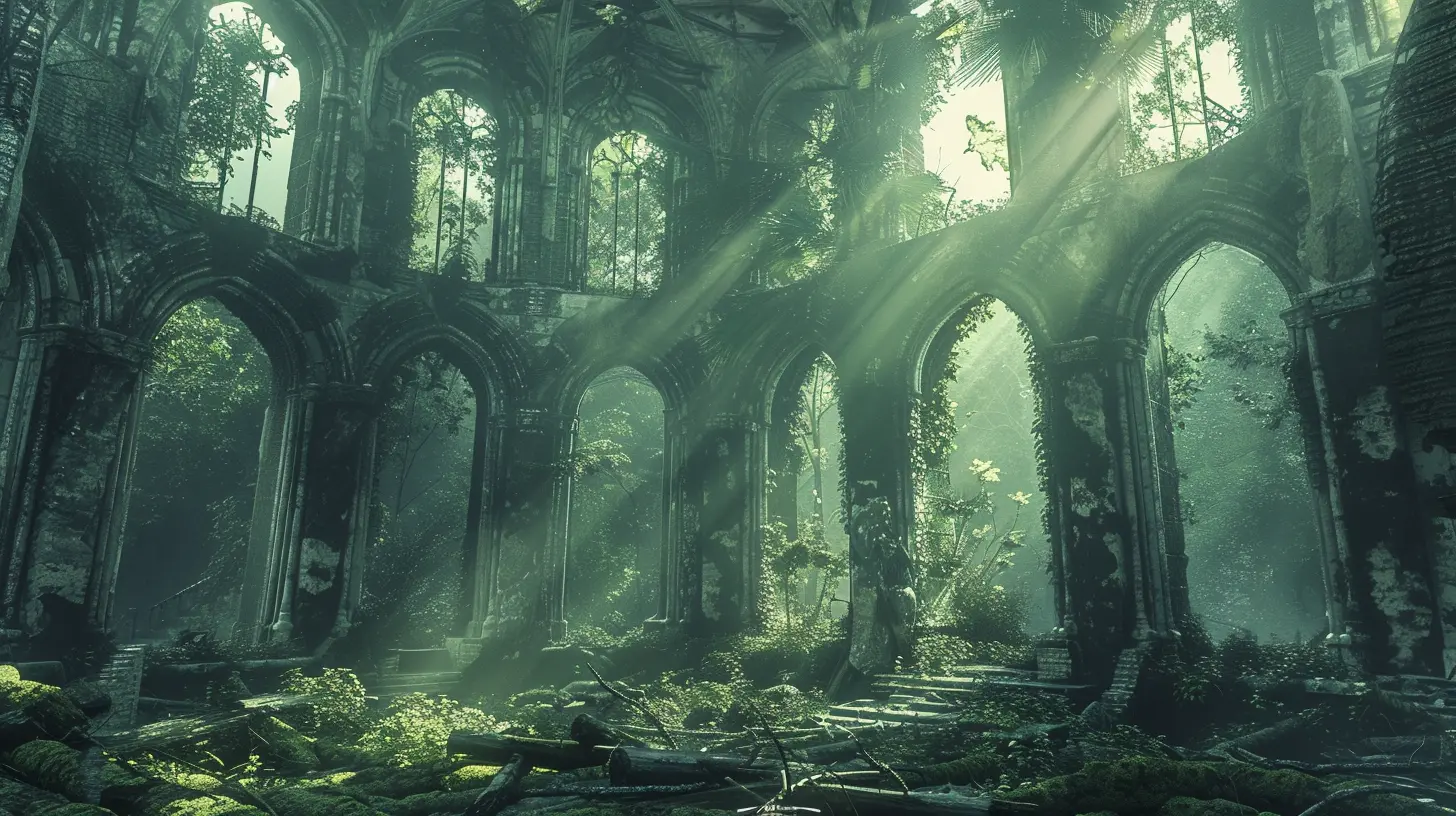
all images in this post were generated using AI tools
Category:
Gaming ReviewsAuthor:

Whitman Adams