New Titles or Mistakes? When Leaks Cause Game Rebranding
5 February 2026
Video games are a massive part of modern culture. They’re more than just entertainment—they’re experiences, stories, and, for many, a way of life. But have you ever stopped to think about how much effort goes into creating these games? From the initial concept to the final release, every single detail is meticulously planned. And yet, one tiny leak—a misplaced tweet, a rogue Reddit post, or even a slip during a livestream—can throw the entire process into chaos. Yep, we’re talking about leaks. Specifically, how they sometimes force game developers to rethink their branding, titles, and marketing strategies.
In this article, we’ll dive deep into the strange and fascinating world of leaks and their impact on game rebranding. Buckle up, because this is going to be a wild ride through the highs, lows, and unexpected twists of the gaming industry. 
The High-Stakes World of Game Development
Think of game development like building a house of cards. Each piece has to be placed just right; one wrong move, and everything could come crashing down. Now, imagine someone walking up to your carefully constructed masterpiece and blowing on it. That’s what leaks are like for developers.The gaming industry thrives on mystery and anticipation. Developers often keep their projects under lock and key, teasing just enough to generate hype without giving too much away. Announcements, gameplay trailers, and even the name of the game—these are all carefully timed to maximize impact.
But when leaks happen? It’s like ripping the wrapping paper off a gift before the giver is ready. Except this “gift” has millions of dollars riding on it, not to mention years of hard work. 
When A Name Is More Than Just A Name
A game’s title isn’t just a name—it’s its identity. It’s the first thing players hear about the project, the first impression it makes. A good title is memorable, evocative, and, most importantly, marketable.Now, imagine you’re a developer and someone leaks your game’s title before you’ve had the chance to announce it properly. Maybe the leak comes with misinformation, or maybe the title is misinterpreted by the gaming community. Suddenly, what you thought would be a splashy reveal turns into a PR nightmare.
Take, for example, the infamous case of God of War: Ragnarok. The title was leaked well before Sony officially confirmed it. While fans were thrilled to learn more about Kratos’ next chapter, the leak put immense pressure on the developers to meet expectations they hadn’t yet set themselves. In some cases, a premature leak can even backfire, leading to title changes or complete rebranding efforts. 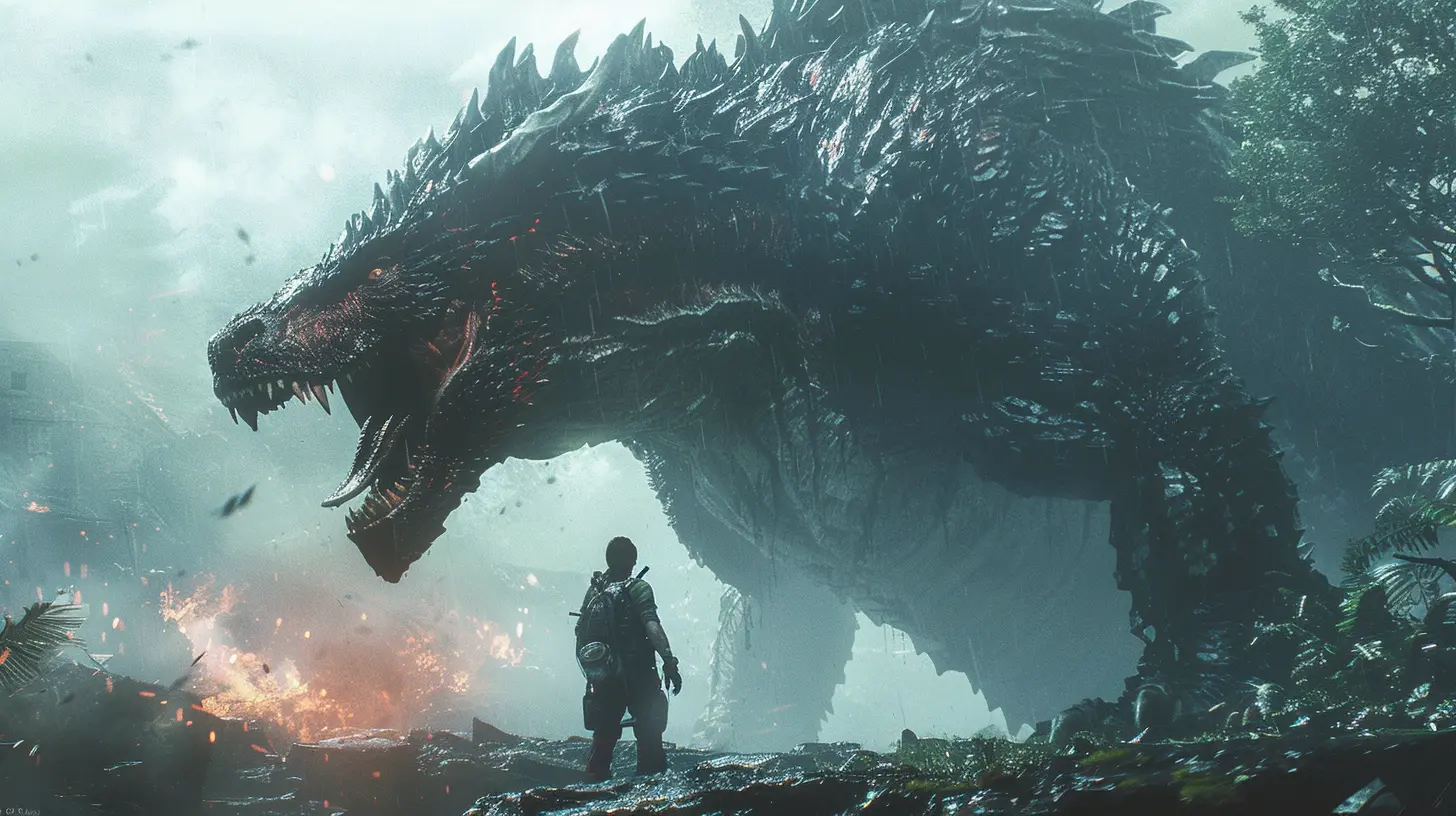
Why Do Leaks Happen Anyway?
Before we get into how leaks can derail branding, let’s talk about why they happen in the first place. Believe it or not, leaks don’t always come from shadowy figures lurking in dark corners of the internet. Sometimes, they’re accidental. Other times, they’re intentional.Accidental Leaks
Ever seen a retailer list a game for pre-order before it's officially announced? Oops. Sometimes, these errors come from third-party vendors who aren’t fully in the loop on embargo dates. And then there are the social media goofs—an intern hits "publish" instead of "save draft," and suddenly the whole world knows about a new game.Intentional Leaks
On the flip side, there are intentional leaks. These can come from disgruntled employees, hackers, or even overly enthusiastic community members who stumble upon hidden files in game updates or trailers.And let’s not forget the conspiracy theories. Some fans believe that companies orchestrate their own leaks to gauge public interest or to generate buzz. While this might sound a bit far-fetched, there’s no denying that leaks often get people talking. 
The Fallout: When Leaks Lead to Rebranding
So, what happens when a leak forces a developer’s hand? Well, it’s not always pretty. In some cases, a leaked title or concept might be so poorly received by the public that developers have no choice but to go back to the drawing board.Damage Control Mode: Change the Name, Save the Game
Take Project Beast as an example. When early footage of the game leaked, fans were quick to speculate about its connection to Demon’s Souls. The developers, FromSoftware, were left scrambling to manage expectations. They eventually rebranded the game as Bloodborne, a title that better reflected its gothic horror aesthetic.Another notable example is Ubisoft’s Immortals Fenyx Rising. Originally titled Gods & Monsters, the game underwent a significant rebranding after its initial reveal. While Ubisoft cited creative reasons for the name change, some insiders speculated that early leaks and legal concerns (cough Monster Energy cough) played a role in the switch.
The Butterfly Effect of Leaks
It’s not just about the name, though. Leaks can affect the entire direction of a game. If early concept art or gameplay footage leaks and receives backlash, developers might feel pressured to make changes. This can lead to delays, budget overruns, and, in some cases, a final product that doesn’t align with the original vision.Can Leaks Ever Be… A Good Thing?
Okay, so we’ve established that leaks are usually a pain in the neck. But could they ever be beneficial? Surprisingly, yes—sometimes.When a leak generates genuine excitement, it can create buzz that no marketing campaign could ever replicate. Fans start speculating, dissecting every piece of information, and hyping each other up. By the time the official reveal rolls around, the game already has a dedicated audience chomping at the bit.
This is more likely to happen with beloved franchises or developers who have built up trust with their audience. In these cases, leaks act as a kind of unofficial teaser campaign. Think of it like a happy accident—sure, it wasn’t part of the plan, but it worked out in the end.
How Developers Are Fighting Back
Despite the occasional silver lining, most studios would much rather keep their secrets under wraps. So, how are they fighting back against leaks?Tightened Security
Many companies have implemented stricter security measures, from encrypting files to limiting access to sensitive information. Some developers even conduct “leak tests,” planting fake details to see if they spread online.Controlled “Leaks”
Remember those conspiracy theories about companies leaking their own games? Well, they’re not entirely baseless. Some studios have started experimenting with controlled leaks, releasing small pieces of information to trusted sources to test the waters.Transparency and Communication
In recent years, some developers have adopted a more transparent approach. By engaging directly with the gaming community and acknowledging leaks when they happen, they can take control of the narrative. For example, CD Projekt Red addressed leaks of Cyberpunk 2077 head-on, incorporating fan feedback into their marketing strategy.Final Thoughts
The gaming world is full of surprises, and leaks are just one of them. While they can cause headaches for developers and marketers, they also remind us of the passion and curiosity that gamers bring to the table. After all, leaks wouldn’t be a big deal if people didn’t care so much about the games they love.So, the next time you hear about a leaked title or a surprise rebranding, take a moment to appreciate the chaos. Behind every leak is a story—a story of creativity, ambition, and maybe even a little bit of panic.
At the end of the day, whether it’s a brand-new title or a rebranded masterpiece, what really matters is the experience waiting for you when you press “Start.
all images in this post were generated using AI tools
Category:
Gaming LeaksAuthor:

Whitman Adams
Discussion
rate this article
2 comments
June McNeal
Leaks: the double-edged sword of hype and regret in the gaming industry’s branding saga.
February 9, 2026 at 5:38 PM
Whitman Adams
Absolutely, leaks can generate excitement but often lead to disappointment when expectations clash with reality, highlighting the fine line between hype and regret in gaming.
Alvin McSweeney
Leaks reshape expectations, challenge creativity.
February 7, 2026 at 4:31 AM
Whitman Adams
Absolutely! Leaks can shift perceptions and force developers to rethink their creative strategies.