Remaking RPGs: A Delicate Balance of Depth and Accessibility
19 April 2026
Do you remember the first time you got lost in a role-playing game (RPG)? That feeling of stepping into another world, talking to strange characters, managing your inventory like a medieval grocery store, and trying to figure out what the heck “mana” was? RPGs are kind of magical, right? But here’s the thing—remaking them is a risky business.
Today, game developers are bringing back some of the most iconic RPGs. Think Final Fantasy VII Remake, Mass Effect Legendary Edition, and even older gems like Live A Live. But the big question is: how do you remake an RPG without taking away what made it special to begin with?
Creating a remake that respects the original while appealing to modern audiences is like walking a tightrope during a thunderstorm while juggling fire. Not easy. There's a very fine line between keeping things deep and making them accessible to new players. So let’s dive into why remaking RPGs is such a delicate dance.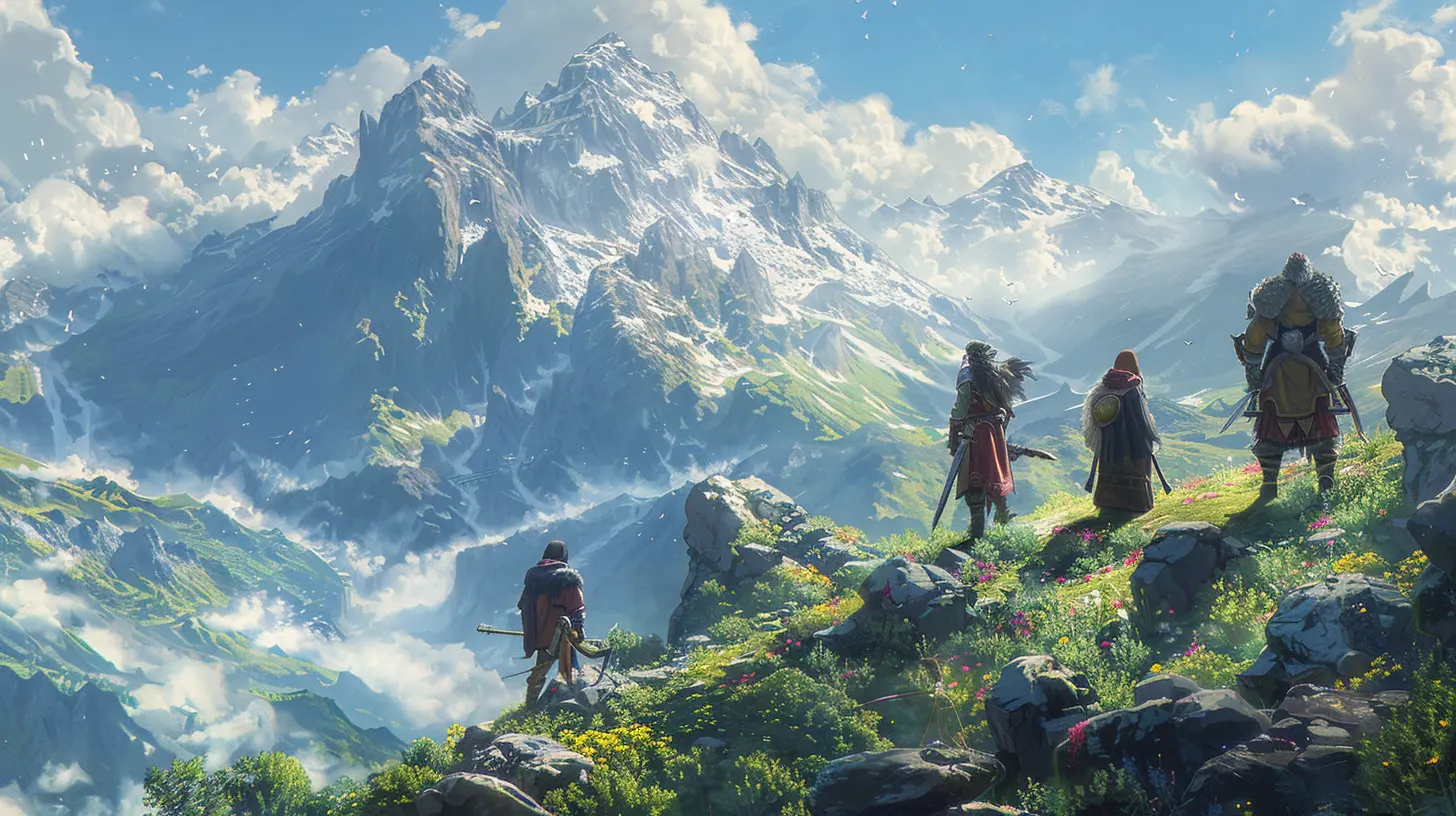
Why Remake RPGs In The First Place?
Let’s start with the basics: why even bother remaking an RPG?Well, for one, nostalgia is a heck of a drug. Gamers from the '80s, '90s, and early 2000s want to relive their favorite adventures—but polished like a shiny new sword. Remakes give developers the chance to breathe new life into classic stories, improve visuals, modernize controls, and fix any rough edges.
Also, let’s be real—old RPGs can be intimidating. Those 100+ hour epics with walls of text and no quest markers? That kind of challenge sounds cool to veterans but might scare off newbies looking for a smoother ride. So remakes serve both ends of the spectrum: honoring legacy while opening the door to fresh blood.
The Heart of RPGs: What Makes Them Tick?
Before we go further, let’s ask: what makes RPGs so beloved?The answer's not simple, but here are the usual suspects:
- Deep storytelling: Plots that tangle like spaghetti, where choices matter and characters actually grow.
- Complex systems: Skill trees, stats, crafting, alchemy, and combat systems that you can sink hours into.
- Worldbuilding: Not just a setting, but a living, breathing world that feels like it exists beyond just the player.
- Player agency: The sense that your decisions carry weight.
Mess with those elements too much, and you risk blowing the soul right out of the game. But if you leave them untouched, you might leave modern players scratching their heads. So now the big puzzle is: how do you hit that sweet spot?
The Challenge: Balancing Depth and Accessibility
Ah, the meat and potatoes of the issue. Balancing depth and accessibility is where the real battle begins.Depth is what gives RPGs their flavor. You want layered systems, branching quests, and meaningful character builds. But too much complexity? Players might bounce off it like a rubber ball on concrete.
Accessibility, on the other hand, is about ease of entry. It's how quickly you can understand and enjoy a game without needing a 300-page manual or a PhD in fantasy economics. The trick is making a game feel welcoming without dumbing it down to the point where it’s just button-mashing.
Let’s break down how devs try to thread the needle.
1. Combat Systems: Strategic vs. Simplified
Take a game like Final Fantasy VII Remake. The original had turn-based combat, and fans loved it. But when Square Enix modernized it, they went with real-time action. Was it risky? Heck yes. Did it work? For the most part, absolutely.They found a way to include tactical depth with the ATB system while keeping the flow exciting for modern players who crave action. This is how you make combat accessible without losing strategy.
Compare that to something like Dragon Age: Inquisition. It offered both a tactical camera and action combat. The result? You could play it however you preferred—strategy nerd or hack-and-slash warrior.
2. Menus & UI: Streamlining Without Dumbing Down
Old RPGs loved their menus. Like, loved them. You could open a menu to open another menu that led to another menu. It was like Inception but nerdier.Modern remakes need to clean that up. No one wants to spend 10 minutes equipping boots. At the same time, simplify too much and you lose control over customization.
Good remakes now use dynamic UIs—highlighting important info, color-coding threats, and using short tooltips instead of throwing a dictionary at you. It's like giving players a treasure map instead of dropping them in the jungle blindfolded.
3. Storytelling: Respecting the Old, Enhancing the New
Stories evolve. While early RPGs often had limited text and simple arcs (mostly due to hardware limitations), modern games can go all out with dialogue, cutscenes, and voice acting.Remakes give developers the opportunity to expand the narrative, add new character moments, and flesh out backstories. But this has to be done delicately. You can't just bolt on new chunks of story and call it a day.
A good example? Mass Effect Legendary Edition cleaned up pacing and refined dialogue without changing the core plot. It enhanced the original flavor without drowning it in extra sauce.
4. Customization & Player Choice: Embrace It
One of the joys of classic RPGs is putting your own spin on the story. Whether it’s choosing between the light and dark side or deciding who lives and dies, those choices matter.When remaking an RPG, developers must ensure player agency isn’t sacrificed in the name of accessibility. If anything, remakes give a chance to expand on these systems—maybe add more ethical ambiguity, new consequences, or multiple endings based on your playstyle.
Players love feeling like their choices matter. Take that away, and you turn an RPG into a glorified movie.
5. Tutorials & Onboarding: Show, Don’t Overwhelm
Let’s be honest: jumping into an RPG can be like stepping into algebra class without a calculator. That's where tutorials and onboarding come in.The best remakes don’t just dump mechanics on you. They guide you gently, like a wise old mentor in a fantasy tavern. They tell you just enough to get rolling and let you discover the rest for yourself.
Take Persona 5 Royal. It’s packed with mechanics—social links, turn-based combat, dungeon crawling—but it paces the learning curve beautifully. That’s the gold standard for accessibility without sacrificing depth.
Risks of Leaning Too Far Either Way
So what happens if you get the balance wrong?If you lean too far into accessibility:
- The game becomes too easy.
- Systems feel shallow.
- Long-time fans feel betrayed.
If you lean too far into depth:
- New players feel lost.
- Tutorials become overwhelming.
- The game’s audience shrinks.
It’s about walking that line—kind of like seasoning a stew. Too much spice? It’s unplayable. Not enough? It’s bland. Get it just right? You've got a masterpiece.
Listening to the Fans vs. Trusting the Vision
Here’s another tricky piece of the puzzle: fan expectations.Fans of classic RPGs are passionate. Like, really passionate. They have spreadsheets. Some of them know the original code better than the developers do. So when a remake is announced? The hype (and suspicion) is real.
Smart developers listen to feedback—but they also know when to trust their instincts. After all, if you try to make everyone happy, you end up making no one happy. It’s all about capturing the spirit of the original, not copying it pixel for pixel.
What the Future Might Look Like
Looking ahead, remakes won’t stop anytime soon. We might even see remakes of remakes. (Yes, that’s already happening.)But here’s what we hope for:
- More accessibility settings (difficulty levels, text size options, colorblind modes).
- Deeper character writing.
- Smarter AI companions.
- Customizable interfaces.
- Optional “Classic Mode” for purists.
The next evolution of remakes might offer branching paths—one version for the hardcore fans, another for newcomers. It’s experimental, sure, but hey…that’s where great games come from.
Final Thoughts: Can You Have It All?
So, can developers really remake an RPG while keeping both depth and accessibility? Yes—but it's hard. Really hard.It’s like trying to revive a vintage car. You want to keep the curves and spirit, but maybe add airbags and GPS. It’s not about changing the soul of the game. It's about translating it for a new generation without losing what made it timeless.
As players, we should appreciate the effort and voice feedback with empathy. And as developers, the mission is clear: respect the past, polish the present, and create a future worth playing.
So next time you boot up a remake of your favorite RPG, think about the incredible balancing act behind the scenes. And maybe—just maybe—thank the devs for walking that tightrope so we don’t have to.
all images in this post were generated using AI tools
Category:
Game RemakesAuthor:

Whitman Adams
Discussion
rate this article
2 comments
Leo Wright
Depth isn't sacrificed for accessibility; it's translated. Stop coddling players. True RPGs demand engagement, not participation trophies. Respect the genre's intelligence.
April 29, 2026 at 2:41 PM
Whitman Adams
I appreciate your perspective. Balancing depth and accessibility is crucial, but we should also remember that expanding the audience can enhance the genre's longevity. Engagement can come in many forms.
Elizabeth Becker
Striking the perfect chord between complexity and user-friendliness is no small feat. Remaking RPGs is like crafting a fine potion—too many ingredients and it’s overwhelming, too few and it’s bland. The challenge is in finding that magical balance.
April 25, 2026 at 4:05 AM
Whitman Adams
Absolutely! It's all about finding that sweet spot where players feel engaged without getting lost in complexity. Striking that balance can redefine the gaming experience.