Should Game Remakes Stay Faithful or Reinvent Themselves
7 April 2026
Gaming has come a long way since the 8-bit days. With every new generation of consoles, graphics, storytelling, and gameplay mechanics reach mind-blowing levels of sophistication. But oddly enough, we keep looking back. Remakes and remasters are popping up like mushrooms after a rainy day. And it begs the question:
Should game remakes stay faithful to the originals, or should they take liberties and reinvent themselves?
That’s the big debate in the gaming world right now. And honestly, there’s no one-size-fits-all answer. Let’s break it down, weigh the pros and cons, and see where we land on this pixelated tug-of-war between nostalgia and innovation.
The Pull of Nostalgia: Why Staying Faithful Feels Right
Remember the first time you played your favorite childhood game? The music, the characters, the boss fights that felt impossible? That emotional core drives the argument for staying faithful to the original.Fans Want the Old Magic Back
People often replay classics not just for the gameplay, but for the way those games made them feel. A faithful remake preserves that magic. It’s like visiting your childhood home — you want everything to look and feel the same, just a bit shinier.Games like the “Crash Bandicoot N. Sane Trilogy” or “Spyro Reignited Trilogy” captured this perfectly. They stuck to the original level design and game flow but gave everything a fresh coat of paint. Fans loved it because it felt like their childhood, only in 4K.
It’s About Respecting the Legacy
When developers stick to the original story, pacing, and mechanics, it shows respect to what came before. These games often hold a special place in gaming history, and messing with them can seem sacrilegious.There’s a sentimental weight tied to every pixel. Change too much, and it’s like painting over a masterpiece — sure, it might look modern, but is it still the original at heart?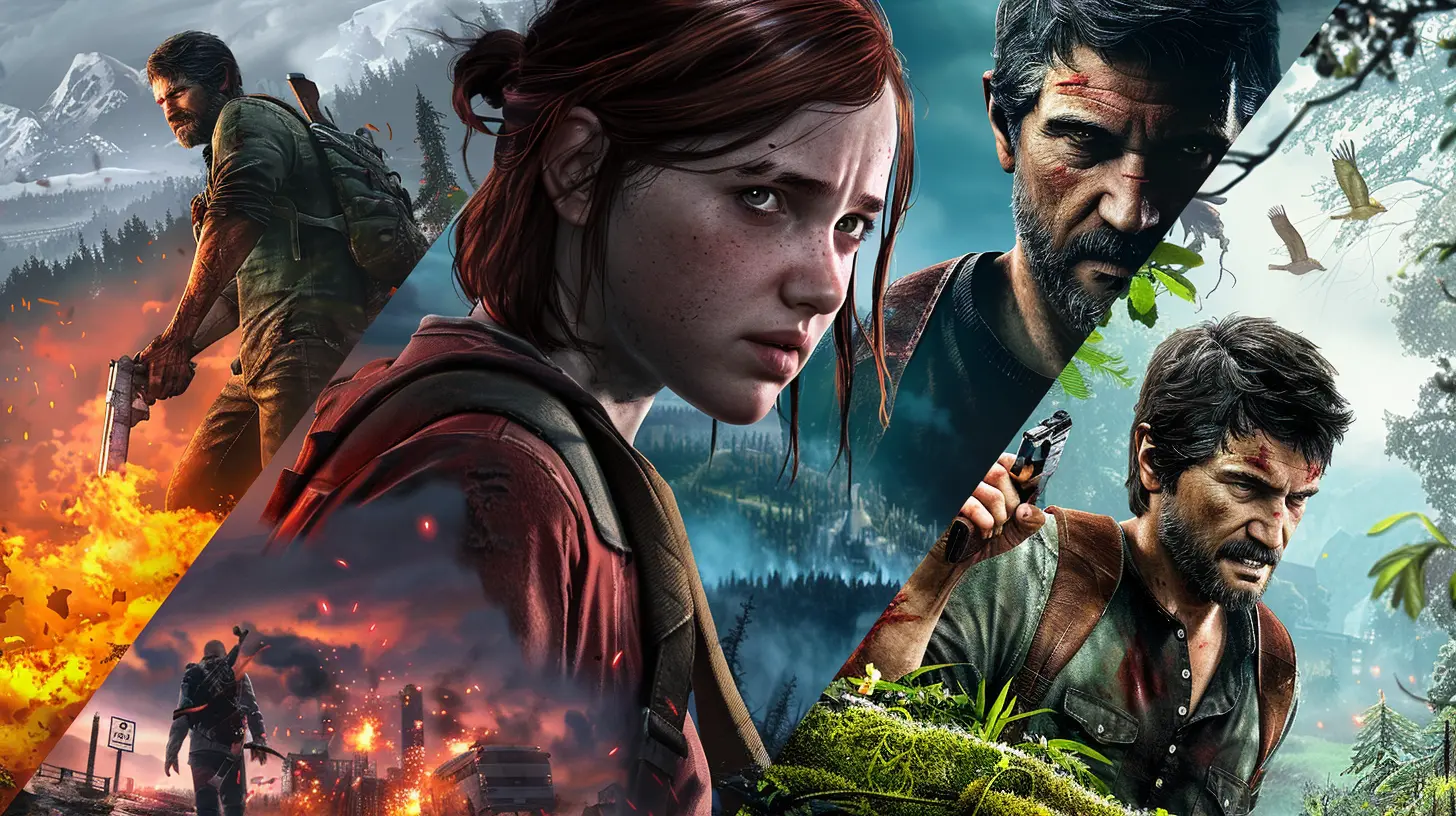
The Case for Reinvention: Modern Times Call for Modern Games
But let’s be real — not every part of old games has aged like fine wine. Sometimes, a faithful remake can actually highlight just how outdated certain mechanics or design choices were. That’s where reinvention comes in.Updating Gameplay for Modern Audiences
Some old-school games were tough — brutally tough — not because they were meant to be, but because developers worked with the limitations of the time. Tank controls, clunky menus, invisible save points... yeah, not everything deserves to be preserved.Reinventing the gameplay can breathe new life into a classic. The “Resident Evil 2” remake is a textbook example. It ditched the fixed camera angles and awkward controls for a third-person shooter format. Still creepy, still intense — just way more fun to play.
Telling the Story Through a Modern Lens
The way stories are told in games has evolved. Today’s players expect deeper characters, more engaging narrative arcs, and nuanced themes. Sometimes, a 1:1 remake just can’t deliver that.Take “Final Fantasy VII Remake.” It didn’t just update the graphics — it expanded the story, added character development, and introduced a whole new layer of meta-narrative. It was bold, sometimes divisive, but undeniably ambitious.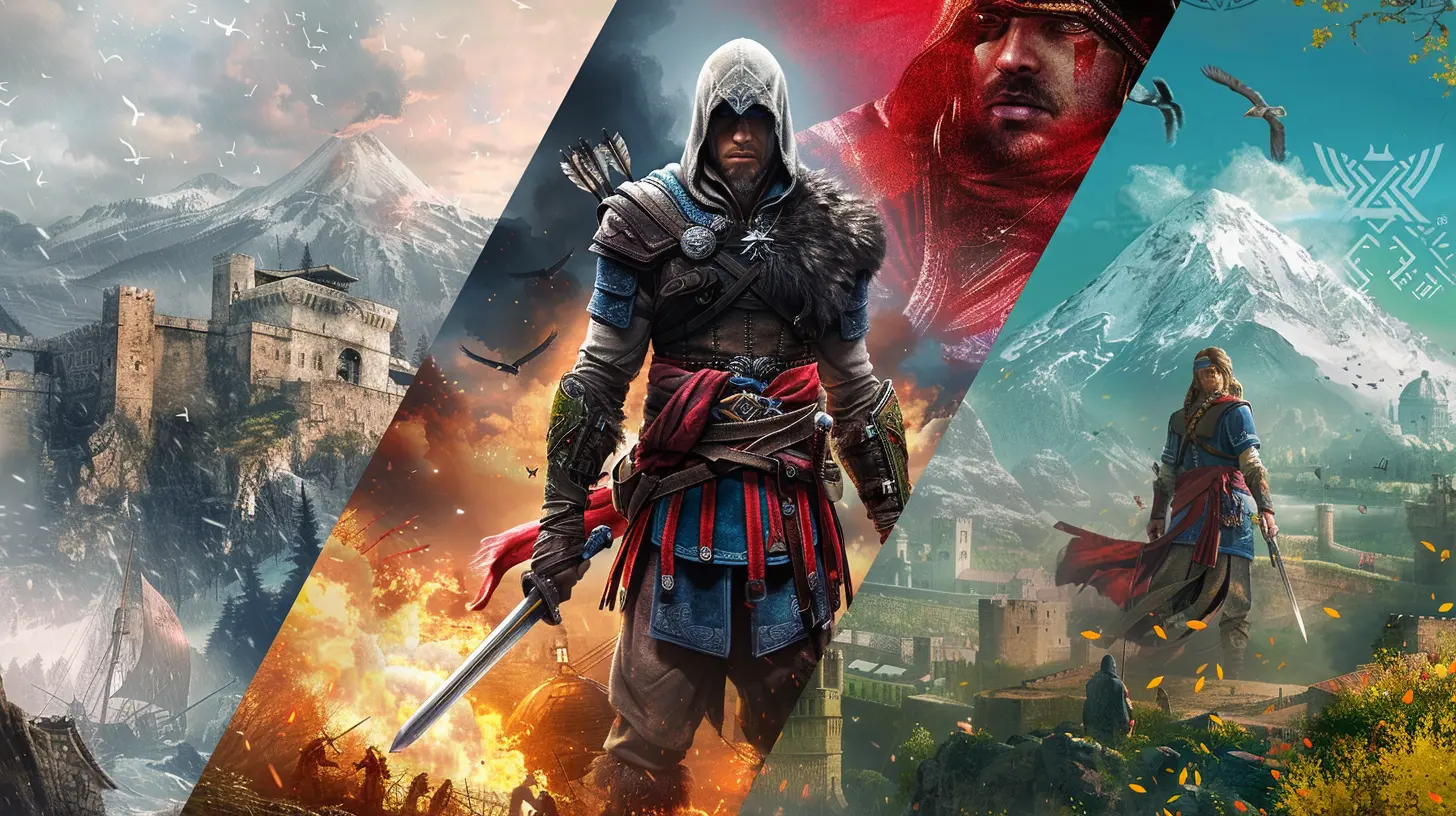
When Faithfulness Goes Too Far
Let’s flip the script for a second. Sticking too closely to the original can sometimes backfire.The Risk of Feeling Dated
A remake that’s too faithful might bring back the same flaws that plagued the original. Poor pacing, outdated controls, or frustrating difficulty spikes can kill the fun. Nostalgia alone can't save bad design.“Pokémon Brilliant Diamond and Shining Pearl” tried to be ultra-faithful to the original DS games — and got flak for it. Fans wanted enhancements, not a carbon copy in HD.
Missed Opportunities
A remake is a chance to fix what didn’t work the first time. Whether it's improving a weak story thread, tweaking level design, or adding content that had to be scrapped back then, there’s room to improve.Sticking rigidly to the source material might mean passing up a golden opportunity to make something truly special.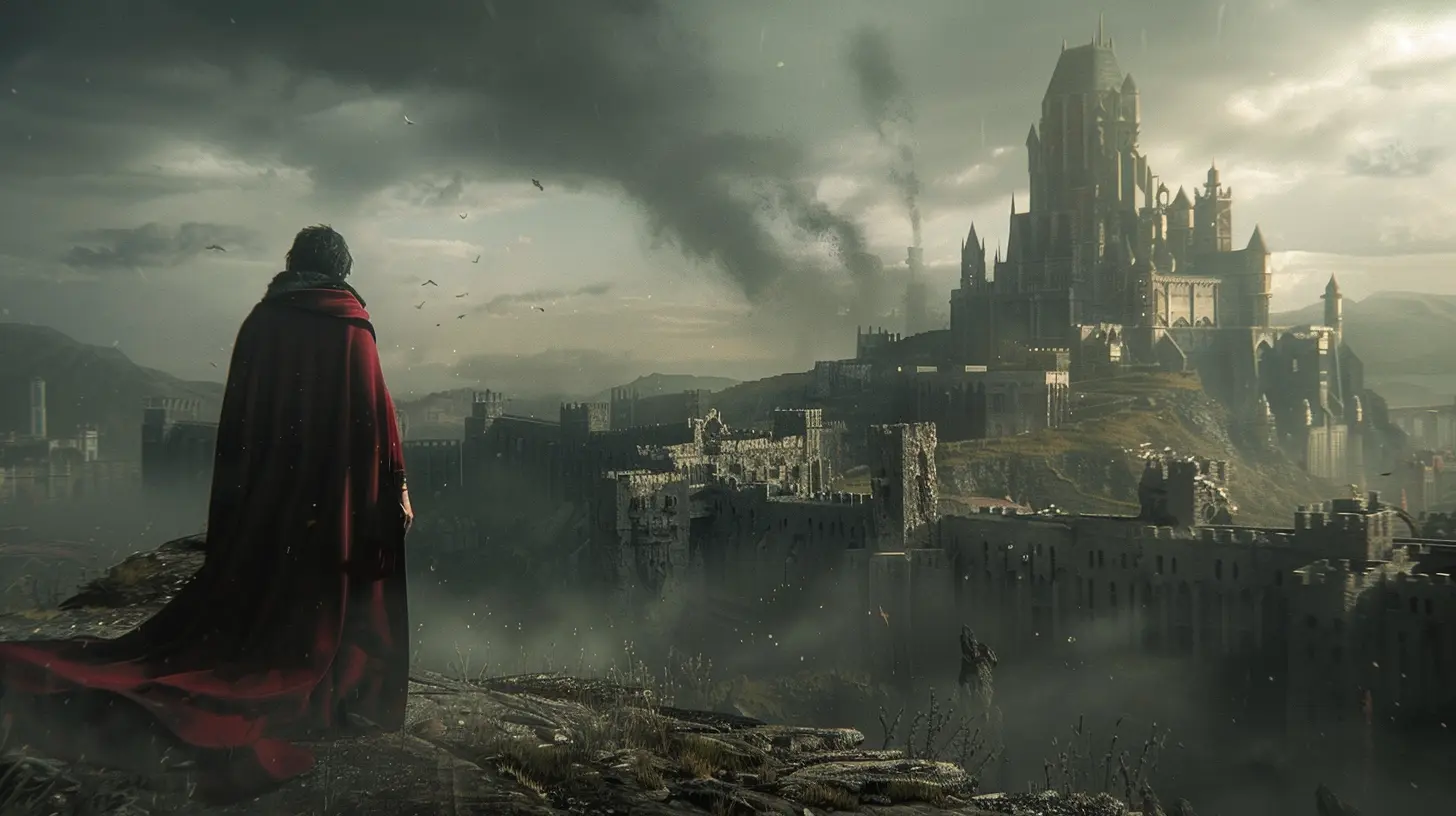
When Reinvention Goes Too Far
But hey, it’s not all sunshine on the reinvention side either.Alienating the Core Audience
Go too far with changes, and longtime fans might feel like the game no longer represents what they loved.Remember “Devil May Cry” 2013 (the DmC reboot)? While it had its fans, many OG players disliked the new tone, character redesigns, and edgier vibe. It felt like a different franchise entirely.
Risk of Overcomplicating Things
Sometimes, less is more. Overhauling mechanics or injecting gritty realism into a previously whimsical game might just make it less fun. Reinvention should enhance, not overshadow the original charm.Striking the Balance: The Sweet Spot of Successful Remakes
So, what's the answer? Is there a right way to remake a classic?Blend the Old and New
The most beloved remakes usually respect the original while smartly updating what needs work. They keep the spirit, tone, and core gameplay intact — then smooth out the rough edges for a modern audience.Think of it like a renovation rather than a demolition. Keep the foundation, repaint the walls, fix that creaky door, and maybe add a new room or two.
Know Your Audience
Are you aiming at nostalgia-fueled veterans or brand-new players? Understanding your target plays a huge role in how much you should change. A good remake should be accessible to newcomers while still giving longtime fans that cozy, familiar vibe.Examples That Got It Right
- Resident Evil 2 Remake – Modern gameplay meets faithful atmosphere.- Final Fantasy VII Remake – Expanded narrative with fresh mechanics.
- Shadow of the Colossus (PS4) – Visual overhaul, same breathtaking experience.
- Metroid: Samus Returns – Revamps combat while staying true to the series’ roots.
These games all walked that tricky line between homage and innovation — and thrived because of it.
The Final Verdict? It Depends
Yep, that’s the answer no one wants to hear — but it’s the truth.Whether a game remake should stay faithful or reinvent itself depends on a lot of factors: the original game’s strengths and weaknesses, the fanbase’s expectations, and what developers genuinely want to achieve.
Some games are timeless and just need a fresh coat of paint. Others deserve a second chance with new mechanics, better pacing, and improved storytelling. And there’s value in both approaches. One honors history, the other writes a new chapter.
At the end of the day, a remake’s success comes down to heart and execution. If the love and care are there? Players will feel it — whether they’re reliving their favorite moments or experiencing a classic for the first time with modern eyes.
So, What Do You Think?
Got a favorite remake? Was it faithful, reinvented, or a bit of both? Or maybe there's a game you wish would get a redo (the way YOU want it)? Let’s chat in the comments — this is one debate where everyone’s experience counts.Because ultimately, games aren’t just code and pixels — they’re memories, emotions, and stories we carry with us. And how we choose to retell those stories? Well, that’s half the fun.
all images in this post were generated using AI tools
Category:
Game RemakesAuthor:

Whitman Adams
Discussion
rate this article
2 comments
Beatrix Diaz
Balance nostalgia and innovation!
April 10, 2026 at 2:52 PM
Whitman Adams
Absolutely! Finding that sweet spot between honoring the original and bringing fresh ideas can create the best experience for both old fans and new players.
Lila Webster
Balancing nostalgia with innovation shapes meaningful gaming experiences.
April 8, 2026 at 3:24 AM
Whitman Adams
Absolutely! Balancing nostalgia with innovation allows remakes to honor the original while offering fresh experiences that resonate with both old and new players.