Skill Trees Explained: Mastering the Art of RPG Character Progression
4 December 2025
When you think of your favorite role-playing games (RPGs), there’s a good chance that skill trees play a starring role in how your character grows stronger and more versatile. Whether it’s unleashing devastating fire spells, mastering stealth takedowns, or wielding massive warhammers with finesse, skill trees offer players a sense of control and personalization over their in-game journey. That’s the beauty of RPGs—they let you carve your own path toward becoming the ultimate hero (or anti-hero).
But what exactly are skill trees, and why do they matter so much? Well, sit tight, because we're about to break this system down into bite-sized chunks. By the end of this, you’ll not only understand how skill trees work but also feel confident tackling them in any RPG. Let’s get started, shall we? 
What Are Skill Trees?
Think of a skill tree as a roadmap for your character’s growth in an RPG. It’s usually a branching system that visually lays out abilities, perks, or stats that you can unlock as you progress. Each branch represents a unique path your character can take, often based on their class or playstyle.Imagine a literal tree. The trunk is your starting point—basic abilities or skills every character begins with. As you level up, you “climb” the tree, choosing specific branches (abilities) to specialize in. Want to become a master archer? Or maybe you prefer to dabble in dark magic? Each branch offers unique opportunities, but it’s up to you how far you want to climb in any direction.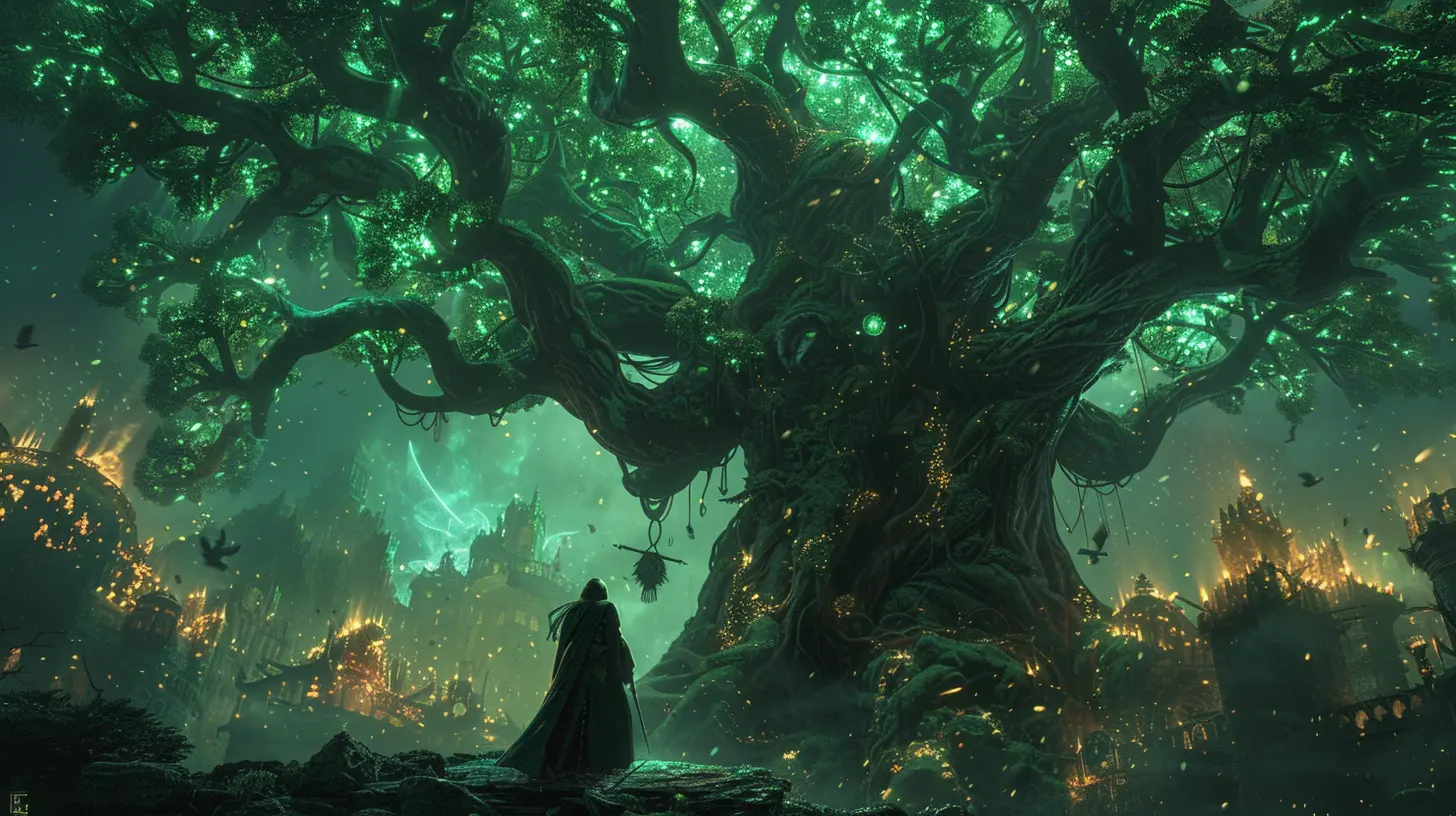
Why Are Skill Trees Important?
Skill trees are more than just a glorified menu system—they’re the heart and soul of RPG progression. They’re what make your hero feel unique compared to someone else’s. Your choices in the skill tree often define your playstyle, strengths, and weaknesses.Ever felt overwhelmed when faced with dozens of choices? That's intentional! A good skill tree encourages experimentation and replayability by forcing you to make meaningful decisions. Rather than being a jack-of-all-trades, you’ll need to specialize. This creates variety and ensures that no two characters are exactly alike.
The Anatomy of a Skill Tree
Let’s break down the core elements of a skill tree, so you’re not left scratching your head the next time you open one.1. Branches and Paths
These represent distinct areas of expertise within the tree. For example, a warrior’s skill tree might have branches for offense (damage-dealing), defense (armor/tanking), and utility (movement or crowd control). Your choices determine which path your character excels at.2. Nodes
Nodes are individual skills, abilities, or perks that you unlock as you progress. Some nodes might give you simple stat boosts (like +5% attack speed), while others unlock flashy abilities (like a spinning sword attack).3. Prerequisites
Skill trees often have prerequisites, meaning you’ll need to unlock certain nodes to access others. This keeps the system feeling like an actual progression rather than a free-for-all. Think of it as needing to master the basics before you can do the fancy stuff.4. Skill Points
Most RPGs reward you with ‘skill points’ as you level up. Skill points are the currency you use to unlock nodes in your tree. Since skill points are limited, you’ll need to spend them wisely—hence the importance of planning ahead.
Types of Skill Trees
Not all skill trees are created equal. Depending on the game, you’ll encounter different types of systems. Let’s go over some of the most common ones:1. Class-Based Skill Trees
These trees are tied to your character's class (e.g., warrior, mage, or rogue). Each class gets a unique tree tailored to their archetype. If you’re playing a mage, expect trees full of spellcasting abilities like fireballs or teleportation.Example: In Dragon Age: Inquisition, your character’s class determines which trees you have access to. A dual-wield rogue might focus on stealth and backstab bonuses, while a tanky warrior leans toward shield-based skills.
2. Hybrid Skill Trees
Some games let you mix and match abilities from multiple trees, giving you more freedom to create hybrid builds. Want to combine magic and melee combat? Go for it. This type of system is perfect for players who like to experiment.Example: Elder Scrolls V: Skyrim lets you invest in both one-handed weapons and destruction magic, encouraging creative combinations.
3. Linear Skill Trees
The simplest type—these progress in a straight line. While less flexible, linear trees ensure that every player follows a balanced progression, unlocking more powerful skills as they go.Example: The Witcher 3 features linear trees that gradually improve Geralt’s abilities in combat, magic, and alchemy.
4. Grid or Sphere Systems
Think of these as a skill "web" rather than a tree. You can branch out in multiple directions, creating surprisingly deep and interconnected builds. Example: Final Fantasy X’s Sphere Grid is a perfect example of this. Players can navigate nodes in an open-ended way, creating highly customized characters.
Tips for Mastering Skill Trees
Now that you know what skill trees are, let’s talk strategy. Here are some tips to make the most of your skill points and dominate your next RPG.1. Plan Ahead
Many games provide a preview of the skill tree. Take a few minutes to look it over and decide which branch aligns with your playstyle. Do you like smashing enemies up close, or do you want to snipe them from afar? Planning ensures you won’t waste skill points on abilities you’ll never use.2. Specialize, Don’t Generalize
It’s tempting to spread your skill points across multiple branches, but specialization is often more effective. Focusing on one path lets you reach the most powerful abilities faster, giving you a significant edge.3. Adapt to the Game’s Challenges
Your build should reflect the challenges you’re facing. Struggling against heavily armored foes? Invest in armor-piercing skills. Getting constantly ambushed? Put points into defense or evasion.4. Experiment
Many RPGs allow you to reset your skill points at a small cost (often called “respec-ing”). Don’t be afraid to test different builds if your current one isn’t cutting it. Sometimes, the fun is in mixing things up.5. Balance Flashy and Practical Skills
Sure, that ability that lets you conjure a fiery dragon looks cool, but does it fit your strategy? Balance powerful, flashy skills with practical perks that boost survival or efficiency.How Developers Use Skill Trees to Enhance Gameplay
Designing a skill tree isn’t just about throwing abilities on a menu. Developers carefully craft trees to enhance the player’s experience. A well-designed skill tree encourages experimentation while rewarding skillful or strategic play.For example, the skill tree in Path of Exile is a labyrinth of interconnected nodes. Initially overwhelming, it transforms into a sandbox for creative builds. On the other hand, games like Assassin’s Creed Valhalla use themed clusters in their skill trees, making each choice feel intentional and tied to the world.
Developers also use skill trees to encourage replayability. A single playthrough might only allow players to explore one or two branches, tempting them to replay the game with an entirely different build.
Skill Trees in the Future of RPGs
With RPGs constantly evolving, skill trees continue to see innovation. Games are experimenting with dynamic systems, where skills adapt to your playstyle. Others integrate storytelling, where certain skills unlock based on your in-game choices.The future is all about finding new ways to make progression feel personal, meaningful, and fun. Who knows? Maybe the next big RPG you play will have a skill tree so intuitive you’ll wonder how you ever lived without it.
Final Thoughts
Skill trees are the backbone of RPG character progression, giving players control over how their hero grows and evolves. Whether you’re a seasoned RPG veteran or a newcomer cautiously navigating your first stats menu, understanding these systems will make your experience infinitely more enjoyable. So the next time you’re staring at a screen full of nodes and branches, don’t panic. Take a deep breath, plan your path, and climb that tree—it’s all part of the adventure!all images in this post were generated using AI tools
Category:
Fantasy RpgsAuthor:

Whitman Adams
Discussion
rate this article
3 comments
Dominique Maddox
Skill trees are like choosing your own adventure! It’s always a thrill to plan out my character's path, mixing skills and abilities. Whether I go for a formidable warrior or a cunning mage, it’s all about that journey and the choices we make. Love it!
April 13, 2026 at 4:03 PM
Whitman Adams
Absolutely! The excitement of customizing a character's journey with skill trees truly enhances the RPG experience. It's all about those personal choices that shape your adventure.
Zealot Abbott
Skill trees are more than just mechanics; they reflect a player’s choices and playstyle. Embracing their complexity fosters creativity in character development, allowing for unique journeys that enhance the overall RPG experience. Choose wisely!
December 13, 2025 at 5:18 PM
Whitman Adams
Absolutely! Skill trees are a powerful tool for personalizing gameplay, allowing players to express their creativity and shape their unique character journeys. Choose wisely to enhance your RPG experience!
Zadie Fry
Great article! Skill trees can truly enhance the RPG experience, offering players a chance to shape their characters uniquely. Thanks for breaking it down!
December 8, 2025 at 3:54 PM
Whitman Adams
Thank you! I'm glad you enjoyed the article and found the insights on skill trees helpful for enhancing RPG experiences!