Sleep, Stress, and Gaming: Finding the Right Balance
7 December 2025
Let’s be real — gaming is awesome. It’s immersive, challenging, social, and sometimes downright addictive. Whether you're grinding in ranked matches, building pixel-perfect bases, or hunting for trophies, gaming gives us thrills like no other hobby. But here’s the kicker — if you're not careful, it can mess with your sleep and crank up your stress levels like a boss battle you can’t beat.
You’ve probably pulled a few all-nighters for a game release or felt your heart pound through your chest after intense PvP sessions. But how much is too much? And how does gaming really impact sleep and stress? More importantly, how can we balance our passion for gaming with our overall well-being?
Let’s press start on this conversation.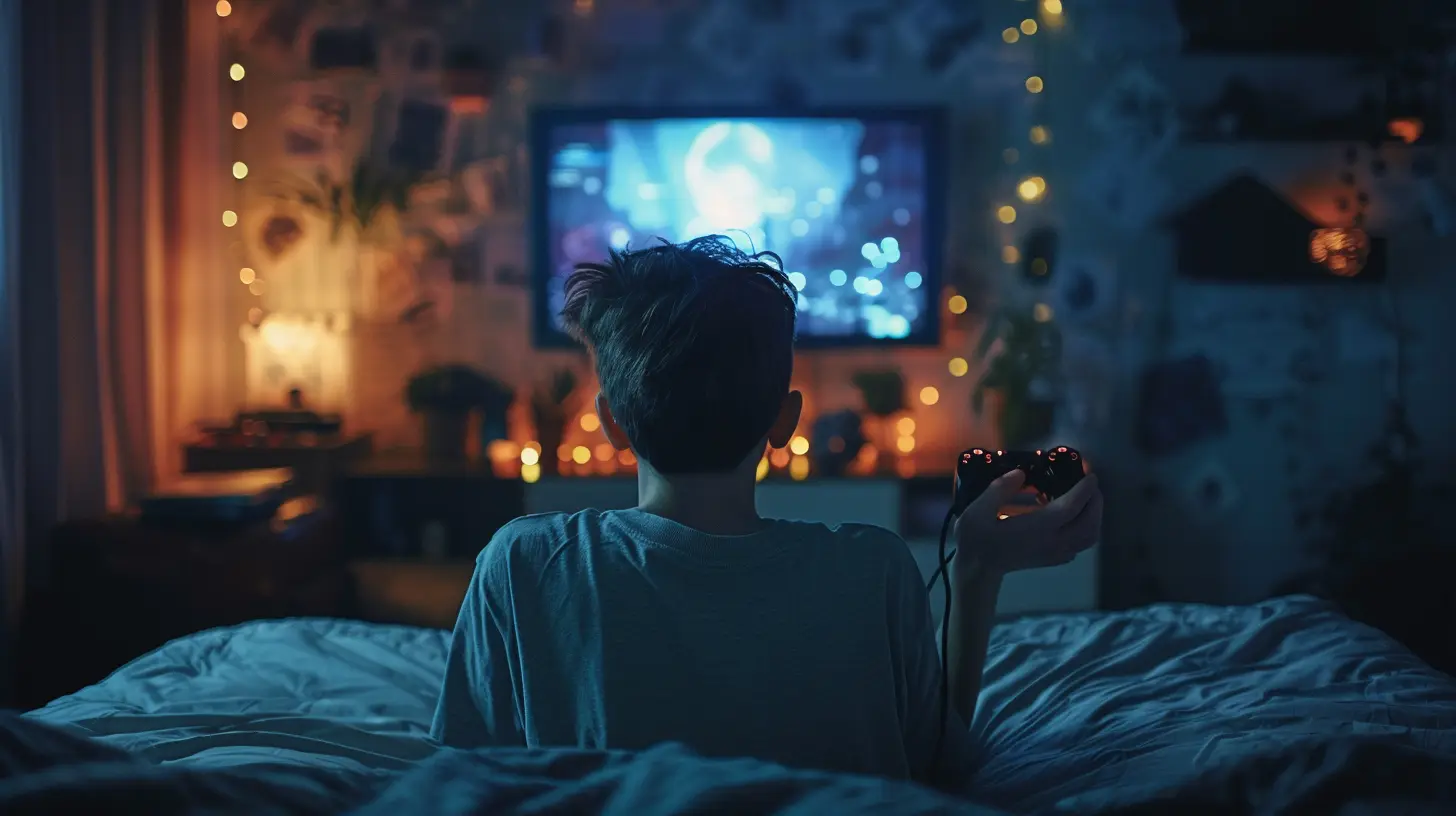
The Gaming Lifestyle — Built for Excitement (and Late Nights)
Gaming, by nature, is exciting. Whether you’re soloing a hard raid or coordinating tactics with your squad, your brain is firing on all cylinders. Add sharp visuals, loud sound effects, and real-time decision-making, and your nervous system basically thinks it's in a war zone.Now toss in a little competition, maybe some caffeine, and hours of screen time. What do you get? A recipe for overstimulation — and that’s a direct hit to your sleep cycle.
Many gamers don’t realize they're living in a loop: Stay up late gaming, sleep less, wake up tired, get stressed, game more to cope, repeat. It’s a vicious cycle dressed in a fun disguise.
How Gaming Affects Your Sleep
Let’s break it down. Sleep is like your body's save point. Without it, you can't level up — physically or mentally.1. Blue Light Blues
Our screens emit blue light — which essentially tells your brain, "Hey! It’s daytime!" That’s bad news at midnight when you’re trying to wind down. Blue light suppresses melatonin, the hormone that helps you fall asleep.So even if you’re done gaming by 1 AM, your brain might still be revved up at 2 or 3. You’re tossing and turning, staring at the ceiling, wondering how that last match went wrong.
2. Increased Arousal and Alertness
Gaming pumps up your adrenaline. Fast-paced action or even a heated match in a cozy farming sim can trigger cortisol (a stress hormone). That’s the opposite of what you need when you're trying to chill and drift off.3. Delayed Bedtimes
Let’s not pretend we haven’t all said, “Just one more match.” Before you know it, hours have slipped by. Gaming often pushes sleep times back, especially when you're in the zone or chasing a high score.4. Poor Sleep Quality
Even if you manage to sleep, it might not be restful. Studies have shown gamers often experience lighter sleep with fewer REM cycles — the kind of sleep that's vital for memory, learning, and emotional stability.
How Stress and Gaming Are Entangled
Gaming can be your escape. That's part of its charm. It can distract, soothe, and transport you to a world where problems are simple — beat the boss, complete the quest, win the match.But here’s the plot twist: sometimes gaming causes more stress than it relieves.
1. Competitive Pressure
Playing ranked matches? Climbing leaderboards? Stress city. Competitive gaming triggers the same fight-or-flight response your body uses for real danger. That constant high tension isn’t healthy long-term.2. Toxic Communities
Ever been flamed in-game? Had a teammate rage quit or scream garbage over voice chat? Online toxicity can ruin vibes fast. What started as a fun session can quickly spiral into frustration and anger.3. Performance Expectations
Whether you're streaming, trying to maintain KD ratios, or just worried about holding your own in co-op, self-imposed pressure can sneak in. Suddenly, gaming feels like work — another thing you have to "succeed" at.Ironically, the very thing that’s supposed to reduce stress becomes a source of it.
The Sleepless Gamer — Warning Signs to Watch For
Not sure if your gaming habits are affecting your sleep and stress levels? Stay alert for these red flags:- Feeling groggy or irritable every morning
- Constantly saying, “I’ll sleep early tonight” (but never do)
- Using caffeine or energy drinks to stay awake
- Falling asleep during the day or feeling unmotivated
- Losing interest in non-gaming activities
- Snapping at people or feeling anxious without knowing why
If any of that hits home, don’t freak out. Lots of gamers have been there (including yours truly). The key is acknowledging it and pivoting toward balance.
Balancing Gameplay and Real Life: Practical Tips
Time for the real talk. You don’t have to quit gaming. You just need to game smarter.1. Set Hard Cutoff Times
Pick a time each night — say 10:30 PM — and make it non-negotiable. When that time hits, you pause, save, log out, and wind down. No negotiations, no “just this once.”2. Create a “Cooldown” Routine
After gaming, give your brain time to chill. Read a book, take a warm shower, listen to music — something relaxing that isn’t screen-based. This lets your brain switch gears and ease into sleep mode.3. Use Blue Light Filters
Most devices now have night mode or blue light filters. Turn them on after sunset. You can even grab blue light-blocking glasses if you’re serious about eye and sleep hygiene.4. Keep Screens Out of the Bedroom
Big ask, I know. But separating your gaming space from your sleeping space helps your brain associate bed with rest. No consoles or PCs on the nightstand, alright?5. Limit Caffeine and Energy Drinks
If you're pounding Monster or Red Bull all night, you're basically telling your body to stay wired. Try swapping them out for water or something less intense after 6 PM.6. Take Gaming Breaks
Not just during sessions — take full days off. Spend time outdoors, hit the gym, or catch up with friends. It’ll refresh your perspective and actually make your gaming time feel more enjoyable.7. Practice Mindful Gaming
Sounds cheesy, but it works. Be aware of how gaming makes you feel. If you're getting tilted, frustrated, or drained — take a break. Play games that relax you instead of ones that rile you up.When To Consider Cutting Back
Let’s get honest here. If gaming is starting to feel like a job, or you're ignoring responsibilities, relationships, or your health, it might be time to scale back. Not quit — just rebalance.Ask yourself:
- Is gaming helping me cope or just numbing me?
- Am I avoiding things in the real world?
- Do I feel in control of my playtime?
There’s no shame in asking these. Being self-aware is part of being a responsible gamer.
Benefits of a Healthy Game-Life Balance
Alright, so what do you get when you balance sleep, stress, and gaming?- Better Reaction Time – A rested brain processes faster and more accurately. You’ll ace those clutch situations.
- More Enjoyment – When gaming isn't a crutch, it's pure fun again.
- Longer Sessions Without Burnout – Ironically, playing less can help you play better.
- Improved Mood – Hello fewer mood swings, frustration, and gamer rage.
- No More Zombie Mornings – Waking up rested is seriously underrated.
Think of it this way: life is your main storyline, and gaming is the sweet side quest. Don’t let it take over the whole game.
Recommended Games for Relaxation
Need to de-stress? Here are some chill, low-pressure games perfect for winding down before bed:- Stardew Valley – Farming, fishing, friendships… cozy as heck.
- Animal Crossing: New Horizons – Pure serotonin in game form.
- Journey – Short, emotional, and visually stunning.
- Abzû – Underwater serenity meets exploration.
- Firewatch – Slow-paced, story-rich, and emotionally grounded.
These titles calm the mind instead of hyping you up. Perfect for those late-night sessions where you actually want to sleep afterward.
Closing Thoughts: Game On, Sleep Strong
Let’s face it — gaming isn’t going anywhere. And honestly, why should it? It’s a fantastic outlet for stress, creativity, and connection. But like any powerful tool, it has to be used mindfully.Sleep is crucial. Stress is manageable. Gaming is awesome. You don’t have to pick just one — you can balance all three like a true pro.
So, set your clocks, dim the lights, and level up your self-care game. Because the best players aren’t just good in-game — they’re winning in real life too.
Stay sharp, stay rested, and as always — game on.
all images in this post were generated using AI tools
Category:
Gaming And Mental HealthAuthor:

Whitman Adams
Discussion
rate this article
3 comments
Drift Blevins
Game on, but don’t forget to snooze and de-stress!
April 15, 2026 at 4:11 PM
Whitman Adams
Absolutely, balance is key. Enjoy the game, but make sure to rest. Your mind needs it!
Hayden McGlynn
Who knew balancing sleep and gaming was like trying to juggle flaming swords? One minute you’re conquering worlds, the next you’re snoozing during the tutorial. Remember, folks: even heroes need their beauty sleep—and a snack break!
December 10, 2025 at 4:18 PM
Whitman Adams
Absolutely! Balancing sleep and gaming is crucial for maintaining focus and performance. Heroes need rest to conquer their worlds effectively—snacks and sleep are key!
Eloise McFarland
Finding the right balance between sleep, stress, and gaming is crucial for mental well-being. Prioritizing rest can enhance gaming performance, while managing stress fosters a healthier, more enjoyable experience.
December 7, 2025 at 4:13 PM
Whitman Adams
Absolutely! Striking a balance between sleep, stress management, and gaming is key to optimizing both mental health and gaming performance. Prioritizing rest leads to a more enjoyable experience overall.