The Art of Pacing in Video Games
15 March 2026
Ever jumped into a game that felt like a rollercoaster from the start — thrilling, heart-racing, but by the end, you just felt… exhausted?
Or maybe the opposite — you’re three hours in, still waiting for something — anything — exciting to happen?
Yeah, that’s pacing. And it’s one of the most crucial, yet often invisible, elements that can make or break a gaming experience.
In this article, we’ll chat about what pacing in video games really means, why it matters so much, and how developers have mastered (or completely missed) the art of pacing in their games. So, grab a snack, sit back, and let’s jump into the rhythm behind your favorite games.
What Exactly is Game Pacing?
In the simplest terms, pacing is how a game moves through its moments — the balance between fast, exciting gameplay and slower, quieter parts. Think of it as the heartbeat of a game.It’s not just about how fast things happen, but when they happen. Good pacing creates tension and release — a bit like a symphony building to a crescendo, then easing off to let you breathe. Bad pacing? That’s static — either full blast until you’re fried or so dull you’re snoozing.
It’s All About Flow
A well-paced game keeps you in a state of flow — that sweet spot where you’re not bored but not overwhelmed. It keeps you engaged, moving from action to reaction, tension to relief, with just enough breathers to keep things fresh.Games that get this right? They feel like magic. You lose track of time. You think, “Just one more quest,”... and suddenly it's 2 AM.
Why Pacing Matters (A Lot More Than You Think)
You might not notice great pacing — and that’s the point. It works in the background, keeping you emotionally invested. But you’ll definitely feel it when it’s off.Here’s why pacing is so important:
1. Engagement
A game that nails its pacing keeps you glued to your controller. Whether it’s fast-paced combat or a slow, story-driven moment, the transitions feel natural. Your brain stays stimulated without burning out.2. Storytelling
In narrative-heavy games, pacing is a storytelling weapon. It builds suspense, delivers impactful twists, and gives emotional moments the space they need to breathe.3. Gameplay Variety
Pacing helps break up repetition. Games with varied gameplay mechanics use pacing to switch things up — jumping from combat to puzzle-solving, exploration to cutscenes.4. Player Retention
Let’s be real: modern gamers have options. If a game drags early on? We bounce. Solid pacing can mean the difference between finishing a game or quitting halfway.
Types of Pacing in Video Games
Not all pacing is created equal. Smart developers know when to speed things up and when to slow things down, depending on the kind of game they’re making.Here are the main types you’ll usually run into:
1. Fast-Paced Gameplay
Think: FPS, fighting games, action-adventure.These games thrive on adrenaline. The pacing is quick, and players are constantly moving, reacting, fighting. The energy stays high, and there’s little downtime except maybe a brief cutscene or loading screen.
📌 Examples: DOOM Eternal, Call of Duty, Devil May Cry series
2. Slow-Paced Gameplay
Think: story-rich RPGs, walking simulators, strategy games.Here, the pacing slows to focus on character development, worldbuilding, and immersive storytelling. It’s less about explosions and more about emotional investment.
📌 Examples: Life is Strange, Firewatch, Disco Elysium
3. Dynamic Pacing
This is the gold standard — games that masterfully shift pace depending on the moment. The transitions feel seamless: a frantic boss fight is followed by a calm exploration scene. This contrast keeps the experience balanced.📌 Examples: The Last of Us, Red Dead Redemption 2, God of War (2018)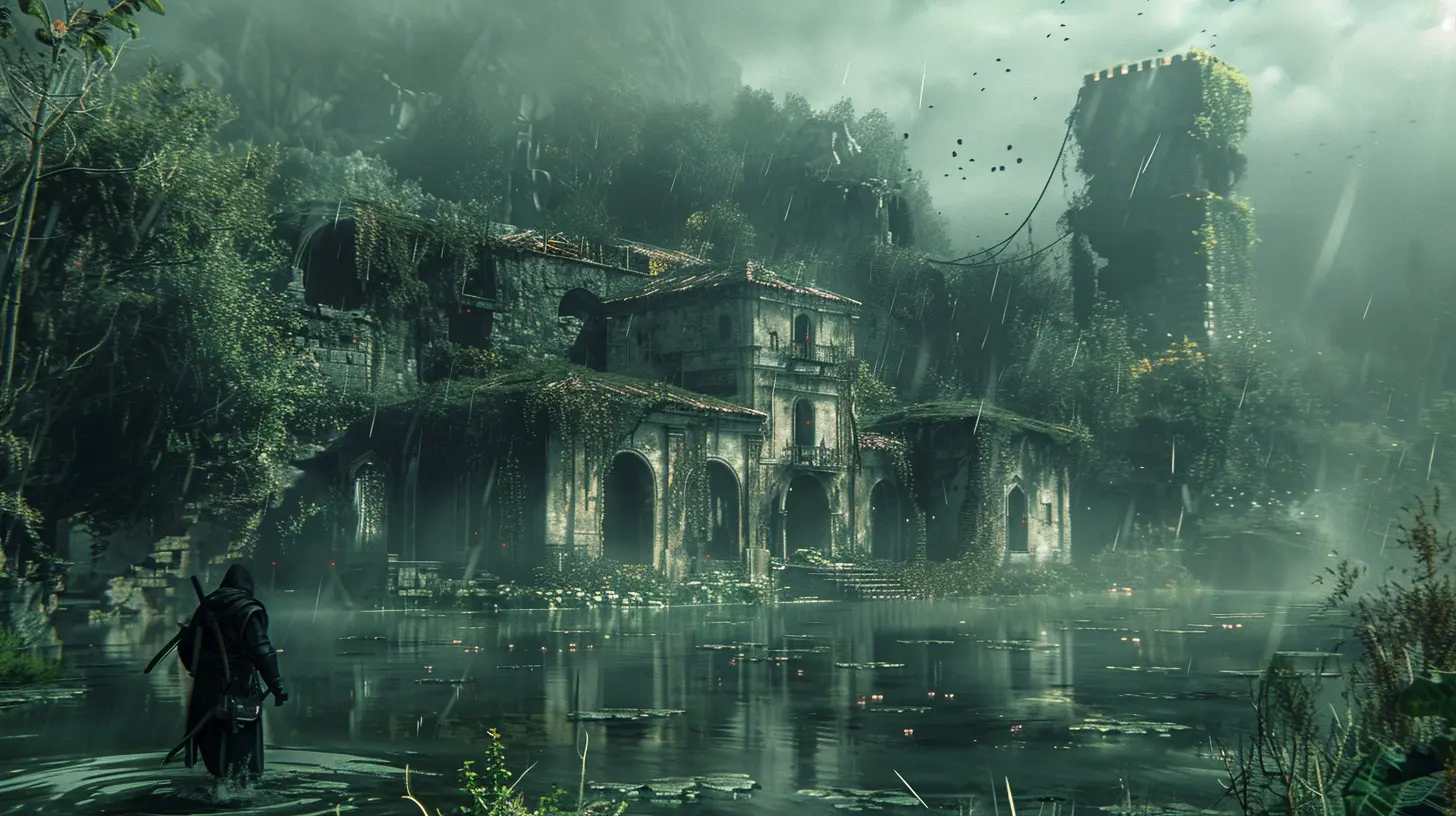
The Tools Developers Use to Control Pacing
Let’s break down how game designers control pacing so masterfully. It’s not just luck — it’s craft.🎮 1. Level Design
Good level design can guide you through a journey without you realizing it. Long tunnels? Probably building tension. Bright open areas? A moment to breathe.Ever notice how a big fight usually comes after a quiet walk through a beautiful landscape? That’s no accident.
🎬 2. Cutscenes and Dialogue
Slowing things down to deliver story moments is a common trick. Insert a well-placed cutscene after a tough battle, and boom — you’ve just paced the experience without touching gameplay.🎵 3. Sound and Music
Music cues are powerful! A rising score builds tension. Silence can feel eerie. A cheerful tune invites relaxation. Audio is a secret weapon in setting the pace.Try replaying a game and pay close attention to the soundtrack changes — you’ll notice how much it affects your emotional rhythm.
🗺️ 4. Side Quests and Exploration
Most open-world games use optional content to let players control their own pacing. Tired of the main quest’s drama? Go hunt deer or play cards with tavern folk. These detours are breathing moments between high-stakes encounters.😈 5. Difficulty Spikes
A sudden spike in difficulty can be jarring — but when placed right, it creates a satisfying challenge burst. The trick is in spacing these spikes so they feel earned, not cheap.Pacing Done Right: Examples That Nailed It
Let’s look at a few games that got pacing just right — and why it worked.🎮 The Last of Us
This game is a masterclass in emotional pacing. Brutal action scenes are followed by quiet, tender character moments. You'll go from fighting for survival to laughing at a dad joke from Ellie in moments — and it’s seamless.Every shift adds emotional weight, keeping the story grounded while the tension ramps up.
🛡️ Dark Souls
You wouldn’t think of “pacing” first when talking about Soulsborne games, but here’s the twist — they’re slow for a reason. The silence, the lonely walks, the humbling fights — they all build tension and release.After finally defeating a tough boss? That pause to breathe and light a bonfire? It feels like earned peace.
🎭 Red Dead Redemption 2
RDR2 takes its sweet time — and that’s intentional. Some players found it slow, but it’s not lazy; it’s immersive. The game’s quiet moments — like riding under the stars or eavesdropping by a campfire — make the violent shootouts hit harder.It’s a Western symphony, and every note contributes to the rhythm.
When Pacing Goes Off the Rails
Even great games can drop the pacing ball. Some common mistakes?🧱 1. Front-Loading the Action
Games that throw everything at you early often burn out fast. It’s like eating all your snacks at once during a 3-hour movie. There’s nothing left to look forward to.💤 2. Tedious Filler Content
Ever run into a fetch quest that made you question your life choices? Repetitive side quests can kill pacing. They drag things to a halt and make progress feel like a grind.🕒 3. Overstaying the Climax
If a game’s climax lasts too long, it can lose its impact. You want to end a story like a mic drop, not a never-ending encore.Tips for Game Devs: Mastering the Rhythm
If you’re a budding game dev or just curious how the pros do it, mastering pacing takes finesse. Here’s some advice:- Playtest like crazy. Watch players. See where they get bored or overwhelmed.
- Use contrast. The magic’s in the variety. Follow intense gameplay with quiet reflection.
- Don’t fear silence. You don’t need constant action. Give players time to absorb the world.
- Structure your story beats. Use narrative arcs: tension, climax, resolution.
- Respect your players’ time. Get to the point, and cut the fluff.
Remember: great pacing feels invisible — like a great film editor, it’s not about what you notice, but how you feel.
Final Thoughts: Why Pacing is the Unsung Hero
Pacing might not be flashy. It’s not the jaw-dropping graphics or the catchy theme song. But it’s the glue that holds everything together.It’s what makes the moments matter — from the heart-stopping boss battle to the quiet walk through a flower-filled field.
So next time you play a game and think, “Wow, this just feels right”… tip your hat to the pacing.
Because if a game feels like it’s reading your mind, chances are — the pacing is just that good.
all images in this post were generated using AI tools
Category:
Gaming ReviewsAuthor:

Whitman Adams
Discussion
rate this article
2 comments
Sierra Estes
Pacing in video games is crucial for maintaining player engagement. Effective pacing balances gameplay elements, story progression, and challenge levels, ensuring a rewarding experience that keeps players invested without causing frustration or fatigue.
March 20, 2026 at 5:53 PM
Whitman Adams
Thank you for your insightful comment! I completely agree—finding the right balance in pacing is essential for enhancing player engagement and delivering a fulfilling gaming experience.
Cody Mendoza
Great article! Pacing is indeed crucial in video games, as it keeps players engaged and immersed. Striking the right balance between action and downtime allows for emotional investment and suspense. I'd love to see more examples of games that excel in this aspect.
March 20, 2026 at 6:02 AM
Whitman Adams
Thank you for your feedback! I’m glad you found the article insightful. I'll definitely consider adding more examples of games that excel in pacing in future pieces!