The Connection Between Gaming and Emotional Resilience
22 January 2026
Let’s get something out of the way right now: gaming isn’t just mindless button smashing or zoning out in front of a screen. Nope—it’s a lot deeper than that. Video games, whether it's a nerve-racking boss battle in Elden Ring or coordinating a clutch play in Valorant, can actually build one surprisingly powerful life skill: emotional resilience.
Sounds wild, right? But hear me out.
Gamers are constantly thrown into high-stakes situations. Defeat comes often, pressure mounts, and emotional highs and lows are part of the package. Over time, this shapes how gamers react to real-life failures, stress, and challenges. Intrigued? Let’s break it down.
What Exactly is Emotional Resilience?
Before we go all-in, let’s define the boss we’re up against.Emotional resilience is your ability to bounce back from stress, failure, or any kind of life challenges. It’s what helps you keep your head up and your feet moving forward when things get tough.
Think of it like your mental health armor. The stronger your emotional resilience, the better you’ll handle setbacks and curveballs life throws at you. And guess what? Gaming can actually help you forge that armor.
How Video Games Build Emotional Strength
1. Failing Without Falling Apart
Let’s be honest—games are tough. You’ve probably died a hundred times in the same spot or lost a match because someone didn’t do their job. Frustrating? Yes. But these moments teach one valuable thing: how to fail and not lose your cool.In many ways, games normalize failure. You don’t beat yourself up over it because you know the next try could be different. That constant practice of trying again after failing helps improve patience, builds grit, and reshapes your response to failure outside the game world.
2. Learning From Mistakes (And Fast)
Games are instant-feedback machines. Missed a jump? Wrong spell combo? You immediately know what went wrong.This kind of feedback loop encourages players to assess, adapt, and improve in real time. That’s a crucial skill for emotional resilience—being able to reflect on mistakes without spiraling into negativity. It’s like getting real-life XP in self-awareness.
3. Building Confidence Through Progress
Do you remember that moment when you finally beat a boss after dozens of tries? Or when you ranked up after grinding for hours?Those small and big wins pump up your confidence. They show you that persistence pays off. When you're emotionally resilient, you start to believe in your ability to overcome tough spots—not just in games, but in real life too.
The Social Side—Yes, It Counts!
4. Teamwork That Actually Teaches Communication
In online multiplayer games, teamwork isn't optional—it's survival. Whether you're healing your squad in Overwatch or calling strats in CS:GO, communication becomes second nature.Interacting with others, managing disagreements, and coordinating plans help gamers build social resilience. You’re constantly navigating different personalities, learning empathy, and yes—even developing leadership skills.
5. Handling Toxicity and Trolling (The Right Way)
Let’s be real—online lobbies can be brutal. Dealing with trolls, rage quitters, and toxic teammates is part of the territory.But over time, many gamers learn to not take it personally. They build thicker skin, learn to mute negativity (literally and emotionally), and focus on what matters: the game. That’s a powerful form of emotional shielding.
Of course, it’s important to mention that toxic environments can also harm mental health if not managed well. But when handled right, these interactions can actually reinforce resilience by teaching how to set emotional boundaries.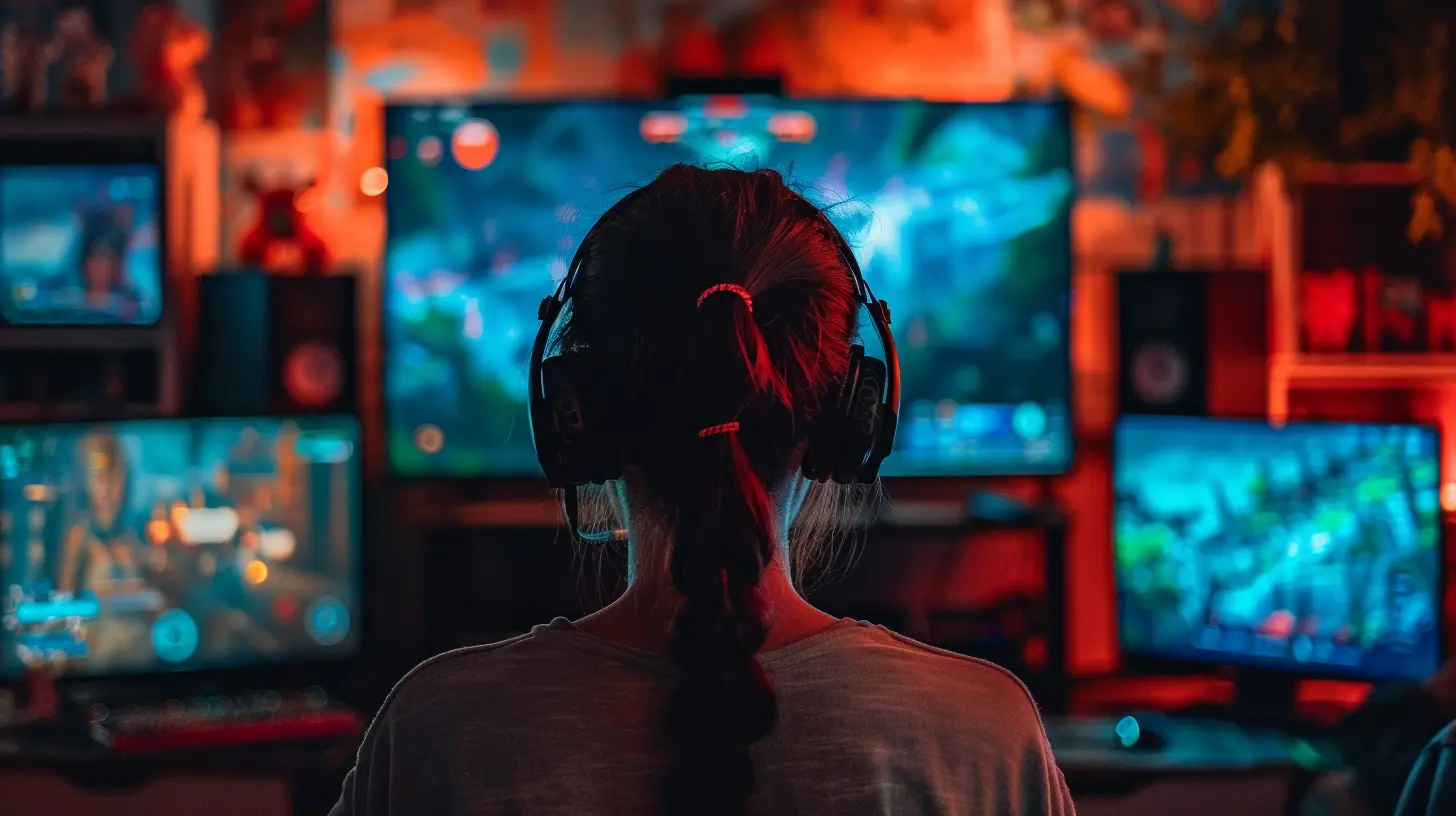
Decision-Making Under Pressure
6. Quick Thinking, Calm Mind
Action-packed games demand sharp decision-making on the fly. Every move could turn the tide. One bad choice? Game over.Gamers get really good at managing pressure and thinking clearly even when stakes are high. These high-pressure scenarios mirror real-life situations—like taking exams, handling conflict, or dealing with emergencies.
Over time, that quick-thinking mindset becomes more natural. It’s like training your brain to stay level-headed when things heat up.
7. Emotional Regulation in Real Time
Heart pounding? Palms sweaty? Sound familiar?High-intensity gaming pushes your emotional buttons. But guess what—you learn to manage that rush. You get better at staying cool, breathing through stress, and not letting emotions dictate your actions.
That's the essence of emotional resilience—regulating how you respond, even when everything inside you is screaming otherwise.
Gamer Personas and Resilience Types
Let’s have a little fun and break down a few gamer archetypes and how their style of play builds different aspects of resilience:- The Strategist (Turn-based & Puzzle Fans)
Stress tolerance, patience, and critical thinking.
- The Grinder (MMORPG & RPG Lovers)
Perseverance, goal-setting, long-term motivation.
- The Competitor (FPS & Battle Royale Players)
Quick recovery from losses and decision-making under pressure.
- The Explorer (Open World & Adventure Seekers)
Curiosity-driven learning, problem-solving, and self-motivation.
Whatever your playstyle, there’s emotional strength being built behind the scenes.
Mindfulness Through Gaming?
Here’s something you might not expect: certain games act as a form of meditation.Yup, especially those with calming environments—think Stardew Valley, Journey, or even Animal Crossing. These games promote focus, presence, and emotional balance. They give your mind a break and help develop mindfulness traits, a key part of emotional resilience.
Sometimes, simply spending time in a peaceful, low-stress game world can reset your mental gears.
When Gaming Becomes Harmful
Okay, quick reality check. Not all gaming is sunshine and stress relief.Excessive play, escapism, or using gaming to avoid responsibilities can backfire. Instead of building resilience, it might drain your energy and amplify stress or anxiety.
Balance is key. Games should be a tool—not a trap.
If a game starts making you feel worse instead of better, it might be time to step back and reflect on your habits. The goal is to game smart, not just hard.
Gamification of Real-Life Resilience
Here’s a fun thought: what if we approached life like a game?- Set goals like quests.
- Track progress like XP.
- Treat failures as checkpoints, not game overs.
Gamers are already wired this way. They grind, level up, and adapt constantly. Applying these habits to school, jobs, or personal goals can supercharge emotional resilience in real-world settings.
Got a tough day ahead? Gear up like it's a boss fight. Failed a test? Respawn and try again.
The Science Backs It Up
Studies have started catching up with what gamers already feel: that games can foster positive psychological traits.Research shows that playing games can:
- Improve stress management.
- Enhance cognitive flexibility.
- Encourage emotional control.
- Boost social connectedness.
Pretty legit, right?
The key is intentional play—being aware of what you're gaining emotionally, not just what you're achieving in-game.
Parents, Chill—Gaming Isn't All Bad
If you're a parent or someone who thinks gaming is just a waste of time, this part's for you.Yes, screen time needs limits. But modern games are complex, emotionally engaging, and socially rich experiences. Kids (and adults) who game often develop problem-solving skills, resilience, and social intelligence.
Instead of banning the Xbox, maybe sit down and play a game together. You might see just how much emotional strength goes into every battle.
Conclusion: Gaming as a Training Ground for Life
So, what’s the bottom line?Gaming isn’t just good for reaction time or hand-eye coordination. It’s a surprisingly effective training ground for emotional resilience.
Whether you're learning to cope with failure, think under pressure, manage emotions, or connect with others—video games offer a sandbox to build these skills without the real-world consequences.
Next time someone says gaming is a waste of time, just smile and know you’re quietly leveling up where it counts the most.
all images in this post were generated using AI tools
Category:
Gaming And Mental HealthAuthor:

Whitman Adams
Discussion
rate this article
2 comments
Isla Ross
Gaming offers more than entertainment; it serves as a unique avenue for building emotional resilience. Through challenges and narrative experiences, players learn to navigate adversity, fostering adaptability and empathy. By embracing both triumphs and failures, we cultivate strength that transcends the screen and enriches real-life encounters.
January 25, 2026 at 4:13 PM
Whitman Adams
Thank you for your insightful comment! I completely agree that gaming not only entertains but also promotes emotional resilience by helping players develop important life skills through their experiences.
Aurelia McKinstry
Empowering through interactive experiences.
January 23, 2026 at 4:38 AM
Whitman Adams
Thank you! Interactive experiences in gaming indeed foster emotional resilience by allowing players to navigate challenges and develop coping skills in a safe environment.