The Environmental Impact of Cloud Gaming
2 June 2026
Let’s talk about something that blends our love for video games with a very real-world issue — the environment. Now, I know what you're thinking: “Wait, cloud gaming and the environment? Isn’t it all digital?” Well, not quite! While cloud gaming feels super techy and almost magical (play a AAA title on your phone? Yes, please!), it has a physical footprint. Like, a big one.
In this article, we're going to dive deep (without being boring!) into how cloud gaming affects our planet, what the pros and cons look like, and whether your next gaming session is actually part of a greener future… or just another data-powered energy guzzler in disguise.
So, grab your favorite snack, settle into your gaming chair, and let’s boot up this quest for knowledge!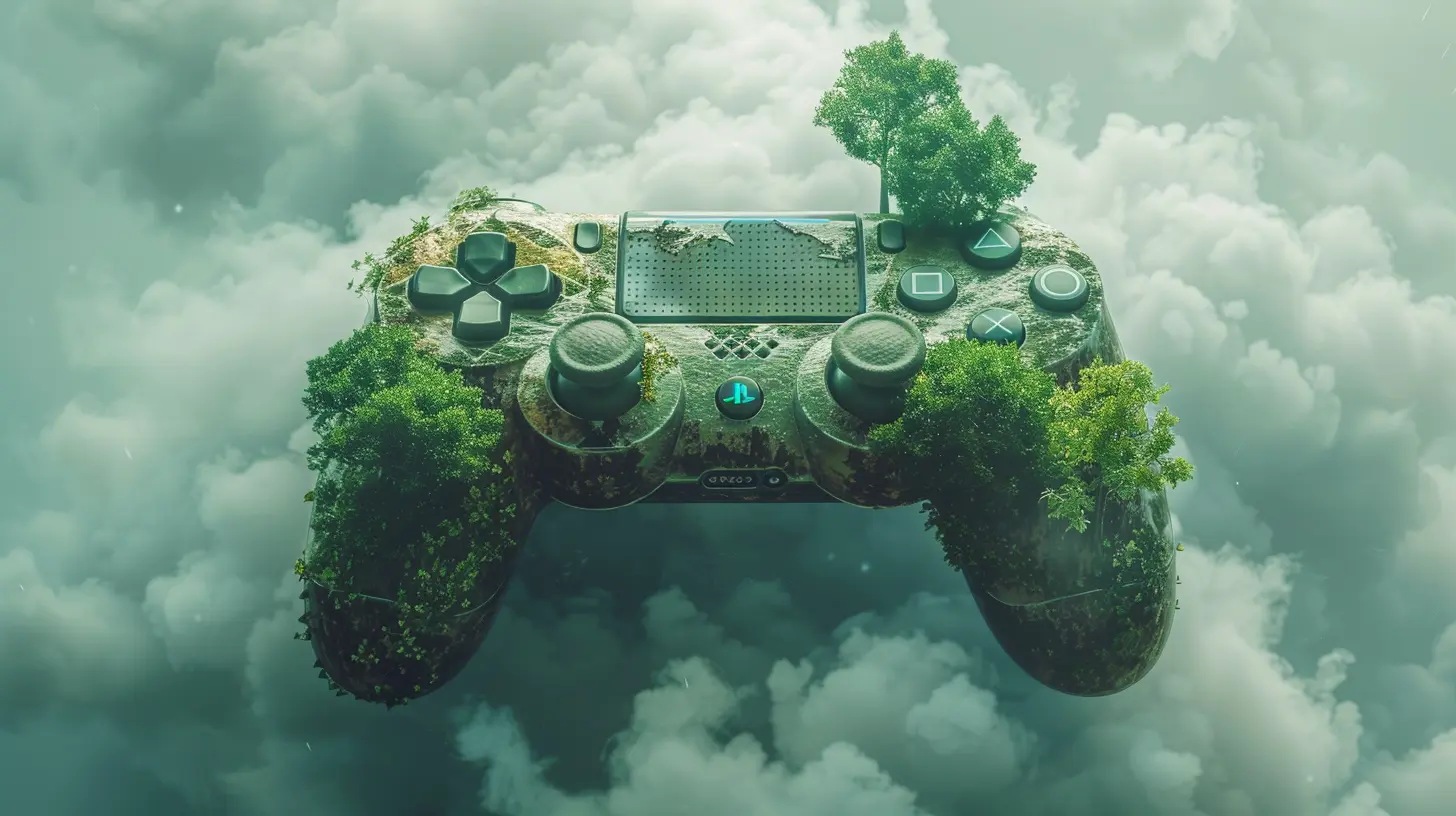
? What is Cloud Gaming, Anyway?
Okay, first things first. What even is cloud gaming?Imagine Netflix, but for games.
Instead of downloading a 100GB game on your PC or console, cloud gaming lets you stream it directly from a data center. All the heavy lifting — like graphics rendering, processing, and even storing saved files — happens on powerful remote servers. All you need is a good internet connection and a device with a screen.
Popular platforms like NVIDIA GeForce Now, Xbox Cloud Gaming, Google Stadia (RIP!), and PlayStation Now have jumped into this futuristic arena.
It sounds efficient, right? Less hardware, more gaming. But the real question is — is it eco-friendly?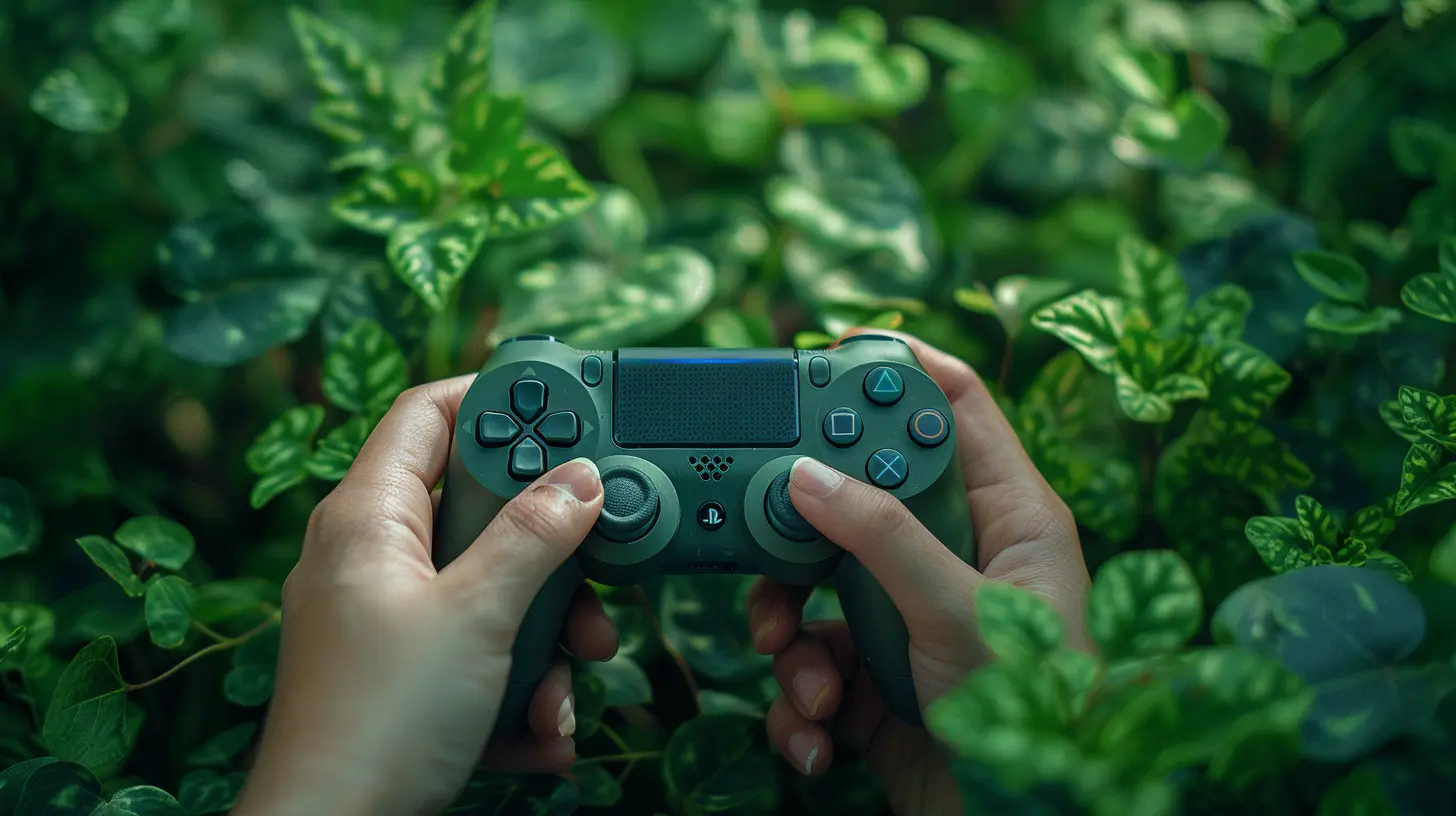
? The Cloud Has a Footprint Too
Let’s bust a myth: just because something is “in the cloud” doesn’t mean it’s floating harmlessly in the ether.Behind every cloud gaming session is a massive data center filled with servers that eat up electricity like it's candy. These data centers are powered 24/7, cooled constantly, and they transmit gobs of data across the web.
Think about this — playing one hour of a high-res game on the cloud can use up to 10 GB of data or more. Multiply that by millions of gamers worldwide, and it becomes crystal clear that those gigabytes pile up fast, and so does the carbon footprint.
⚡ Powering the Cloud: Energy Consumption Explained
Cloud gaming heavily relies on three major infrastructure components:1. Data Centers
2. Network Infrastructure
3. End-User Devices
1. Data Centers – The Cloud’s HQ
These buildings are home to thousands of servers. They run hot, work hard, and require powerful cooling systems. According to some estimates, data centers contribute to about 1-2% of global electricity use. And with the rise of cloud gaming, that number could shoot up.Now, the good news? Many tech giants are investing in greener energy sources. Companies like Microsoft, Google, and Amazon are racing toward 100% renewable energy data centers. Still, not all energy is clean yet.
2. Network Infrastructure – The Digital Highway
Streaming games, especially in 4K, transfers massive amounts of data. This needs high-speed internet, cables, routers, satellites, and more. Every time your game character swings a sword, data travels thousands of miles. And yes — that journey uses electricity.3. End-User Devices – You and Me, Basically
Funny enough, playing a game on a low-power device like a Chromecast or smartphone can save more energy than traditional consoles. But – and this one’s big – if you factor in how much extra energy the servers and networks are using, it may actually cancel out those savings.
? Cloud Gaming vs. Traditional Gaming Consoles
So how does cloud gaming stack up against the classic console or PC setup?Let’s compare apples to apples:
| Feature | Traditional Console | Cloud Gaming |
|--------|---------------------|---------------|
| Hardware | High energy use, especially with next-gen consoles | Minimal device energy use |
| Energy Source | Usually depends on the user’s power grid | Depends on data center's energy source |
| Game Storage | Local storage, uses energy only during downloads and play | Continuous energy use via streaming |
| Cooling | Your console needs some cooling, but not massive | Data centers need industrial cooling systems |
| Carbon Impact | Lower for occasional gamers | Higher for long play sessions in cloud |
? Bottom Line: If you’re gaming casually, local might be cleaner. But if cloud platforms shift fully to renewable energy? That could flip the script.
? Can Cloud Gaming Be Eco-Friendly?
Absolutely — but it's complicated.Cloud gaming has the potential to be more eco-friendly if:
- Data centers run on 100% renewable energy (solar, wind, hydro, etc.)
- Energy-efficient coding and hardware innovations keep improving
- Players are aware of their consumption and make greener choices
In fact, some studies suggest that under the right conditions, cloud gaming could reduce overall carbon emissions by consolidating energy use to a few efficient centers rather than millions of inefficient home devices.
But the key phrase here is: under the right conditions.
?️ A Breath of Fresh Air: Green Initiatives in Cloud Gaming
Not all doom and gloom! Several gaming and tech companies are actively working to reduce their environmental impact. Let's cheer them on, shall we? ?Microsoft xCloud
Microsoft has pledged to become carbon negative by 2030. That's not just zero emissions — it's removing more carbon than they emit. xCloud runs on Microsoft's Azure cloud, and guess what? Azure is aiming for 100% renewable energy by 2025.NVIDIA GeForce Now
NVIDIA is super smart — it focuses on efficiency, from hardware to software. Their data centers are designed to be leaner, greener, and meaner.Google (While Stadia Lived)
Even though Stadia is off the market (F in the chat), Google’s infrastructure still fuels other services. They're committed to running all of their data centers on carbon-free energy 24/7 by 2030.Sony & PlayStation Now
Sony has been ahead of the curve when it comes to environmental goals with its "Road to Zero" initiative. PlayStation Now operates under that same umbrella.?️ Tips for Greener Gaming Habits
So what can you, the awesome gamer reading this, do to play responsibly?Here are a few quick wins:
- Lower your resolution: Streaming in 1080p instead of 4K reduces bandwidth and energy use.
- Use energy-efficient devices: Try streaming on a tablet or low-power laptop instead of a power-hungry desktop.
- Schedule your sessions: Shorter, more mindful sessions are better than all-night marathons (energy-wise, at least ?).
- Support green companies: Use platforms or services that are transparent about their energy use and environmental goals.
- Switch to renewable energy at home, if possible (solar panels, green energy plans, etc.).
? The Bigger Picture: Gamers as Changemakers
Gamers are no strangers to taking on huge challenges. We’ve defeated alien invasions, saved kingdoms, and won epic boss fights. So why not tackle the climate crisis too?With nearly 3 billion gamers globally, we’re not a small group. If we start advocating for greener gaming, pushing platforms to do better, and making eco-friendly choices, game devs and tech giants will have no choice but to level up their sustainability game.
And let's face it — a future where gaming is guilt-free and green sounds pretty epic, right?
? Final Thoughts
Cloud gaming is the future. It brings convenience, accessibility, and even the promise of reducing e-waste (fewer consoles!). But it also raises big questions about energy use, carbon emissions, and sustainability.The truth? It’s a mixed bag right now. But with the right moves—from tech giants and players like you—the balance can tip toward a greener, cleaner gaming world.
Let’s keep our eyes on the prize: a planet where we can keep playing and keep breathing clean air.
Now that’s a win-win
all images in this post were generated using AI tools
Category:
Cloud GamingAuthor:

Whitman Adams
Discussion
rate this article
1 comments
Ava McClendon
Cloud gaming's energy use deserves more scrutiny now.
June 5, 2026 at 3:33 AM