The Evolution of Combat Systems in Games
29 June 2026
Let’s step into a time machine for a moment. Imagine booting up your favorite game in the '80s — maybe it’s a side-scroller like Double Dragon or a classic beat-em-up arcade title. Now, fast forward to today. You're locked in an intense 1v1 boss battle in Elden Ring or slicing through foes in Ghost of Tsushima. The difference? Night and day, right?
Combat in video games has come a long way — like, lightyears ahead. What started as a couple of pixelated punches and kicks has evolved into intricate systems that blend strategy, timing, storytelling, and even rhythm! Stick with me, and let’s dive into the wild story of how combat systems in games have evolved, where they are now, and where they could be heading.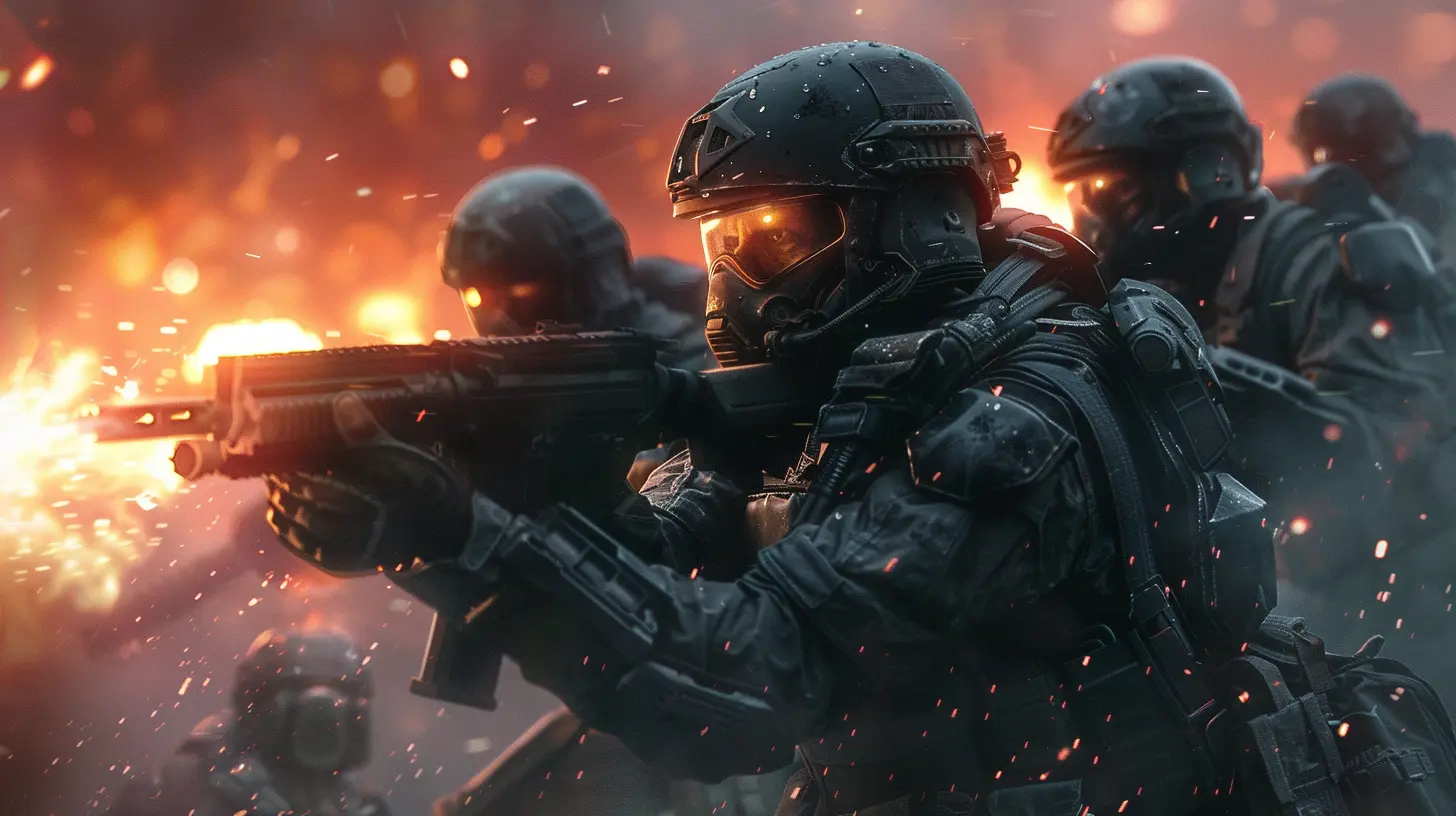
Pong Wasn't Throwing Punches – The Humble Beginnings
Believe it or not, the very first games had no combat. Pong didn’t throw punches, and Pac-Man didn’t wear armor. The earliest games were more about simple mechanics, testing reflexes or solving puzzles.But even way back then, players were already hungry for something more. Something gripping. Something with a little bit of conflict.
And boy, did the game devs deliver.
Combat Goes Arcade: Simple but Satisfying
Enter the age of arcade beat-em-ups. Games like Kung-Fu Master (1984), Double Dragon (1987), and Streets of Rage (1991) were trailblazers.You moved left to right, mashed buttons to throw punches, and occasionally landed a flying kick that made you feel like Bruce Lee on a sugar rush. The controls were simple, enemies came in waves, and the goal? Knock every fool off the screen.
These games weren’t deep, but they were fun and satisfying. They also laid the groundwork for more complex systems.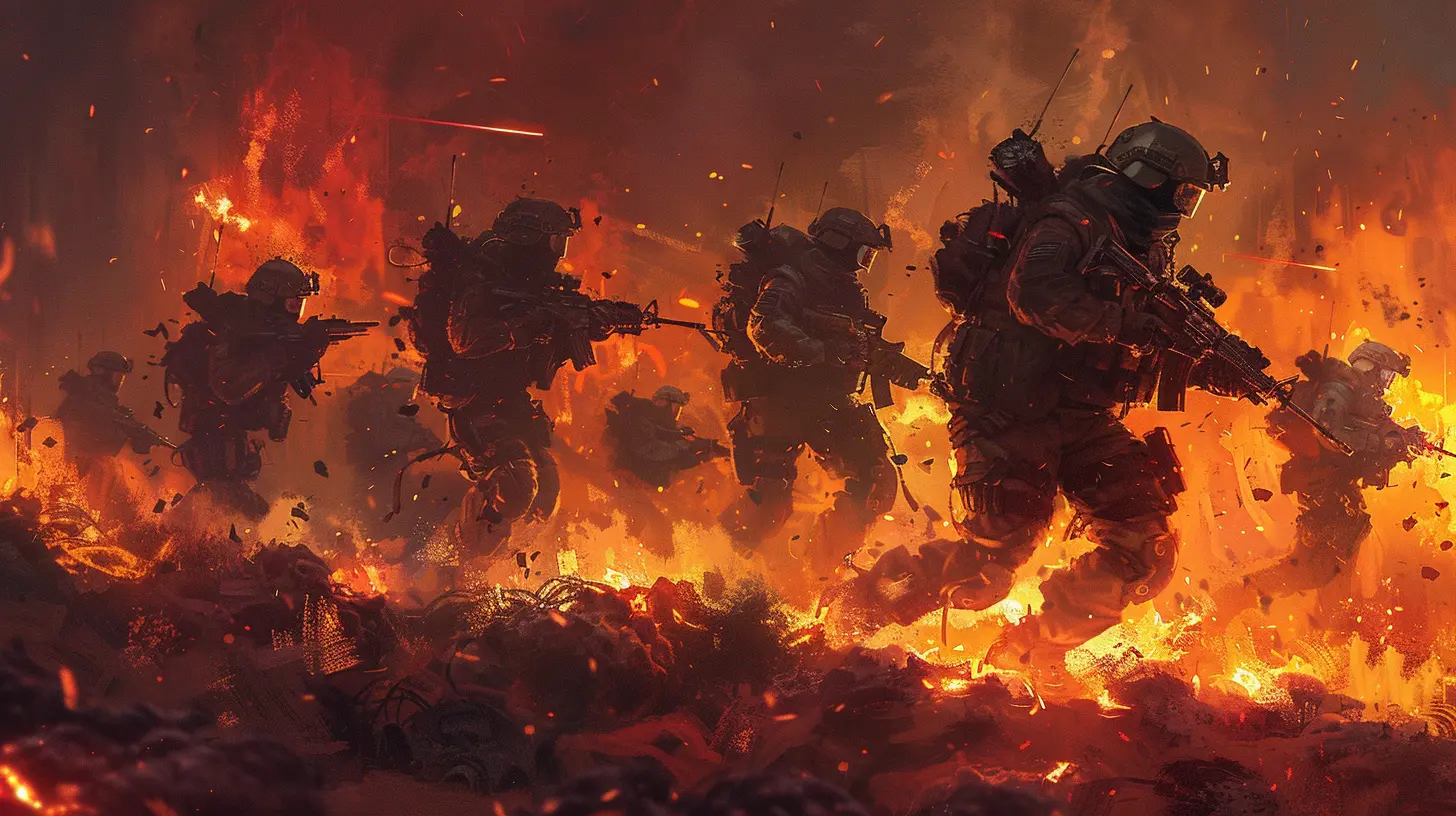
RPGs Turn Combat into Chess Matches
While arcade games were all about instant action, RPGs (Role-Playing Games) took a more measured approach.Let’s talk about classics like Final Fantasy and Dragon Quest. These games popularized turn-based combat. You’d select your actions from a menu, queue up an attack, and then watch it unfold. It was like playing chess... if your pawns knew fire magic and carried swords.
Turn-based combat gave players time to think. Strategy mattered. Suddenly, knowing when to heal or use a buff could mean the difference between victory and a “Game Over” screen.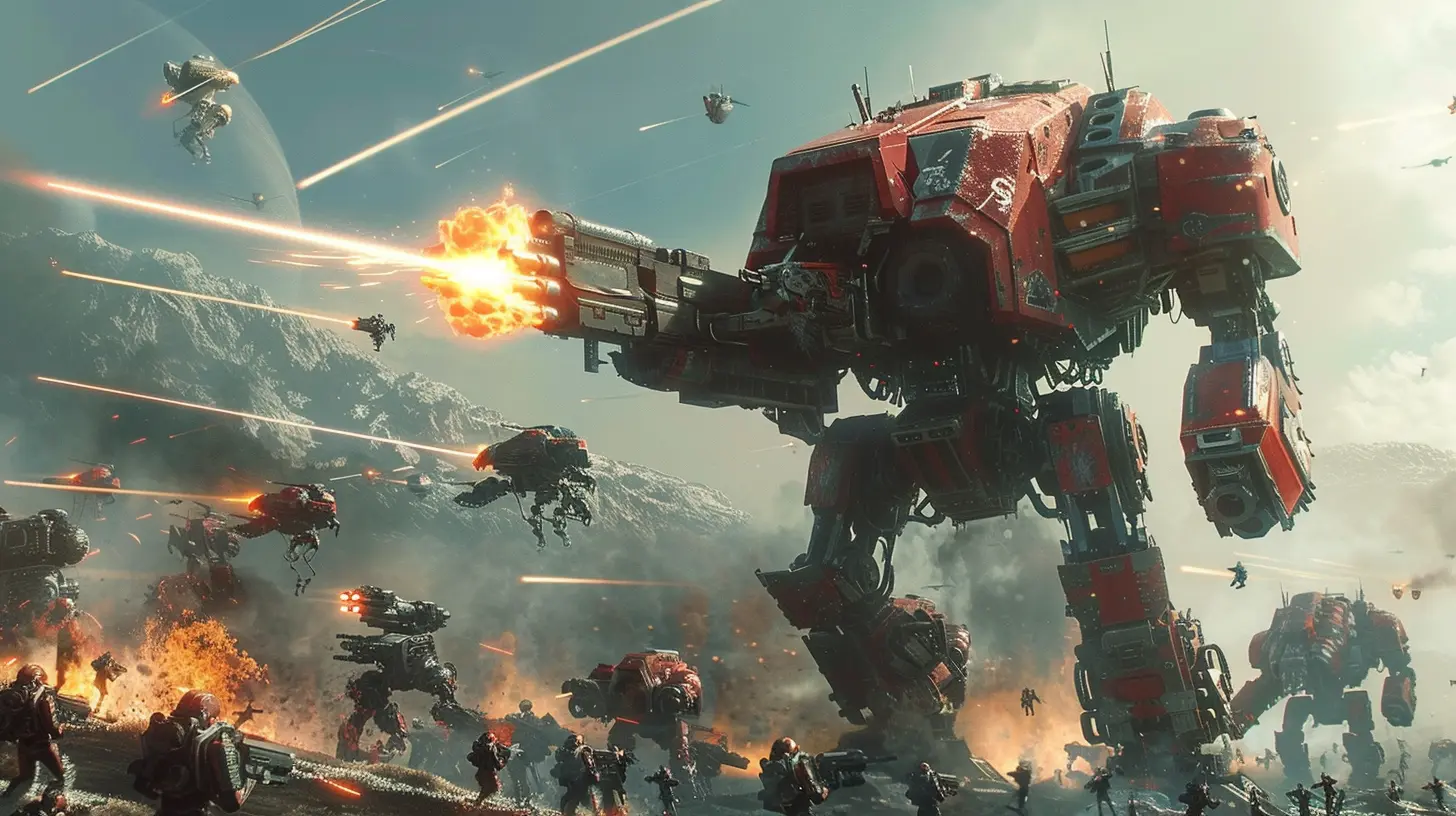
Enter Real-Time Combat – Welcome to the Future
Then came the '90s and early 2000s — a golden age for innovation in gaming. Developers were cooking up new ways to keep us on our toes, and real-time combat became the hot new ticket.Take The Legend of Zelda: Ocarina of Time (1998). It introduced Z-targeting, a system that let players lock onto enemies, dodge attacks, and time their strikes. It was smooth, cinematic, and totally addictive.
Soon after, games like Devil May Cry and God of War showed up, pushing things further. These weren’t just fights — they were performances. Combat became a dance, and players were the choreographers of beautifully brutal ballet.
Combos, Counters, and Complexity
As gamers got better, the games got smarter.Developers threw in combos, counters, parries, and stamina systems to make combat feel more real and rewarding. You couldn’t just button-mash anymore; you had to learn the game.
For example:
- In Dark Souls, timing is everything. One wrong dodge and it’s back to the bonfire.
- In Batman: Arkham Asylum, you feel like a predator — blocking, chaining combos, and knocking out baddies left and right.
- In Sekiro: Shadows Die Twice, victory depends on a rhythmic parry system that’s as punishing as it is exhilarating.
Combat now tested not just your thumbs, but your brain. And it became more about mastery than mindless action.
Player Expression Through Combat
Here’s where things get really spicy—game devs began building combat systems that adapted to the player.Think The Witcher 3 or Assassin’s Creed: Odyssey. These games let you choose your build, mix up your strategies, and decide how you wanted to fight. Want to sneak around with poison-tipped arrows? Go for it. Prefer charging in with a massive warhammer? Swing away!
Combat wasn’t just about defeating enemies. It was about expressing yourself. Your choices mattered. Your style mattered.
The Soulsborne Effect – Challenging the Norm
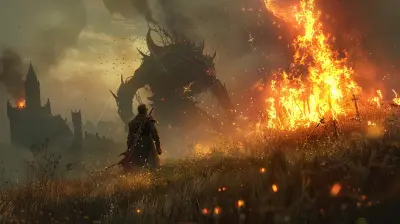
Let’s take a detour into pain-town. That’s right, it’s time to talk about Souls-like games.FromSoftware shook the gaming world with the release of Demon’s Souls and later Dark Souls. These games weren’t afraid to kick your butt. They introduced deliberate, punishing combat that forced players to be patient, strategic, and persistent.
No hand-holding. No map markers. Just you, your weapon, and a world that wants you dead.
Yet... we loved it.
Why?
Because it respected us. It made victory taste sweeter. And it inspired a whole genre where combat is less about looking cool and more about survival — and skill.
The Role of AI and Physics in Modern Combat
Fast forward to today, and combat systems are more dynamic than ever, thanks to AI and advanced physics.In games like Red Dead Redemption 2, enemies react differently based on where you shoot them. In The Last of Us Part II, AI companions flank you, communicate, and even mourn fallen allies.
These elements make combat feel alive. No two encounters are the same. It's like the game is thinking while you play — adapting, reacting, learning.
Multiplayer Madness – PvP and eSports Dynamics
Combat isn’t just for single-player anymore.Games like Fortnite, Valorant, Apex Legends, and Call of Duty: Warzone have made combat a fully social experience. It’s not about defeating AI — it’s about outsmarting real people.
These multiplayer shooters reward:
- Fast reflexes
- Team coordination
- Tactical decision-making
And let’s not forget fighting games like Street Fighter, Tekken, and Super Smash Bros.. These are the OGs of competitive combat, where one missed input can cost you the match — and your dignity.
The Rise of Hybrid Combat Systems
Nowadays, it’s rare to find a game with a purely one-dimensional combat system.Games are blending genres left and right. You’ve got action RPGs with third-person shooting (Mass Effect), melee-focused strategy games (Mount & Blade), and deck-building roguelikes where combat is turn-based but fast-paced (Slay the Spire).
Some games even let you pause the game to strategize — then resume to perform an epic move in slow motion. Gotta say, that’s pretty dope.
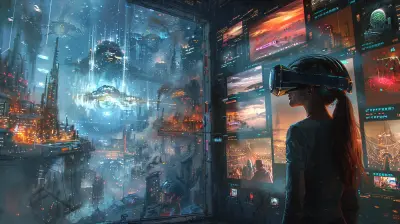
VR Combat: Fighting in First-Person (Literally)
Virtual Reality (VR) is taking combat to a whole new level — literally inside your face.Games like Blade and Sorcery and The Walking Dead: Saints and Sinners let you swing swords, parry blows, and aim with your own hands. You physically duck to dodge arrows. You lean to peek around corners.
Combat has never felt this... real. It’s immersive, exhausting, and honestly pretty hilarious if your friends are watching you flail.
The Future of Combat in Games
So, where do we go from here?Expect to see combat systems become even more personalized, adaptive, and immersive. With machine learning, games could study how you play and tailor enemy behavior accordingly. Imagine bosses that evolve with your skill level — scary thought, right?
We’ll also see more crossovers between genres, more emphasis on player freedom, and deeper integration with story and emotion. Think combat where your choices in battle affect the narrative — or maybe even games where you talk enemies into surrendering instead of fighting at all.
Kind of wild to think about, huh?
Final Thoughts
From side-scrolling brawlers to brainy RPGs, from brutal Souls-like battles to VR swordfights, combat in games has undergone a massive transformation. It’s gone from pixelated punches to deep, strategic, and cinematic experiences.And here’s the best part: we’re still evolving. Every new generation of games adds another layer to what combat can be. As players, our expectations grow, and developers keep rising to the challenge.
So next time you dodge-roll through a flurry of arrows or land that perfect parry, remember — you’re part of a rich history of digital warriors.
Game on.
all images in this post were generated using AI tools
Category:
Gaming ReviewsAuthor:

Whitman Adams
Discussion
rate this article
1 comments
Tatianna Hurst
The evolution of combat systems reflects gaming's growth. From simplistic mechanics to complex strategies, it's fascinating to see how far we've come.
July 3, 2026 at 5:09 PM
Whitman Adams
Absolutely! It's amazing to witness that progression and how it enhances player engagement and strategy.