The Evolution of Gaming Keyboards in the Last Decade
14 March 2026
Have you ever looked at your trusty gaming keyboard and wondered how far we've come with these clicky companions? If you’re anything like me, you’ve probably smashed more keys than you’d care to admit—rage quits, clutch moments, or late-night grind sessions. But let’s get real for a second: gaming keyboards today are nothing like what we had a decade ago.
Back in the early 2010s, the gaming keyboard scene was just beginning to heat up. Fast forward to today, and we’re living in a golden age of gaming peripherals. In this post, we’re diving deep into the evolution of gaming keyboards over the past ten years—a journey full of RGB rainbows, mechanical marvels, and a whole lot of innovation.
So, grab a snack, maybe even rest those wrists, and let’s take a nostalgic (and nerdy) trip through time.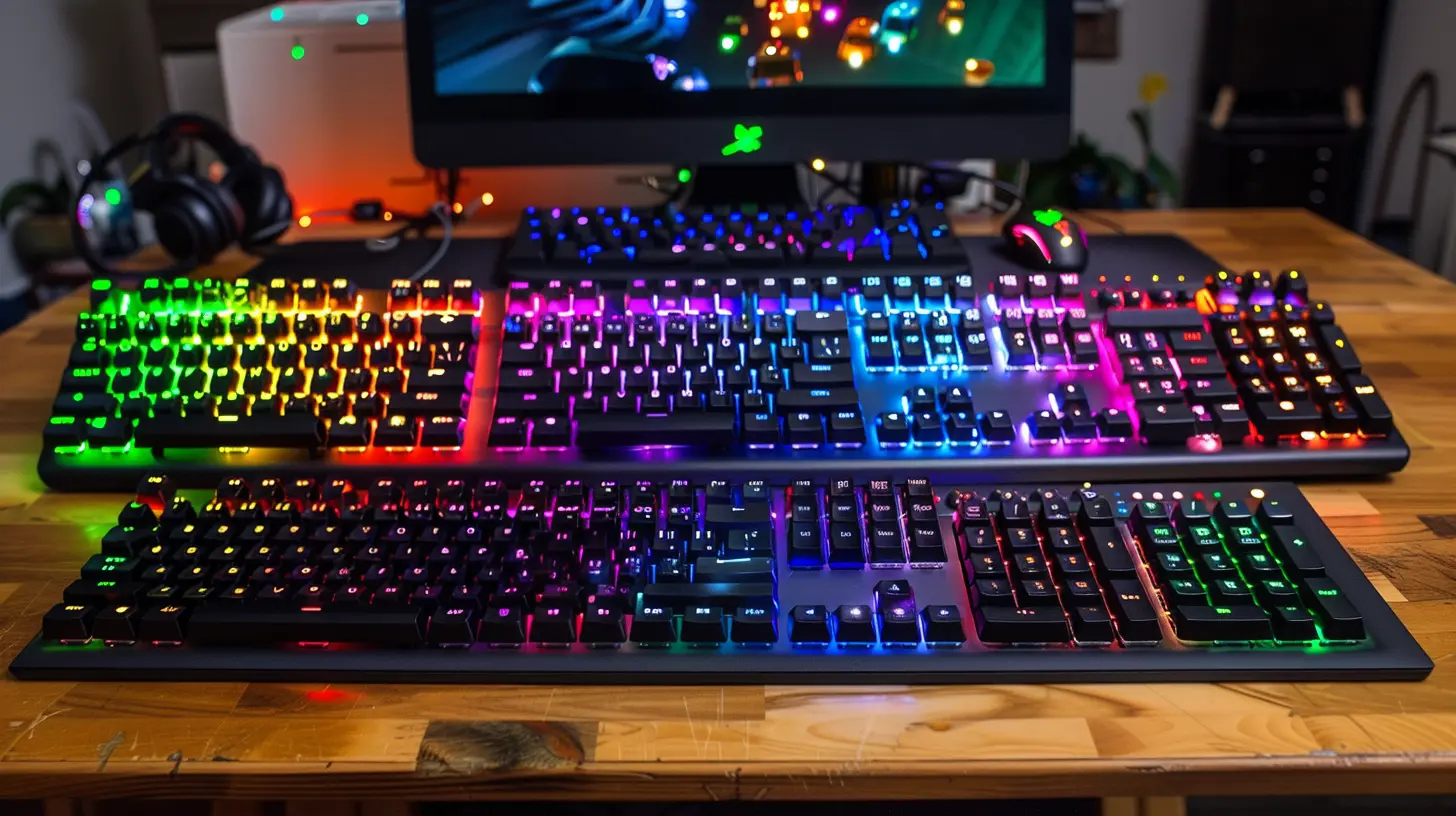
1. The Mechanical Boom – Goodbye Membrane!
Remember when membrane keyboards ruled the desks? Sure, they were quiet and cheap, but for gaming? Not so much.Around the early 2010s, mechanical keyboards started making serious waves in the gaming world. Suddenly, you’d hear the click-clack of Cherry MX Blues in every YouTube gaming montage.
Mechanical switches brought:
- Tactile feedback
- Faster response times
- Customizability like never before
Different switches for different feels? Heaven. Whether you wanted something linear and smooth like Cherry MX Reds or something with a satisfying bump like Browns, there was (and still is) a switch for every kind of gamer.
It was more than just a trend—it was the start of a keyboard revolution.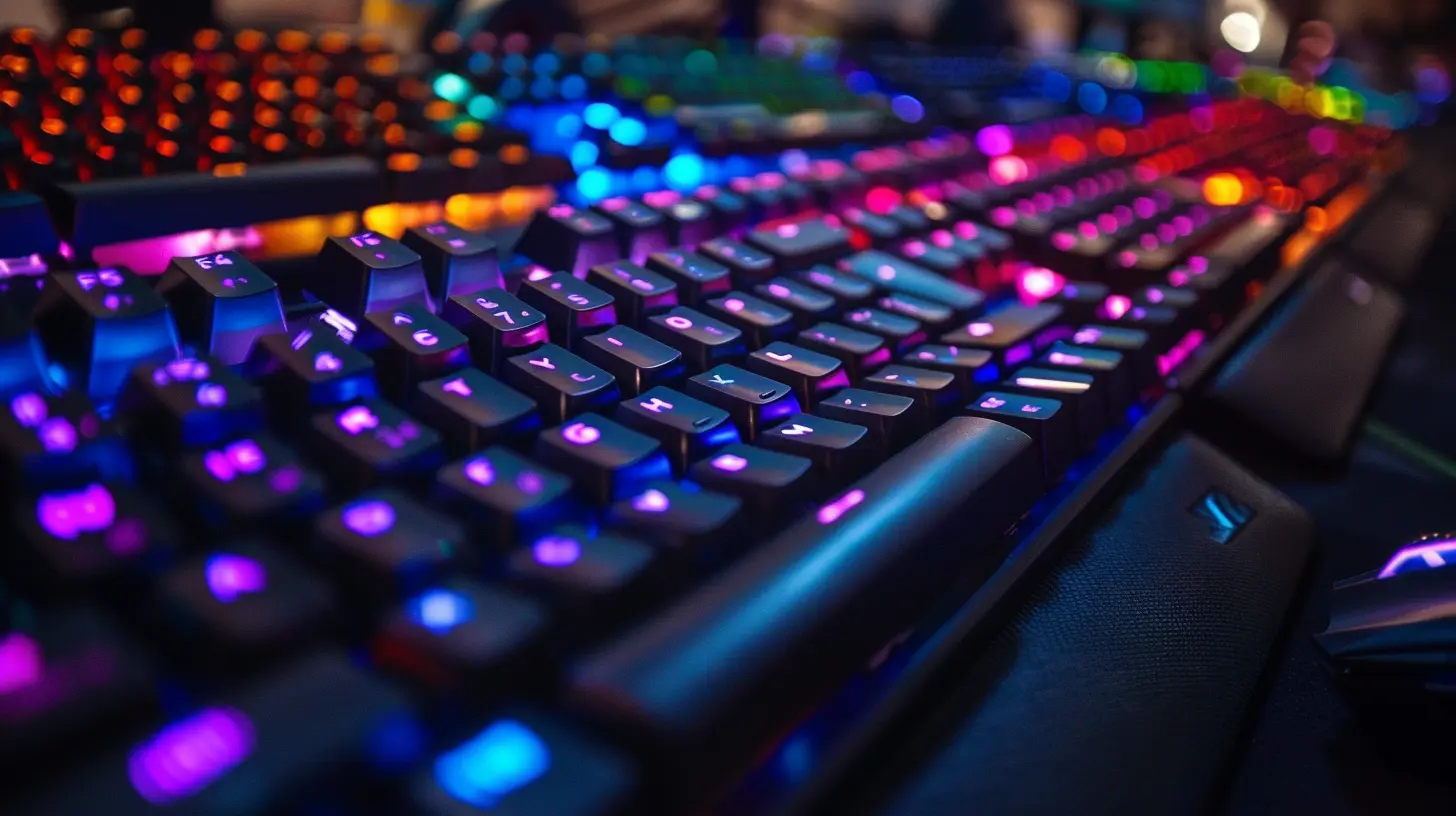
2. Backlighting Goes Full RGB – Because Who Doesn’t Like Colors?
Let’s talk lights. In the beginning, it was simple. A red glow here, a blue light there—pretty basic stuff.Then, RGB lighting stormed in like a party with no off switch. Around 2014-2015, every major gaming brand jumped on the RGB train. Custom lighting profiles, reactive keys, and syncing with games? Yes, please.
Now, your keyboard isn't just for typing—it's a glowing extension of your personality.
Bonus? That RGB setup probably matches your mouse, headset, and even your PC tower at this point.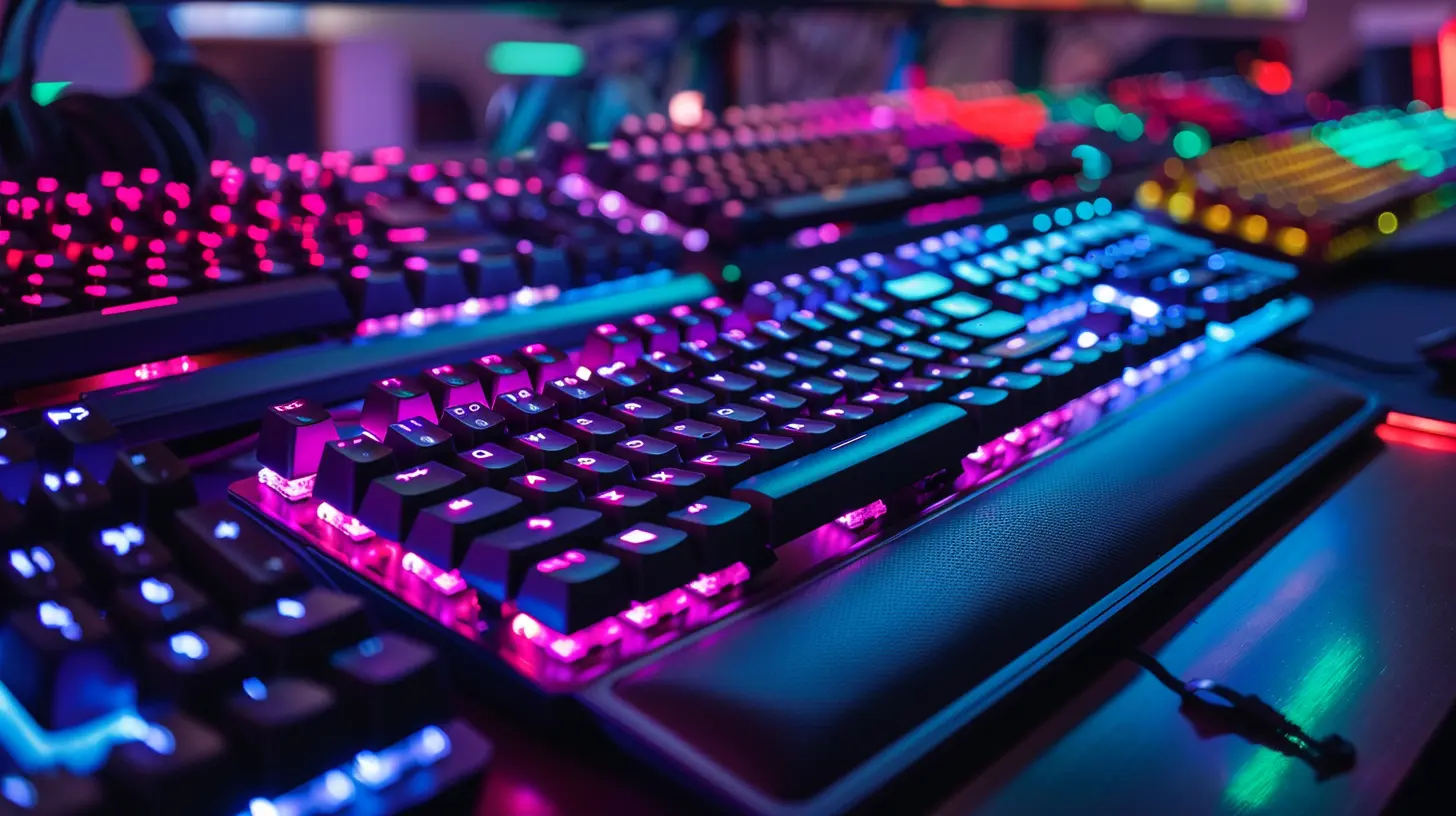
3. Customizability Takes Center Stage
If you think gamers are picky, you'd be 100% right—and manufacturers noticed.Gone were the days when "one-size-fits-all" keyboards ruled the scene. The last decade brought in:
- Hot-swappable switches
- Programmable macros
- Remappable keys
- Custom keycaps and artisan designs
You could finally rip out switches without soldering. Want clicky switches today but mushy ones tomorrow? Just pop 'em in and out like Lego.
It’s like building your own lightsaber—but for your gaming desk.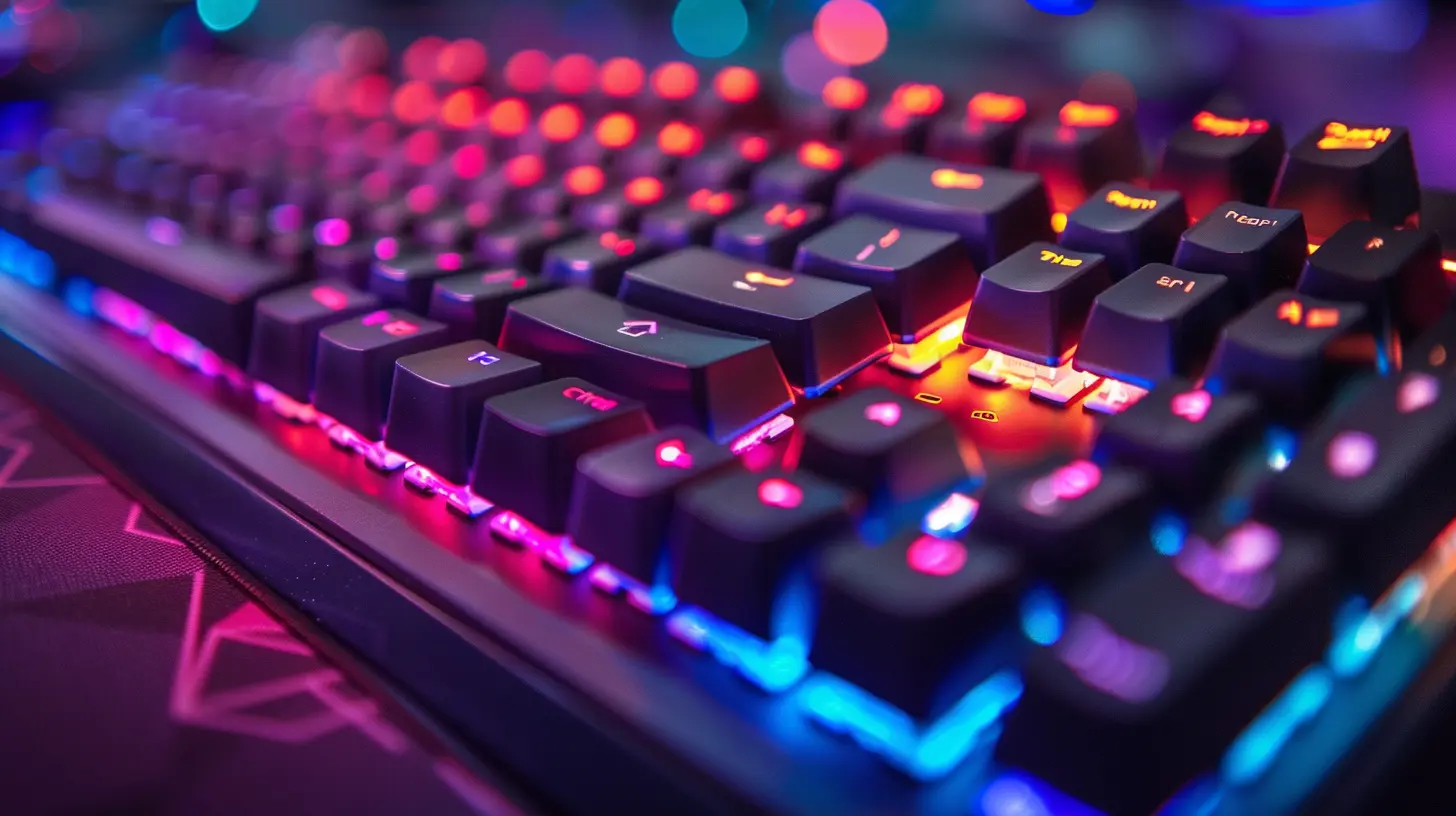
4. Software Evolution – The Brain Behind the Keyboard
A good gaming keyboard is nothing without smart software to back it up.In the early days, software was clunky, unresponsive, and downright frustrating. But today? Oh man, it’s like mission control.
From Razer Synapse to Corsair iCUE and Logitech G HUB, modern gaming keyboards come packed with software that lets you:
- Create complex macros
- Set lighting profiles per game
- Sync lighting across devices
- Monitor key usage (yeah, for the stat nerds)
And sure, it's not always bug-free, but compared to where we started, today’s software is a dream.
5. Size Matters – The Rise of Compact Layouts
Full-sized keyboards are great, but who needs a Numpad when you’re deep in a game of Apex Legends?Enter the tenkeyless (TKL) and 60% keyboards. Over the past decade, smaller layouts have exploded in popularity. Why?
- More desk space for mouse movement
- Cleaner aesthetic
- Lighter and easier to travel with
Streamers, pros, and casual players alike now favor compact boards. And don’t even get me started on 75% layouts—just the right amount of everything.
If full-sized keyboards are SUVs, these smaller ones are sporty coupes—sleek, efficient, and perfect for tight corners.
6. Wireless Gaming – Finally Catching Up
Ask someone ten years ago about wireless gaming keyboards and they’d laugh—too much input lag, too little battery life.But around 2018, things changed. Technologies like Logitech’s LIGHTSPEED and Razer’s HyperSpeed made wireless not just viable, but competitive.
Now, we’ve got:
- Low-latency wireless
- Bluetooth + 2.4GHz dual modes
- Rechargeable batteries that last weeks
- Clean cable-free setups
Who would’ve thought you could game competitively without a single wire holding you back? The freedom feels so good.
7. Durability & Build Quality – Built to Last (Literally)
Remember those plasticky, rickety keyboards of the past? You could practically fold them if you tried hard enough.Today’s gaming keyboards? Built like tanks.
We’re talking:
- Aircraft-grade aluminum frames
- Double-shot PBT keycaps
- Water and dust resistance (IP ratings!)
- 50-100 million keystroke lifespans
Your keyboard might outlast your GPU and maybe even your desk at this point. They’re not just tools—they’re investments.
8. Aesthetic Overhaul – From Gamer Gaudy to Sleek & Minimal
Back in the early 2010s, looking "gamer" meant sharp angles, neon colors, and enough LEDs to land a plane. You knew a gaming keyboard when you saw one—and not always in a good way.Nowadays? It’s all about clean lines, minimalist designs, and subtle elegance. Think:
- Brushed aluminum tops
- Sleek fonts
- Low-profile keycaps
- Matte finishes
Finally, gamers can have keyboards that look professional enough for the office... and deadly enough for Valorant.
9. The Rise of Custom Mechanical Keyboard Culture
Here’s where things get real interesting.Over the last few years, the custom mechanical keyboard scene has exploded. We’re talking full-on DIY keyboard enthusiasts who build their own boards from scratch.
They obsess over:
- Lubed switches
- Stabilizer mods
- Foam dampening
- Sound tests (thocc, anyone?)
This movement has influenced mainstream brands too. Now, even big names like Razer and Logitech are releasing keyboards that cater to these hardcore preferences.
It’s like the craft beer scene—but for keyboards.
10. Accessibility and Inclusive Design
Another big positive change? Accessibility. Gaming keyboard manufacturers have started recognizing the importance of inclusive design.We’ve seen:
- Adjustable actuation
- One-handed gaming keyboards
- Ergonomic layouts and split designs
- Support for third-party assistive tech
Gaming should be for everyone, and it’s heartening to see keyboards designed with that in mind.
11. Eco-Friendly Innovations – Going Green
Sustainability hasn’t always been gaming’s strong suit, but that’s changing slowly.In the last decade, companies have started:
- Reducing plastic packaging
- Using recycled materials
- Offering repairable and modular designs
It’s not perfect, but the conscious shift toward greener tech is definitely part of the evolution story.
Wrapping It Up – A Decade of Massive Progress
So, where do we stand after ten years?Gaming keyboards have gone from basic tools to premium, customizable, and beautifully designed pieces of tech. They’re faster, smarter, more colorful (literally), and way cooler than anything we had in 2010.
What’s next? Maybe we’ll see fully modular keyboards, AI-assisted typing or even haptic touch response like smartphones. Who knows?
One thing’s clear: our keyboards have come a long way—and it’s been one heck of a journey.
Whether you’re smashing keys in League of Legends or carefully typing a Discord message after a raid, your keyboard is more than just a peripheral. It’s a sidekick, a weapon, and sometimes, yeah… a snack tray.
Game on, folks.
all images in this post were generated using AI tools
Category:
Gaming KeyboardsAuthor:

Whitman Adams
Discussion
rate this article
2 comments
Rhett Warren
Great article! It’s fascinating to see how gaming keyboards have transformed over the last decade. From switches to RGB lighting, the evolution is truly impressive!
March 21, 2026 at 4:03 PM
Whitman Adams
Thank you! I’m glad you found it fascinating. The evolution of gaming keyboards has indeed been remarkable!
Celine Harmon
From clunky bricks to dazzling RGB wizards—typing has never been this flashy or loud!
March 16, 2026 at 5:01 PM
Whitman Adams
Thanks! It’s incredible to see how far gaming keyboards have come, blending performance with eye-catching designs!