The Psychology Behind Keyboard Sounds and Gaming Focus
14 April 2026
Ever wonder why the click-clack of your mechanical keyboard just hits different during a heated gaming session? Or why some players swear by linear switches while others can't live without that tactile bump? It’s not just about preference. There’s actually a whole psychological aspect to how keyboard sounds affect our focus during gameplay.
Let’s dive deep into the noisy, nerdy world of keyboard acoustics and uncover how they shape our mental game.
The Sound of Focus: How Keyboard Clicks Influence the Gamer’s Brain
Gamers are a unique breed, right? We live for precision, speed, and… oddly enough, satisfying keyboard sounds. You might think that auditory feedback is just a side note, but your brain begs to differ.Audio Cues as Feedback Loops
Every keypress creates a mini dopamine hit. When each sound is consistent and satisfying, your brain acknowledges that as progress or achievement — even in something as simple as typing “WASD”. Over time, this develops into a muscle memory loop, where the sound confirms action, and that confirmation reinforces focus.It's kind of like how a dog gets a treat after a trick. Only in this case, your treat is auditory pleasure — and your trick is nailing that headshot.
Consistency Matters
Whether it’s a crisp ‘click’ from a Cherry MX Blue switch or the deep ‘thock’ of a lubed linear, consistency in sound contributes to a state of flow. In psychology, the "flow state" is that sweet spot where you're completely immersed in your task — no distractions, just pure game mode.If your keyboard's sound is all over the place — maybe one key is louder, another mushy — your brain notices. That inconsistency can break the rhythm, pulling you right out of your zone.
ASMR Gaming: Is It a Thing?
Short answer? Absolutely.ASMR (Autonomous Sensory Meridian Response) is that tingling sensation people get from certain auditory and visual triggers. For many gamers, typing sounds hit that sweet spot. YouTube and Twitch are loaded with ASMR keyboard videos — some with millions of views.
Why Does It Feel So Good?
It’s a sensory feedback thing. Your brain connects the sound of keystrokes with control, action, and responsiveness — which are all part of gaming. That sense of control is comforting. In high-stress games like Valorant, League of Legends, or Apex Legends, those key clicks can act like a self-soothing mechanism.Think of it as auditory fidgeting. For some people, clicking a pen helps them think. For gamers, every keystroke is like a rhythmic beat that keeps their adrenaline and focus in perfect harmony.
Mechanical vs Membrane: Is Louder Better?
Let’s talk hardware, because not all keyboards are created equal — especially when we’re talking about sound and gaming focus.Mechanical Keyboards
Pros:- Clear, satisfying sound.
- Better tactile feedback.
- Customizable for personal sound preference.
Cons:
- Louder (which can be annoying if you’re in shared spaces).
- Can be more expensive.
Membrane Keyboards
Pros:- Quieter operation.
- More budget-friendly.
Cons:
- Less feedback means less sensory reinforcement.
- Can feel mushy and less responsive.
So, is louder always better? Not necessarily. It’s about finding what puts you in the zone. For some, the sharp click of a blue switch is music to the ears. For others, a quiet red switch lets them focus without extra noise pollution.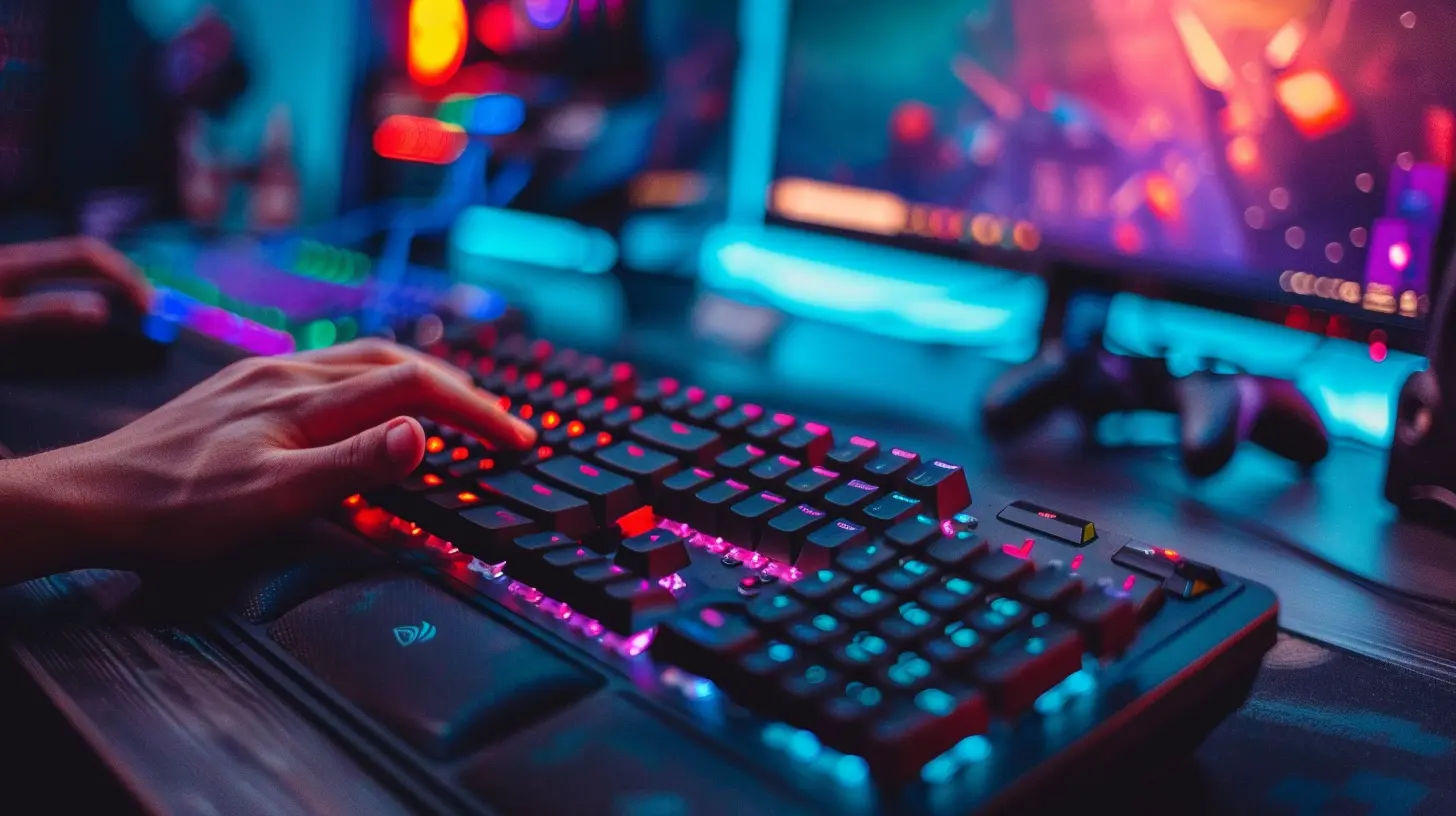
The Role of Sound in Sensory Immersion
Gaming is an immersive experience. We care about frame rates, screen resolutions, and surround sound — but what about that fifth sense?Sound = Presence
Keyboard sounds add a layer of realism to gameplay. When every command is heard, it reinforces the idea that you're in control. It’s the audio equivalent of haptic feedback. Each ‘click’ or ‘thock’ is a mini handshake between your thoughts and their execution.That’s huge in competitive gaming where reaction times matter. The faster your brain gets confirmation of your action (via sound), the faster it can move on to the next one.
High-speed gaming is a mental marathon. If your keyboard’s sound helps pace your rhythm, then it’s doing more than just making noise — it’s boosting your cognitive response time.
Personalization and the Power of Preference
We all have that one setup we swear by. RGB lighting just right, mouse sensitivity dialed in, headset snug. Your keyboard should be no exception.Sound as an Identity
Your keyboard’s sound is part of your gamer identity. Streamers like TaehaTypes and Alexotos have built platforms around the sound of their builds. Viewers tune in not just for specs, but for the ASMR-like experience.You might find yourself preferring a deeper ‘thock’ over a sharp click based on mood, game type, or even the time of day. Some players have more than one board for this very reason.
Want more control? Lubing your switches, adding foam, or even customizing keycaps can drastically change the acoustics — and by extension, your gaming focus.
The Science of Sound and Cognitive Performance
Now it’s time to flex the big brain stuff. There’s science behind this, too. Research in cognitive psychology shows that sensory feedback (like sound) increases task performance and satisfaction.Audio Feedback and Attention Span
Studies suggest that auditory feedback can:- Enhance attention
- Improve memory retention
- Boost performance in repetitive tasks
This is gold for gamers. If a simple sound can improve reaction time or mental endurance, it’s worth optimizing.
Noise vs Harmonic Sound
There’s a difference between noise and sound. Random clatter? Distracting. Harmonic, patterned sound — like consistent keystrokes? Calming.That’s why poorly balanced keyboards with rattle or ping are frustrating. They interrupt your focus. A well-tuned keyboard delivers a soundscape that enhances, not interferes.
Focus and Flow: Why Sound Keeps You In The Game
Let’s get real — maintaining focus is tough, especially during long gaming sessions. Distractions are everywhere. That’s where keyboard sound actually becomes a secret weapon.The Rhythm of Repetition
Repeating similar sounds creates a kind of white noise effect — which many people use to drown out distractions. Your keystrokes can become that white noise. The steady rhythm keeps your mind anchored in the game instead of drifting off.It's the same reason people study better with lo-fi beats in the background. It’s not the music — it’s the pattern.
Multisensory Engagement = Better Focus
When sound combines with visual and tactile feedback, your brain lights up. Literally. This multisensory input keeps it engaged, alert, and focused.That’s why quiet, low-feedback keyboards can feel underwhelming. They only stimulate one sense. Add sound to the mix, and suddenly your brain’s fully invested.
The Dark Side: When Keyboard Sound Becomes a Distraction
Of course, it’s not all good vibes and beautiful clicks. Sometimes keyboard sound can hurt more than help.Sound Fatigue
Just like visual fatigue (hello, eye strain), you can get auditory overload. If the pitch is too high or the volume too loud, it can disturb your focus rather than enhance it.Ever felt drained after a long session with a super-clacky keyboard? That’s sound fatigue at play.
Other Players and Shared Spaces
Let’s be honest — your perfect keyboard sound might be someone else’s nightmare. Whether it’s teammates in a Discord call or roommates in your living room, not everyone vibes with loud clicky sounds.In these cases, consider quieter switches like Cherry MX Silent Reds or invest in dampening mods to tone down the volume without sacrificing feel.
Tips to Optimize Keyboard Acoustics for Better Gaming Focus
Wanna level up your keyboard game? Here are some quick tips:1. Choose the Right Switch for You: Tactile for feedback, linear for speed, clicky for sound satisfaction.
2. Mod Your Board: Lubing switches, using foam, or adding o-rings can drastically change sound profiles.
3. Use a Desk Mat: It reduces vibration and muffles harsh clacks.
4. Get Better Keycaps: PBT or double-shot ABS caps often sound more solid than thin, cheap ones.
5. Test It Out: Try different switches at a local store or through switch testers before buying a full board.
Remember, there’s no one-size-fits-all. Your ideal sound is the one that keeps you locked in and loving the game.
Final Thoughts: It’s More Than Just Clicks and Clacks
So, what have we learned? Keyboard sound isn’t just background noise. It's a psychological player in your gaming experience. When done right, it boosts focus, increases immersion, and turns repetitive gameplay into a rhythm your brain actually enjoys.Whether you're a try-hard grinding ranked matches or a casual player just vibing with friends, the sound of your keyboard can genuinely shape your performance and enjoyment.
So next time someone rolls their eyes at your obsession with switches and keycaps, just smile and say, “It’s science, bro.
all images in this post were generated using AI tools
Category:
Gaming KeyboardsAuthor:

Whitman Adams
Discussion
rate this article
2 comments
Carina McCool
Fascinating insights! Keyboard sounds truly enhance immersion and focus during intense gaming sessions.
April 16, 2026 at 3:06 AM
Whitman Adams
Thank you! I'm glad you found the insights interesting—keyboard sounds can indeed elevate the gaming experience by enhancing immersion and focus.
Mary Turner
Keyboard sounds significantly enhance gaming focus, creating a sensory connection that boosts immersion and performance—essential for serious gamers.
April 15, 2026 at 4:11 PM
Whitman Adams
I completely agree. The right keyboard sounds can really deepen the gaming experience and keep players engaged. It's all about that connection.