The Psychology of Game Design and Its Impact on Mental Health
7 February 2026
Video games have exploded into mainstream culture, rising far beyond their humble pixelated beginnings. These days, they’re not just pastimes—they're full-blown immersive experiences, complete with complex narratives, dynamic mechanics, and massive virtual worlds. But underneath all the graphics and gameplay lies something even more intriguing: psychology.
Game designers don’t just slap together buttons and levels. They tap into cognitive science, behavioral psychology, and emotional cues to boost engagement, retention, and, ideally, enjoyment. But here’s where it gets deep—game design can affect mental health, both positively and negatively.
In this article, we’re going to peel back the digital curtain and explore how psychology is baked into game design and what that means for our minds.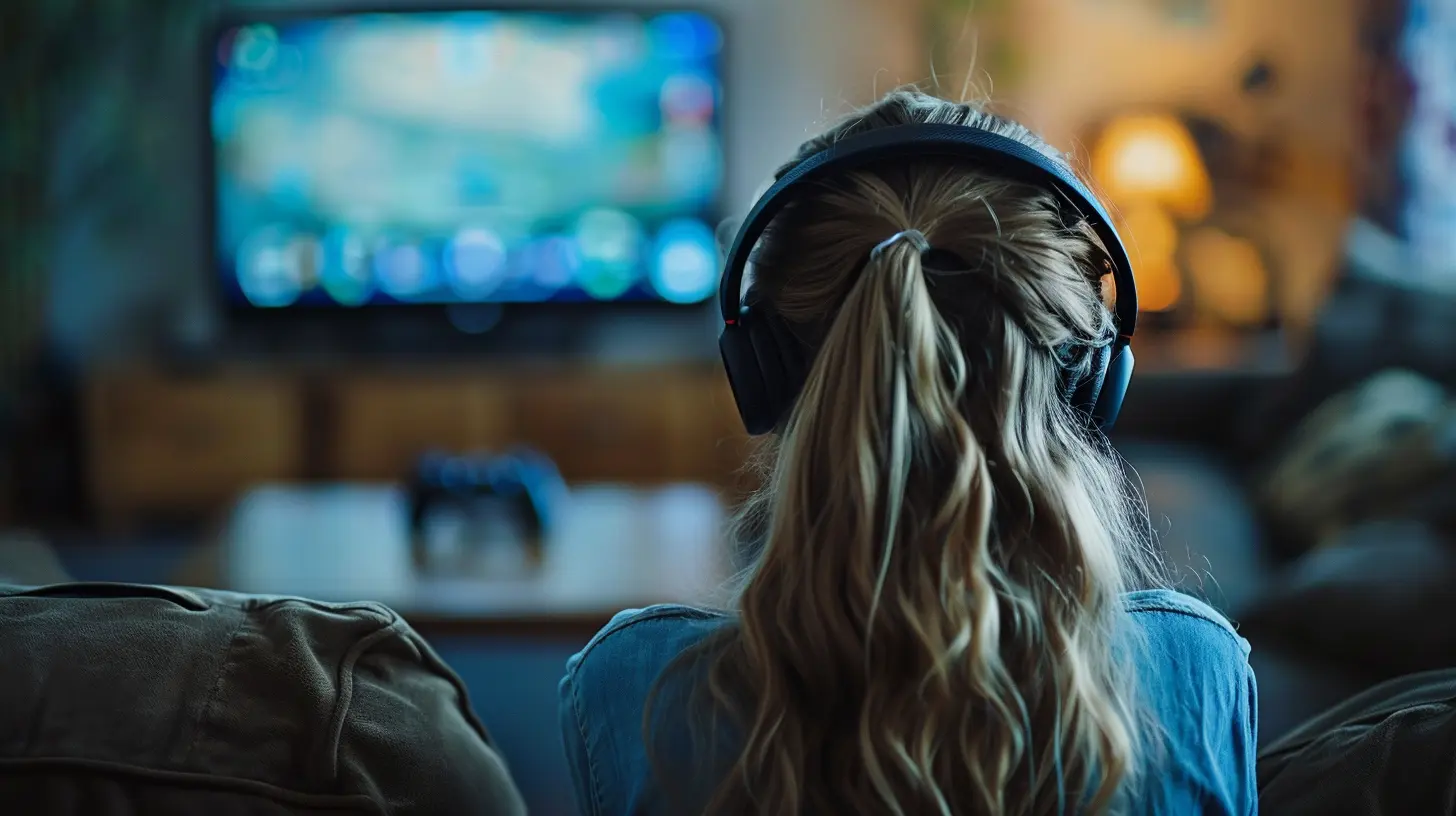
The Psychological Backbone of Game Design
Let’s be real—games are designed to hook us. Just like scrolling social media or binge-watching Netflix shows, there's psychology at play. But how exactly do developers keep us pressing buttons for hours?Feedback Loops and Dopamine Hits
Ever notice that satisfying ding when you level up? Or the colorful loot explosion after beating a tough boss? That’s a feedback loop, and it’s not accidental.Games reward players with a careful cocktail of visual, auditory, and tactile feedback. That reward system activates the brain's pleasure center, releasing dopamine—the "feel-good" neurotransmitter. It’s the same chemical released when you achieve a goal in real life, eat good food, or get a compliment.
The trick? Games offer this reward consistently. That’s how they keep us coming back for more.
Variable Ratio Reinforcement — A Psychological Jackpot
Slot machines operate on a psychological principle called variable ratio reinforcement. Basically, rewards are given out randomly, keeping you guessing. Games like "Fortnite" or "Genshin Impact" use similar systems with loot boxes or rare item drops.You never know what you’re going to get, and that unpredictability? That’s pure psychological bait. It’s thrilling and addictive.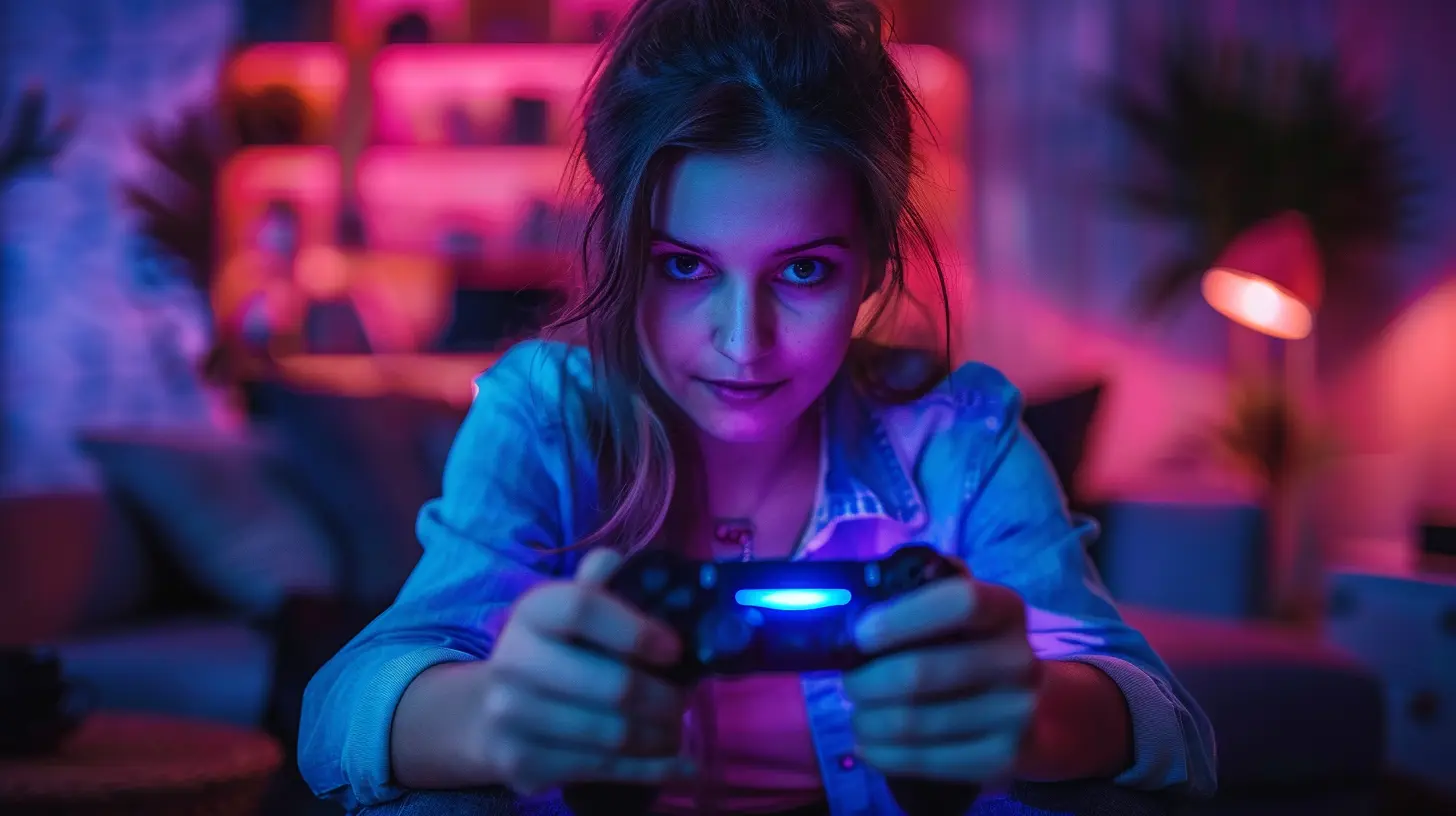
Positive Mental Health Effects of Gaming
Okay, now that we understand some of the triggers behind engagement, let’s talk about the good stuff. Contrary to what some critics say, video games can actually offer serious mental health benefits.Stress Relief and Emotional Regulation
Ever had a long, exhausting day and just wanted to zone out in a game? You're not alone. Games offer a form of escapism that helps players detach from real-world stressors. Engaging in a game world allows for a temporary mental reset—almost like meditation, but with more dragons and bullets.Certain genres, like puzzle games and simulations, are even designed to be calming. Think "Animal Crossing," where you literally pull weeds and decorate—hardly high-octane stuff, but super relaxing.
Skill Building and Cognitive Gains
Some games are more than fun—they’re brain workouts. Strategy games like "Civilization" or "StarCraft" challenge your planning, memory, and multitasking abilities. First-person shooters improve reflexes and hand-eye coordination.Even better? Games often require problem-solving and critical thinking, helping players develop real-world competencies like patience, perseverance, and decision-making.
Social Connection and Belonging
Contrary to the stereotype of gamers as isolated, many games are deeply social. Multiplayer games like "Minecraft," "Among Us," and MMORPGs (like "World of Warcraft") foster cooperation, teamwork, and friendship.For people who struggle with social anxiety or live in remote areas, online gaming can be a lifeline—a place to connect when physical connection is hard or impossible.
The Not-So-Great Side of Game Design on Mental Health
But it’s not all epic wins and friendship quests. Just like anything that taps into our psychology, gaming can have a darker side—especially when game design leans into exploitative practices.Addiction and Compulsive Play
Let’s address the elephant in the room—gaming addiction. When a game is built to trigger repeated dopamine spikes through constant rewards, it can become hard to stop playing. And if a game uses microtransactions or loot box systems? That creates an even more dangerous loop of spending and playing.People can lose sleep, skip meals, or avoid social interactions just to keep playing—a clear signal that the psychological design is overpowering their mental health.
Comparison Culture and Gamer Burnout
In competitive games or even in social MMOs, there’s pressure to perform. Whether it's ranking up in "League of Legends" or flexing a rare skin in "Fortnite," players often compare themselves to others. This can breed anxiety, low self-worth, and even depression.And then there’s burnout—yes, even from video games. Pushing yourself to keep playing for rewards or grinding content can turn play into a chore. It’s not so fun anymore when it feels like a job.
Aggression and Desensitization
This is a controversial topic, but it’s worth mentioning. Some studies suggest a link between violent game content and increased aggression, especially in younger players. While it doesn’t mean someone will turn violent because they played "Call of Duty," constant exposure to violent imagery might dull emotional responses or increase aggressive thoughts temporarily.
The Ethics of Game Design: Responsibility vs. Engagement
Here’s where things get interesting. Designers now face a moral fork in the road. While it’s easy to use psychology to keep players around longer, the question becomes: should you?Games are built to engage, but should they manipulate?
Some developers are now embracing ethical design, crafting games that encourage breaks, include mental health warnings, or even integrate mental wellness practices right into gameplay.
Think of "Celeste," a platformer that not only challenges your reflexes but openly discusses anxiety and depression in its storyline. Or "Hellblade: Senua’s Sacrifice," which explores psychosis in a respectful, insightful way.
These games don’t just entertain—they open up conversations about mental health in meaningful ways.
Healthy Gaming Habits for the Mind
So, how do we enjoy games without letting them mess with our mental health? Balance is key. Here are a few ways to keep your gameplay enjoyable and your head clear:1. Set Time Limits
Use a timer or app to remind you when it’s time to take a break. Trust me, those "just five more minutes" moments can turn into hours real quick.2. Play Purposefully
Not every gaming session needs to be a deep dive. Sometimes it’s okay to log in just to relax or connect with friends.3. Stay Mindful of Microtransactions
Loot boxes and in-game purchases can be fun, but they’re designed to keep you spending. Keep an eye on your spending habits and set personal limits.4. Diversify Your Games
Switch up genres to avoid burnout. If competitive shooters stress you out, try a chill game like "Stardew Valley" or a story-driven game with more emotional depth.5. Pay Attention to Your Mood
If you notice a game is making you anxious, angry, or bummed out regularly—it might be time to take a step back. Your emotional well-being is more important than leveling up.How Game Developers Can Promote Mental Wellness
Gamers aren’t the only ones who have to think about mental health—developers can take steps too. Here’s how game studios can support players' emotional well-being:- Provide Transparent Reward Systems: Ditch the shady loot box mechanics and show clear probability odds.
- Encourage Breaks: Add built-in reminders for players to pause and rest.
- Build Empathetic Narratives: Create stories that explore mental health themes sensitively and realistically.
- Avoid Exploitative Mechanics: Skip the “pay to win” pressure and manipulative time-gating systems.
- Create Safe Communities: Moderate online spaces to reduce toxicity and foster positive social interaction.
By taking these steps, devs can create games that are not just addictive—but also affirming, empowering, and even healing.
Final Thoughts
In the end, the psychology of game design is a double-edged sword. On one side, it offers joy, connection, and cognitive benefits. On the other, it can trip into addiction, stress, and emotional fatigue. The key lies in understanding how these games are built and being mindful of how we interact with them.As gamers, we need to play with awareness. As developers, there’s a responsibility to design ethically. When both sides meet in the middle, the result can be magical—games that don’t just entertain, but uplift the human spirit.
So next time you boot up your favorite game, think about what’s happening behind the scenes—and between your ears.
all images in this post were generated using AI tools
Category:
Gaming And Mental HealthAuthor:

Whitman Adams
Discussion
rate this article
2 comments
Lindsey Evans
What a fascinating read! Exploring the intersection of game design and mental health really highlights how thoughtfully crafted experiences can positively influence our well-being. It’s amazing to see how gaming can be more than just fun; it can be a powerful tool for growth!
February 9, 2026 at 4:07 AM
Whitman Adams
Thanks for your insightful comment! I'm glad you found the exploration engaging. Gaming truly has the potential to foster growth and well-being in meaningful ways.
Valentina Sawyer
Game design intricately weaves psychological insights that can enhance mental well-being or exacerbate issues. By understanding player motivations and emotional responses, designers have the power to create experiences that promote resilience and mindfulness. It’s essential to strike a balance, ensuring games are tools for growth rather than sources of stress.
February 8, 2026 at 5:59 AM
Whitman Adams
Absolutely! Game design holds significant potential to positively influence mental well-being by leveraging psychological insights, but it's crucial to balance these elements to foster growth without causing stress.