The Rise of Indie Games on Cloud Platforms
7 July 2026
Gaming is in the midst of a revolution—but not the kind with billion-dollar budgets and flashy trailers. Nope, this is a quieter uprising, one that’s been hiding in plain sight. It’s the rise of indie games, but this time, they're not just spreading across digital storefronts or topping Steam wishlists. They're taking over cloud gaming platforms, and honestly? It’s about time.
Let’s break down what’s going on, why it matters, and how it’s changing the future of gaming as we know it.
Indie Games: The Underdogs Turned Cultural Icons
Before we jump into the cloud, let’s talk indies. Once seen as the garage bands of the gaming world, indie developers have repeatedly proven that you don’t need a triple-A budget to create emotional depth, innovative mechanics, or downright addictive gameplay.From masterpieces like Hollow Knight and Celeste to cultural phenomena like Among Us, indie games have captured hearts across the globe. Why? Because they're raw, honest, and often more experimental than their big-budget counterparts.
So what’s next for these digital dreamers? The cloud.
What Is Cloud Gaming? (And Why Should You Care?)
Alright, here's the deal: cloud gaming is basically Netflix for video games. Instead of downloading massive game files or buying expensive hardware, you just stream the game directly from a server—kind of like watching a YouTube video, but interactive.Platforms like Xbox Cloud Gaming, NVIDIA GeForce NOW, Amazon Luna, and Google Stadia (may it rest in peace) have made it possible to play graphic-heavy games on devices that couldn’t traditionally handle them—phones, tablets, even smart TVs.
But what does cloud gaming mean for indie developers?
A lot.
Leveling the Playing Field
Let’s face it: triple-A games dominate traditional distribution networks. They’ve got the money, the marketing, and the manpower. For a long time, indie devs had to rely on sheer creativity and word-of-mouth to make a splash.But on cloud platforms? The rules are different.
Lower Barriers to Entry
First off, cloud platforms often allow smaller developers to reach huge audiences without worrying about hardware limitations. You don’t need players to own a powerful PC or a next-gen console anymore—just a decent internet connection.For gamers, this means more freedom to try indie games without downloading gigabytes of data. For devs, it’s a golden opportunity to get more eyeballs on their passion projects.
Equal Shelf Space
One of the coolest things about platforms like GeForce NOW and Luna is how they present games. Indies aren’t hidden under 10 layers of menus like in some console stores. Instead, many cloud libraries showcase indie games right alongside blockbusters.It’s like walking into a bookstore where The Great Gatsby and a debut indie novel share the same spotlight. Pretty rad, right?
Indie Innovation Meets Instant Access
Cloud gaming removes the friction between curiosity and play. Think about it: how many times have you scrolled past a game, thought “hmm, that looks interesting,” but didn’t bother downloading it because of the file size or your device?Cloud fixes that.
With a click, you're in. And indie games, which are often smaller in scope and more focused on gameplay mechanics, are perfect for quick, snack-sized gaming sessions or deep dives alike.
Try Before You Buy
Many cloud platforms offer access to a library of games under a subscription model. For indie titles, this means more players can explore games they might never have purchased outright. And if they love it? They might buy it, stream it, or even tell their friends.Word of mouth is still king in the indie world. Cloud makes it faster.
The Power of Accessibility
Cloud gaming doesn’t just help indie games get discovered—it also makes them more inclusive. Not everyone can afford a $500 console or a high-end PC. With cloud platforms, all you need is a phone and a controller (sometimes not even that!).Think about the high school kid in a rural town who can now dive into indie adventures. Or the casual gamer who stumbles onto a hidden gem while browsing.
Cloud opens doors that were previously shut. And indie games walk right through them.
Real-World Examples of Indie Games Thriving on Cloud
Let’s take a look at a few indies that are absolutely killing it on cloud platforms:- Hades – This roguelike action dungeon crawler exploded in popularity, thanks in part to its availability on platforms like Xbox Cloud Gaming. It’s a perfect example of an indie game that looks and plays like a triple-A title.
- Spiritfarer – Talk about emotional storytelling. This cozy management game found a wider audience once it hit cloud libraries—proof that empathy-driven titles have a place in the digital skies.
- Celeste – The pixel-perfect platformer made its way into cloud gaming ecosystems, giving streamers and casual players alike a chance to experience its heartfelt story and challenging gameplay without bulky installs.
These games didn’t just benefit from cloud gaming—they thrived.
The Role of Game Pass and Subscription Models
We can’t talk about the rise of indie games on cloud without tipping our hats to services like Xbox Game Pass Ultimate. It’s not just a subscription model—it’s a discovery engine.Game Pass has made cloud gaming viable by bundling a rotating catalog of games, including tons of indie titles, under one monthly fee. For players, it’s a buffet of options. For devs? It’s a lifeline to financial stability and global reach.
Imagine being a small developer and finding out your game has been downloaded (or streamed) over a million times thanks to Game Pass. That’s not just exposure—that’s validation.
Developers Speak Out
Many indie devs have openly praised cloud platforms for leveling the playing field.Take the small team behind The Artful Escape. Their psychedelic narrative adventure found new life on Xbox Cloud. They’ve mentioned how fans from countries with limited access to gaming hardware were finally able to experience their game—something traditional platforms couldn’t offer easily.
That’s the power of the cloud: breaking down walls, not just in tech, but in opportunity.
Obstacles in the Sky
Okay, not everything is rainbows and high scores. There are still some hurdles.Monetization Concerns
Subscription models are great for players, but can be tricky for developers. How much does a dev earn if their game is streamed 15,000 times but never purchased outright?Cloud platforms are still figuring out the best ways to compensate devs fairly. It’s a work in progress.
Internet Dependence
Let’s not forget: cloud gaming is only as good as your internet connection. Lag, disconnections, or data caps can put a damper on any gaming session. While indies usually require less bandwidth than blockbuster titles, it’s still a barrier for many.But as 5G and fiber become more widespread, this obstacle might shrink over time.
What’s Next for Indie Games in the Cloud?
We’re still at the beginning of something big. Cloud gaming is evolving, and indie developers are getting better at leveraging it.Expect to see more cloud-native games—titles designed specifically with streaming in mind. Imagine games that auto-scale based on your connection, or that allow real-time co-op without matching servers.
We could even see dynamic storytelling that adapts based on how quickly a game is streamed or completed. The sky’s the limit (literally and figuratively).
Final Thoughts
The rise of indie games on cloud platforms isn’t just a trend—it’s a tectonic shift.We’re watching the walls between platform, player, and creator crumble. We’ve entered an era where a two-person team in a small apartment can create a game that reaches millions, instantly. And that’s freaking beautiful.
So next time you're scrolling through a cloud library and you see a quirky, colorful, unfamiliar title—give it a try. You might just experience something magical.
And indie devs? Keep doing your thing. The cloud’s got your back.
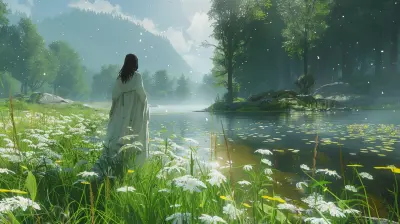
all images in this post were generated using AI tools
Category:
Cloud GamingAuthor:

Whitman Adams