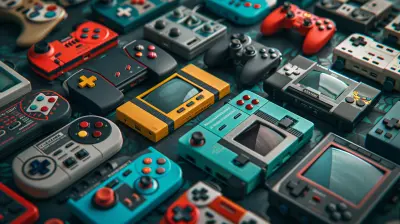
The Role of Community Feedback in Shaping Game Remakes
5 January 2026
Ah, remakes. The nostalgic video game equivalent of reheating grandma's lasagna—sometimes it's even better the second time around, and other times… well, let's just say it leaves a weird taste in your mouth. But here's the thing: remakes aren’t just up to the developers anymore. Nope. These days, the gaming community is practically riding shotgun, coffee in one hand, megaphone in the other, shouting directions.
Welcome to the power of community feedback in shaping game remakes—the good, the bad, and the pixelated.
What Exactly Is a Game Remake, Anyway?
Let’s clear this up before we dive headfirst into the rabbit hole. A game remake isn’t just a prettier version of an old game. It’s a full-on reimagining, often rebuilt from the ground up with updated graphics, mechanics, voice acting (if we’re lucky), and sometimes even altered storylines.Think of it like flipping your childhood treehouse into a modern Airbnb—but keeping the cheesy posters from the '90s because they "add character."
Why Do Developers Even Care What We Think?
You’d think that game studios, with their shiny offices and hordes of code monkeys (we say that lovingly), would just do their thing, right? But no! In this internet-fueled age of Reddit threads, Twitter storms, and YouTube rants, ignoring the community can be the kiss of death.Because Gamers Are Loud (And Rightfully So)
Gamers are passionate creatures. We pour hundreds of hours into these digital worlds. When we hear a favorite classic is being remade, we’re not just excited—we're emotionally invested. If a dev gets it wrong? The community makes sure the internet knows. Fast.Remember Warcraft III: Reforged? One word: yikes.
Trust = Sales
Let’s not kid ourselves. While artistic vision matters, money talks, and happy fans are paying fans. Studios have learned that tuning in to what the community wants isn't just nice—it's necessary for survival.
Famous Examples Where Community Feedback Changed the Game (Literally)
Alright, pop quiz: Which remake nearly broke the internet (in a good way)? Ding ding—Resident Evil 2 Remake. Chef’s kiss.Resident Evil 2 Remake – A Feedback Frenzy That Paid Off
Capcom actually listened. Fans begged for an over-the-shoulder camera instead of the old school tank controls. What did Capcom do? Delivered exactly that, with moody lighting, tense atmosphere, and zombies that made us scream like toddlers.The result? Fans rushed in like it was Black Friday at a haunted Walmart. Critics and players alike gave it two bloody thumbs up.
Final Fantasy VII Remake – It’s Not 1997 Anymore, Baby
When Square Enix teased a remake of Final Fantasy VII, the internet nearly self-combusted from excitement. But fans made their voices loud and clear: "Don’t mess it up."They wanted the story intact, the characters beloved and emo as ever, but also gameplay that didn’t feel like it came from a museum. Square listened. What we got was modern combat, deeper emotional beats, and a redesigned Cloud Strife with even spikier hair. Success.
Mass Effect Legendary Edition – The Mako Makeover Nobody Knew They Needed
BioWare took a lot of heat from fans over the original Mass Effect’s clunky Mako vehicle. In the remaster, guess what got a tune-up? The Mako. All thanks to years of memes, rants, and well-meant sarcasm on forums.
How Do Developers Actually Collect Feedback?
It’s not like devs are just scrolling through TikTok hoping for inspiration (though who knows, maybe they are). There's a method to the madness.1. Social Media Listening
Twitter, Reddit, and Discord have become unofficial QA departments. Devs monitor hashtags, threads, and channels like hawks on a caffeine drip. If something goes viral (for better or worse), you can bet it’s being discussed in an emergency meeting the next morning.2. Beta Testing & Early Access
Want real-time feedback? Let players in early. Games like Halo: The Master Chief Collection had public tests before big patches—and lo and behold, bugs got squashed, and upgrades got player approval.3. Forums & Official Surveys
Some studios keep it old-school with official forums and surveys. Turns out, people really do love filling out forms—when it’s about their favorite games.The Double-Edged Sword of Fan Feedback
Okay, here’s the spicy part. Listening to the community isn’t always a walk in the Mushroom Kingdom.Too Many Cooks Spoil the Potion
Sometimes fan feedback is… all over the place. One person wants darker tones, another wants more comedy. Somebody wants the main character to be a talking raccoon. You can't please everyone, and trying to do so can water things down.Vocal Minority vs. Silent Majority
The loudest voices aren’t always speaking for everyone. It’s like those people who want pineapple on pizza—they shout a lot, but should we let them decide the entire menu?Game studios have to filter signal from noise, and strike a balance between fan wishes and staying true to the game’s identity.
Toxic Feedback – When Passion Becomes Poison
Let’s keep it real—some gamers cross the line. Death threats over a remake decision? Not cool. It’s a game, not a national emergency. Constructive criticism is helpful; abusive rants are not.Remakes That Ignored The Fans… And Paid the Price
Not every remake ends in applause and Game of the Year awards. Let’s pour one out for these missteps.Warcraft III: Reforged – A Lesson in Overpromising
Blizzard hyped this game to the skies. Remade cinematics! Improved UI! Revamped models! What did we get? A buggy mess stripped of old features, broken mod support, and a face full of disappointment.Fans revolted. Petitions. Review bombs. Memes that stung harder than a Zerg rush.
Grand Theft Auto: The Trilogy – Bugs In, Nostalgia Out
We were promised a sweet, remastered taste of GTA III, Vice City, and San Andreas. What we got? Rain that looked like spaghetti strands, character models that moved like knock-off Sims, and enough bugs to start our own Pokémon game.Players weren’t having it, and the backlash shook Rockstar to its core.
The Age of Transparent Development
The good news? Studios are getting better at open communication. We're seeing more dev blogs, update videos, and behind-the-scenes peeks than ever. Transparency is the name of the game, and fans are eating it up faster than a Mario mushroom.When fans are included in the process, they’re more forgiving. They feel heard. That emotional investment turns into loyalty. It’s like being invited into the kitchen as the devs cook up the remake—you’re more likely to enjoy the final dish (even if they forget the salt).
Final Thoughts: Keep the Feedback Coming
Let’s be real—without community feedback, game remakes risk becoming soulless rehashes. But with it? They can become legends all over again.We, the players, aren’t just consumers. We’re co-pilots, cheerleaders, and, sometimes, very persistent backseat drivers. And while we should always speak our minds, it’s just as important to show appreciation when devs get it right.
So the next time your favorite childhood game is getting a glow-up, don't be shy. Jump in the forums. Comment on that dev blog. Leave a thoughtful review. Because in this wild ride of game remakes, every voice matters—yours included.
And hey, maybe—just maybe—you'll help shape the next great masterpiece.
all images in this post were generated using AI tools
Category:
Game RemakesAuthor:

Whitman Adams
Discussion
rate this article
2 comments
Fern McLanahan
Game remakes: where nostalgia meets community vibes! It's like chefs perfecting a recipe while taste-testing with all their foodie friends. Keep the feedback coming, gamers!
January 17, 2026 at 3:38 AM
Whitman Adams
Absolutely! Community feedback is essential in shaping remakes, ensuring they resonate with both nostalgia and modern expectations. It's a collaborative process that enhances the gaming experience!
Thaddeus McClellan
Great article! It's heartening to see how community feedback can transform game remakes. Understanding players' perspectives fosters connection and creativity, ultimately leading to experiences that resonate deeply with both old and new fans.
January 8, 2026 at 5:55 PM
Whitman Adams
Thank you for your thoughtful comment! I'm glad you found the article insightful—community input truly is vital in creating memorable gaming experiences.