The Role of Gaming in Developing Patience and Strategic Thinking
8 June 2026
Let’s be real for a second — video games often get a bad rap. Whether it’s parents worrying about screen time or media headlines throwing shade, gaming sometimes gets treated like it's just a mindless time-waster. But what if I told you that picking up a controller or logging into your favorite PC game could actually be shaping your mind in pretty incredible ways?
Yep, you heard that right. Gaming isn’t just entertainment — it’s a mental workout. In fact, some games are practically gym memberships for your brain, building up skills like patience and strategic thinking.
So, let’s dive deep into how gaming can help you become more patient and a way better strategist — all while having a blast.
Gaming Isn’t Just Fun — It’s Training in Disguise
If you're a gamer, you've already been training your brain without even realizing it. From waiting for the perfect moment to strike in a stealth game to planning ten moves ahead in a real-time strategy match, games have a sneaky way of teaching valuable skills.Think of games like mental obstacle courses. They throw challenges at you, force you to fail (a lot), and push you to keep trying. That cycle? That’s grit — and it's closely tied to patience and strategy.
Let’s break it all down.
The Patience Factor: Why Gamers Are More Chill Than You Think
1. Learning to Lose (Over and Over Again)
No one enjoys losing. But if you’ve ever played a game like Dark Souls or even tried to climb the ranks in competitive games like League of Legends or DOTA 2, you know what it's like to fail. A lot.But here’s the thing: every time you lose and try again, you’re building patience. You're learning that progress takes time, that success comes from learning what went wrong and fixing it. Sounds kinda like life, right?
Over time, that in-game mindset starts to sneak into real-life situations, too. Waiting in line? Meh, no big deal. Stuck in traffic? You’ve survived worse in Elden Ring.
2. Delayed Gratification
Many games, especially RPGs and strategy games, are all about long-term goals. You don’t hit max level in ten minutes. You don’t build a thriving city in a single sitting.You grind. You plan. You wait.
That teaches your brain something super powerful: good things come to those who wait — and work for it. It's like farming for rare items in a game. Sure, it’s repetitive, but the satisfaction of finally getting that epic sword or piece of armor? Worth it.
This ability to delay gratification is huge in real life, especially when working toward bigger goals like saving money, studying for exams, or hitting fitness milestones.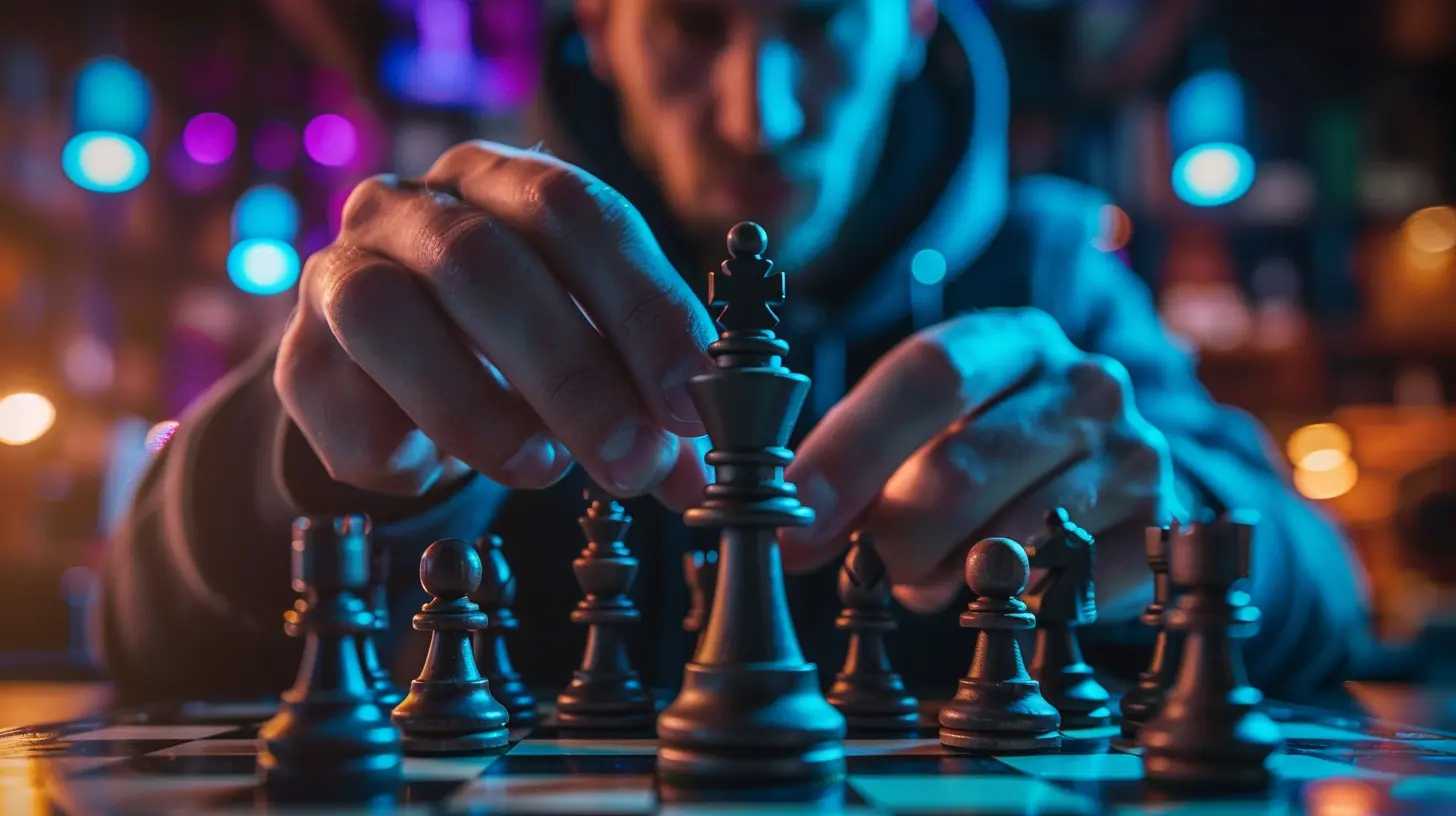
Strategy Mode: How Games Turn Us Into Mental Ninjas
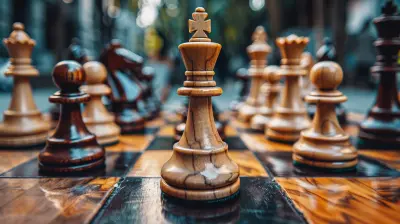
1. Planning Ahead Like a Chess Master
You can't just wing it in games like Civilization, StarCraft, or even Among Us if you're playing at a high level. You’ve got to think your moves through — maybe even multiple steps ahead.Modern games often reward you for thinking long-term. You have to manage resources, weigh risk versus reward, and even predict your opponent’s moves.
It’s basically chess with way cooler graphics.
This kind of gameplay rewires your brain to become more thoughtful and analytical. You start to think about outcomes, weigh consequences, and make decisions based on logic instead of impulse.
Can you say “strategic mastermind”?
2. Problem-Solving Under Pressure
Let’s not forget the pressure-cooker moments.Imagine you're deep in a competitive FPS match. Your team is counting on you. You’re low on health, your opponent is flanking, and the clock is ticking. You can’t freeze. You have to act — fast, but smart.
This is where fast decision-making and strategy collide. You assess the situation, make a plan, and act — all in a matter of seconds. And you get better at it the more you play.
Transfer that to real life, and you’ve got someone who can stay calm under pressure, think on their feet, and still make smart decisions. That’s a killer combo in any career, relationship, or life challenge.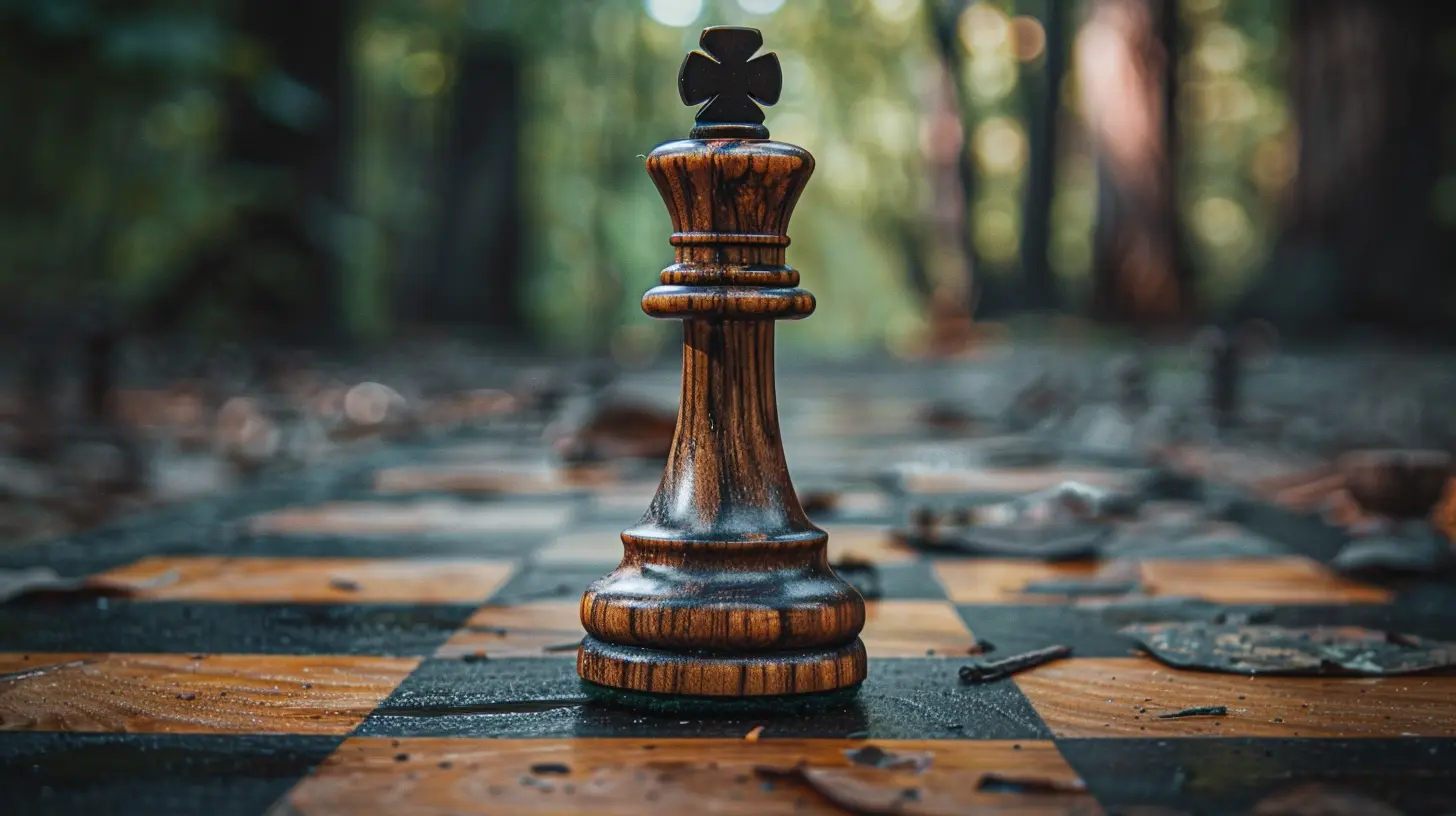
Different Game Genres, Different Skills
Not all games are created equal, and that’s actually a good thing. Different types of games train different areas of the brain. Let's break it down:1. Strategy Games (e.g., Civilization, Total War, Age of Empires)
These are obvious brain-builders. You’re managing economies, commanding armies, and negotiating with allies… all at once. You’ve got to balance short-term needs with long-term goals. One wrong move, and it could all fall apart.Patience? Needed.
Strategy? Non-negotiable.
2. Puzzle Games (e.g., Portal, The Witness, Tetris)
Puzzle games are like brain yoga. They stretch your thinking in creative ways. You might spend ages figuring out a single solution, trying different approaches, and fine-tuning your problem-solving skills.There’s no rushing these games — and that’s the point.
3. MMORPGs (e.g., World of Warcraft, Final Fantasy XIV)
MMORPGs are the slow burn of the gaming world. They’re all about grinding, leveling up, joining guilds, and working with others. You learn to wait, to collaborate, and to think strategically during raids or PvP battles.Plus, that feeling when a strategy you spent hours building finally pays off? Pure magic.
4. Simulation and Management Games (e.g., The Sims, Cities: Skylines, Planet Zoo)
Believe it or not, even games about building cities or running theme parks teach patience and planning. You can’t just throw stuff together and hope for the best. You’ve got to think about layout, budgets, efficiency, and long-term growth.If you've ever kept a Sim from dying of hunger while juggling a career and social life, you know what kind of planning we're talking about.
Real-Life Payoffs: Where Gaming Skills Show Up IRL
So, how does all this translate into the real world?Let’s say you're working on a group project. You've got multiple deadlines, people slacking off, and decisions to make. If you’re a gamer, this probably just feels like a co-op mission with bad teammates. You already know how to stay calm, think ahead, and come up with a solid plan.
Or maybe you're studying for an exam. You break the material into smaller chunks, plan your study schedule, delay gratification by skipping Netflix, and get it done. Again — that's the gamer mindset at work.
Even in relationships, patience and strategy matter. Understanding when to speak, when to listen, and how to approach conflict requires both skills. And guess what? You've been practicing them every time you played a co-op mission or negotiated with an NPC.
How to Maximize These Skills Through Gaming
Wanna make the most of your gaming habit? Here’s how to level up — literally and mentally.1. Choose Games That Challenge You
Instead of always playing easy or casual titles, mix in games that push your limits. Strategy games, puzzles, and even roguelikes (hello, Hades) can be brutally tough — but they're also incredibly rewarding.2. Reflect on Your Gameplay
After a long session, take a minute to think about what strategies worked and what didn’t. What did you learn? Where did you mess up? This helps solidify those skills and makes the learning longer-lasting.3. Play Collaboratively
Multiplayer games can be amazing for building patience (ever tried to raid with a group of strangers?) and teaching teamwork. Communication, planning, and waiting your turn are all wrapped up in one intense session.4. Set Goals
Even in games, setting personal milestones can help you stick with it longer — and feel more accomplished. Plus, it mirrors how goal-setting works in real life.It's Time to Rethink Gaming
The truth is, gaming isn’t just a hobby. It’s a tool — a powerful one. And like any tool, how you use it makes all the difference.Sure, it’s still important to take breaks, balance screen time, and stay mindful of content. But with the right games and mindset, you’re not wasting time — you’re training your brain.
So next time someone tells you you're just “playing games,” go ahead and smile. Because you know you're sharpening your patience, boosting your strategic thinking, and getting better at life one level at a time.
And hey — it’s a lot more fun than reading a textbook.
Final Thoughts: Play Smart, Think Sharper
Whether you're navigating a post-apocalyptic wasteland, building a city from scratch, or solving mind-bending puzzles, gaming offers more than just entertainment. It's a legit way to grow as a person — to be more patient, more strategic, and yes, even more resilient.So go ahead, grab that controller or fire up your PC. Just remember: every click, move, and decision counts. Not just in the game, but in how you think and live outside of it.
Happy gaming, future mastermind.
all images in this post were generated using AI tools
Category:
Gaming And Mental HealthAuthor:

Whitman Adams
Discussion
rate this article
1 comments
Clarissa Murphy
Level up your mind!
June 8, 2026 at 3:43 AM
Whitman Adams
Thanks for the encouragement! Gaming really does push us to think strategically and build patience.