The Role of Sound Design in Modern Game Remakes
17 April 2026
Have you ever booted up a beloved video game remake, only to be hit by a wave of nostalgia when you hear that familiar melody or sound effect? That instant connection—that chill down your spine—it’s no accident. It’s all thanks to the magic of sound design.
We often talk about graphics, gameplay mechanics, and storyline when it comes to game remakes. But there’s an unsung hero playing just as big a role behind the scenes: the sound design. Whether it’s ambient noise, musical score, or voice acting, sound design in modern remakes can make or break the player’s experience.
So, let’s dive deep into the heart of how sound shapes our perception and emotion in game remakes.
Why Sound Design Is More Important Than Ever
Let’s face it—games have come a long way since the 8-bit era.Back then, developers were limited by hardware. The “bleep bloops” of classic games were often more functional than emotional. But now? We’re talking full orchestral scores, surround sound, and highly nuanced audio systems.
In remakes, sound bridges the nostalgia of the past with the technological possibilities of today. Players expect the emotional gut-punch they felt decades ago, but with all the polish that modern tech can offer.
And that’s a tall order.
Sound isn’t just background noise. It breathes life into a game. It sets the tone before you even take a single step in the game world. That’s why sound designers play a crucial role in keeping the soul of the original intact while modernizing it for today’s audience.
Nostalgia vs. Innovation – Walking the Audio Tightrope
When remaking a game, developers walk a very delicate line between preserving the original and elevating it.? Recreating Iconic Sounds
Think about the save point jingle from Final Fantasy VII or the ghostly howls in Silent Hill. These sounds are etched in our minds. Fans of the original titles wouldn’t forgive a remake that completely overhauls these iconic audio cues.So, one major challenge is: how do you recreate classic sounds in a way that feels authentic but not dated?
The answer lies in modern recording equipment and sound libraries. Sound designers often remaster or reconstruct original audio tracks, enhancing clarity and depth while keeping the core elements intact. It's like restoring a vintage car—you don’t change the model, but you give it a serious tune-up.
? Adding New Layers
At the same time, modern remakes offer an opportunity to expand the soundscape. With better audio engines and more channels to play with, sound designers can add environmental sounds, character-specific audio cues, and dynamic music systems that react to gameplay in real time.Imagine walking through a forest in a remake of a 90s RPG. In the remake, you’d hear the rustling of leaves, birds chirping, distant thunder. Those added layers don’t change the game—they enrich it.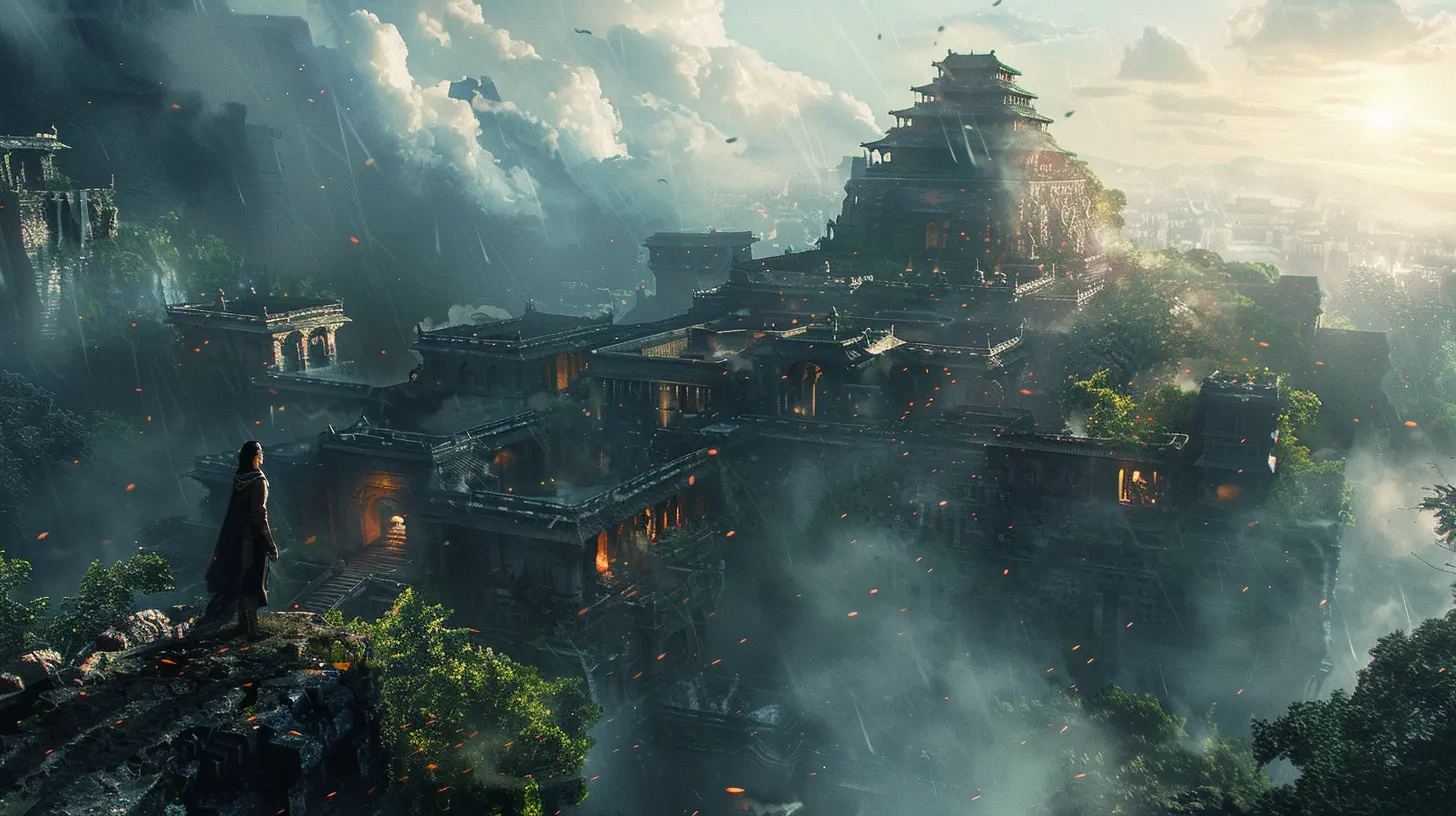
The Emotional Power of Music in Remakes
Music is storytelling. It’s mood-setting. It’s memory-triggering.? Remastered Scores and Orchestration
A lot of remake projects involve returning to the original soundtrack and building a fully orchestrated version. That synthetic MIDI soundtrack you loved as a kid? There’s a good chance you’re hearing it as a full symphony now.Take something like The Legend of Zelda: Link’s Awakening remake. The original Game Boy music was charming, sure. But the Switch version turned it into a rich, layered musical experience that matches the whimsy of the updated visuals perfectly.
Music in remakes often ties story beats to sound in powerful ways. Don’t believe me? Try playing a boss fight in a remake without music. It’s like watching Star Wars with the sound muted.
? Subconscious Storytelling
Good soundtracks do more than just sound nice—they guide how you feel. A sudden shift in key, a quiet background chorus, or a haunting melody can subtly tell you what’s coming or add deeper emotional weight.Modern remakes leverage this power by re-scoring scenes with a deeper emotional edge, fine-tuning what the player feels at every step.
Environmental Audio: The Game World Comes Alive
Let’s not forget about the sounds around you.When you walk through a dilapidated hallway in Resident Evil 2 Remake, it’s not just the visuals that put you on edge—it’s the flickering lights buzzing, the distant cries, the creaking floorboards. That atmosphere wouldn’t hit nearly as hard without immersive 3D audio.
? Binaural and Spatial Audio
One of the coolest evolutions in modern sound design is spatial audio. This tech makes it feel like sounds are truly coming from specific directions—above you, behind you, far ahead.In horror remakes or open-world RPGs, this creates an incredible sense of immersion. You don’t just hear a monster—you know exactly where it is, and how close it’s getting. Creepy, right?
? Dynamic Environmental Soundscapes
Modern sound systems allow for dynamic changes in audio based on player actions. Maybe the music swells when you’re low on health, or the rain gets louder when you step outside. These small touches pull you deeper into the game world, making the experience feel more real and reactive.Voice Acting: Giving Old Characters New Life
Ah, voice acting. One of the most impactful changes in many game remakes.? From Text Boxes to Full Dialogue
Older games often relied on text to convey story. Now, we can hear the characters’ emotions, cracks in their voice, the anger in their tone. Entirely new dimensions are added to storytelling.Games like Final Fantasy VII Remake gave voice to characters we’d only heard in our imagination. That’s powerful—and risky. Get it wrong, and you risk alienating the fanbase. But get it right, and characters become more human, more relatable.
?️ Casting That Resonates
Sound designers work closely with casting directors to choose voices that match the character's personality, tone, and even cultural context. Localization teams also play a big role here, ensuring that voice acting feels authentic across different languages.It’s a collaborative effort, and when done right, it brings new emotional weight to every line of dialogue.
Challenges in Sound Design for Remakes
Sound design for remakes isn’t just about slapping on a new audio track. It’s full of unique challenges.?️ Player Expectations
When developers remake a game, fans expect audio familiarity—but with modern polish. That’s a tough balance. Deviating too much can upset long-time fans. Staying too close might feel lazy.? Original Assets Might Be Lost
Believe it or not, many old games don't have their original sound assets stored somewhere safe. In those cases, sound designers need to recreate sound effects or music from scratch, referencing gameplay footage or MIDI files.Imagine trying to recreate a song from memory. Now multiply that by 50 tracks. That’s the kind of work we’re talking about.
⏱️ Syncing New Sound with New Visuals
Often, the pacing and visuals in a remake are tweaked, meaning audio needs to be retimed and resynced. A dramatic moment in a cutscene that lasted 10 seconds in the original might now stretch to 15 seconds. The music and voice acting need to follow suit.The Future of Sound in Game Remakes
So, where are we headed?? AI and Procedural Sound Design
With AI entering the scene, some developers are exploring procedurally generated soundscapes, which can make environments sound slightly different each time you play.Imagine forest sounds that change based on the time of day or character mood. That’s the kind of immersive future we’re approaching.
?️ VR-Ready Audio
As VR gaming grows, sound design will become even more crucial. In virtual environments, sound isn’t just immersive—it’s directional and interactive. Modern remakes being adapted for VR must step up their sound game significantly.Why We Should Appreciate Sound Designers More
Let’s be real: sound designers don’t always get the love they deserve.They’re the ones who make your favorite boss fight ten times more intense, your quiet exploration moments feel truly serene, and your emotional cutscenes hit right in the feels. They work in the shadows, but their impact echoes through every second of gameplay.
So next time you play a remake and feel emotionally pulled in, stop and listen. Chances are, a sound designer spent hours crafting that perfect moment for you.
Final Thoughts
Sound design in modern game remakes is much more than an afterthought—it's one of the core pillars that hold the entire experience together. It connects the past with the present, stirs emotions, deepens immersion, and often defines the success of a remake.If the visuals are the face of a remake, sound is the soul.
And what would a game be without its soul?
So, whether you're tiptoeing through a haunted hallway or soaring through skies on the back of a dragon, remember—it’s the sound that makes you feel alive in that digital world.
all images in this post were generated using AI tools
Category:
Game RemakesAuthor:

Whitman Adams
Discussion
rate this article
2 comments
Kenneth Lopez
Sound design is often overlooked in game remakes, yet it plays a crucial role in enhancing immersion and nostalgia. A well-crafted audio landscape can transform even familiar gameplay into a fresh and engaging experience.
April 18, 2026 at 4:11 PM
Whitman Adams
I completely agree. Effective sound design not only brings back memories but also enriches the overall gaming experience, making every moment feel new.
Dusk Bowers
Great insights! Sound design truly enhances immersion in game remakes. It's fascinating how it can transform familiar experiences into something fresh and engaging.
April 17, 2026 at 3:32 PM
Whitman Adams
Thanks for your thoughts! Sound design really can breathe new life into classic games. I'm glad you found the insights interesting.