The Social Benefits of Online Gaming for People with Anxiety
13 June 2026
Let’s be real for a second — when most people think of “online gaming,” their minds immediately leap to teenagers yelling into headsets, rage-quitting over lag, and the occasional keyboard being yeeted across the room. But what if I told you online gaming is doing way more good than it gets credit for? Yep, especially for people with anxiety.
Sounds crazy? Stick with me. We’re diving into the pixelated, loot-filled realm of online gaming to unearth the surprising social benefits it brings to those who deal with anxiety on a daily basis. Spoiler alert: it's not just about killing dragons or building pixel-perfect villages.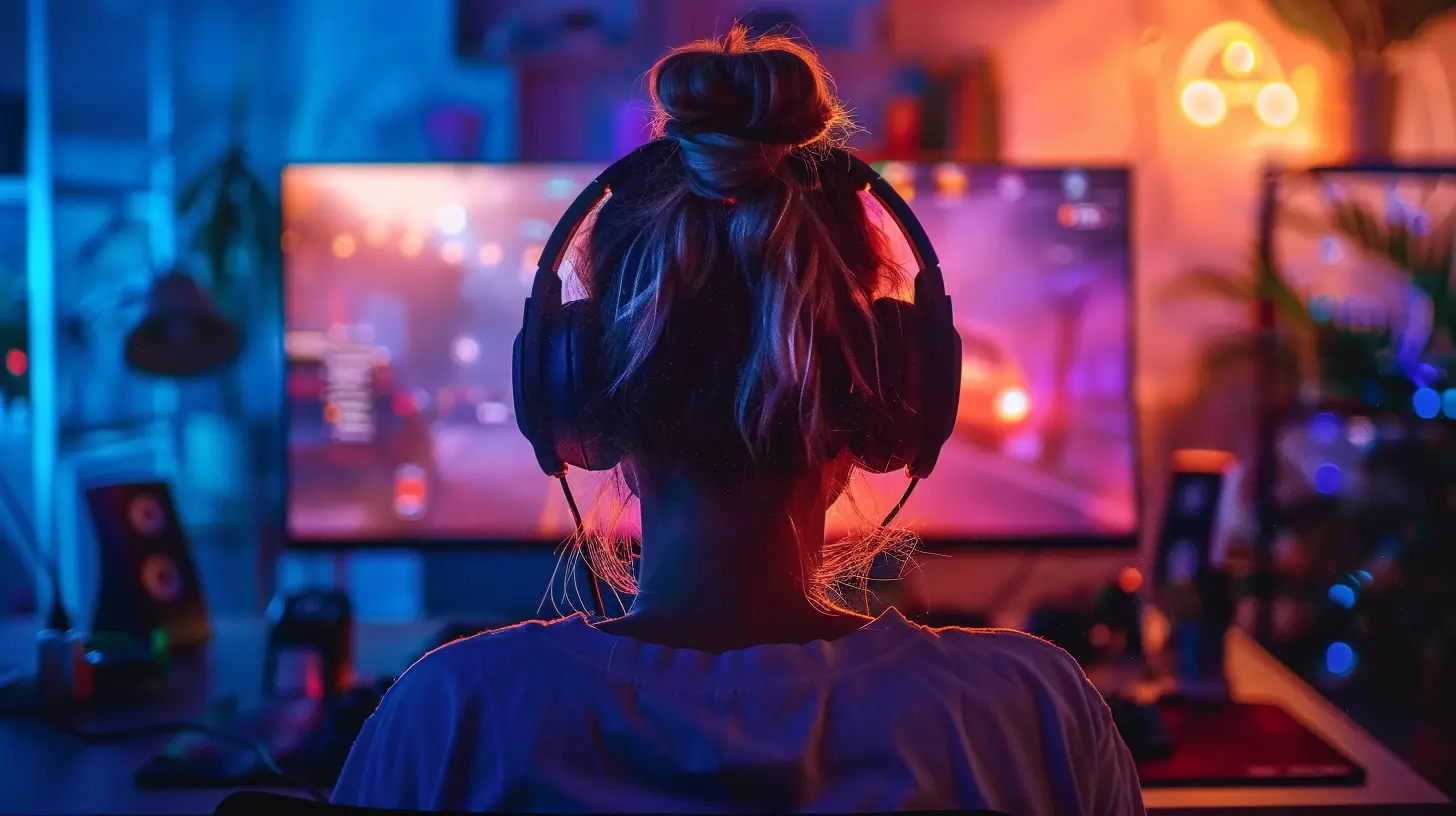
Gaming and Anxiety: The Unlikely Duo That Just Works
You might be thinking, “Wait, how does hiding behind a screen screaming about headshots help with anxiety?” Well, dear reader, that’s a fair point. But let’s unpack this.People with anxiety often find social interactions in real life to be... well, exhausting. Small talk? A nightmare. Group gatherings? Immediate heart-palpitations. Ordering food at a restaurant? Send help.
Online gaming, however, flips the script. It offers a social experience that feels safe, controlled, and — dare I say — kinda fun. There are no awkward silences or intense eye contact. Just you, a headset, and a horde of fellow gamers probably mispronouncing your username.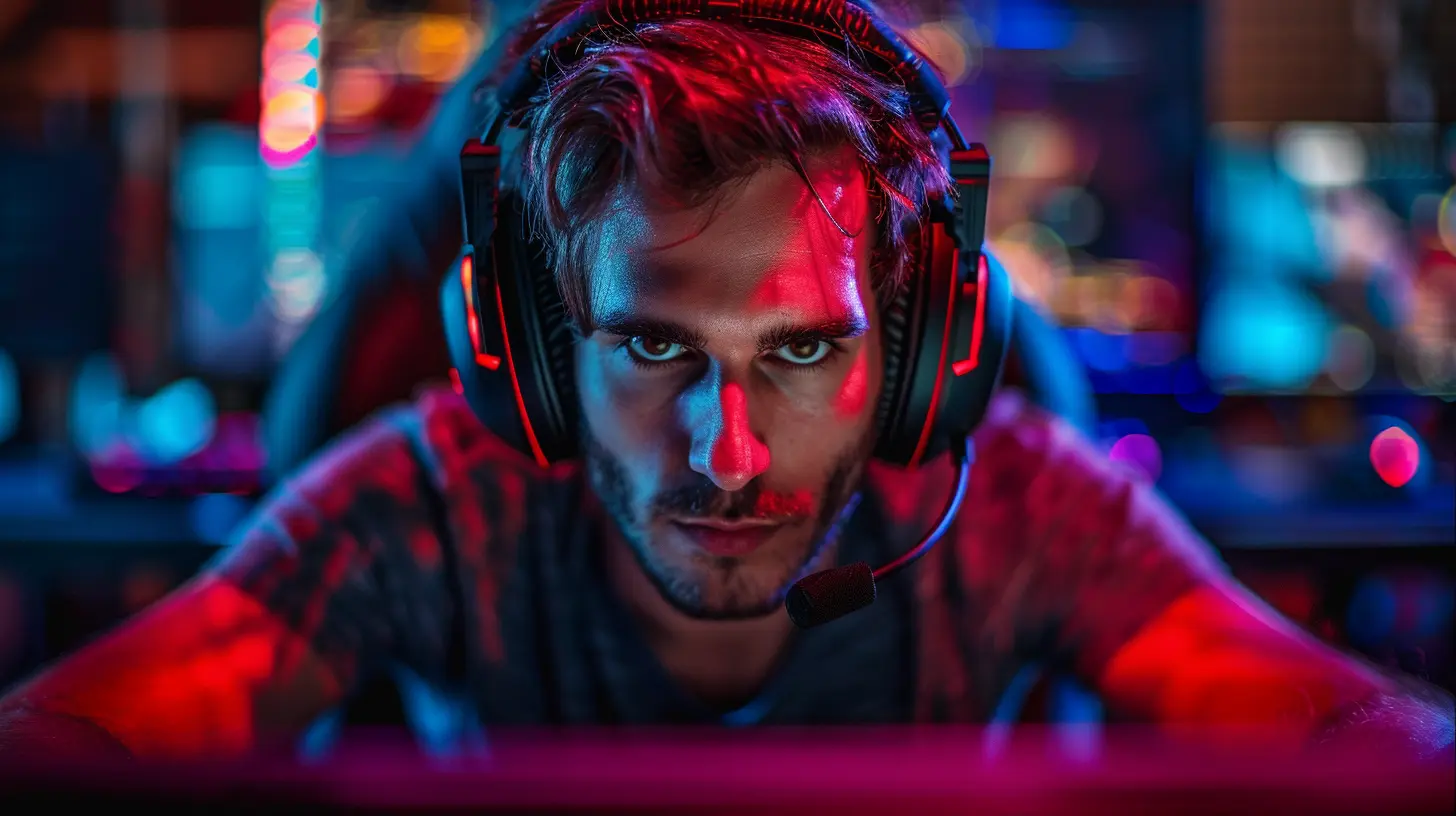
The Power of Pseudonymity
One of the most underrated features of online games? Usernames.Think about it — you get to be whoever the heck you want. Want to be a space wizard with a name like “SauceBoss420”? Go for it. Prefer something more elegant like “QueenOfAnxiousHearts”? You do you, boo.
This pseudonymity gives people with anxiety a powerful shield. They can express themselves freely without the panic of being judged. It’s like wearing emotional armor — except instead of fighting dragons, you're battling social anxiety.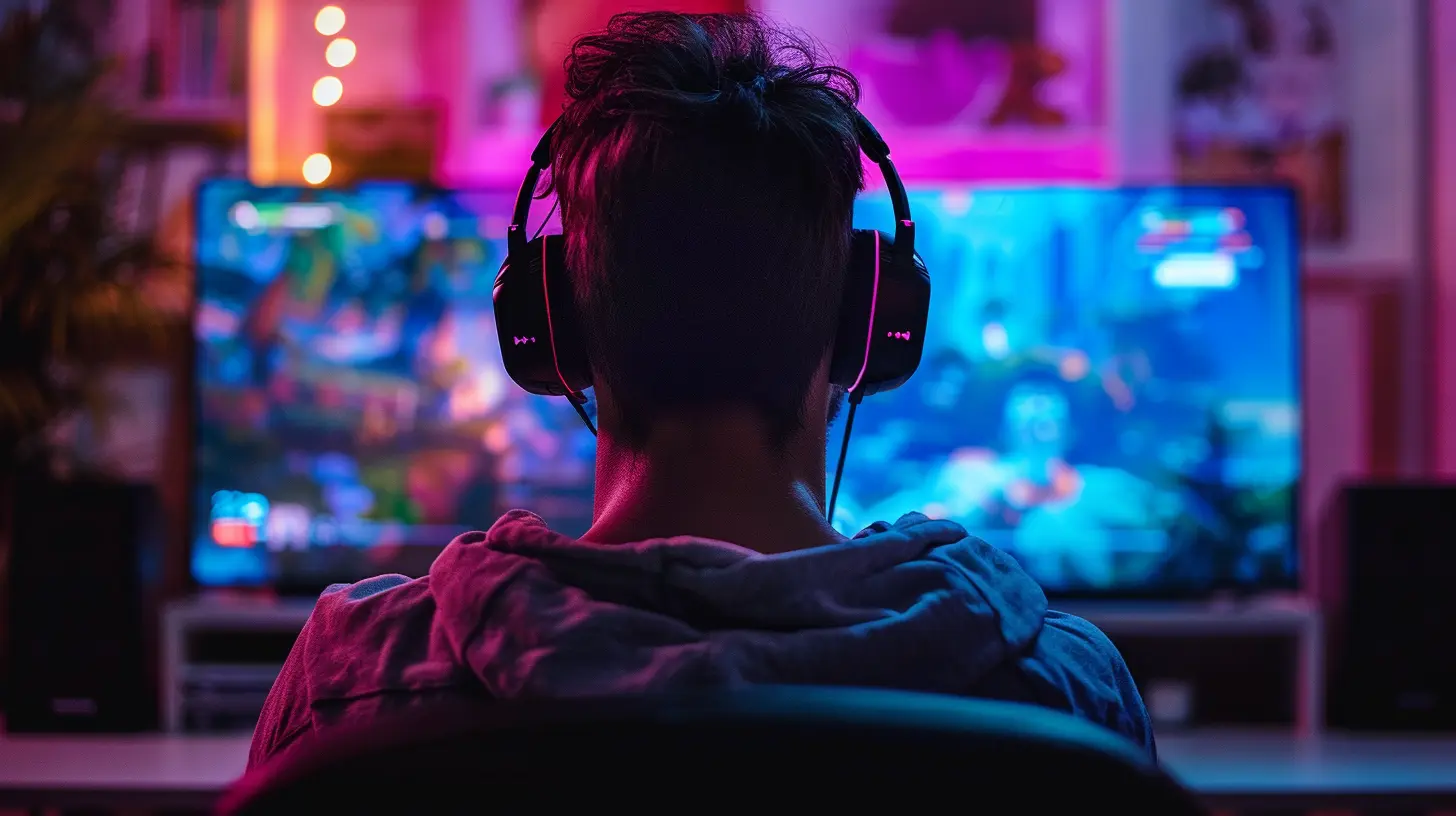
Safe Socialization, Minus the Pressure
There's a magic sweet spot in online gaming that makes it perfect for anxious folks: Social interaction without the terrifying commitment.You're technically socializing, chatting, strategizing with a team, maybe even engaging in friendly smack talk. But here's the kicker — if it ever gets too much, you can just log out.
Try doing that at a family barbecue. Not quite so smooth, huh?
The ability to control the timing, duration, and intensity of social interaction is a godsend for people battling anxiety. Whether it’s a quick round of Overwatch or a cozy evening in Stardew Valley co-op, gamers get to call the shots.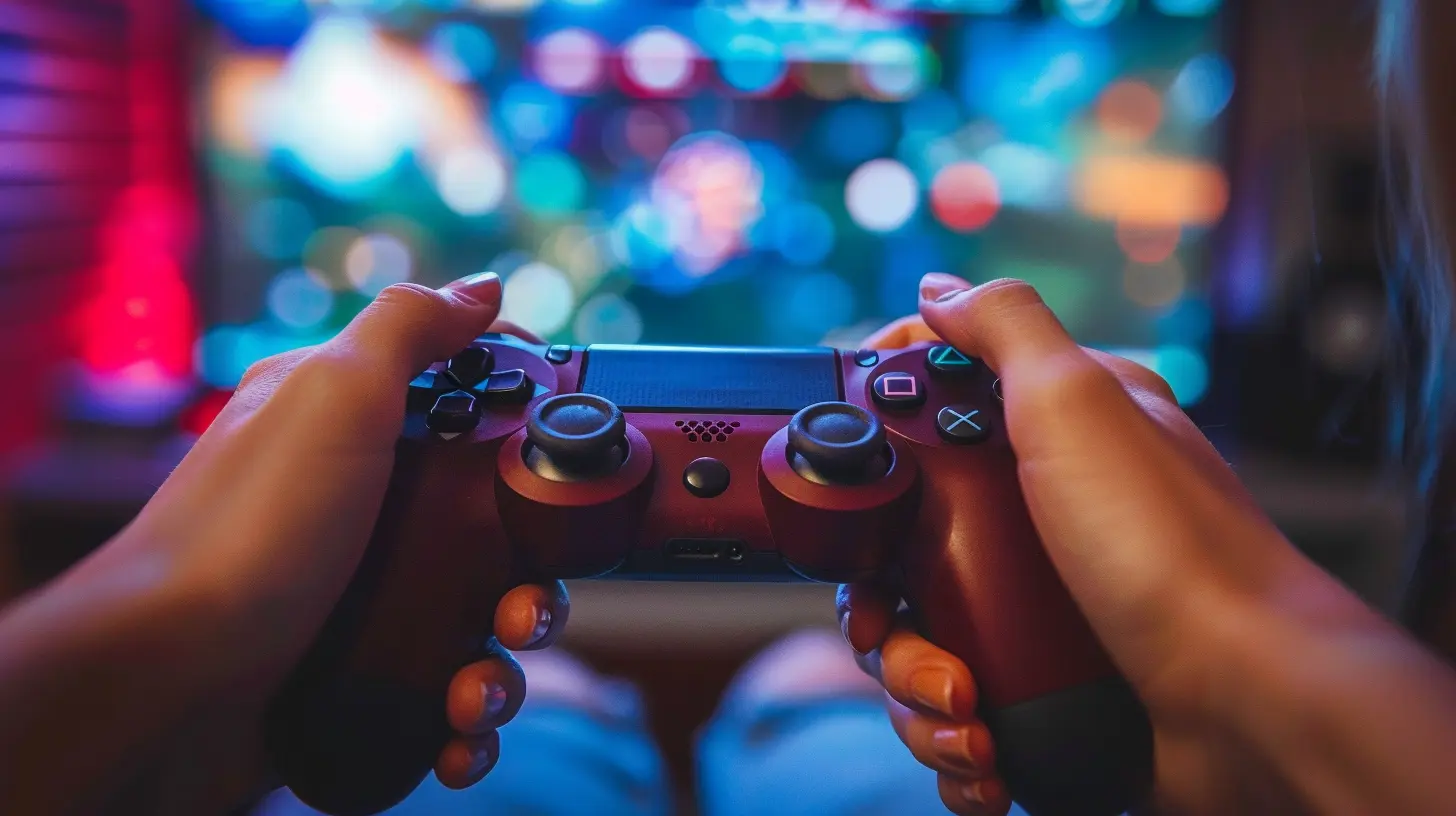
Building Real (Yes, Real) Friendships
“But are online friendships even real?” Ugh. That question again? Let’s shut that down real quick.Online friendships are not only real — they’re thriving. Some people are closer to their Valorant squad than their high school buddies. And guess what? That’s 100% okay.
For someone with anxiety, building trust is a slow, delicate process. Online games let that process breathe. There's less pressure and more opportunity to bond over shared experiences — like surviving a zombie apocalypse or trash-talking your way through a Mario Kart match.
And yes, these friendships often spill over into real life. People meet up, video call, support each other through tough times — all thanks to that initial, “GG, want to play again?”
Teamwork Makes the Dream Work (Even for Introverts)
Anxiety doesn’t mean someone wants to be alone all the time. It just means they need to approach socializing differently — and teamwork in online games is tailor-made for that.Whether you’re raiding a dungeon, coordinating a heist, or simply trying not to die in Fortnite, teamwork is non-negotiable. And the best part? The teamwork is almost always structured, with clear goals.
That structure removes the guesswork and awkward ambiguity that usually makes social encounters so nerve-racking. It’s hard to spiral into an anxiety attack when you’re laser-focused on securing the payload while yelling, “LEFT FLANK, COVER ME!”
Shared Goals = Instant Connection
You know what’s better than small talk? Smashing a common objective with your crew.Shared goals are the backbone of connection in gaming. You don’t need to ask someone about their day or bring up the weather (thank God). Instead, you’re bonding over shared missions, victories, and even losses. That emotional connection? Solid gold for someone working through anxiety who wants to feel part of something without drowning in social pressure.
The Joy of Progress — Social and Otherwise
Let’s talk progression. Not the RPG kind (though leveling up a level 1 mage to an absolute powerhouse is satisfying). We're talking about personal growth.Gaming offers tangible progress — and for someone with anxiety, that sense of “I did something today” can be huge. You won a round. You made a new friend online. You tried team voice chat for the first time. That’s not small stuff. That’s confidence fuel.
Every little success in a game can bleed into your real life too. You build resilience, communication skills, and learn how to deal with conflict (cough, salty teammates, cough) in a low-stakes environment.
Escapism? More Like Digital Therapy
Let’s not pretend gaming can replace a licensed therapist or a support system IRL. But, for a lot of people with anxiety, logging into a game is like taking a mini mental vacation — and who doesn’t need that?It’s a place where your brain can breathe, your heart can relax, and your mind can wander into something that isn’t your inbox or your to-do list. Whether you’re building a farm, exploring a fantasy world, or just vibing with friends in a virtual tavern, that mental break is healing.
Voice Chat: The Scary Boss You Can Eventually Beat
We need to talk about voice chat.For people with anxiety, using a mic can feel like walking into Mordor barefoot. I get it — your voice shakes, your palms sweat, and suddenly you forget how to say “hello.”
But here’s the twist: with practice, a lot of people get better at it. The stakes are low, you’re surrounded by other gamers, and with time, voice chat can actually become a stepping stone toward real-world confidence. Just like any boss battle, it’s terrifying at first. But eventually? You realize you’re stronger than you thought.
Gaming Communities: The Real MVPs
Online gaming communities are a mixed bag. Sure, there's the occasional troll — but block buttons exist for a reason.More often than not, people find communities that uplift them. Whether it’s a chill Discord server of Animal Crossing fans or a competitive League of Legends clan (bless their souls), the point is the same: connection.
Communities offer validation, inside jokes, a place to gush about your favorite game, and most importantly, a feeling of belonging. That’s the social jackpot for someone who often feels like the odd one out.
Customization and Control: The Anxious Gamer’s Playground
One of the reasons online gaming works so well for anxious folks?Control.
You decide how much you want to engage. You pick your games, your pace, your friends. You can play solo when you need space or squad up when you're feeling social. You don’t have to pretend to be okay when you're not. You just — play.
And in a world that’s constantly screaming “DO MORE, BE MORE,” that autonomy feels amazing.
Let’s Address the Stereotypes, Shall We?
Let’s be honest: gamers, especially anxious gamers, aren’t shown a lot of love in mainstream media. We're either awkward, antisocial cave dwellers or sweaty nerds allergic to sunlight.But in reality? Gamers are some of the most creative, strategic, empathetic people on the planet — especially those dealing with anxiety. They’ve built communities, forged friendships, and, yes, even found love — all while saving virtual galaxies.
So yeah, maybe gaming isn’t the problem. Maybe it’s actually the solution people didn’t see coming.
A Better Understanding — One Game at a Time
Still not convinced? Try this: the next time you or someone you know starts ranting about how online gaming is “a waste of time,” remember what we’ve talked about here.For a person with anxiety, that “waste of time” might be their only social outlet. Their only place of safety. Their only shot at meeting people who get them. It’s not just a game. It’s community, connection, and yes — even courage.
Let them play. Better yet, pick up a controller and join them.
So, Is Online Gaming a Social Lifeline for People with Anxiety?
Absolutely. It’s like therapy, only with more loot boxes and fewer waiting lists.To recap:
- Online gaming provides a low-pressure social environment.
- It offers structure and control to combat overwhelming social cues.
- It enables real, meaningful friendships.
- It helps build confidence and a sense of achievement.
- It gives anxious minds a much-needed place to breathe.
Honestly, if you ask me, online gaming deserves a standing ovation for the unseen emotional labor it does.
So next time you hear someone mock “those gamers,” just smile, log in, and remember — in a world that doesn't always feel kind, the online gaming universe might just be the place where anxiety learns to chill out... and maybe even hit “ready up” for a new friend.
all images in this post were generated using AI tools
Category:
Gaming And Mental HealthAuthor:

Whitman Adams
Discussion
rate this article
1 comments
Alana McMurtry
Online gaming can offer comfort and connection for those dealing with anxiety. It creates a space where individuals can engage without the pressure of face-to-face interaction. Building friendships and finding support through shared experiences can make a significant difference in managing feelings of isolation.
June 22, 2026 at 3:55 AM
Whitman Adams
Absolutely. Online gaming fosters connections and provides a safe space for those with anxiety, helping them combat isolation through shared experiences and friendships.