Using Games to Build Emotional Intelligence
17 February 2026
When we think about video games, first-person shooters, sports simulations, or sprawling open-world adventures might jump to mind. We see them as a way to escape, relax, or just kill time. But what if I told you that games can do a lot more than just entertain? Imagine using games to build emotional intelligence—that's right, the kind of skill that makes you better at handling feelings and relationships.
Sounds a bit unexpected, doesn’t it? But it's real, and it's already happening in games all around us.
In this post, we’re going to take a deep dive into how games (yes, even the ones you already love) can help shape your emotional intelligence. Whether you’re a parent looking for tools to help your kids grow or a gamer interested in leveling up emotionally, this one’s for you.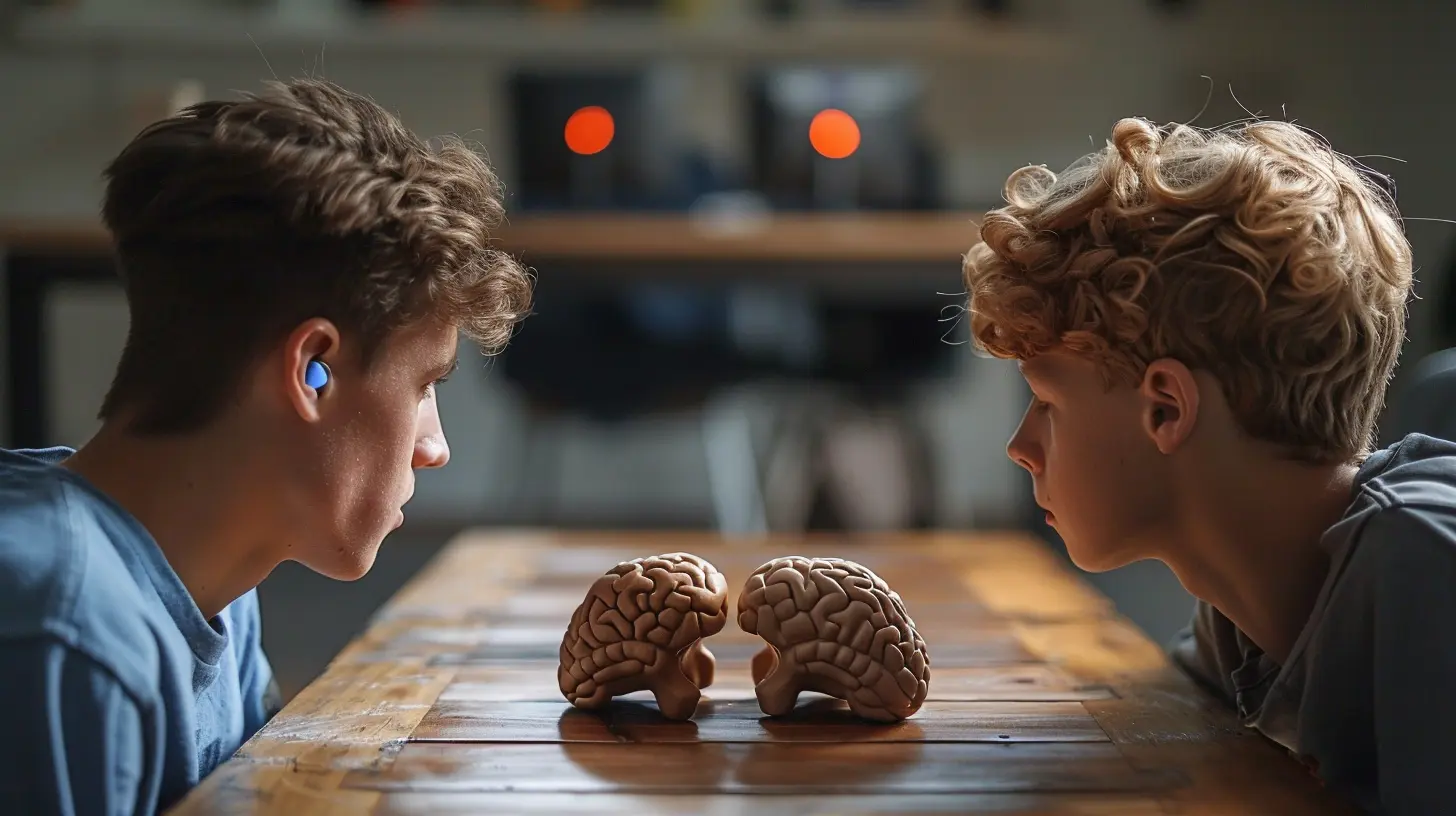
What is Emotional Intelligence Anyway?
Let’s start with the basics.Emotional Intelligence, or EQ (Emotional Quotient), is your ability to recognize, understand, and manage your own emotions—and those of others. Think of it as being emotionally street smart.
Daniel Goleman, a big name in this space, breaks EQ down into five key areas:
1. Self-awareness – Knowing your emotions.
2. Self-regulation – Controlling impulsive feelings and behaviors.
3. Motivation – Being driven to achieve for the sake of it.
4. Empathy – Understanding the feelings of others.
5. Social skills – Managing relationships effectively.
Now, you’re probably wondering: “Okay, but how do games fit into all of this?” Well, let’s break it down.
Why Games Are the Perfect EQ Playground
Think of games as simulated life. They put us in scenarios that test our reactions, emotions, and decisions—just like real life, but without real-life consequences. You can fail spectacularly and get a do-over. In fact, failure is part of the learning process in gaming.Here’s why games make great EQ training tools:
- Interactive storytelling allows us to step into another person’s shoes
- Decision-making under pressure teaches self-regulation
- Multiplayer collaboration requires communication and empathy
- Instant feedback loops help develop self-awareness
Emotionally intelligent people aren’t born—they’re made. And games? They're shaping people.
Games That Build Self-Awareness
Self-awareness is the foundation of emotional intelligence. You can’t manage what you don’t understand, right?Some games do an exceptional job of making you reflect on your choices and emotional responses. Let’s look at a few:
🎮 Life is Strange
This narrative-based game is focused heavily on emotions and choices. Every action you take impacts the storyline. The real kicker? It makes you pause and think about why you made a decision. That’s pure self-awareness training in disguise.🎮 Hellblade: Senua’s Sacrifice
Senua’s journey, which includes battling psychosis, puts players in the mind of someone struggling with mental illness. The game uses audio illusions and visual effects to mirror emotional turmoil, creating deep emotional reflection.These aren’t just stories—they're emotional mirrors. You learn about yourself by making in-game choices and reflecting on the outcomes.
Games That Nurture Empathy
Ever cried during a game? Felt bad about a virtual character? That’s empathy kicking in.Games are empathy machines. By letting us experience life from different perspectives, they help us understand feelings we’ve never had ourselves.
🎮 That Dragon, Cancer
This emotional rollercoaster is based on the real-life experience of a parent losing their child to cancer. You don’t play as a hero—you experience grief, helplessness, and love in its rawest forms. It’s heartbreaking, but also incredibly humanizing.🎮 To The Moon
This indie gem tells the tale of two doctors trying to grant a dying man’s last wish. Its emotional weight doesn’t come from flashy graphics but from deep, meaningful dialogue and storytelling.These games don’t just show emotions—they teach them.
Multiplayer Games and Social Skills
Let’s talk multiplayer. Whether it’s teaming up in Fortnite or negotiating trades in Animal Crossing, interacting with real people online teaches something crucial: social awareness.🎮 Among Us
This sneaky little game? It’s a social skills boot camp. You have to read body language (well, text cues), understand motivations, and communicate clearly—all while staying calm under pressure. It's like playing poker in space.🎮 Minecraft (Multiplayer Mode)
If you've ever tried building a castle with friends in Minecraft, you know it takes coordination, planning, and teamwork. You learn to delegate, solve problems as a group, and resolve conflicts—all important EQ skills.Multiplayer games provide a controlled environment where players can practice social interactions, misstep, learn, and try again.
Games That Teach Self-Regulation
Alright, picture this: You’re in the middle of a heated online match. Your team is losing. Someone’s trolling. Your blood’s boiling. What do you do?Games like these teach us how to stay cool under pressure, manage frustration, and keep going despite setbacks. That’s self-regulation in action.
🎮 Dark Souls Series
If you’ve played any Souls game, you know frustration intimately. You fail. You try again. And again. These games are brutal—but they also teach patience, calm, and resilience.🎮 Celeste
Behind this tough-as-nails platformer is a story about mental health and self-doubt. The main character literally climbs a mountain while battling inner demons. The gameplay encourages pushing through anxiety, one jump at a time.These games aren’t just about winning—they’re about learning to stay grounded when things fall apart.
Games for Kids: Building EQ Early
Getting kids started early with emotional intelligence is a game-changer (pun intended). And guess what? There are tons of games designed specifically to teach EQ to children.🎮 My Child Lebensborn
This game puts you in the shoes of a parent raising a child in post-WWII Norway. It’s about how your choices affect your child’s emotional state. It’s eye-opening and teaches kids about empathy and responsibility.🎮 Peacemakers
This educational game challenges children to solve conflicts peacefully. It shows that violence isn't the only answer and that understanding others can lead to better outcomes. It’s perfect for classrooms and home use alike.Kids soak up lessons like sponges. With the right games, those lessons can include emotional resilience, communication, and compassion.
Balancing the Scales: Not All Games Are EQ-Boosters
Let’s be real—not every game is a feel-good emotional journey.Some games encourage toxic behavior, frustration, or mindless repetition. Think rage-filled shooters with no storyline or games with overly competitive environments that promote bullying. It’s all about balance.
The trick is in mindful gaming. Choose titles that challenge your mind and heart, not just your reflexes.
Like with diet—too much junk in your gaming “meal” can mess with your emotional health.
How to Use Games to Build EQ (Tips for Parents, Teachers, and Players)
Okay, so now you’re on board. But how do you actually use games to build emotional intelligence?Here are some quick, actionable tips:
- Play together: Especially with younger players. Talk about emotions during the game.
- Debrief after playing: Ask questions like “How did that choice make you feel?” or “What would you do differently?”
- Watch let’s plays: Sometimes watching others make emotional choices is just as powerful.
- Set intentions: Before starting a game, think about what you want to learn from it.
- Mix it up: Have a balanced gaming diet—some action, some story-rich, some multiplayer.
The goal is to be an active participant in your emotional growth through gaming—not just zoning out and button-mashing.
Emotional Intelligence Isn’t Just Optional—It’s Essential
We spend so much time focusing on IQ, grades, skills, and scores. But in the real world, it’s emotional intelligence that often makes the most difference.Think about it: Jobs, relationships, friendships, and even mental health rely way more on EQ than most people realize.
And now, thanks to games, we have an unexpected and powerful tool to develop those skills. Who knew that your favorite way to relax could also make you a better communicator, problem-solver, and human in general?
So the next time someone tells you gaming is a waste of time, hit them with this: “I’m training my emotional intelligence. What are you doing with your Saturdays?”
Because in the end, leveling up emotionally might just be the most important game we ever play.
all images in this post were generated using AI tools
Category:
Gaming And Mental HealthAuthor:

Whitman Adams
Discussion
rate this article
2 comments
Siena Lewis
This article insightfully highlights how games can foster emotional intelligence by encouraging empathy, problem-solving, and social skills. However, it's essential to critically assess the types of games used, as not all game experiences equally promote these valuable emotional growth opportunities.
February 23, 2026 at 3:46 PM
Whitman Adams
Thank you for your thoughtful comment! You're absolutely right; the type of games we choose is crucial in maximizing their potential for fostering emotional intelligence.
Ezra Hahn
This is a fascinating concept! I’m intrigued by how games can shape emotional intelligence—can you share specific examples or studies highlighting this connection?
February 18, 2026 at 4:45 PM
Whitman Adams
Thank you for your interest! Studies like those by Gentile et al. (2009) show that games requiring players to navigate social scenarios, like "The Sims" or "Life is Strange," can enhance empathy and decision-making skills. Additionally, research indicates that cooperative games foster teamwork and communication, crucial elements of emotional intelligence.