Visual Fidelity vs. Artistic Intent in Remake Design
22 May 2026
Let’s be real — we’re living in the golden age of video game remakes. From Final Fantasy VII Remake to Resident Evil 4, developers are reimagining classics with cutting-edge graphics, modernized controls, and even new story elements. And as players, we’re lapping it up. But there's a debate bubbling beneath the surface that has fans (and even devs) scratching their heads: when it comes to remaking a beloved game, what’s more important — jaw-dropping visual fidelity or preserving the original artistic intent?
It’s not just a matter of preference; it cuts to the core of what makes a remake successful. So, let’s break it down and really dissect what’s at stake here in the tug-of-war between graphics and artistic soul.
What Is Visual Fidelity Anyway?
Before we dive into the meat of the issue, let’s get our terms straight.Visual fidelity refers to how realistic or detailed the graphics are. Think photorealistic textures, dynamic lighting, ray tracing, 4K resolution — all the technical wizardry modern engines can throw at us. It’s what makes you stop mid-game just to admire how the rain glistens on a cobblestone street or how a sword reflects the flames during combat.
Developers often chase visual fidelity to make sure a remake stands toe-to-toe with today’s standards. After all, why remake a game if it doesn’t look significantly better, right?
But here’s the kicker...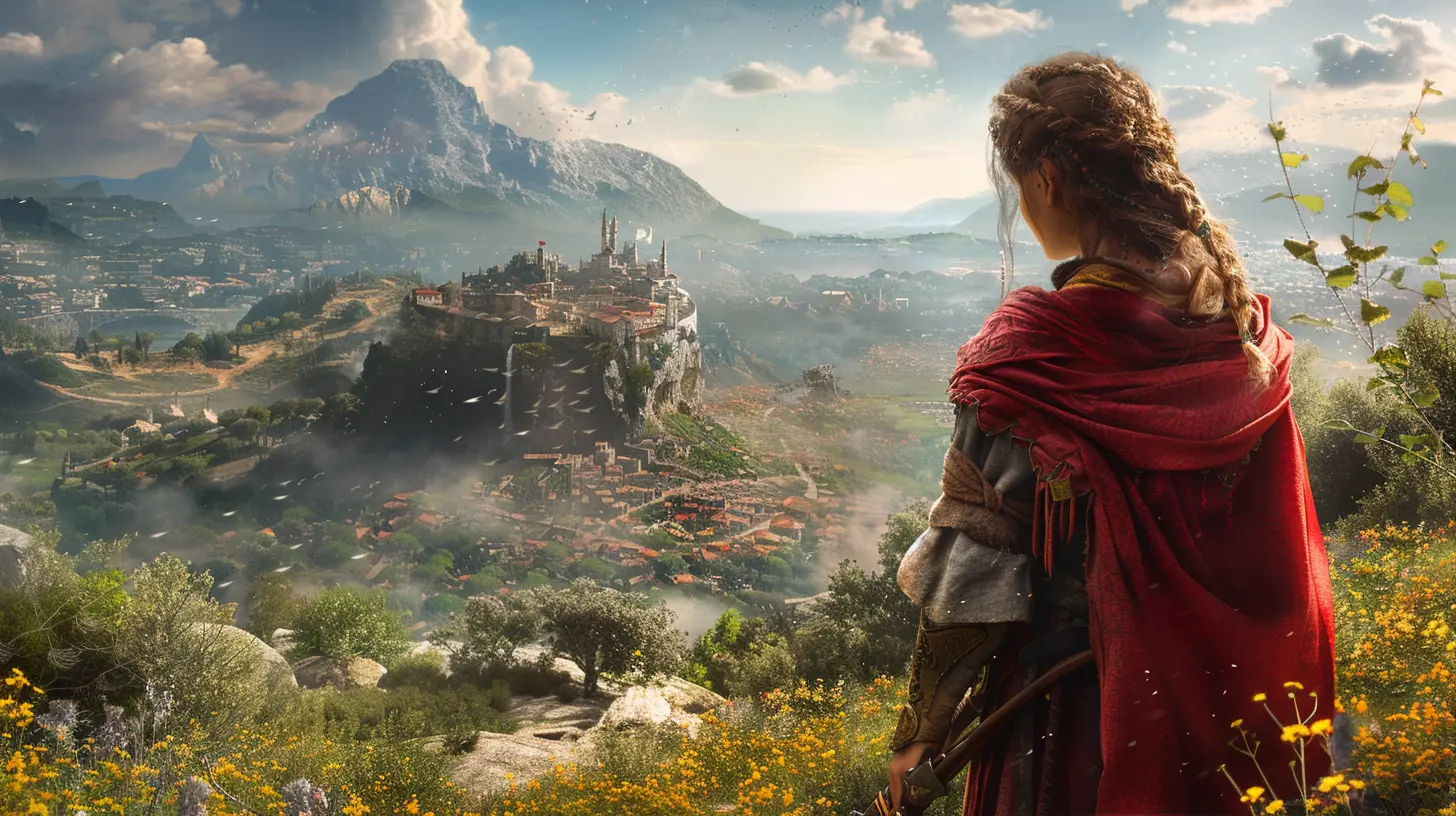
Artistic Intent: The Heart and Soul of the Original
Artistic intent is a bit trickier to pin down. It’s not just how a game looks — it’s how it feels. It includes the art style, color palette, visual storytelling, character design, atmosphere, and overall mood the original creators were aiming for.Remember the original Silent Hill 2? It’s not the most graphically advanced game by today’s standards, but the grainy textures and fog weren’t just technical limitations — they were part of the psychological horror. Strip that away in favor of pristine textures, and you risk losing the game’s eerie vibe.
So here’s the million-dollar question: should remakes prioritize hyper-realism or stay true to the original’s artistic vision?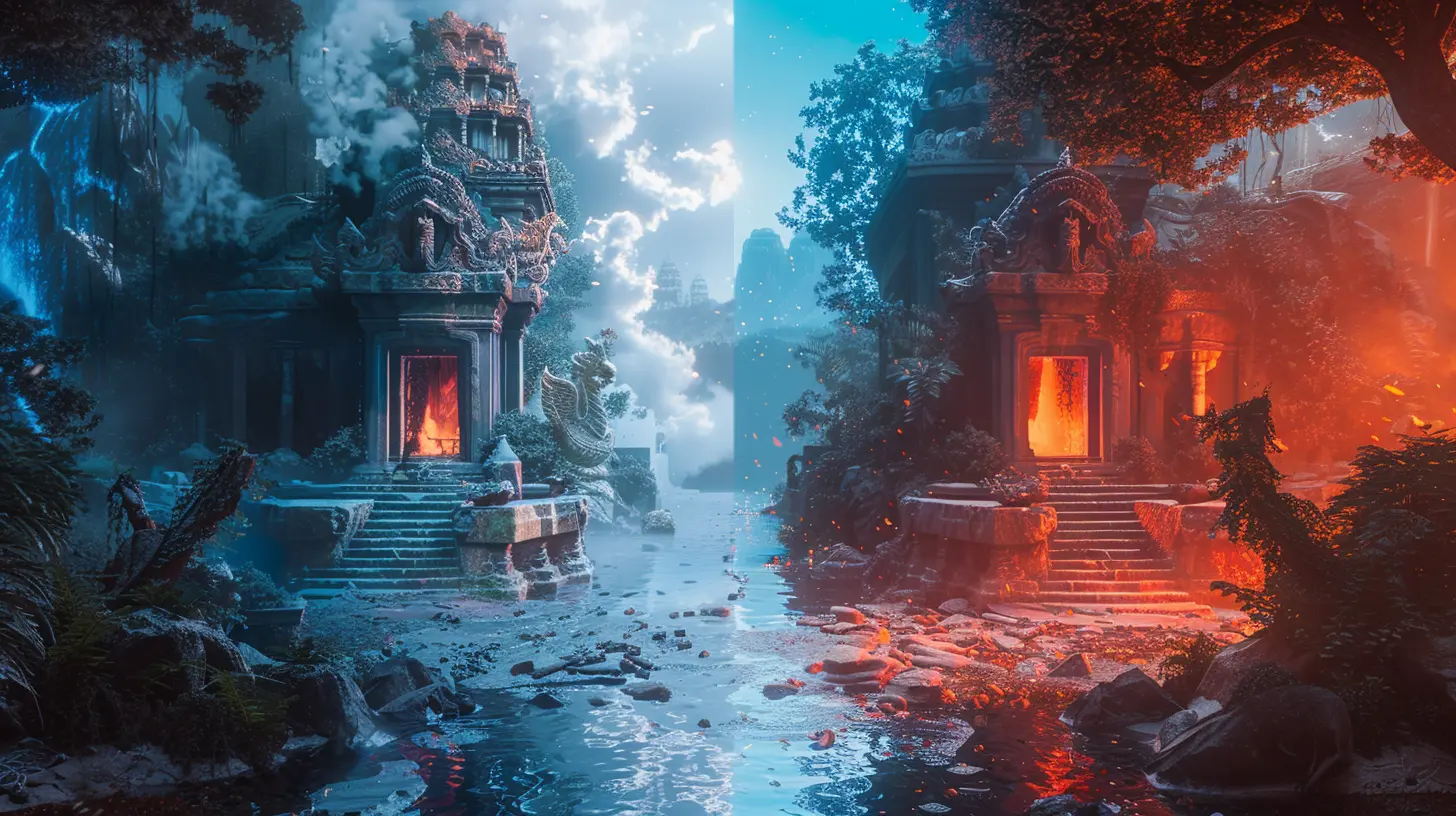
Why Visual Fidelity Matters
Let’s give hi-res graphics their moment.1. It Attracts New Players
First impressions count. New players — especially those who didn’t grow up with pixelated sprites — are more likely to give a remake a shot if it looks stunning. Games like Demon's Souls Remake on PS5 didn’t just tug at nostalgic fans; it pulled in a whole new audience because it looked absolutely breathtaking.2. It Modernizes the Experience
Updated graphics can make a game feel fresh. Improved facial animations, dynamic lighting, and better character models can enhance storytelling by making emotions and environments feel more real.3. It Showcases Technical Progress
Let’s be honest — fans want to see what today’s hardware can do. Cutting-edge visuals serve as a kind of flex for both the game studio and the console. It's a visual spectacle that says, “Look how far we’ve come!”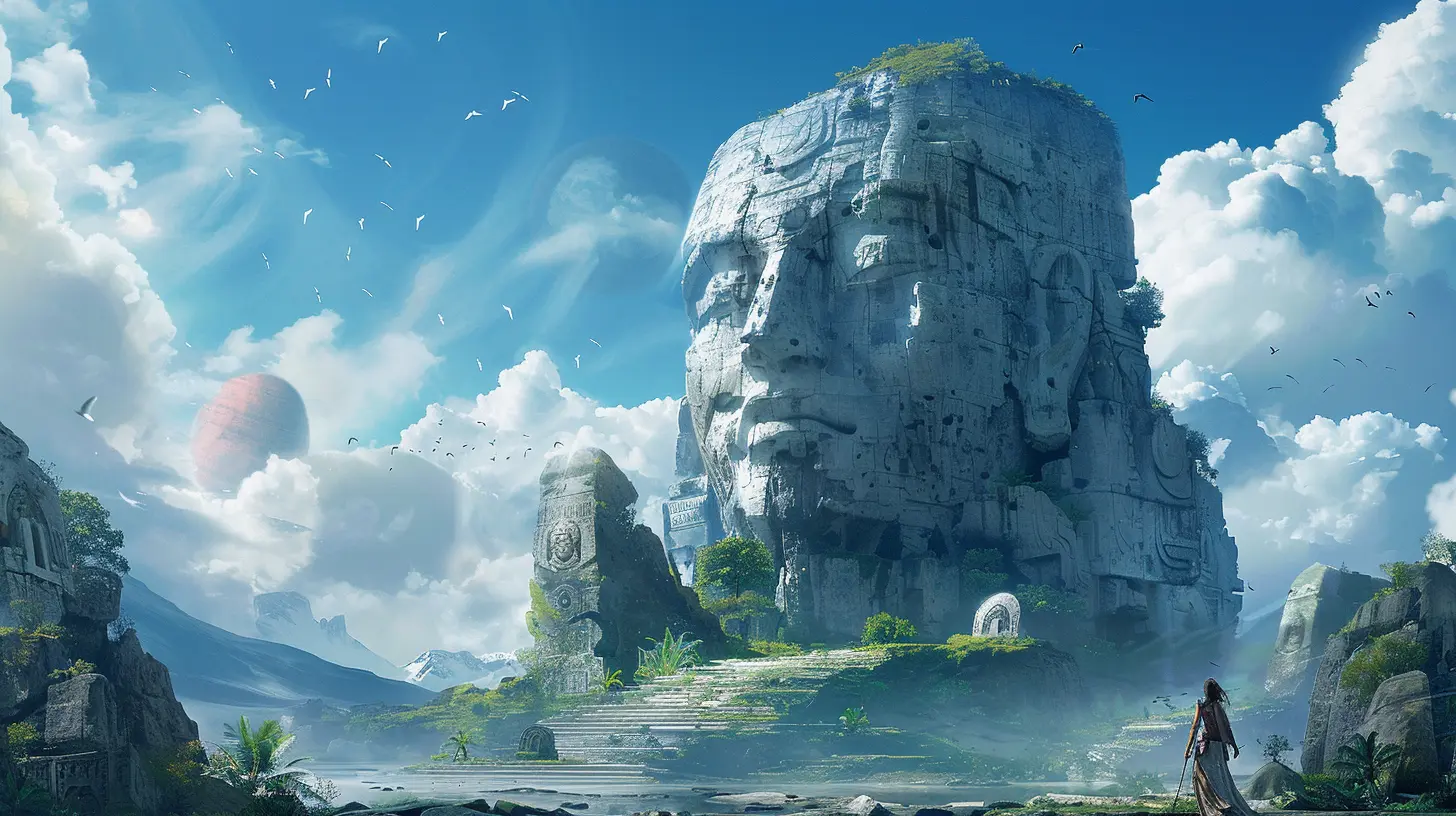
But Wait — What's the Cost?
Here’s where things get murky.1. Losing the Original Atmosphere
When too much emphasis is placed on graphic enhancement, the original ambiance can get lost. That haunting, washed-out palette you loved in the original? Gone. Replaced with clean textures and bright lighting that totally changes the tone. It’s like watching a gritty noir movie get remade in glorious technicolor — it just hits different.2. Style Over Substance
Sometimes, devs get so caught up in making a game look good, they forget why it was good in the first place. Beautiful graphics can't save a remake that lacks heart. Think of it like polishing a diamond… only to lose it down the drain.Case Study: Final Fantasy VII Remake
Let’s talk specifics for a second.The Final Fantasy VII Remake is a textbook example of balancing visual fidelity and artistic intent. The original, blocky polygon models and prerendered backdrops may seem laughable now, but they carried a certain charm. The remake went all-in on modern visuals — and for the most part, it worked. Midgar looks incredible, the characters are expressive, and the battle system feels dynamic and fresh.
But… not everything translated perfectly. Some fans argue that parts of the tone shifted. Moments that felt ambiguous in the PS1 version are now spelled out with cinematic shots. The mystery? Gone. The pacing? Slower. The mood? Occasionally feels off.
That’s the challenge — upgrading visuals without diluting the soul.
Artistic Intent: It’s More Than Just Nostalgia
Some people dismiss artistic intent as simple nostalgia. But it’s more than that — it’s about authenticity.1. It Honors the Original Creators
Every pixel in those old games had a purpose, often working around hardware limitations. Preserving those choices is a way of respecting the vision of the devs who made the original brilliant in the first place.2. It Maintains Tone and Mood
The mood of a game can be shattered if you mess with the visuals too much. A horror game drenched in realism might actually become less scary if it’s too clean. Graininess, darkness, jagged edges — sometimes, that’s exactly what you need to unsettle the player.Striking the Right Balance
Alright, so where’s the sweet spot?1. Fidelity That Serves the Feel
Instead of going full photorealism, why not use power to enhance the original art style? Stay stylized, but add depth. Keep it modern, but still "feel" like the original. That’s what helped games like The Legend of Zelda: Link’s Awakening remake succeed — it wasn’t about making it look real, but making it look sharp in its own unique style.2. Respect the Mood
This one’s big. Whether it's lighting, color palette, or sound design, modern remakes should strive to replicate — not override — the emotional tone of the original. Improve the tech, sure, but don't flatten the game’s personality while you're at it.3. Let Devs Communicate Their Intentions
Sometimes, developers clue us in. They’ll say, “We’re not just remastering — we're reimagining.” And that’s fine too. But clarity is key. If you're going to drastically change tone, art, and structure, let players know it’s a reimagining, not a straight-up remake.When Remakes Miss the Mark: A Cautionary Tale
Remember Warcraft 3: Reforged?Yeah, we’d like to forget too.
This was a remake that promised modern visuals while “staying true” to the original. But it ended up missing both marks. The visual changes felt unpolished and inconsistent, and several beloved mechanics and features were removed. Fans screamed betrayal, and the remake faced massive backlash.
It’s the kind of misstep that happens when you don’t fully commit to either fidelity or intent.
So What Do Players Really Want?
Honestly? Different players want different things. Some crave nostalgia with a modern twist. Others want a fresh take that still respects the source material. But here’s what nearly all gamers can agree on:- A clear understanding of what the remake is trying to do
- Faithfulness to the spirit of the original
- Improvements that actually enhance the experience
The Takeaway: It’s Not One or the Other
Here’s the truth: visual fidelity and artistic intent aren’t mutually exclusive. The best remakes find a way to merge the two, using modern tools to elevate — not overwrite — what made the game special to begin with.It’s kind of like restoring an old painting. You don’t repaint it from scratch; you carefully enhance it so it continues to evoke the same emotion, just with more clarity, depth, and polish.
So the next time we boot up a remake, let’s ask: does this still feel like the same game? If the answer is yes, then the balance is probably just right.
And if not? Well, maybe the developers got a little too caught up chasing shadows instead of preserving the light.
Final Thoughts
Remakes are love letters to the past — but writing that letter with the wrong ink can change the whole message. There’s nothing wrong with wanting cutting-edge visuals, but there’s a bigger question at play: are you honoring what made the game timeless, or are you just making it look new?So whether you're a developer tasked with modernizing a classic or a fan chomping at the bit to replay your favorite title, remember this — it’s not just about how it looks.
It’s about how it feels.
all images in this post were generated using AI tools
Category:
Game RemakesAuthor:

Whitman Adams
Discussion
rate this article
2 comments
Barrett McKinney
Great insights! Balancing visual fidelity and artistic intent is essential.
August 19, 2026 at 4:21 AM
Caitlin Lane
Great insights! Balance is key in remake design.
May 22, 2026 at 3:28 PM
Whitman Adams
Thanks for your comment! I completely agree-striking that balance is essential for a successful remake.