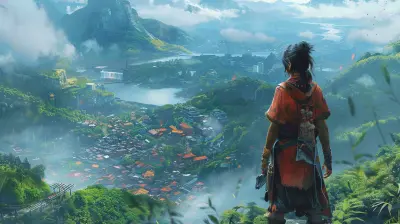
Visual Storytelling in Games Done Right
13 August 2026
Ever played a game that didn’t just entertain you but made you feel something deep inside? Maybe it tugged at your heartstrings, gave you goosebumps, or left you thinking about it days after you saw the credits roll. Yeah, that’s the magic of visual storytelling in games done right. It’s not just about flashy graphics or jaw-dropping cutscenes—it's about crafting a visual narrative that immerses you so deeply, you forget you're holding a controller.
So, let’s dive into how developers weave these unforgettable tales using nothing but visuals (okay, maybe a sprinkle of dialogue here and there). Grab your favorite drink, sit back, and let’s talk about one of the most powerful tools in game development.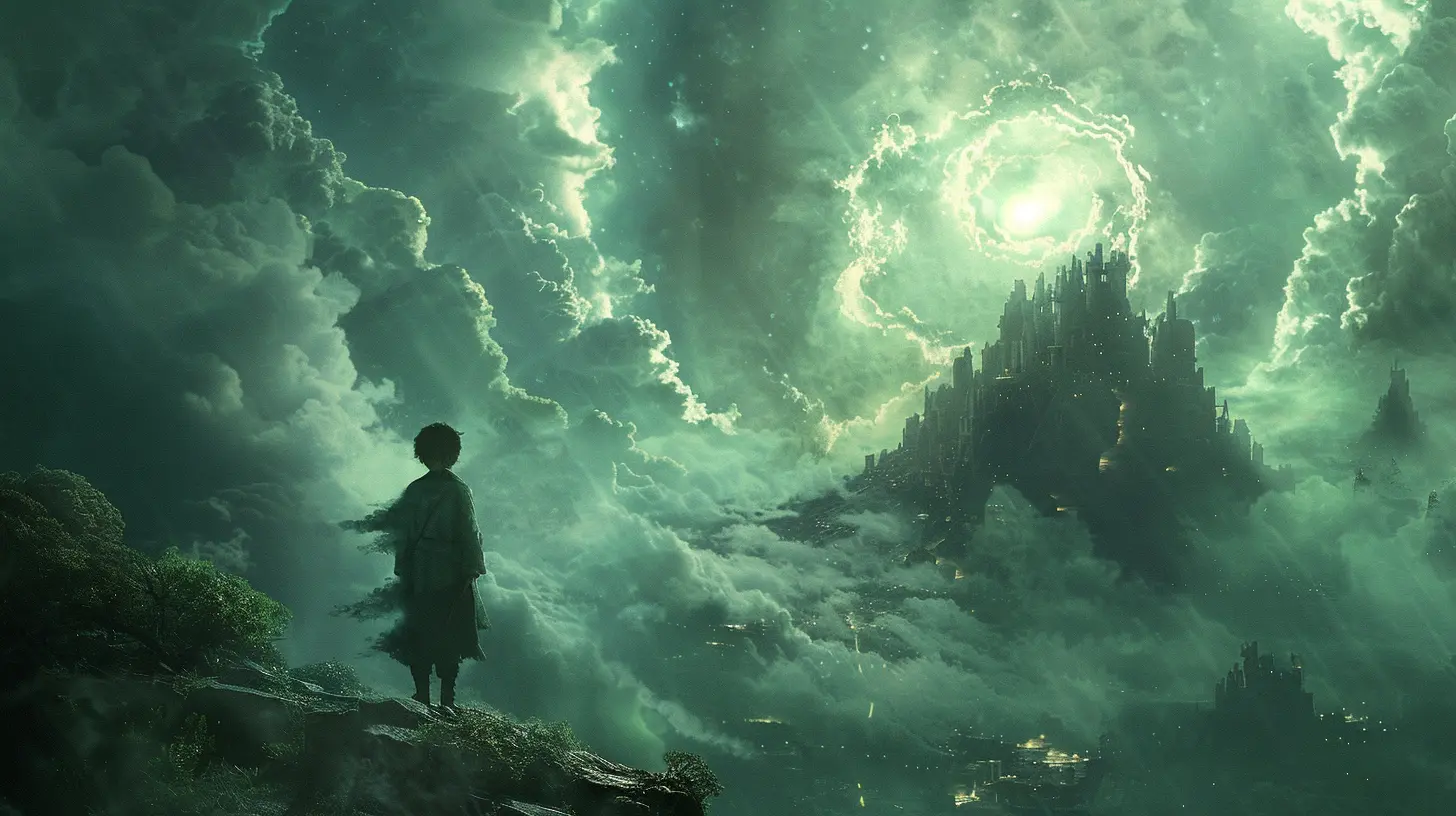
? What is Visual Storytelling in Games?
Let’s start with the basics. Visual storytelling in games is all about showing rather than telling. It’s the art of conveying a narrative—emotions, motivations, world-building—through things like character design, environment, animations, lighting, and even camera angles.You know that eerie feeling you get walking through a post-apocalyptic city in a game like The Last of Us? That’s not just sound design; it’s the ruined buildings, faded posters, scattered belongings. They tell a story without a single word.
Unlike books or movies, where you’re a passive observer, games make you part of the story. And when done right, visual storytelling transforms the gaming experience from just another playthrough into an emotional journey.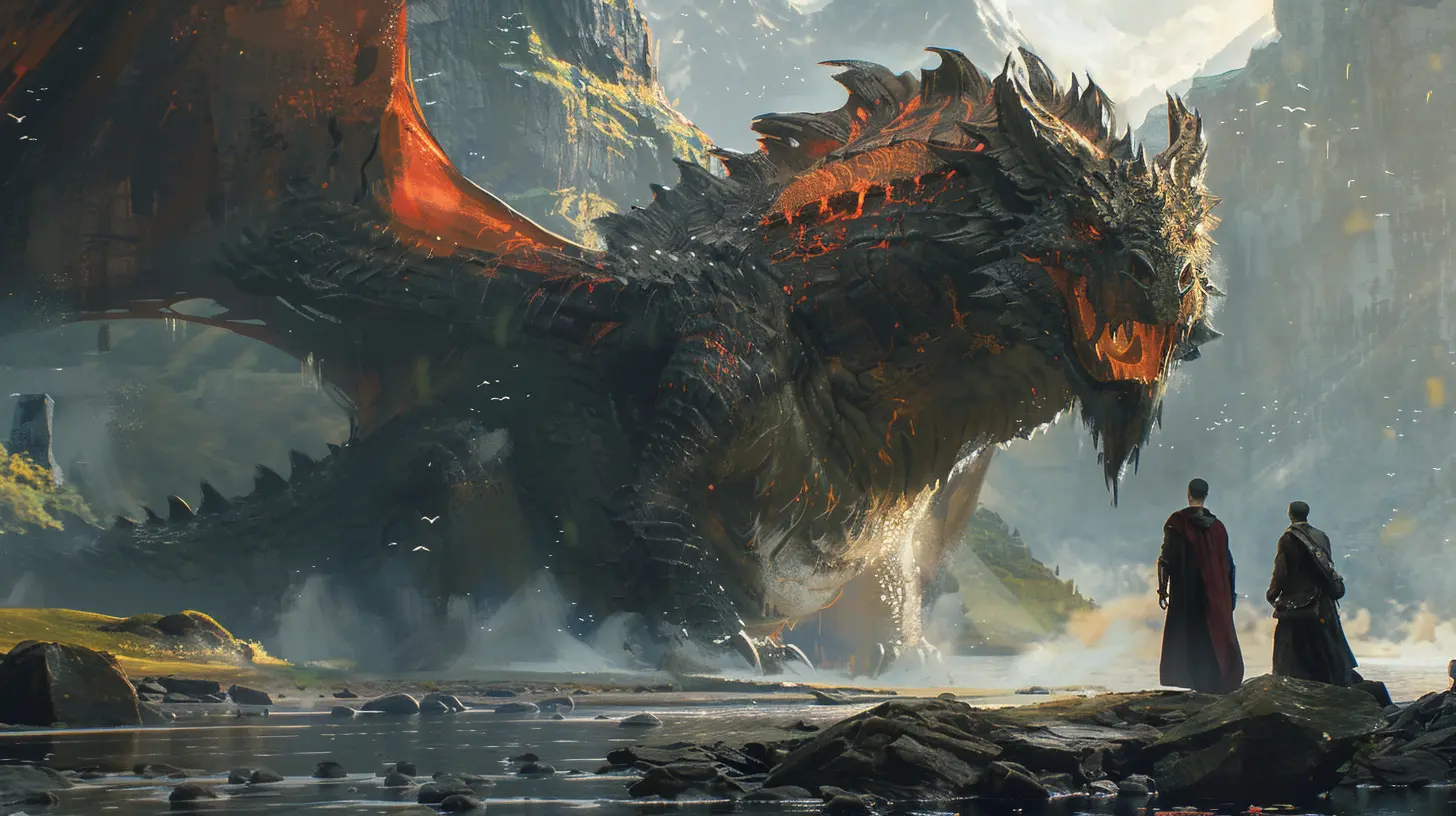
? The Building Blocks of Strong Visual Storytelling
Okay, so what makes visual storytelling actually work in a game? Let’s break it down into bite-sized chunks:1. Environment Art Speaks Volumes
One of the most powerful storytelling tools in a game is the environment. Designers use everything from lighting and colors to clutter and architecture to tell you about the world you’re in.Take Bioshock, for example. The underwater city of Rapture isn’t just a setting—it’s a character. Every flickering neon sign, every crumbling hallway oozes with its tragic history. You don’t need an NPC to narrate what went wrong. The city shows you.
2. Character Design and Animation
Characters are walking, talking plot devices. But you don’t always need them to talk.Think about Journey. The game has no dialogue—none. Yet the tiny robed figure you control conveys so much emotion just through body language and movement. The developers used subtle animations and visual cues to build a bond between you and other players, even without words. That’s wild, right?
3. Lighting and Color Palette
Ever notice how horror games tend to look a little… washed out? Or how adventure games often melt your eyes with vibrant colors? That’s no accident.Color and lighting create mood. In Inside, everything is shrouded in shadows and greys, giving the game an oppressive, dystopian vibe. Compare that to something like The Legend of Zelda: Breath of the Wild—bright, open landscapes that scream exploration and freedom.
4. Symbolism and Visual Metaphors
Games often use subtle visual metaphors to hint at deeper meanings. These aren't always obvious, but they stick with you.In Hellblade: Senua’s Sacrifice, the crumbling world around Senua reflects her mental state. It’s not just decoration—it’s narrative. As her psyche deteriorates, so does the environment. It’s genius and incredibly haunting.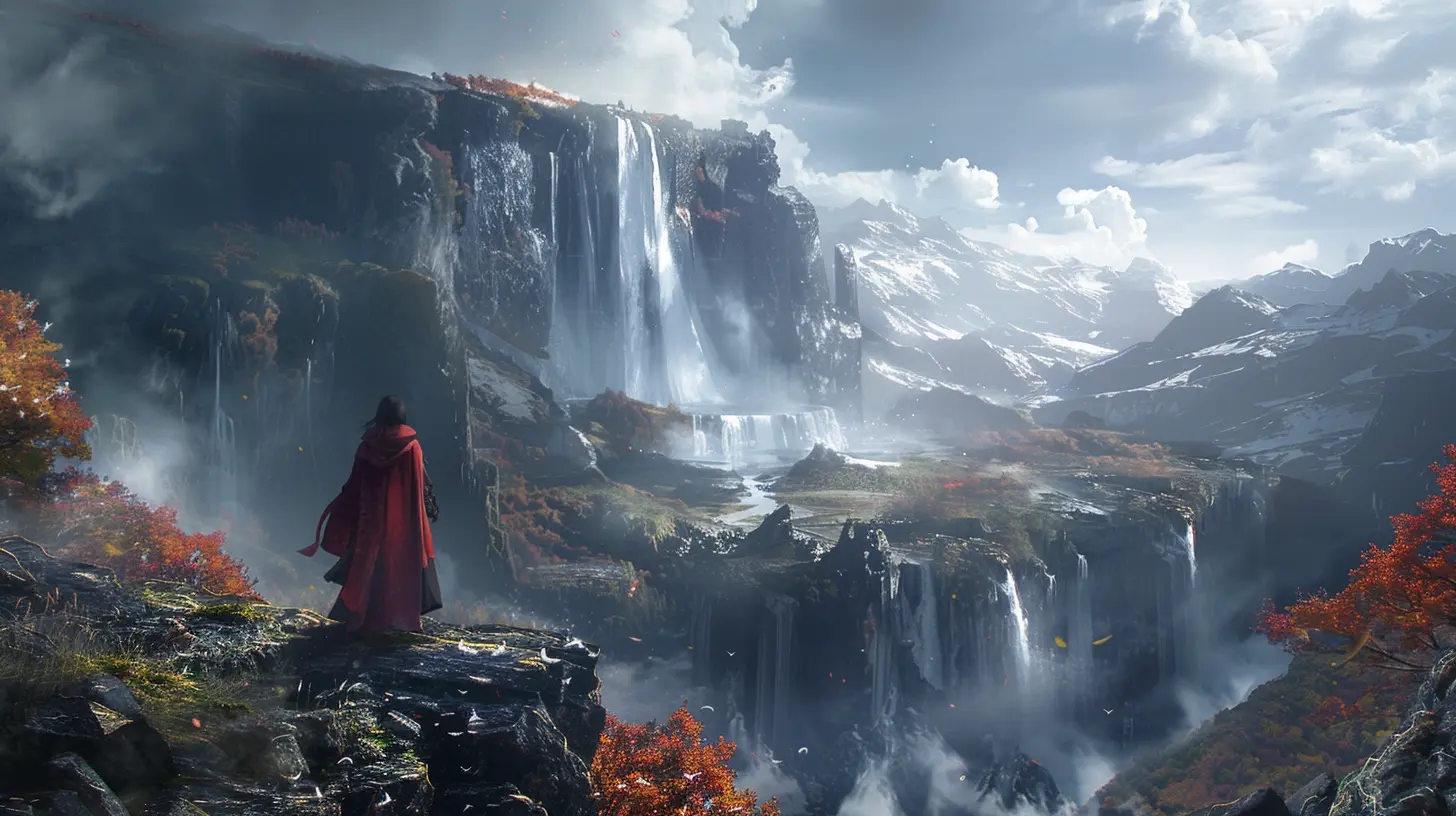
?️ Games That Nailed Visual Storytelling
Let’s talk about the heavy hitters—the games that knocked it out of the park when it came to visual storytelling.1. The Last of Us Series
We’d be doing visual storytelling a disservice by not mentioning this masterpiece. Naughty Dog didn’t just build a world—you lived in it.Dilapidated cities, overgrown vegetation, abandoned stores… each space tells the story of a world lost to a pandemic. And the subtle changes in Ellie’s appearance and posture throughout the game showcase her emotional journey. It’s visual narrative done to perfection.
2. Journey
Remember when we said no dialogue can still move mountains? Journey proved it. With its minimalist design and wordless gameplay, it relied purely on visual elements to guide you and connect you with other players emotionally.The changing landscapes, the evolving music, and the simple act of walking beside a stranger—no game has captured the feeling of unity like this one.
3. Hollow Knight
A game dripping with lore—without a single info dump. The decaying metropolis of Hallownest pulls you in with its haunting beauty and subtle details. Little environmental touches, like broken statues or mysterious carvings, whisper pieces of the world’s backstory. You piece it all together like a detective, and it’s so satisfying.4. Firewatch
Here’s a game that pairs stunning visuals with a gripping narrative. The Wyoming wilderness and its changing seasons and lighting work hand-in-hand with the emotional rollercoaster you’re on. And the fact that you never see another human? That choice makes your isolation feel real—making the story hit even harder.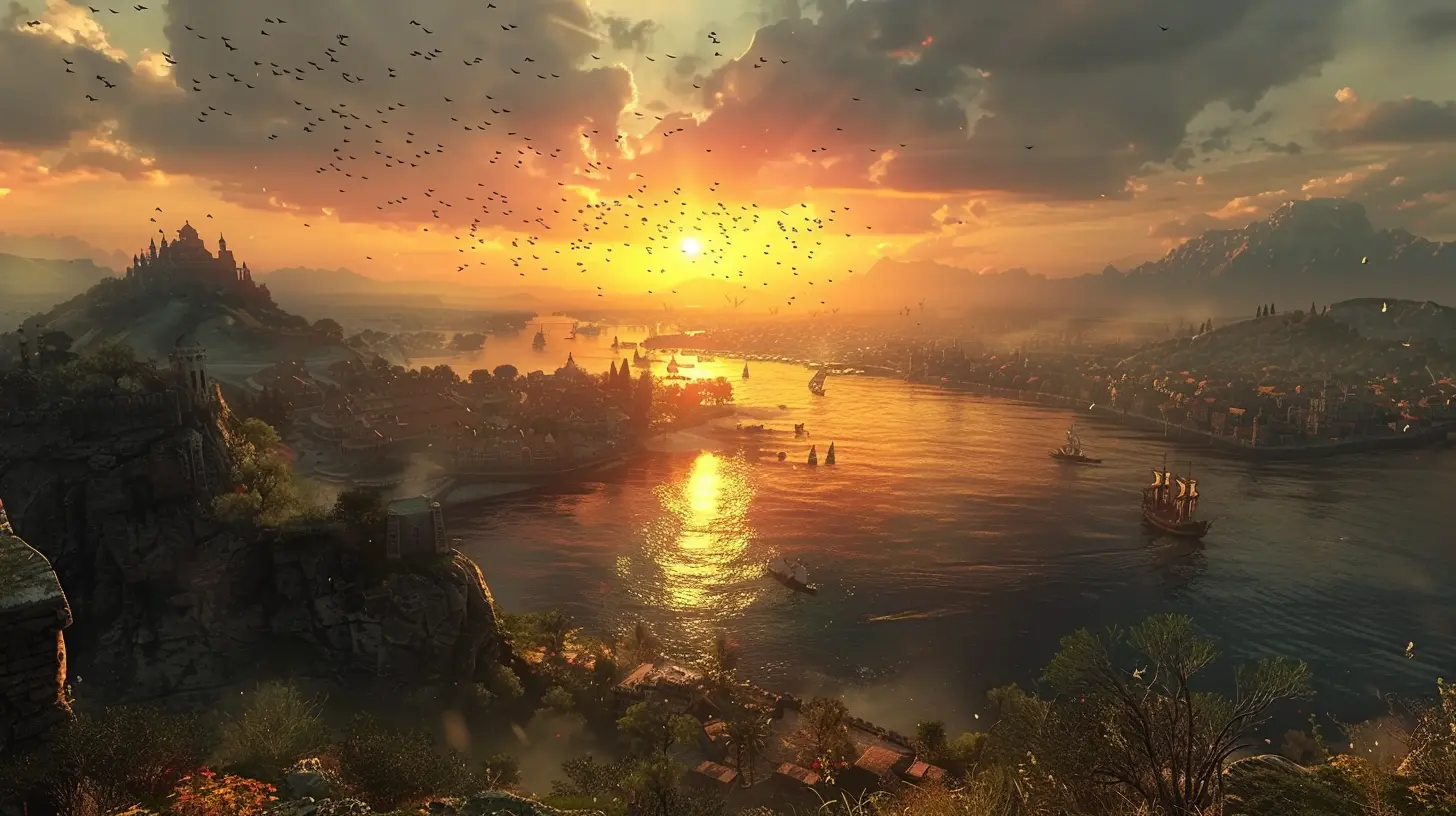
? Why Visual Storytelling Matters More Than Ever
We live in a world of short attention spans. Players don't want to read walls of text or sit through long, boring cutscenes. Visual storytelling grabs attention quickly and keeps players immersed.Plus, it allows for interpretation. That’s the beauty of it—it trusts the player to observe, think, and feel. Two players might walk through the same corridor and come out with different understandings of the story. That's powerful.
It also makes games more inclusive. Not everyone speaks the same language, but visuals? They’re universal. A cracked portrait, a flickering lamp, or a character slumping in defeat—anyone can understand that.
? How Developers Can Master Visual Storytelling
If you're a game dev or dreaming of becoming one (hey, go for it!), here are some tips to keep in mind:1. Plan Your World’s History
Even if players never see the details, you should know the history of your world. A well-thought-out backstory will naturally seep into the visuals—from architecture styles to what’s written on a crumbled sign.2. Use Visual Layers
Think of your scenes as layered cakes. The top layer might be what players interact with, but beneath that? Hints of foreshadowing, easter eggs, environmental clues. Reward players who look closer.3. Simplify Dialogue
If it can be shown visually, do it. Instead of a character saying, “I’m sad,” show them sitting alone, looking out a rainy window, barely touching their food. Much more impactful, right?4. Test Player Interpretation
Before releasing a game, let people play it—then ask them what they understood from the visuals. If they’re getting the message you intended, congrats! If not, tweak until it clicks.? Visual Storytelling = Emotional Impact
Let’s get real—games can be emotional powerhouses. And visual storytelling is one of the fastest tracks to those feels.When a game makes you pause just to stare at a view, or when a small object in the corner of a room makes your heart ache… that’s storytelling without saying a word. It’s art. It’s poetry. And when it’s done right, it turns a good game into a legendary one.
And let’s not forget—it sticks with us. Years later, you might forget a character's name, but you’ll remember how a crumbling bridge made you feel, or how the sun broke through the clouds right after a tough boss battle.
? Final Thoughts
Visual storytelling in games isn’t just fluff or aesthetic seasoning—it’s the soul of immersive gaming. When developers get it right, players don’t just play the game—they live it.From hauntingly beautiful landscapes to silent, expressive characters, the best visual storytelling draws us in, holds us tight, and won’t let go. So whether you’re a dev, a player, or someone just fascinated by games as art—pay attention to the visuals next time you play. You might see more than you think.
all images in this post were generated using AI tools
Category:
Gaming ReviewsAuthor:

Whitman Adams