What Makes a Great Game Ending
13 February 2026
So, you've poured dozens of hours into a game, overcome impossible bosses, crafted the perfect loadout, and immersed yourself in a captivating world. And there it is—after all that, the ending. Hopefully, it hits you like a ton of bricks (in a good way). But sometimes? It's more like a flat soda—meh.
That final moment can either make or break the entire experience. It’s the digital bow that wraps everything up. But what actually makes a great game ending? Why do some stories stick with us for years, while others vanish from memory the moment the credits roll?
Let’s dive deep into what gives a game ending that extra punch, the kind that leaves us staring at the screen, emotionally wrecked (or grinning like idiots).
1. Emotional Payoff – The Heart Punch We Never Saw Coming
You know those endings where you just sit in silence afterward, thinking about what just happened? Yeah, that’s the emotional payoff. The best endings don’t just stop. They culminate. Everything you felt throughout the game—your struggles, choices, and victories—should come to a head.Take Red Dead Redemption or The Last of Us. Whether you felt sorrow, betrayal, or bittersweet satisfaction by the end, chances are it stuck with you because the game made you feel something. Games, unlike movies, build long-term emotional investment. A great ending knows how to cash in on that without feeling manipulative.
> Emotional resonance is the glue that binds us to a story. Without it, the experience feels… hollow.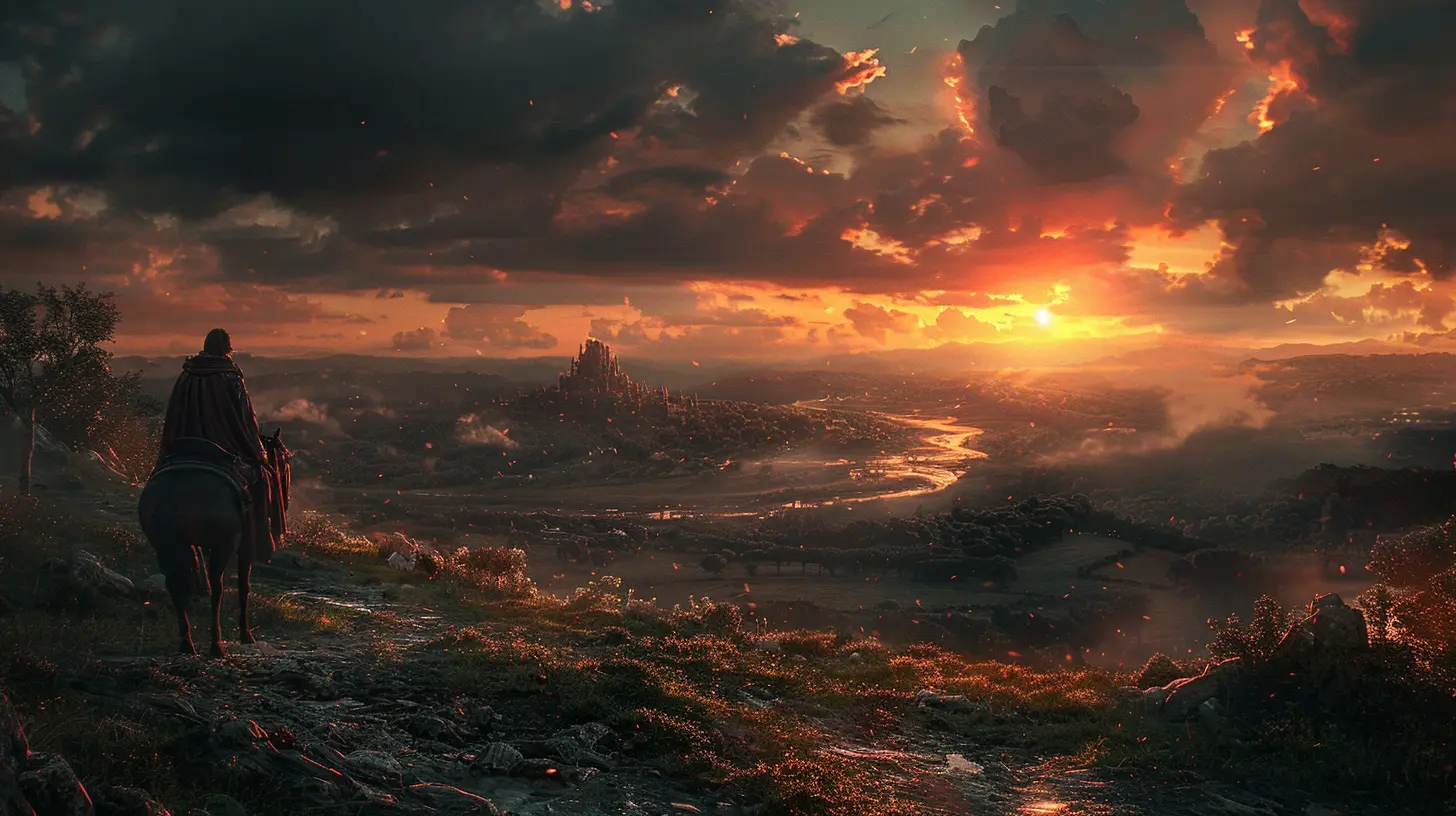
2. Player Agency – Your Choices Should Matter
Let’s be real—nobody likes being dragged to a conclusion they didn’t sign up for, especially after 40 hours of gameplay. Great endings often take your choices into account. They reflect your journey. Your decisions should echo in that final cutscene or confrontation.Games like Mass Effect, Detroit: Become Human, or Until Dawn are masters of branching narratives. While not perfect, they aim to give the player’s actions weight. That kind of agency makes you feel like your story was unique.
Sure, sometimes linear games knock it out of the park too. But when you know the ending adapts based on your playthrough, it’s like being the co-writer of your own blockbuster.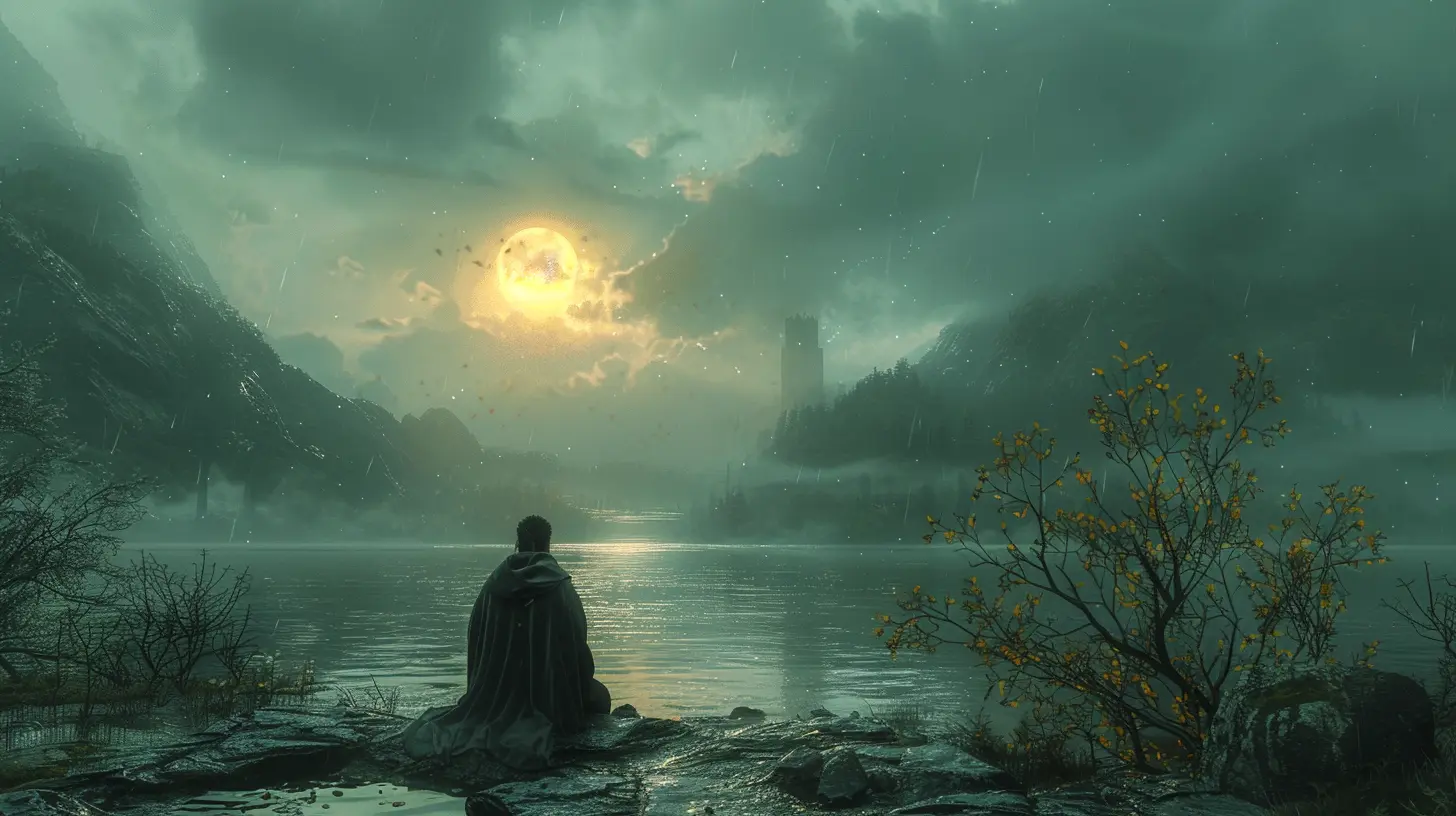
3. Narrative Closure – Tie Up the Loose Ends, Please
No one likes dangling plot threads—unless they're teasing a sequel and do it well. A satisfying ending should answer your biggest questions while resolving major character arcs. It doesn’t have to explain everything, but it should give enough clarity to feel complete.It’s kind of like a mystery novel: you want enough pieces of the puzzle to fall into place so you can walk away thinking, “Wow, that makes sense now,” instead of, “Did I miss something?”
> Even if the ending is ambiguous, there has to be intentionality behind it. Don't just throw in a vague scene and call it "deep."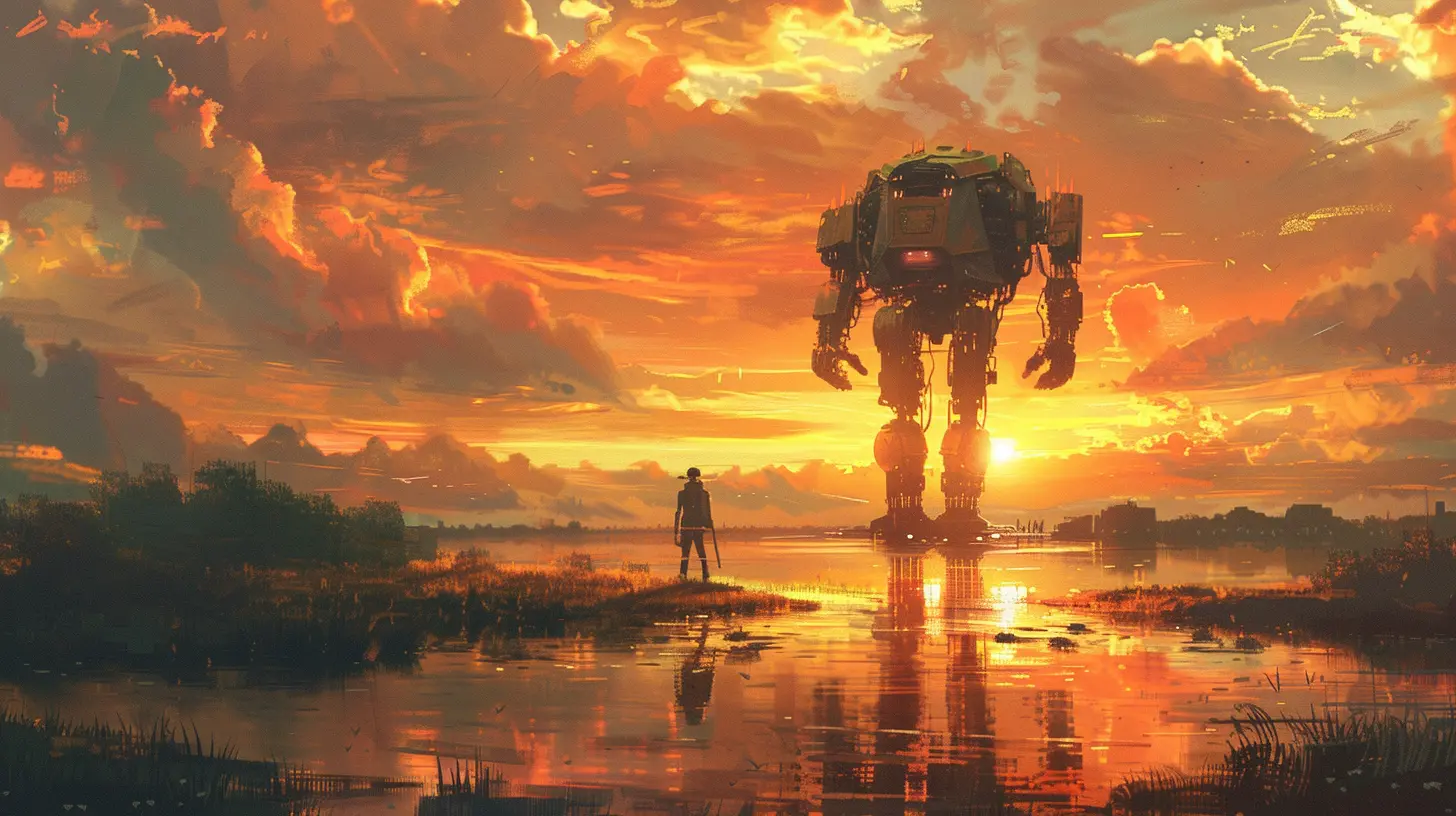
4. Thematic Resonance – Stay True to the Core Message
Every great game tells us something—about the world, about ourselves, or about the characters we grow attached to. A strong ending should echo that central theme, like the final note of a musical composition.Let’s look at BioShock. That ending doesn’t just conclude the narrative; it doubles down on the game’s critique of free will and player control. Everything ties back into that haunting question: “Would you kindly?”
Your game’s ending should feel like the final thread tying the entire tapestry together. That’s what gives it weight and longevity. You don’t just remember the end, you feel the end.
5. Surprise, But Not Confusion – Plot Twists That Actually Work
There’s a fine line between shocking and confusing. A great twist earns its place in the story. It recontextualizes what came before and deepens the narrative without needing a 20-minute YouTube explainer afterward.Games like Spec Ops: The Line or NieR: Automata deliver twists that feel earned. They don’t just slap you with a “Gotcha!”—they build to that moment, layering clues and foreshadowing throughout your journey.
> If a twist makes you want to replay the whole game to find the hidden breadcrumbs, that’s a win.
But if you’re sitting there with wide eyes thinking, “Wait, what just happened?” in a bad way… well, that’s a problem.
6. Memorable Visuals and Sound – An Aesthetic Send-off
Let’s not pretend audio and visuals don’t matter. Some of the most iconic endings are burned into our brains because of a haunting soundtrack or a breathtaking final scene.Ever hear Still Alive from Portal? It instantly brings back memories of GLaDOS and puzzle-solving chaos. What about the chilling ambiance of Inside’s ending? Or the serene beauty in Journey's conclusion?
A game ending isn’t just narrative—it's sensory. Match the mood with the right music, lighting, and animation, and you elevate the entire experience by a mile.
7. The Unexpected Punch – Don’t Be Afraid to Break the Rules
Remember that one game that shattered your expectations? Like a developer just said, “Screw it, let’s do something bold”? That’s the unexpected punch.Think Metal Gear Solid 2—an ending that broke the fourth wall and questioned the nature of info overload and digital control. It alienated some, but others still consider it genius.
Sometimes, a great ending takes a risk. It doesn’t follow the formula. It might confuse or even upset players—but if it sticks in their minds years later, it did something right.
8. Replay Value – Make Me Want To Start Over
This might seem like a side benefit, but it’s a big one. A fantastic ending often makes you want to jump back in just to experience it all over again—this time with more insight.Games with multiple endings or layered storytelling (looking at you, Undertale or The Witcher 3) beg for a second playthrough. And when a player wants to revisit the whole journey just to see that final scene hit differently, that’s powerful.
> A great ending doesn’t close a door—it leaves one slightly ajar, inviting you back in.
9. Avoiding the Pitfalls – What Not To Do
Let’s flip this and talk about what often goes wrong with game endings:- Rushed conclusions: Feels like the dev team ran out of time or budget.
- Plot holes: Questions that were never answered or don’t make logical sense.
- Tone shift: Game ends in a way that feels disconnected from everything before.
- Excessive ambiguity: You shouldn’t need a Reddit thread to figure out what just happened.
- Lack of consequence: Your actions meant nothing. That’s a bummer.
Avoid these traps, and you're already halfway to crafting something satisfying.
10. Fan Feedback – The Double-Edged Sword
Developers these days have more access to community feedback than ever before. That’s great… and also terrifying. Endings can spark fierce debates. Just ask fans of Mass Effect 3 or The Last of Us Part II.So, should devs cater to what fans want? Or stick to their creative vision?
There’s no easy answer. But the best endings usually do a bit of both—they stay true to the core theme while acknowledging the player’s emotional journey.
11. Examples of Game Endings Done Right
Need some inspiration? Here are a few endings that hit all the right notes:- 🎮 Red Dead Redemption: Emotional, grounded, and thematically on point.
- 🎮 The Witcher 3: Multiple rich conclusions based on real choices.
- 🎮 Undertale: Subverts expectations and rewards empathy.
- 🎮 Shadow of the Colossus: Minimalist but haunting.
- 🎮 Journey: Wordless yet deeply moving.
Each of these endings nails multiple aspects—emotion, theme, payoff, and memorability.
12. Final Thoughts: Endings Are What We Carry With Us
Here’s the thing: Games are a commitment. We invest hours into them. So when we reach the end, we want it to stick the landing.A great game ending doesn’t just satisfy—it elevates the whole experience. It makes all the grinding, button-mashing, and boss-smashing feel worth it.
It’s kind of like the last bite of your favorite meal. If it’s good, it leaves you with a smile—and maybe even a craving to come back for more.
So the next time you finish a game and feel a weight in your chest or a grin spread across your face, take a moment to appreciate it. Because that’s the magic of a great ending.
all images in this post were generated using AI tools
Category:
Gaming ReviewsAuthor:

Whitman Adams
Discussion
rate this article
2 comments
Regina Vance
What a delightful read! Great game endings truly resonate, leaving players with a sense of closure and joy. They wrap up adventures beautifully, making us cherish every moment. Can't wait to see more discussions on this topic! 🎮✨
February 19, 2026 at 5:21 PM
Whitman Adams
Thank you! I'm glad you enjoyed it—great game endings truly do make a lasting impact. I look forward to more discussions on this topic too! 🎮✨
Maggie McSweeney
A great game ending resonates emotionally, tying up narrative threads while leaving players satisfied yet reflective. It should provide closure to character arcs and the overarching story, perhaps with a surprise twist or a thought-provoking choice. Ultimately, it leaves a lasting impression, making the experience memorable.
February 13, 2026 at 5:57 PM
Whitman Adams
I completely agree. An impactful ending not only wraps up the story but also lingers with players, prompting them to think long after the credits roll. Those unexpected moments can elevate the experience significantly.