When Art Style Defines Identity in Games
25 May 2026
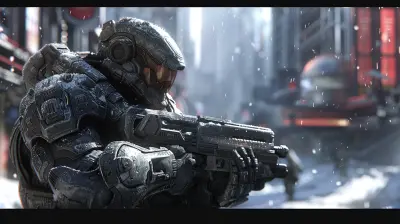
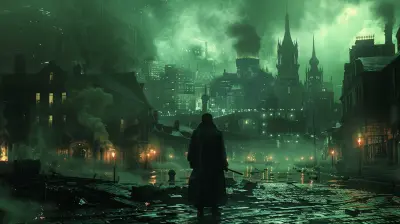
Let’s be real—when you think about your favorite games, what’s the first thing that comes to mind? For many of us, it’s not the mechanics or the plot, but the visuals. That unique look. That atmosphere. That feeling a game gives you just by its art alone. Whether it's the painterly strokes in Okami, the haunting shadows of Limbo, or the pixel-perfect vibes of Stardew Valley, the art style becomes its heartbeat.
In this article, we’re diving headfirst into how and why art style is more than just eye candy. It’s a game’s personality, its voice—and sometimes, it's the very thing that carves its name into gaming history.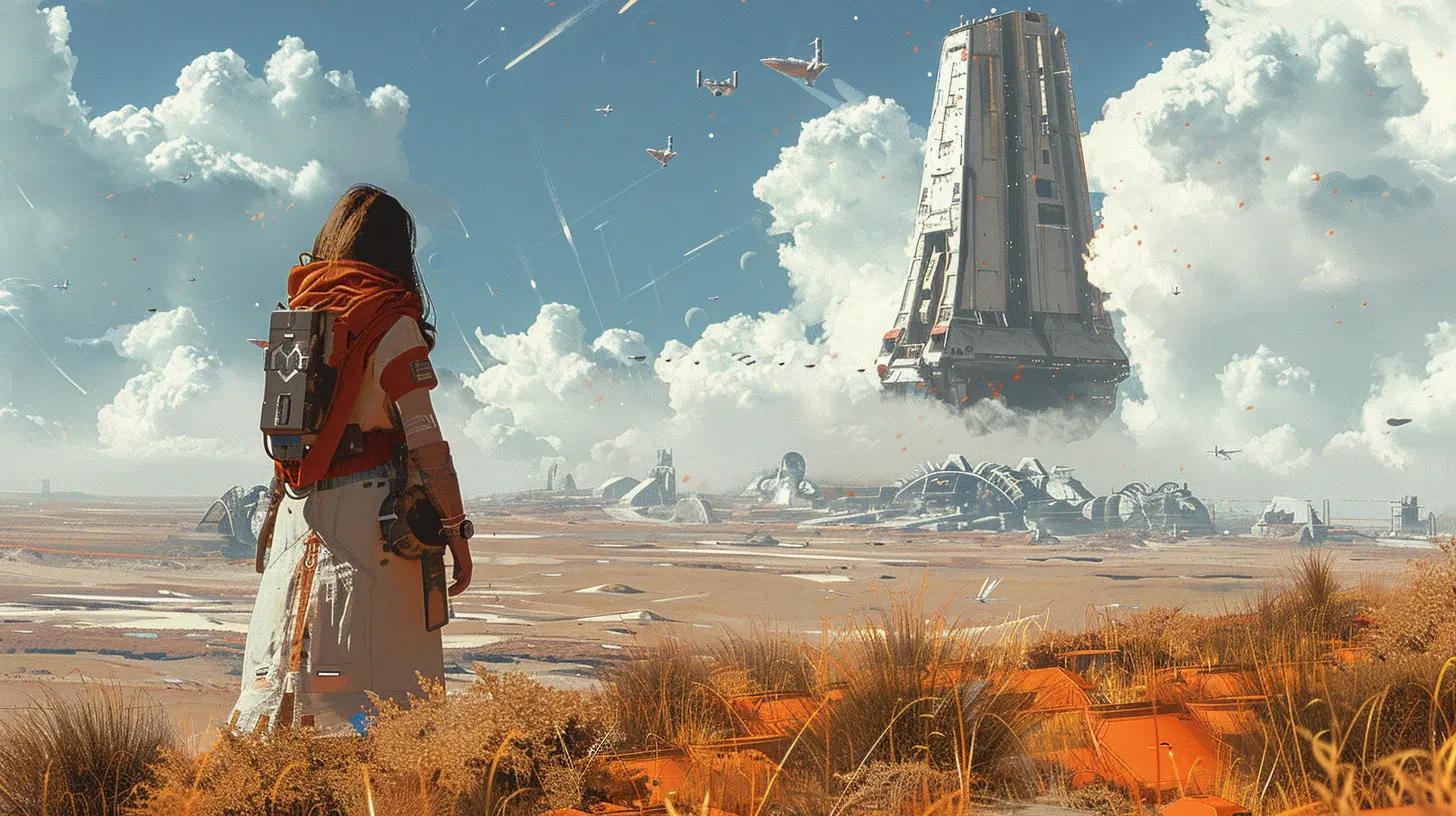
What Even Is a Game’s Art Style?
Before we go too deep, let’s clear one thing up: what exactly is “art style” in games?In a nutshell, it’s the visual language. It's everything from the color palette to character design, from environments to user interface elements. It’s the difference between something looking like Cuphead or Call of Duty. Think of it like fashion. Both a tuxedo and a leather jacket tell you something about the person wearing it—same goes for a gritty war shooter and a bubbly platformer.
Now, let’s break down what makes art style such a defining part of a game’s identity.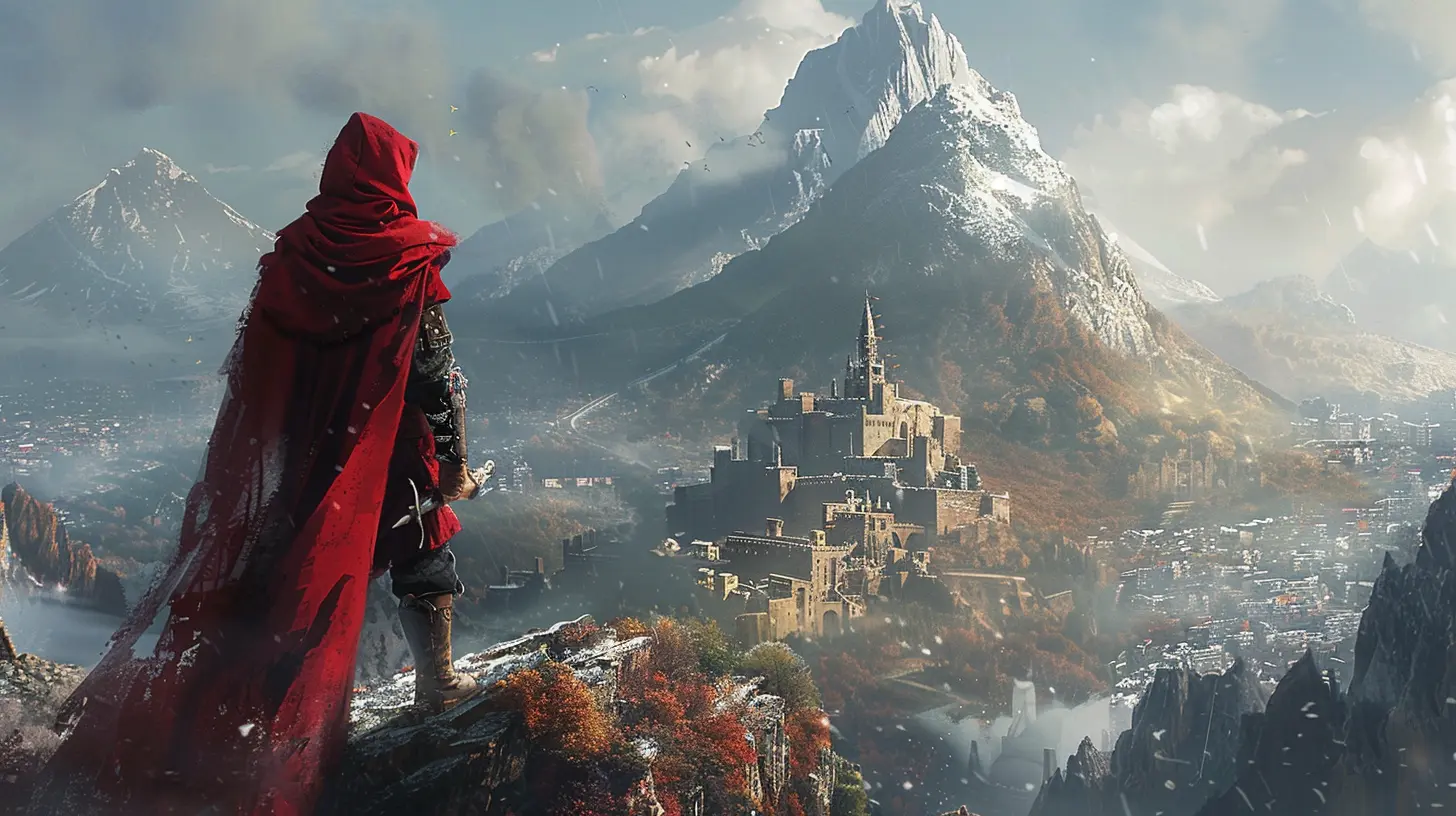
First Impressions Matter – A Lot
They say don’t judge a book by its cover, but come on, we all do it. The same goes for games. When you’re scrolling through Steam, the art style is usually the very first thing that grabs your attention.Games like Hollow Knight catch your eye with their dark, hand-drawn, gothic aesthetic. You’re intrigued before you even know what the game is about. That visual hook matters. It sets expectations, hints at tone, and invites curiosity.
A strong, memorable art style can make a game stand out in a sea of sameness. Let’s be real—how many hyper-realistic shooters can you tell apart at a glance? But you’ll never confuse Journey with anything else, right?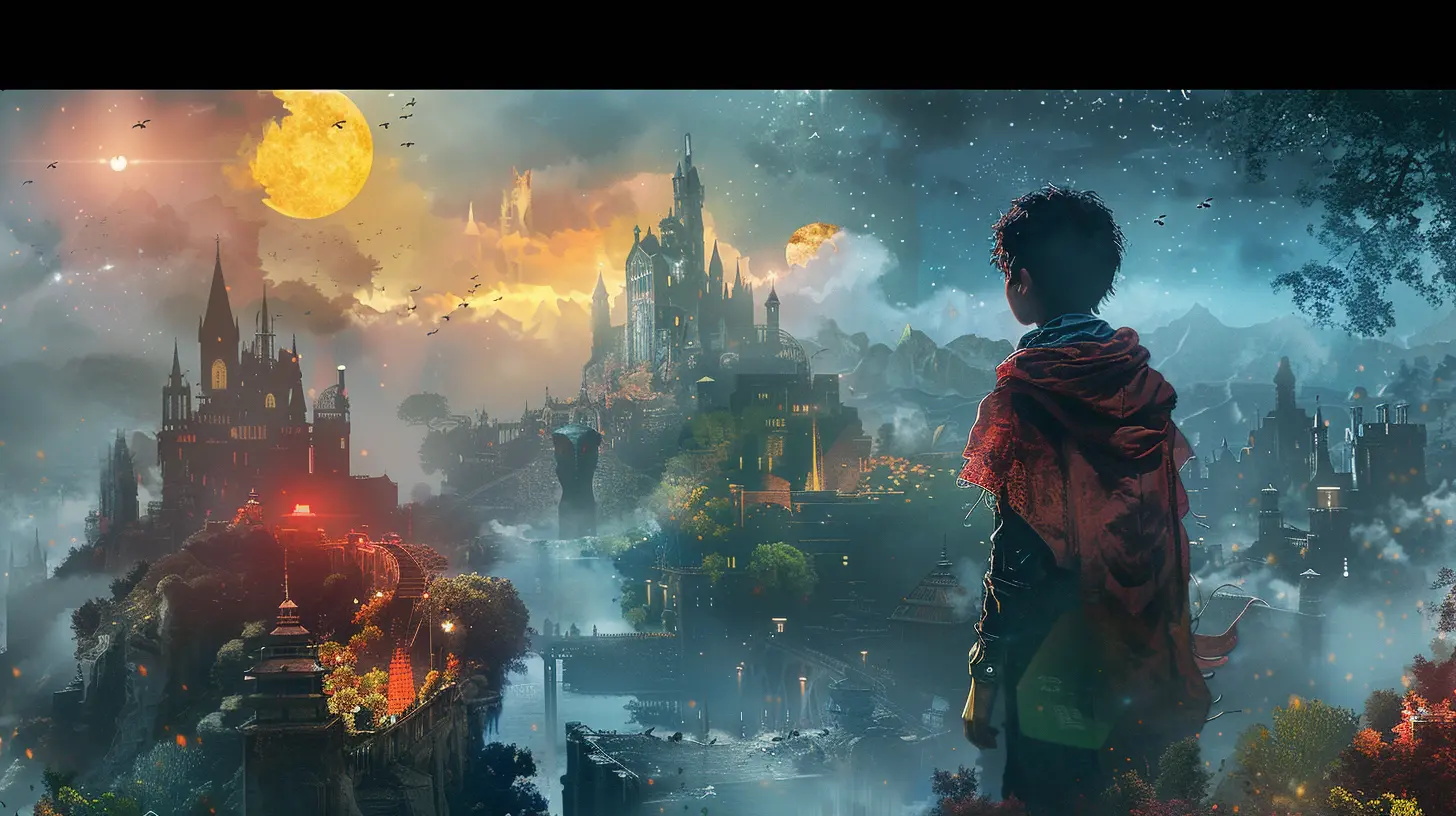
Art Style As Storytelling
Art isn’t just for show—it’s a storyteller in its own right. The visual style of a game adds layers of meaning without a single word spoken.Take Inside by Playdead. Its muted colors, minimalist design, and eerie lighting all scream isolation and danger. Before you even press a button, you feel tension creeping in. It’s moody, it’s mysterious—it’s genius.
In contrast, games like The Legend of Zelda: The Wind Waker use cel-shaded, cartoonish art to send you on a vibrant, childlike adventure. Sure, the plot can get heavy, but the visuals keep it feeling magical and light-hearted.
Simply put, the art style tells you what kind of world you’re stepping into—and how you should feel about it.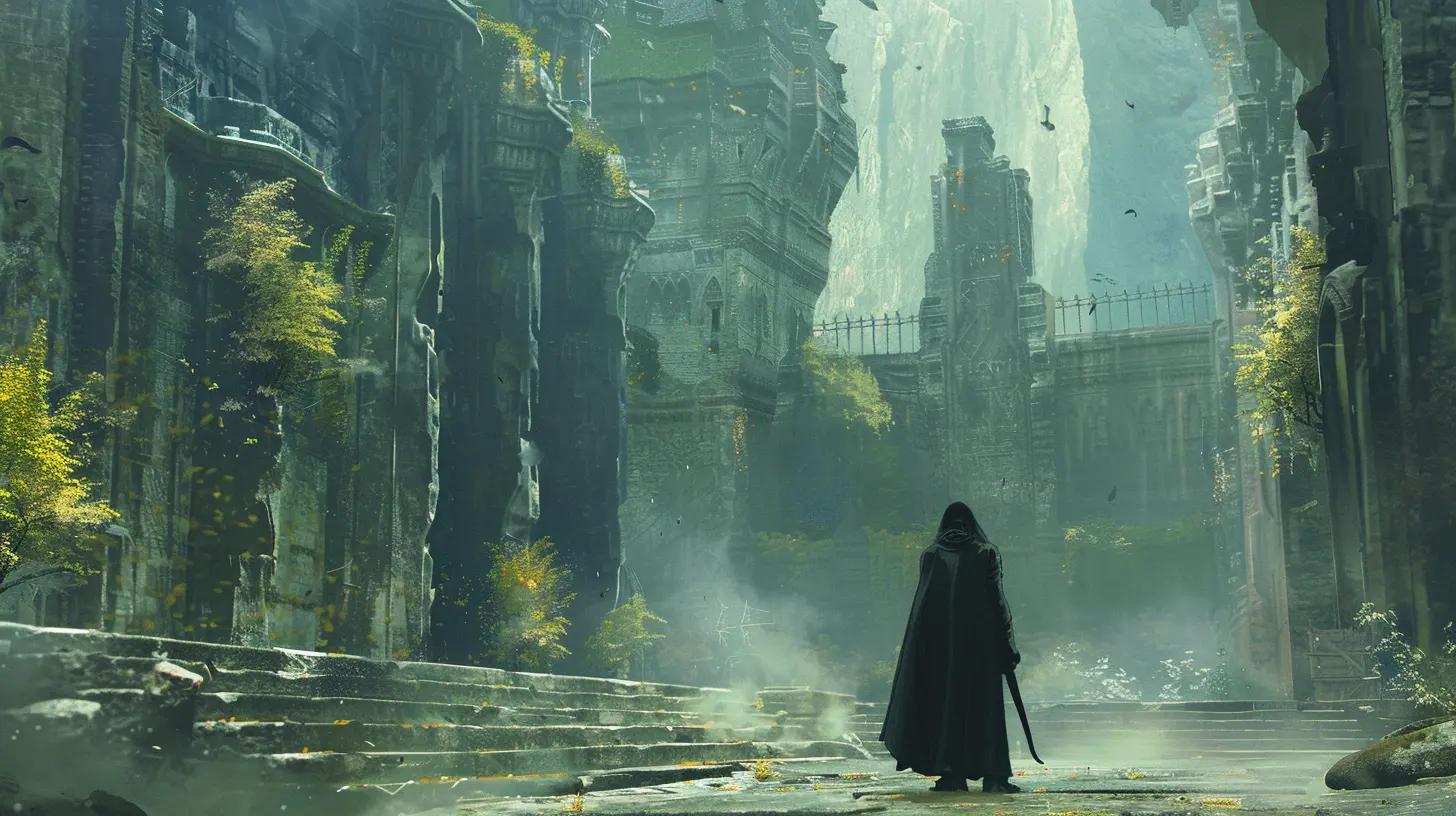
Expressing Personality Through Pixels
Characters aren’t just brought to life through voice acting or writing. Their designs speak volumes before they even open their mouths.Let’s take Persona 5—every character oozes style, from their bold red-black color scheme to their sharp anime design. That style tells you everything you need to know: this is a game about rebellion, flair, and attitude.
Or how about Undertale? With its lo-fi, simplistic pixel art, it manages to create characters like Sans and Papyrus that are ridiculously expressive and full of charm. That’s the power of style—it gives characters soul, even with the most basic tools.
Setting the Mood
Want your players to feel serene, scared, tense, or nostalgic? The art style does the heavy lifting here.Think of Firewatch. Its warm, sunset-drenched forests create a sense of calm and introspection. You immediately feel like you’re in a peaceful, quiet world—even though the story takes a darker turn later.
Compare that to Dark Souls, where everything from the enemy designs to the crumbling, gothic architecture screams “you’re going to die, and it’s going to be epic.” The visuals build the emotional landscape. It’s like visual music—setting the tone without needing to say a word.
When Style Outlives Technology
Here’s a cool thing about unique art styles—they age better.Let’s face it, early 3D graphics haven’t aged gracefully. But games with strong, stylized visuals? They’re like a good wine.
Take The Legend of Zelda: Wind Waker again. When it first came out, people were skeptical of the cartoony look. Now? It’s one of the most beloved entries in the series. Meanwhile, other games from the same era that went for "realistic" graphics just look... well, kind of rough.
That’s the beauty of stylization—it reaches beyond current tech limitations. It’s cohesive, and because it’s not trying to mimic real life, it doesn’t fall into the uncanny valley trap.
Indie Games and the Rise of Visual Identity
Indie developers don’t always have the budget of AAA studios—but what they do have is vision. And art style? That’s where they shine.Games like Hyper Light Drifter, Celeste, and Dead Cells made a name for themselves largely because of their standout visuals. Their styles weren’t just unique—they were purposeful. They aligned with gameplay, tone, and emotion. They were smaller games with big personalities.
In the indie scene, art style often replaces marketing budget. A distinct look turns heads, gets shared, and becomes iconic.
Art Style As Branding
Let’s talk branding. Game franchises are like brands—recognizable, consistent, and memorable. And art style is a cornerstone of that identity.You know a Final Fantasy game when you see it. You know a Borderlands game from that comic-book cel-shading. The visual signature becomes part of the brand’s DNA.
Changing that style can even cause a stir. Remember when The Legend of Zelda shifted visuals across titles? Fans definitely noticed—and debated. It shows just how tightly art style and franchise identity are linked.
Evolving Styles Without Losing Identity
So what happens when a game evolves? Can it change its style without losing its soul?Absolutely—but it’s tricky.
Look at God of War. The early games were flashy, mythological bloodbaths with a gritty, over-the-top look. The 2018 reboot went for a more grounded, Norse-inspired aesthetic. It was a huge shift—but it worked because it aligned with the more mature tone of the story.
On the flip side, games that lose sight of their original visual identity can alienate fans. It’s a balancing act—evolve, but don’t lose what made you special.
When Art Trumps Realism
Here’s something spicy: realism isn’t always better.Sure, photo-realism is impressive. But does it make a game more memorable? Not necessarily.
Stylized visuals tend to stick with us because they play with exaggeration, color, and imagination. Think of Cuphead’s 1930s cartoon vibe. It’s bonkers in the best way possible. You can spot it from a mile away. Could you say the same for the average military sim?
Art style isn’t about how real something looks—it’s about how it makes you feel. And feeling always wins.
Players Remember Style More Than Specs
Gamers remember moments, emotions, and vibes. And those are often shaped by the art.Ask someone about a game they loved, and they’re just as likely to mention its style as its gameplay. The eerie silhouette of Limbo, the vibrant hues of Ori and the Blind Forest, the quirky world of Katamari Damacy—these images stick.
In an era where games strive to be bigger, faster, and more powerful, the ones that stand out aren’t always the most advanced—they’re the most artistic.
Conclusion: Style Is Substance
So, can art style truly define a game’s identity?Absolutely. In fact, in many cases, it’s the very soul of the game. It’s what makes the experience feel unique, gives personality to pixels, and creates emotional resonance. When done right, it becomes inseparable from the gameplay, the story, and the overall experience.
Whether you’re into hyper-detailed worlds or minimalistic masterpieces, always pay attention to the style. It’s more than just “how it looks”—it’s the heartbeat behind every scene, every moment, and every memory.
So next time you boot up a new game, ask yourself—what is this style telling me? Chances are, it’s saying a lot more than you think.
all images in this post were generated using AI tools
Category:
Gaming ReviewsAuthor:

Whitman Adams
Discussion
rate this article
1 comments
Indigo Gonzalez
This article beautifully captures how art style shapes the identity of games. The way visuals influence our emotional connection is powerful. Each game becomes a unique experience, reflecting not just gameplay but the heart and soul poured into its creation. Great insights!
May 25, 2026 at 2:34 PM
Whitman Adams
Thank you for your thoughtful comments! I'm glad you connected with the piece and recognize the vital role art plays in shaping our gaming experiences. I appreciate your support!