When Graphics Don’t Match Gameplay Quality
18 August 2026
We live in an age where pixels often speak louder than purpose. Trailers look like silver-screen spectacles. Screenshots dazzle like digital paintings. And then — boom — we hit play and the magic fades like glitter in the rain. That moment, when our fingers tap the controller and our eyes widen not with joy but disappointment, is all too familiar. That’s the heartbreak of "When Graphics Don’t Match Gameplay Quality".
Let’s dig deep into that disconnect — the space between visual beauty and the soul of a game. Why does it happen? What does it mean for gamers, developers, and the future of the gaming world?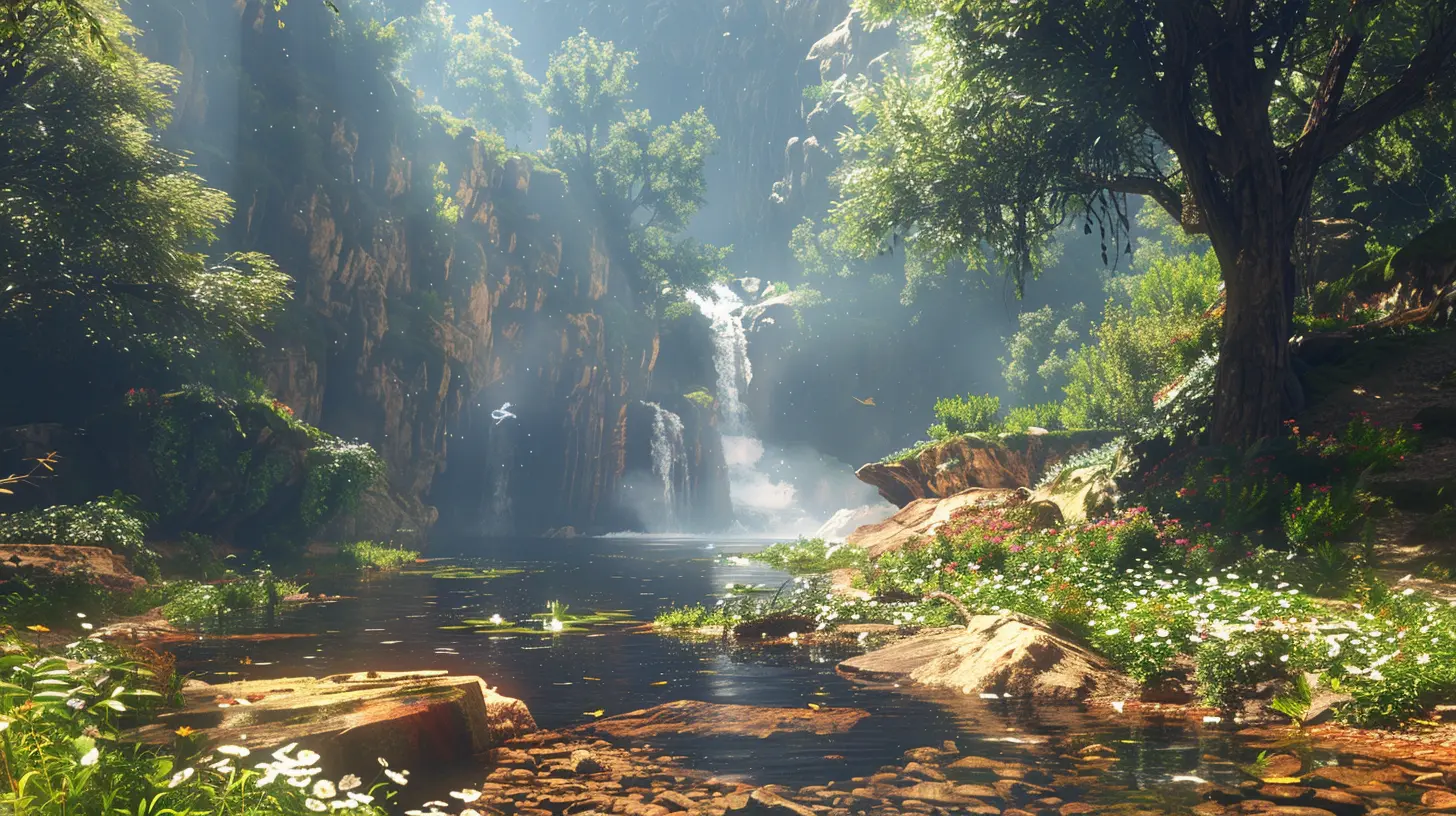
The Glitter and Glamour of Modern Gaming ?✨
Let’s be honest — we love shiny things. A jaw-dropping trailer can drop our jaw further than gravity allows. Vivid explosions, realistic facial expressions, ray tracing so intense it makes puddles prettier than real life... it’s eye candy, and we eat it up.Game marketing leans hard into visual appeal. Why? Because first impressions matter. And visuals sell. A stunning reveal at E3 or a movie-like teaser on YouTube garners millions of views, stirring up the gaming community into a frenzy of hype.
But here’s where the trap is set. The prettier the package, the higher the expectations. And when that gameplay doesn’t live up to the fireworks we were promised? Ouch. That’s a sucker punch to the soul.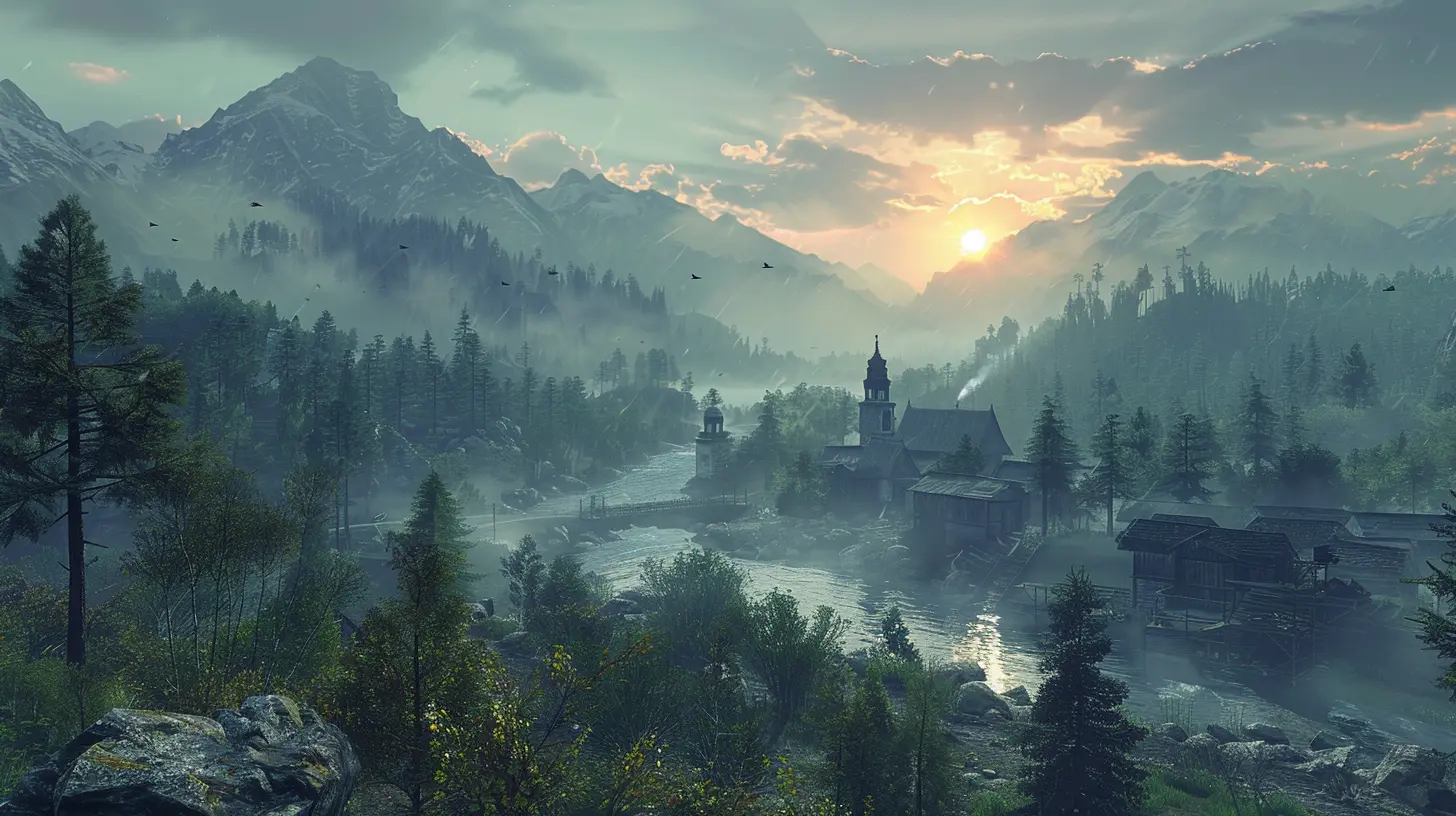
The Hollow Halls of Certain Triple-A Titles ?
Let’s not name names (okay, maybe just a whisper of a few...), but some high-budget AAA titles are guilty of the bait-and-switch. Think sparkling trailers, celebrity cameos, cutting-edge engines — only to deliver repetitive missions, lifeless NPCs, and mechanics as stale as last week’s pizza crust.It’s like polishing a Ferrari’s hood, then opening the door to find a go-kart engine inside. Sure, it looks like a race-winner, but it just doesn’t drive the way you expected.
You begin to wonder: did the developers spend more time on lighting detail than level design?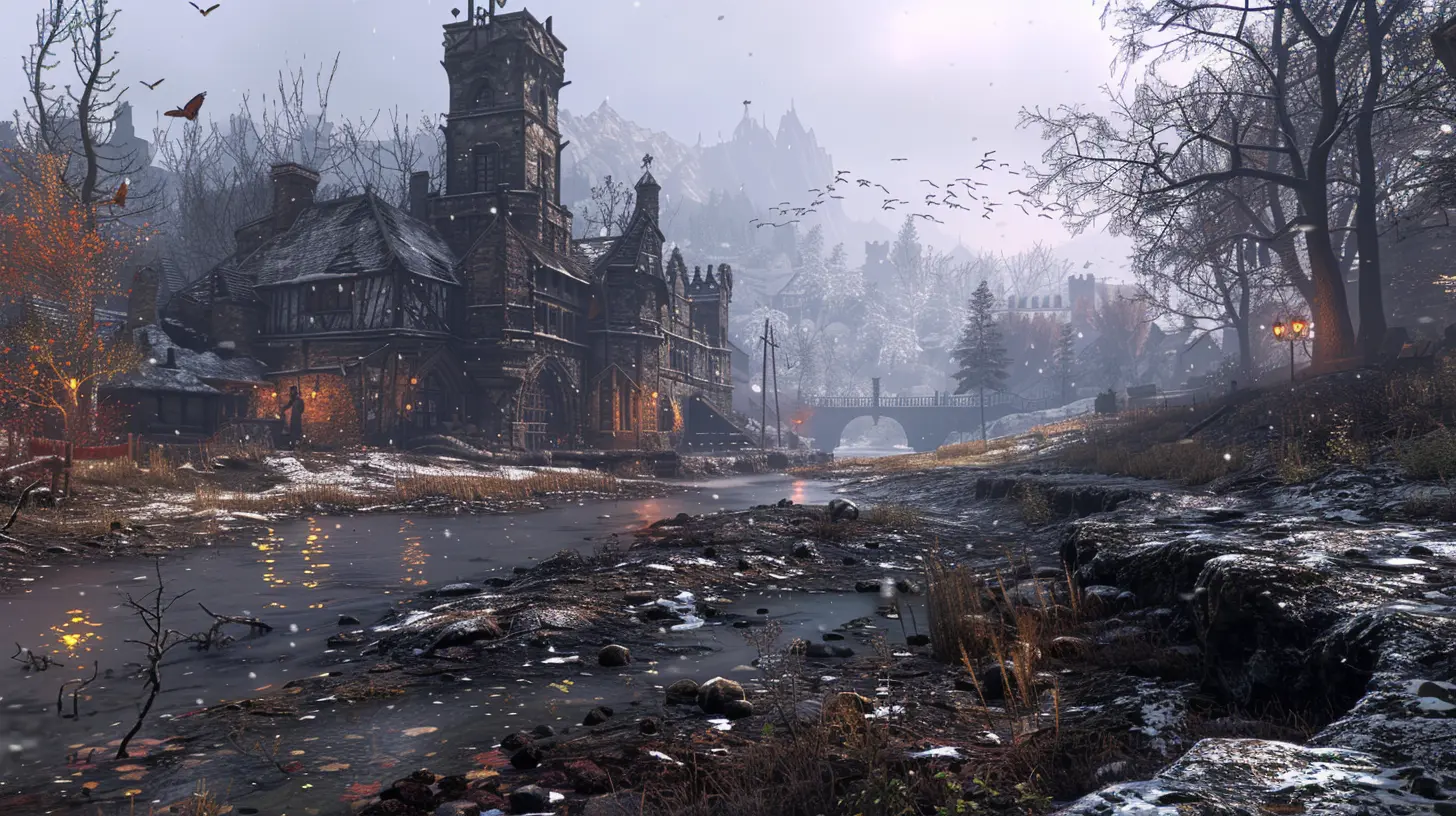
Indiepocalypse: Flipping the Script ??️
Here’s the plot twist: while some big-budget titles stumble under the weight of their own visuals, many indie games keep gameplay at their core.Think about titles like Hades, Undertale, or Celeste. These games didn’t blow us away with RTX or ultra-HD. But they delivered emotion, mechanics, and storylines that stuck with us like a catchy chorus.
It’s like comparing a gourmet burger from a street vendor to a picture-perfect fast-food burger — one feeds the soul, the other just fills the feed.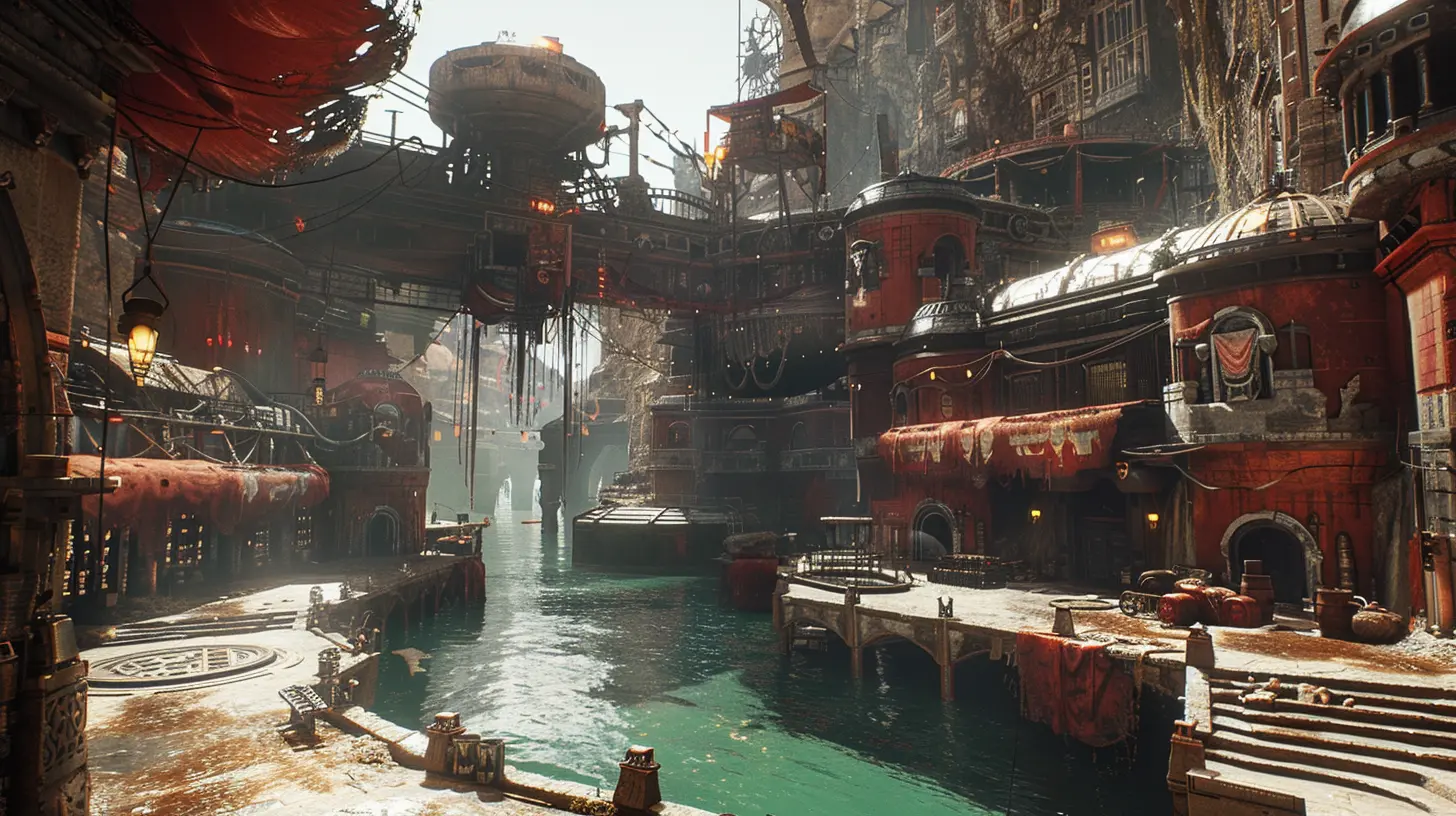
Why the Disconnect Happens (And Keeps Happening) ?
Let’s break it down. Why is graphic fidelity sometimes prioritized over gameplay?1. Marketing Over Mechanics
Marketing runs the world. Publishers want that clickbait-worthy trailer and those photorealistic screenshots. They're playing to their investors, not necessarily to gamers.So, they pour money into the engine’s capabilities — draw distances, bloom effects, hair physics — and tick the graphical checkboxes. Meanwhile, game mechanics get shoved to the side of the roadmap, waiting for attention that never comes.
2. Time Mismanagement
Ever seen a game delayed, then delayed again... only to launch broken? Sometimes, teams spend too long perfecting the visuals that they sideline user experience until it’s too late. Polish comes before playability. It’s like frosting a cake before you’ve baked it.3. The Curse of Early Demos
Early demos these days? Highly curated, carefully controlled environments designed to amaze you. But they don’t reflect the actual game. It’s like dating a mannequin — it looks nice, but try having a conversation with it.4. Tech That Outruns Design
New gaming tech can sometimes outpace game design. Developers get access to mind-blowing engine upgrades, but good design takes time and thought. It's not just about making water ripple right; it’s about making gameplay make waves.Graphics Can Elevate, But Not Replace ?
Don’t get us wrong. Graphics are important. Stunning art design can help tell a story. A visually beautiful world can immerse you in ways text can't. Look at Ghost of Tsushima, The Witcher 3, or Red Dead Redemption 2. These games blend beauty with substance.But the sweet spot is balance.
Graphics are the stage. Gameplay is the script and performance. Without a solid story, all that stage design means nothing. No one remembers a play just because the curtains were fancy.
When Eye Candy Leaves a Bitter Taste ??
Let’s talk emotion. That feeling you get when you finally download the long-awaited game, boot it up, and the first 10 minutes are... meh. No weight in the combat. No complexity in the AI. No spark in the story. You're left wondering: "Did I just pay for a wallpaper generator?"It’s frustrating because it feels like a lie. Like you fell for a beautiful con. The platform promised magic. What you got was a magic trick with the wires showing.
Gamers Are Getting Smarter (And Louder) ?
Good news? Gamers are tired of this bait-and-switch routine. We’re more vocal now. Reddit threads spark faster than lightning. YouTube reviews don’t hold back. Streamers call it like they see it — sometimes live during launch day.Developers and publishers are being held accountable. And in a world driven by community feedback, that’s a powerful shift.
Gamers want meat on the bones. We don’t just want a pretty face — we want a game that sings, dances, and makes us feel alive at the controls.
Gameplay: The Heartbeat of a Great Game ❤️?
Let’s take a moment to really appreciate gameplay mechanics. They’re the heartbeat of a truly satisfying game. The reason you say, “Just one more level,” at 2 a.m. The reason you keep thinking about a game long after you’ve finished it.- It’s the responsive controls in Hollow Knight.
- The fluid combat in Sekiro.
- The world interaction in Breath of the Wild.
These games didn't need cutting-edge graphics. They grabbed us by the thumbs and didn’t let go.
Gameplay is what makes or breaks a game. Period.
The Power of Player Agency ?
Gamers crave choice. Not just in dialogue options but in how we solve problems, explore worlds, and master combat. Graphics won’t give you that freedom. Only tight design and thoughtful mechanics can.That’s where games like Disco Elysium shine. Not visually groundbreaking, but the player agency? Off the charts. The experience feels personal, like you’re telling a story together with the game, not just watching it unfold.
The Way Forward: Marrying Form and Function ?
So how do we fix this? How does the industry strike that golden balance between beauty and brilliance?Here’s a wishlist:
- Prioritize core mechanics early in development.
- Test with real players, not just internal teams.
- Don’t oversell trailers that don’t reflect gameplay.
- Respect the gamer’s time — make every moment engaging, not just every frame stunning.
Because when gameplay and graphics harmonize, that's when gaming becomes unforgettable.
Final Thoughts: It's Not Just About Pretty Pixels ?
In the end, a game is more than its graphics. It’s how it makes you feel. It’s about the rhythm of the combat, the weight of your decisions, the thrill of discovery. Graphics can dazzle, but gameplay is what dances in your memory long after the screen goes black.So the next time you see a jaw-dropping trailer and feel that hype rise in your chest, take a breath. Ask yourself: what’s beneath the surface? Because the best games — the truly timeless ones — are the ones with heart under the hood.
Let’s stop falling for plastic roses. Let’s wait for the bloom that smells sweet and lasts long.
all images in this post were generated using AI tools
Category:
Gaming ReviewsAuthor:

Whitman Adams