Why Cloud Gaming Is the Future of the Industry
12 July 2026
Let’s be honest — it’s not always fun upgrading your console, maintaining your gaming rig, or dealing with giant download files. If you’ve ever sat there watching that “Preparing to Download” bar inch along like a snail on vacation, you’ve probably wondered… “Isn’t there a better way to game?”
Well, there is. And it’s already here.
Welcome to the cloud — the future of gaming.
In this article, we’re diving deep into the heart of cloud gaming: what it is, why it’s blowing up, and most importantly, how it’s shaping the future of the gaming industry as we know it.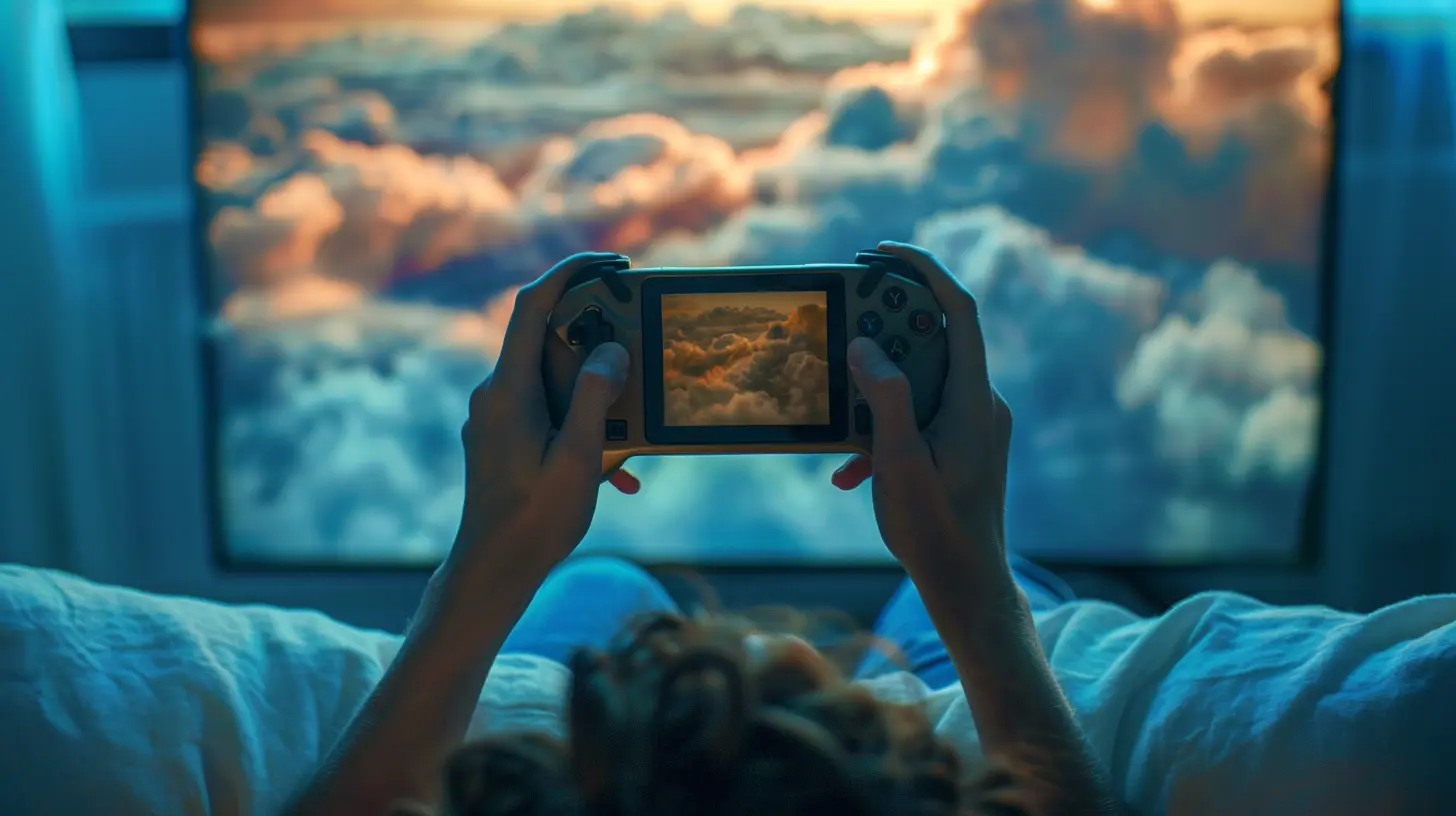
What is Cloud Gaming, Anyway?
Let’s break this down without the tech mumbo jumbo.Cloud gaming is all about streaming your games over the internet — kind of like how you watch Netflix.
Instead of downloading a game or running it from a disc, you’re basically playing a video feed of the game while it’s running on a powerful server somewhere far away (usually in a data center). Your inputs (like moving the joystick, pressing buttons) go to the server, it processes it, and sends back the gameplay.
It’s like renting a high-end gaming PC, but instead of sitting in your room, it’s up in the digital clouds.
The Traditional Gaming Headache
Before we dive into why cloud gaming is the future, let’s take a stroll down memory lane. Remember all those times you had to:- Upgrade your console every few years?
- Buy expensive graphics cards to keep your PC “next-gen” ready?
- Wait hours (or even days) for a game to download?
- Watch helplessly as your system storage filled up with 100GB+ game files?
Yeah, that stuff gets old. Fast.
Cloud gaming tries to wipe that slate clean. You don’t need state-of-the-art hardware. You don’t need to fuss over storage. You just need a solid internet connection — and boom — you’re in the game.
Why Cloud Gaming is On the Rise
There are a bunch of reasons why cloud gaming is getting so much hype. Here are the big ones:1. Accessibility Like Never Before
Imagine being able to play the latest AAA game on a Chromebook, smartphone, or a cheap laptop. Sounds wild, right?With cloud gaming, you don’t need a $2000 gaming setup. The hard work is done in the cloud, and all your device does is stream the results.
So whether you're on a morning train, stuck in a waiting room, or chilling on your couch with a Smart TV — you can play your favorite games instantly.
2. Say Goodbye to Hardware Limitations
Think your old rig can’t handle the newest titles? Think again.Cloud gaming makes hardware irrelevant. You don’t need the latest PlayStation, Xbox, or RTX graphics card. The servers running the game have top-tier specs — all you need is a controller and an internet connection.
It's like having a Tesla but letting someone else pay for the upgrades.
3. Instant Play, No Waiting
Raise your hand if you’ve pre-ordered a game and then stared at a download screen on release day.Cloud gaming eliminates that. Launch day? Just click and play. No downloads. No patches. No updates. Everything is handled on the server side. You’re always playing the most up-to-date version.
It’s like skipping the line at a theme park.
4. Cross-Device Continuity
Start a game on your PC, continue on your tablet during lunch, and wrap it up on your phone before bed. Sounds futuristic, right? That’s another win for cloud gaming.It’s all tied to your account. Where you are or what device you’re using doesn’t matter — your progress follows you.
5. Game Demos Could Make a Comeback
Remember game demos? Cloud gaming could bring them back in a big way.Instead of downloading gigabytes for a short trial, you could click a button and start a game demo instantly, streaming it right away. It’s better for players. It’s better for developers. Win-win!
Big Players Are Betting Big
When tech giants put their money where their mouth is, it usually means something big is coming.Microsoft (Xbox Cloud Gaming)
Microsoft’s xCloud is already integrated with Xbox Game Pass Ultimate. You can stream a massive library of games across devices — and it works pretty darn well.NVIDIA GeForce NOW
GeForce NOW brings your existing game library right into the cloud. You can play Steam, Epic, and Ubisoft games in a flash — even if your device couldn’t run them natively.Sony (PlayStation Now / PS Plus)
Sony’s cloud gaming has been around longer than most, and they’re continually refining it. With their massive collection of exclusives, it only makes sense to keep pushing their cloud capabilities forward.Google Stadia (RIP, But Not Forgotten)
Even though Google Stadia was shut down, it sparked industry-wide conversations. Its technology worked — and it proved that cloud games with 4K visuals and low latency were totally possible.Challenges? Of Course.
Is cloud gaming perfect? Nope.Let’s talk real talk — there are definitely some sticking points.
1. Internet Dependency
The biggest hurdle? You need a stable, fast internet connection.Playing over the cloud can gobble up your data like Pac-Man on a sugar rush. If your connection isn’t great, you might see stutters, lag, or lower resolution.
But hey — with faster 5G, fiber and even satellite internet on the rise, this is getting better every year.
2. Latency Issues
Milliseconds matter in gaming. Especially competitive multiplayer.Cloud gaming adds a tiny bit of input delay, which can be frustrating in fast-paced shooters or fighters. While tech is improving (and latency is dropping), it’s still not quite there for every genre.
3. Library Limitations
Sometimes the games you want aren’t available on your favorite cloud platform. Licensing, agreements, and platform exclusives still play a role.But as the demand grows, chances are we’ll see more developers embracing cloud-first or cloud-friendly models.
What About Game Ownership?
Let’s get philosophical for a sec.With cloud gaming, you don’t really "own" your games in the traditional sense. It’s more like Netflix — you’re renting access.
This can feel weird for us old-school gamers who still have stacks of physical discs. But the world is moving towards subscription-based services across the board. Music, TV, software… why should gaming be any different?
The key here is value. If cloud gaming services offer access to hundreds (or thousands) of games, uninterrupted updates, seamless saves, and cross-device play — maybe the trade-off is worth it.
Environmental Perks — Yeah, Really
You might not think about it, but cloud gaming has the potential to be more eco-friendly.Fewer consoles manufactured. Less plastic packaging. Fewer power-hungry gaming PCs running 24/7 in homes. Cloud data centers are often highly optimized for energy efficiency.
It might not save the planet overnight, but it’s a step in the right direction.
Indie Developers Could Thrive
Here’s an exciting twist — cloud gaming could level the playing field for indie game creators.Why? Because it removes the hardware barrier. More eyes. Wider audience.
Indie devs won’t need to worry about performance optimization on dozens of devices. They can focus on creativity, storytelling, and innovation.
And for us players? That means more unique gems, more fresh experiences, and fewer cookie-cutter titles.
The Future Isn’t Coming — It’s Here
Whether we like it or not, cloud gaming isn’t just a buzzword anymore. It’s a legit part of the gaming ecosystem.Consoles aren’t going away overnight. PC gaming isn’t dead. But cloud gaming is carving its own space — and fast. It’s shaking up how games are made, sold, played, and shared.
Ten years from now, there’s a good chance your kid’s first “console” won’t be a box under the TV. It’ll be an app on a tablet or a feature on a smart TV.
And honestly? That’s kind of exciting.
Final Thoughts: Embrace the Clouds
Is cloud gaming perfect? Not yet.But is it the future of the industry? Without a doubt.
It lowers the barrier to entry. It offers enormous flexibility. It keeps up with our fast-paced lives. And it gives us, the players, more ways to enjoy our passion.
So dust off your controller, charge your internet plan, and look up — the future is in the clouds.
all images in this post were generated using AI tools
Category:
Cloud GamingAuthor:

Whitman Adams