Why Mobile Ports of Game Remakes Are Gaining Traction
9 March 2026
Let’s face it — we're living in a golden age of gaming nostalgia. Classic titles are getting a second chance at life through remakes, and more interestingly, they're popping up right on our smartphones. But why are these mobile ports of game remakes becoming so popular? What’s driving this sudden surge in demand to relive legendary gaming moments on tiny screens?
Grab your favorite snack and buckle up, because we're diving into the fascinating world of why mobile ports of game remakes are gaining traction. Spoiler alert: it's not just about playing on the go.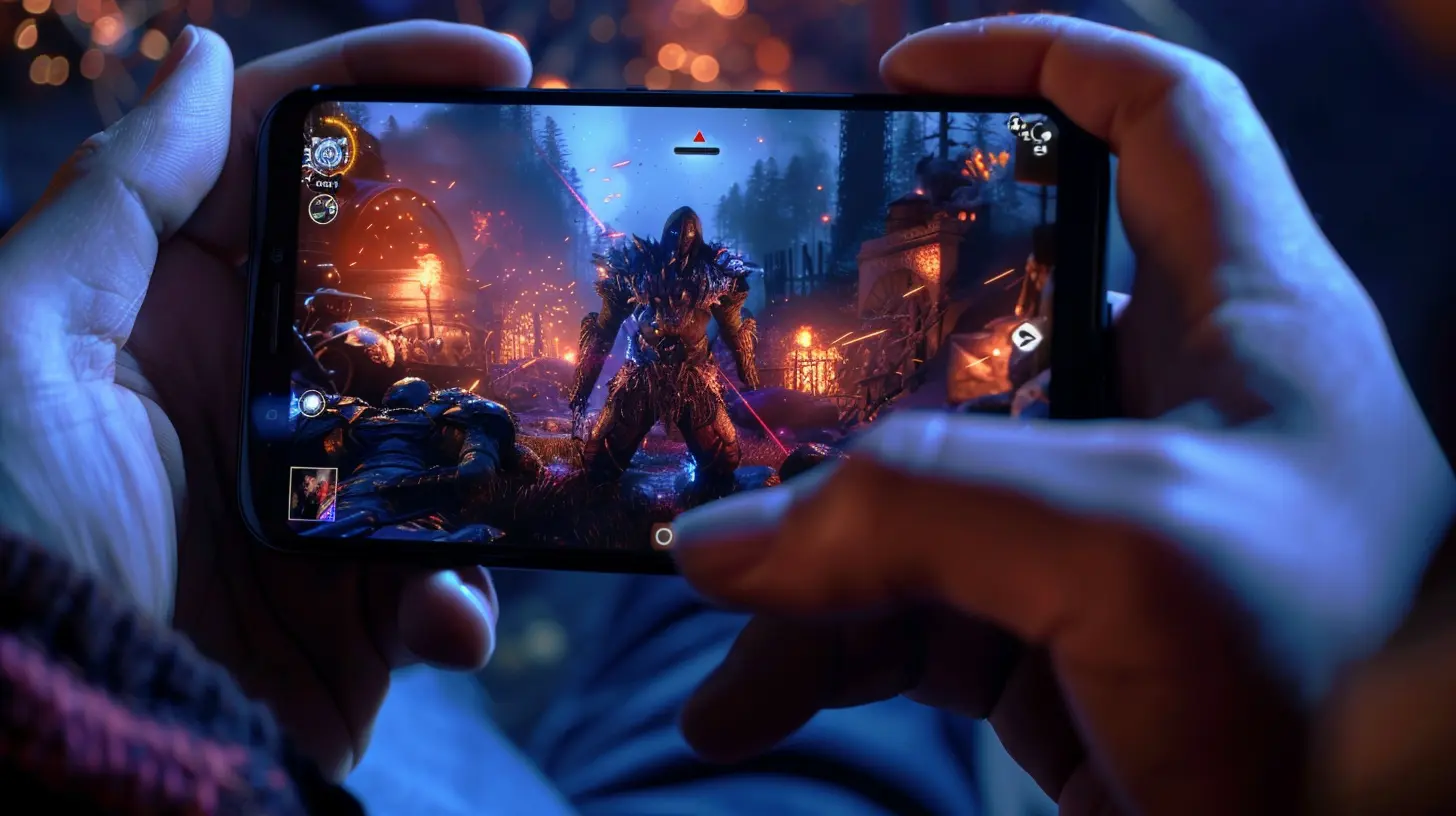
The Rise of Mobile Gaming
Mobile gaming isn’t just a trend — it's the new norm. What used to be a platform for quick match-3 games and endless runners has evolved into a legitimate gaming ecosystem. And if you've ever been stuck in line at the grocery store or waiting for a train, you probably know how handy mobile games can be.Today, smartphones can rival older consoles in terms of computing power. Flagship models are practically mini-gaming PCs that fit in your pocket. So it’s no surprise that developers are looking at mobile as a serious platform to relaunch beloved classics.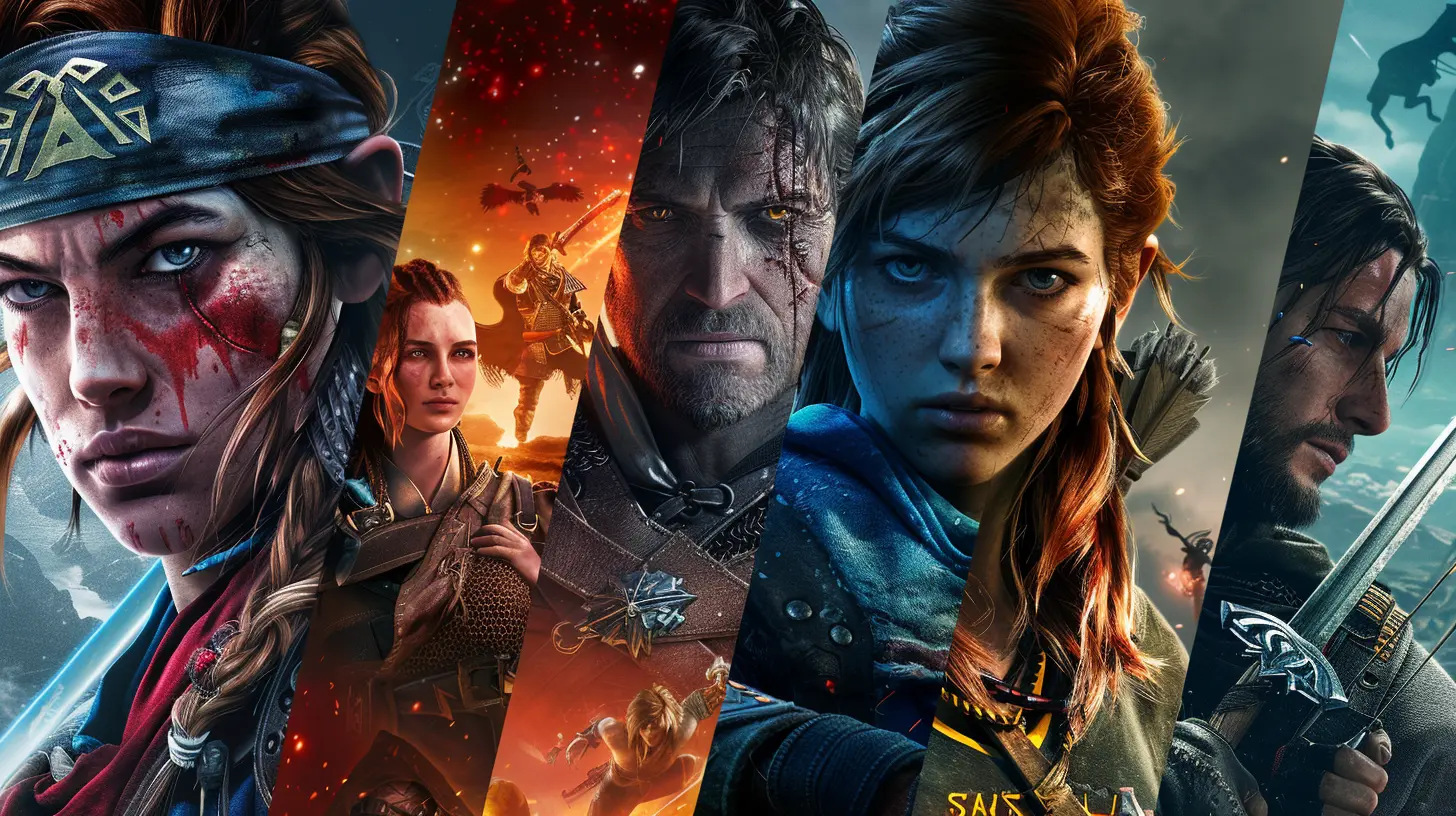
Nostalgia Meets Convenience
Remember blowing into your cartridges and slamming them into a Super Nintendo or PlayStation? Good times, right? Now imagine capturing that same feeling, but while lying in bed or on your lunch break at work. That’s the magic of mobile ports.Why Nostalgia Matters
Gamers are growing up, but they haven’t forgotten their roots. Developers are tapping into that sweet, emotional connection players have with games from their childhood. And let’s be honest—playing a 90s RPG on your phone just hits differently.Convenience is King
We're in an era of instant gratification. Mobile ports allow you to jump into a game whenever and wherever you want — no console, no controller, no TV required. It's like carrying a time machine in your pocket.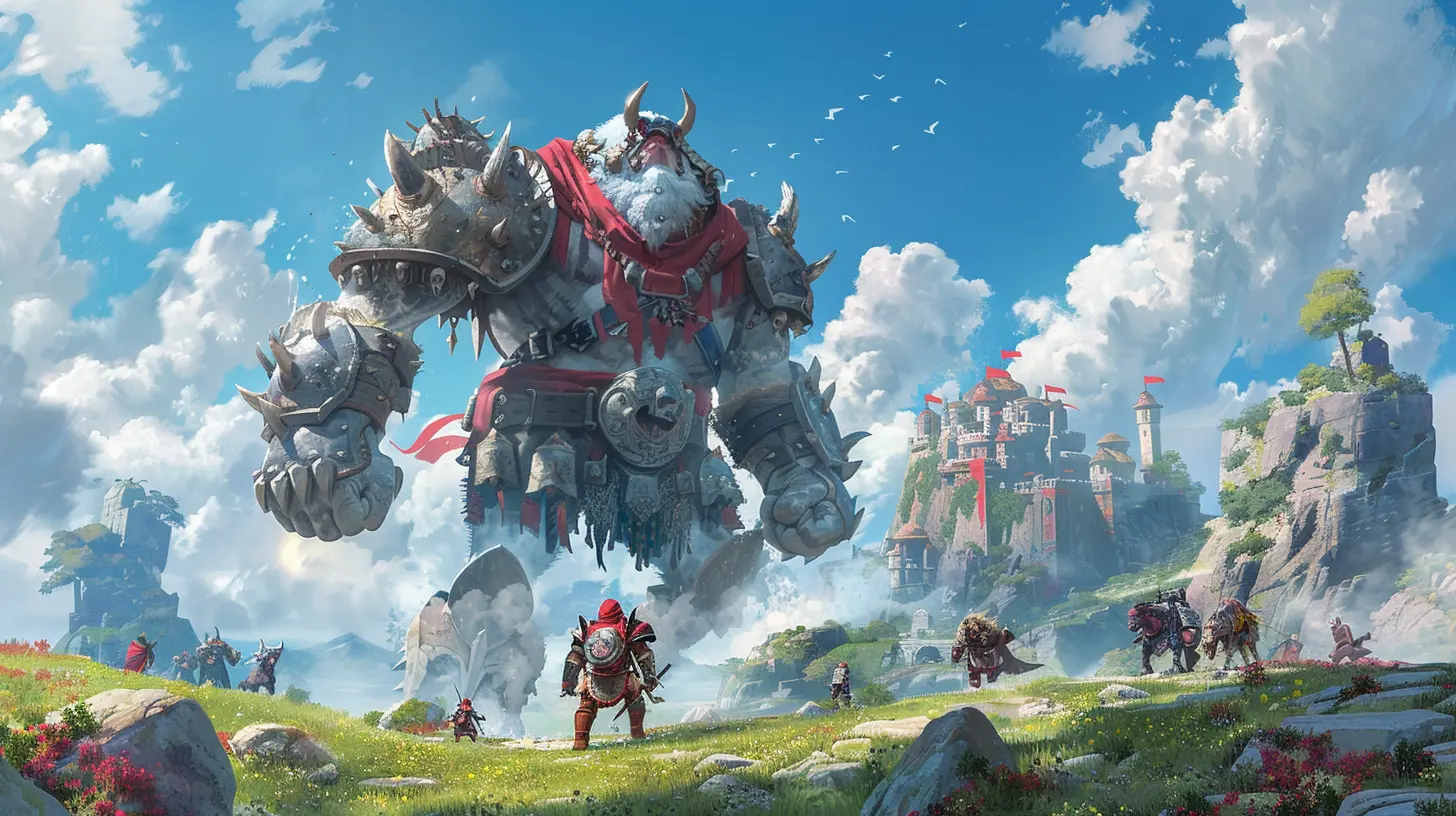
Lowering Barriers to Entry
Not everyone has the budget or space for a gaming rig or the latest console. But nearly everyone has a smartphone. That means mobile ports have a wider reach, especially in areas where console gaming is still considered a luxury.Accessibility Boost
By offering game remakes on mobile, developers are essentially democratizing access to high-quality gaming experiences. People who never got the chance to play the original versions can now enjoy them without breaking the bank.Freemium and Pricing Models
Many mobile versions come with flexible pricing — some are freemium with in-app purchases, others are one-time purchases at a low price point. Either way, it’s way cheaper than shelling out $70 for a console version.
Upgraded Graphics, Optimized Performance
Let’s clear something up — we’re not talking about lazy ports with clunky controls and pixelated graphics. Today’s mobile ports are polished, optimized, and sometimes even enhanced versions of the originals.Tailored for Touch
Game studios realize mobile users aren’t using D-pads. So they redesign the UI and control schemes to work flawlessly with touchscreens. Some even support mobile controllers for that extra edge.Modern Visuals, Classic Heart
With advancements in mobile GPUs, it's possible to get console-quality visuals right on your phone. Game remakes often feature improved textures, lighting, and sound — all while staying true to the core experience.Cross-Platform Play and Cloud Saves
Imagine starting a game on your PC, continuing on your phone during your commute, and finishing it on your console at home. Sounds like a dream, right? Well, it’s becoming more real every day.A Unified Gaming Experience
Thanks to cloud saves and cross-platform compatibility, mobile ports aren’t just side projects anymore. They're full-fledged entries into the gaming ecosystem. This kind of continuity is a huge win for players who want their progress to always be with them.Platforms Like Xbox Cloud, Google Play Games on PC
Platforms like Xbox Cloud Gaming and Google’s recent push for Google Play Games on PC are signs that mobile and traditional platforms are blending more than ever. And that blend? It’s what’s making mobile ports of game remakes even more appealing.Developers See A Financial Opportunity
Let’s not forget — while we players may care about fun and nostalgia, developers also care about one big thing: revenue. And mobile games are generating billions. Yes, with a capital B.Existing Audience, Minimal Risk
Here's the kicker: the audience for mobile games is already massive. By plugging a remake into an already successful ecosystem, developers get to cash in on the nostalgia while reaching new audiences. It’s a win-win with minimal development risks compared to starting a game from scratch.In-App Monetization
Even classic game remakes can include optional in-app purchases — maybe skins, extra levels, even ad-free experiences. These microtransactions stack up fast, turning a modest mobile launch into a significant revenue stream.Big Titles Are Leading the Way
Still wondering if this trend is legit? Let’s talk examples. Several major franchises have already made successful transitions to mobile.Examples of Popular Mobile Ports
- Final Fantasy — Square Enix has ported nearly every classic Final Fantasy title to mobile, and they’ve been downloaded millions of times.- Resident Evil 4 Remake — Yes, it’s on mobile too, and it's surprisingly solid.
- Grand Theft Auto: San Andreas — Rockstar proved that massive open-world games could work on phones.
- Chrono Trigger — An iconic RPG that still holds up beautifully on mobile.
These aren’t just fan-favorite games — they’re proof that the model works, and it works well.
The Social Gaming Advantage
There’s another layer here that desktop and console gaming often miss — social integration. Most mobile platforms are tied directly into app ecosystems like Google Play Games or Apple Game Center, making sharing progress, achievements, and invites super easy.More Than Just Gaming
It becomes a social experience. You can share screenshots, jump into multiplayer, or even stream your gameplay — all from your phone. That kind of community engagement gives mobile ports a big edge when it comes to virality and user retention.Challenges Mobile Game Remakes Still Face
Alright, let’s pump the brakes just a bit. It’s not all rainbows and 60 fps. Mobile ports do face some hurdles.Control Limitations
Not every game works well with touch screens. Fast-paced action games or those that rely heavily on precise inputs can feel clunky without a physical controller.Battery Drain and Storage
Some of these remakes are so graphically intense that they’ll eat through your battery like candy. And let’s not even talk about the storage they demand. A 2GB mobile game? Totally normal now.Paywalls and Monetization Backlash
Gamers love the classics, but they hate being nickel-and-dimed. When mobile ports go overboard with ads or microtransactions, the backlash is swift and brutal. Developers need to tread carefully here.So… What’s Next?
Game companies are already looking at what other classics they can breathe new life into via mobile. With foldable phones, VR integration, and 5G networks becoming commonplace, the boundaries of mobile gaming are stretching wider and wider.Imagine playing a fully immersive remake of Metal Gear Solid or Mass Effect — from your freaking phone — with console-level visuals and seamless cloud saves. Yeah, the future's looking wild.
Final Thoughts
Mobile ports of game remakes are gaining serious momentum — and it’s easy to see why. They hit the nostalgia button, fit our fast-paced mobile lifestyle, and put timeless classics right at our fingertips. For developers, it’s good business. For players, it’s a chance to carry their favorite games in their pocket.Whether you're a retro game lover or someone just looking to dip into some classics for the first time, mobile remakes offer something for everyone. They’re not just ports — they’re portable love letters to the games that shaped an entire generation.
So next time you're scrolling through your app store, don’t be surprised if your favorite childhood title is sitting there, ready to go. And guess what? It’ll probably be better than ever.
all images in this post were generated using AI tools
Category:
Game RemakesAuthor:

Whitman Adams
Discussion
rate this article
2 comments
Porter West
Great insights! Mobile ports truly expand gaming accessibility.
March 16, 2026 at 5:01 PM
Whitman Adams
Thank you! I'm glad you found the insights useful. Mobile ports really do open up gaming to a wider audience!
Lysander Howard
Great article! It's fascinating to see how mobile ports are making classic games accessible to a wider audience. Excited to see what’s next!
March 9, 2026 at 5:17 PM
Whitman Adams
Thanks for the feedback! I'm glad you found it interesting. The future definitely looks promising for mobile ports.