Why Open Worlds Are Changing the Game Remake Formula
24 April 2026
Gaming has come a long way from pixelated screens and 8-bit soundtracks. With technology advancing faster than you can say “respawn,” developers are constantly rethinking how they bring our favorite classics back to life. And guess what? Open worlds are at the center of it all. They're not just reshaping modern titles—they’re revolutionizing the way game remakes are crafted.
Let’s dive into why open worlds are no longer just a trend—they’re becoming the formula for remakes that not only honor nostalgia but completely redefine it.
What Exactly Is an Open World?
Before we get ahead of ourselves, let’s break it down: an open world game is one where players can roam freely within a virtual environment, usually with minimal level restrictions. Unlike linear games, where you go from point A to B in a straight line, open-world games let you choose your path.Think of it like this—traditional games are guided tours, while open-world games are more like grabbing a backpack and going wherever your curiosity takes you.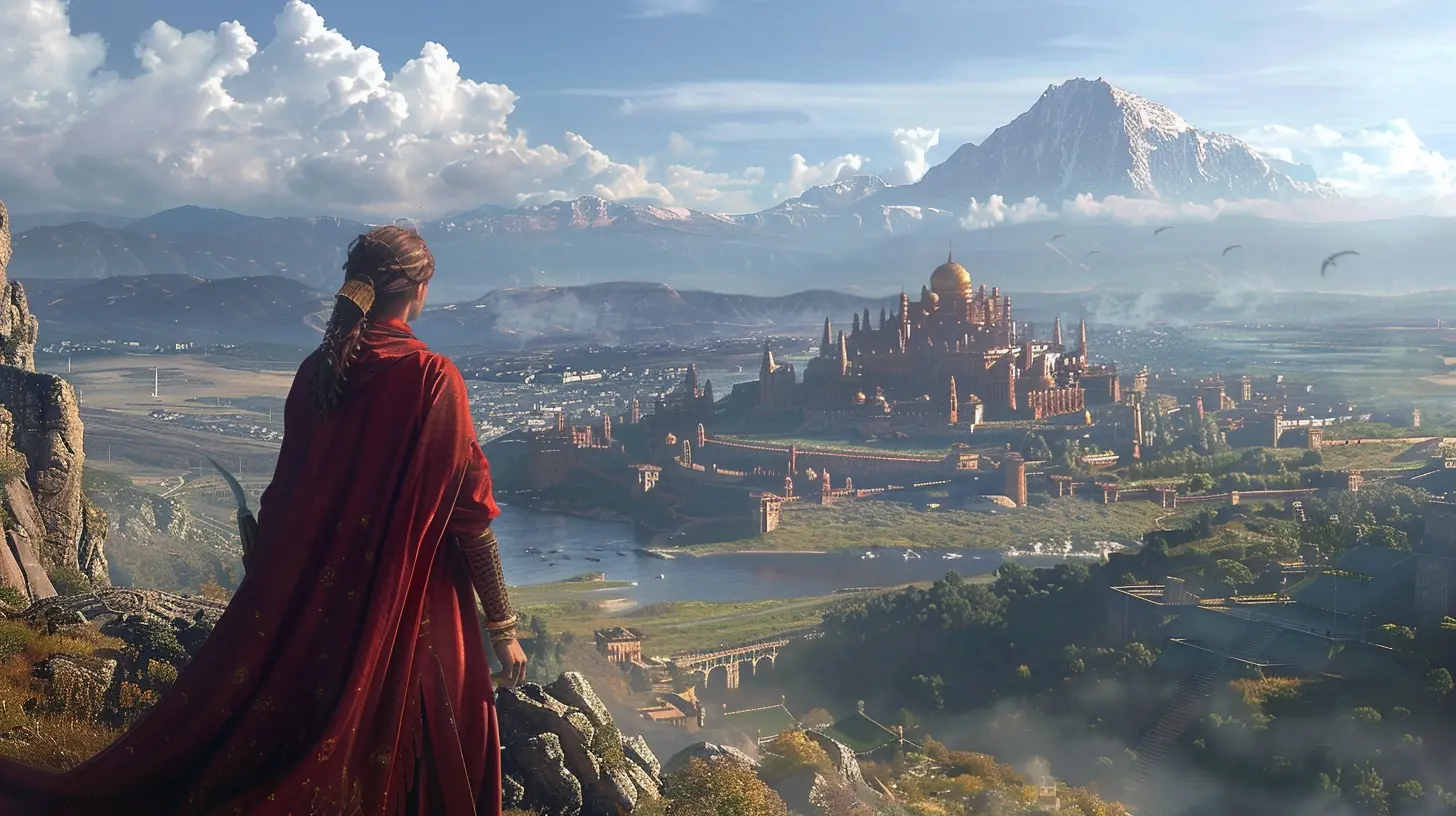
A Shift in Storytelling: From Linear to Living Worlds
Let’s face it—older games were often limited by their hardware. Developers had to tell a powerful story using tight spaces and straightforward missions. But in the age of remakes, merely slapping on better graphics and polished voice acting just doesn’t cut it anymore.With open worlds, storytelling becomes more immersive. Imagine a remake of a beloved 90s RPG, but this time, you can actually walk through the bustling market scenes, overhear conversations that hint at side quests, or investigate ruins that deepen the lore.
It’s not just about telling the story anymore. It’s about living it.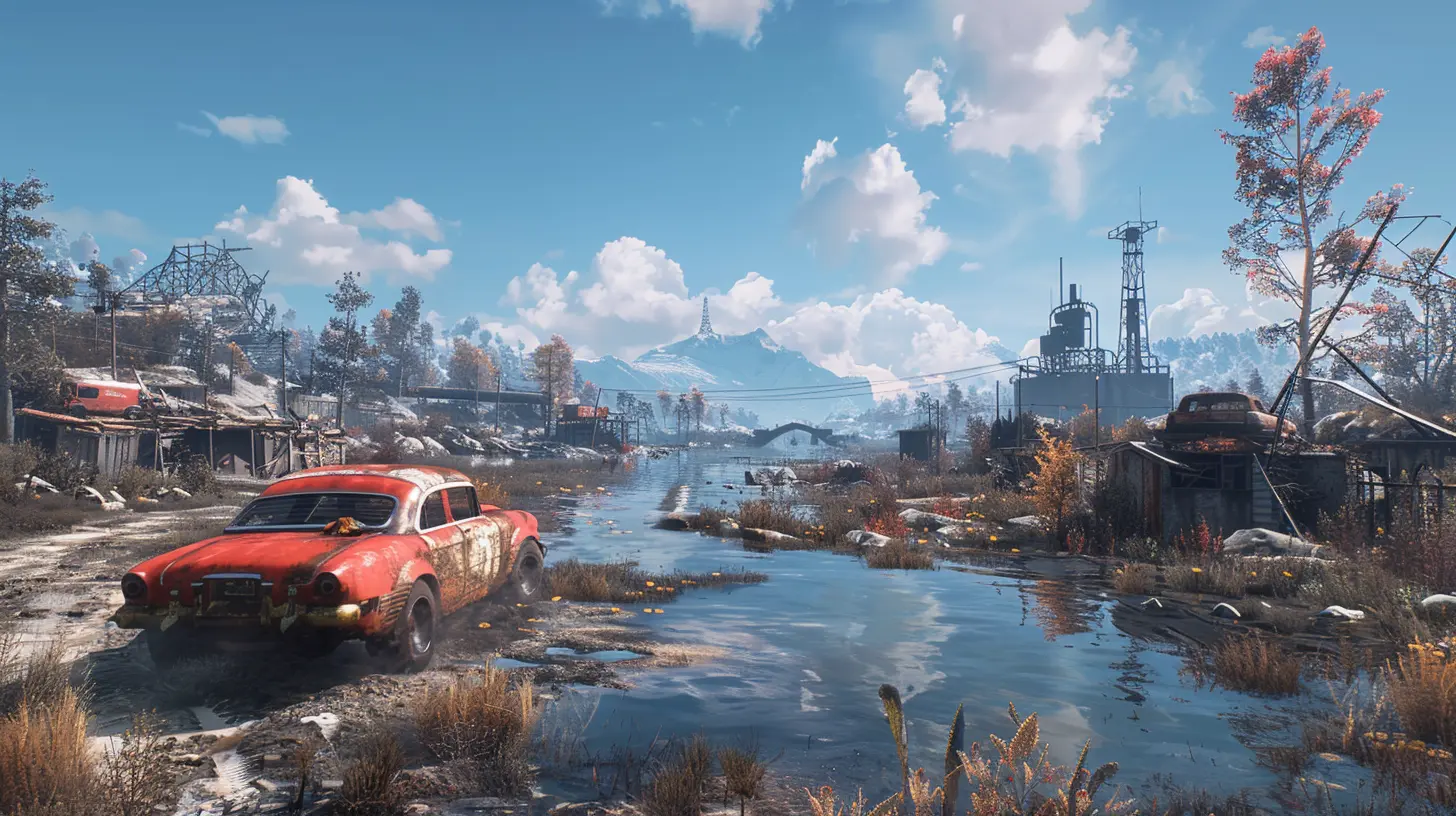
Nostalgia, But Make It Interactive
Remember how epic that final boss felt when you first played the game as a kid? Now imagine replaying that same boss in a remake, but this time, after hours of exploring, crafting better gear, and uncovering secret backstories you never knew existed.Open worlds breathe new life into familiar settings. They allow players to rediscover their favorite moments through a fresh lens. It’s like watching your favorite movie, but now you get to walk onto the set and interact with everything.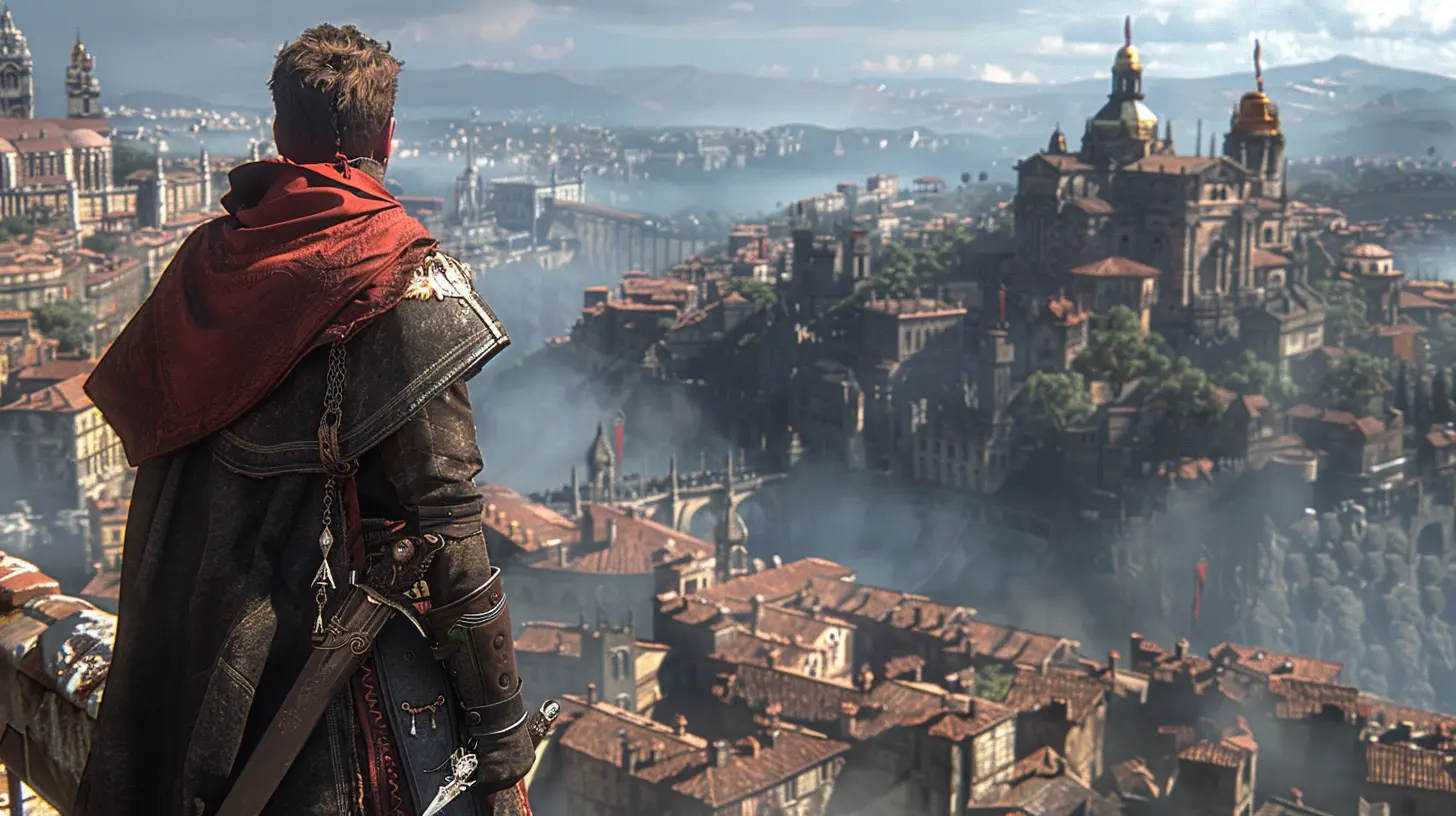
More Than Just a Visual Upgrade
Let’s be honest—remakes used to be all about prettier graphics. Don’t get me wrong, better visuals are always welcome, but today’s gamers want more. They crave depth, choice, and consequence.Open worlds offer all that and more. With dynamic day-night cycles, weather systems, evolving NPCs, and choices that actually shape the world, remakes aren’t just upgrades—they’re full-blown reimaginings.
It’s the difference between remodeling your kitchen and tearing down the walls to build your dream house.
A Playground for Player Freedom
Open-world remakes give players the freedom to play their way. Want to be a stealthy archer instead of the tanky knight you were forced to be in the original? Go for it. Feel like ditching the main quest to chase rumors about a hidden dungeon deep in the mountains? No one’s stopping you.This kind of freedom fundamentally alters how we experience remakes. It makes them feel fresh and personalized, even for players who know the original like the back of their hand.
Evolving Mechanics = Evolving Remakes
Mechanics matter just as much as story. In older games, you often had limited controls or clunky interfaces (remember fixed camera angles?!). Open-world remakes aren't just stretching maps—they're expanding gameplay options.You'll often see revamped combat systems, better AI, fluid animations, and more intuitive controls. These aren't just bells and whistles—they're game-changers. Literally.
And it’s not just about combat. From crafting systems and fast travel to dialogue trees and companion dynamics, open worlds inject modern gameplay mechanics into classic narratives.
Case Studies: When Open Worlds Take Remakes to the Next Level
Let’s talk examples, shall we?Resident Evil 4 Remake
Even though it didn’t go full open-world, its semi-open approach gave players more exploration options, varied combat, and a richer environment. The tension? Still there. But the experience? Way more immersive.Final Fantasy VII Remake
Huge example. The original was deeply beloved, yet the remake dared to change the game—literally. With its expanded areas, side quests, and modern combat mechanics, it preserved the heart of the story while making it feel brand new. Word on the street is the next installment will seriously lean into open-world design.The Legend of Zelda: Link’s Awakening (2019)
Okay, technically not a full open world, but the enhanced interconnected world made the experience much more dynamic. You had the chance to backtrack, explore, and solve puzzles in a way that felt modern yet familiar.Each of these shows a pattern—open or semi-open worlds aren't optional anymore. They’re expected. They elevate the remake from a "nice-to-have" to a must-play.
The Technology Behind the Change
Let’s give props where props are due—none of this would be possible without modern hardware. Today’s consoles and PCs can render massive environments with jaw-dropping detail. SSDs shrink load times, cloud saves let us pick up where we left off, and engines like Unreal 5 create photorealistic landscapes.That makes open-world remakes more viable—and more stunning—than ever before.
Also worth noting: AI and procedural generation are starting to play a role in creating more dynamic, living worlds. That means more unique encounters and less repetitive gameplay. Yes, please!
Challenges in the Shift (Because It Ain’t All Sunshine)
Let’s pump the brakes for a second—open-world design isn’t always a silver bullet.Bigger doesn’t always mean better. Some remakes end up with bloated maps, aimless side quests, or info dumps that overwhelm players. Worse yet, If not done right, open-world elements can dilute the essence of the original game.
There’s also the risk of alienating fans who want a faithful remake. Too many changes, and you lose the magic that made the original iconic.
So, balance is key. The best open-world remakes find a sweet spot: they expand and innovate without losing what made the original memorable in the first place.
What This Means for the Future of Remakes
The trend is clear: open-world elements are no longer just features—they're becoming the foundation for remakes. And honestly? It’s about time.Gamers expect more now. They want meaningful experiences that respect their time, intelligence, and emotional investment. Open-world remakes offer that by blending nostalgia with innovation.
We’re moving towards remakes that aren’t just better-looking versions of old games. We’re stepping into a future where remakes rewrite the experience—and open worlds are the canvas.
The Bottom Line
Open worlds are redefining the game remake formula by offering more than just a nostalgic trip down memory lane. They provide depth, choice, and immersion that weren’t possible 10 or 20 years ago.Whether you’re a purist who loves the original story or a modern gamer looking for fresh mechanics and expansive environments, the open-world remake trend is catering to both ends of the spectrum—and everyone in between.
So next time you boot up a remake and find yourself lost in a side quest or stumbling across a hidden cave you never knew existed—you can thank the open-world revolution for that.
Game remakes aren't just looking back anymore. They're charging forward—and open worlds are leading the way.
all images in this post were generated using AI tools
Category:
Game RemakesAuthor:

Whitman Adams
Discussion
rate this article
2 comments
Julian McGonagle
Open worlds breathe new life into remakes, allowing us to explore familiar stories in fresh ways. The freedom to roam makes each adventure feel personal, drawing players deeper into the experience... who doesn't love that?
May 13, 2026 at 3:18 PM
Whitman Adams
Absolutely! Open worlds add a new layer of engagement, letting players connect with stories in a dynamic way. It really transforms the experience.
Nadine Gray
Open worlds revolutionize game remakes by offering players freedom and immersion that linear designs often lack. This shift allows for deeper exploration of beloved stories and characters while introducing fresh gameplay experiences, ultimately breathing new life into classic titles and engaging both old and new audiences.
April 24, 2026 at 3:56 AM
Whitman Adams
Absolutely, open worlds bring a fresh perspective to remakes. They allow players to dive deeper into the story and explore in ways linear games can't match. It's exciting to see classic titles reimagined with this level of freedom.