Boosting Mood Through Game-Based Accomplishment
3 June 2026
Ever felt that rush of satisfaction right after completing a tough level in a game? Or the thrill of unlocking an achievement you've been grinding for? That little burst of joy isn’t just fun—it’s actually doing wonders for your mood. Video games have long been a source of entertainment, but more and more, we’re realizing just how powerful they can be at helping us feel better.
Let’s dive deep into how boosting mood through game-based accomplishment isn’t just a feel-good bonus—it’s a real, science-backed thing with big mental health benefits.
What Is Game-Based Accomplishment Anyway?
Game-based accomplishment is that sense of satisfaction you get when you succeed at something within a game. It could be leveling up, earning an achievement, unlocking a new skill, or even just surviving a wave of enemies you weren’t sure you could handle.Games are built to give you short-term goals and instant feedback. And let’s face it—who doesn't love immediate validation?
The Psychology Behind the Feel-Good Factor
So, what’s going on in your brain when you knock out that boss battle?Dopamine: The Brain’s “Achievement Hormone”
When you achieve something in a game, your brain releases dopamine. That’s the feel-good neurotransmitter that gives you a sweet burst of pleasure. It’s the same chemical that lights up when we eat chocolate, hear a compliment, or get a bunch of likes on a photo.It’s Like Your Brain’s Saying, “Heck Yes!”
That rush you get? It’s a biological reward. And it makes you want to keep playing—keep achieving. It’s your brain’s way of saying, “You’re doing great, keep this up.”
Why These Small Wins Matter
You might think, “Okay, but it's just a game win. It’s not real life.” But here’s the kicker: your brain doesn’t really care if the achievement is virtual or IRL. A win feels like a win.Fighting the Funk: How Games Help Beat the Blues
Ever had one of those days where everything feels “meh”? Logging into your favorite game and completing a few quests can shift your mindset almost instantly. Tasks that are manageable and rewarding make us feel competent. That’s huge for boosting self-esteem.Games Offer Control in an Out-of-Control World
Life is chaotic. Deadlines, responsibilities, and the unpredictability of everyday life can leave us feeling powerless. In contrast, games offer clear rules, achievable goals, and consistent feedback. You know if you put in the effort, the reward is coming. That’s mental gold.
Real-Life Skills Through Virtual Accomplishments
Sure, gaming makes you feel good, but did you know it actually trains your brain too?Building Resilience
Getting wrecked by a boss over and over again—then finally winning? That teaches perseverance like nothing else. It’s a digital form of failing forward.Fine-Tuning Goal-Setting
Games break big missions into bite-sized quests. Doing this over and over wires your brain to set and chase goals more effectively—even outside of games.Boosting Focus and Patience
Grinding doesn’t just get you that rare sword—it boosts your ability to focus long-term. Waiting for the right moment to strike in a stealth mission? That’s teaching patience. These skills translate smoothly to real-world scenarios.Types of Games That Boost Mood
Not all games are created equal when it comes to that feel-good buzz. Here are some genres that really do the heavy lifting for your mental health.1. Role-Playing Games (RPGs)
These are the kings of accomplishment. Whether you’re building your character level-by-level or managing inventory like a digital Marie Kondo, RPGs excel at rewarding progress.Mood Boost Factor: Customization, goal-setting, and story immersion.
2. Puzzle Games
Tetris, Candy Crush, or Sudoku-style brain teasers offer quick, tangible wins. They're great if you’re short on time but still want that spark of achievement.Mood Boost Factor: Mental stimulation and dopamine release from success.
3. Simulation Games
Think Animal Crossing, The Sims, or Stardew Valley. These titles let you control your environment, make progress at your own pace, and express creativity.Mood Boost Factor: Relaxation, control, and creative freedom.
4. Adventure Games
Narrative-driven games like Life is Strange or Firewatch provide emotional engagement and often include episodic accomplishments that keep you hooked.Mood Boost Factor: Emotional catharsis and engaging storytelling.
Social Bonds = Emotional Wellness
Sometimes it’s not just about the game—it’s about who you’re playing with.Coop and Multiplayer Games
Games like Fortnite, Apex Legends, or Minecraft aren't just about competition. They’re social experiences. Working with friends towards a shared goal? That unlocks a whole other layer of fulfillment.Community and Belonging
Online guilds, Discord servers, and gaming communities offer a sense of belonging, especially for people who struggle with social interaction offline. Achievements feel even better when you can share them.Harnessing This Power in Daily Life
Want to make the most out of your gaming habit to keep your mood high? Here’s how to game smarter, not just harder.1. Set Mini Goals
Instead of playing for hours aimlessly, set small, specific goals. "In the next 30 minutes, I’ll beat this level or craft this item." That focused approach keeps the dopamine hits coming.2. Track Your Progress
Keep a journal or use tech tools to document your in-game victories. Seeing your growth builds confidence and gives you something to smile about—especially when life outside the screen feels stagnant.3. Mix Up the Genres
Don’t stick to one type of game. Variety increases your exposure to different forms of accomplishment and can help avoid burnout.4. Balance is Key
Yes, gaming rules—but so does self-care. Make sure you're eating, sleeping, and moving your body IRL. Think of your game time like a mood-boosting vitamin, not your entire meal.Real People, Real Mood Boosts
Let’s hear it from some fellow gamers:> “After a rough day at work, squeezing in 30 minutes of God of War changes everything. That sense of ‘I did something’ sticks with me all night.”
> — James, 32, IT Specialist
> “I battle depression on and off. Games like Stardew Valley have literally helped me out of bed. Simple goals like watering digital crops gave me a reason to keep pushing.”
> — Alisha, 27, Freelance Artist
The Flip Side: Stay Aware
Of course, like anything, too much of a good thing can backfire. Game-based accomplishments should inspire you, not consume you. If you’re ignoring responsibilities, isolating, or becoming overly dependent on games for happiness, it's time to reassess.Gaming is a powerful tool, not a crutch.
Leveling Up Your Life, One Game at a Time
Here’s the deal: in a world where stress and negativity seem to come at us from all angles, finding joy in small victories matters. Whether you’re saving kingdoms or smashing candy, those tiny moments of progress can stack up to make a huge difference in your mental game.The next time someone says, “It’s just a game,” you can smile knowing you’re not just playing—you’re leveling up emotionally too.
So pick up that controller, mouse, or touchscreen. You’ve got wins to stack and moods to lift.
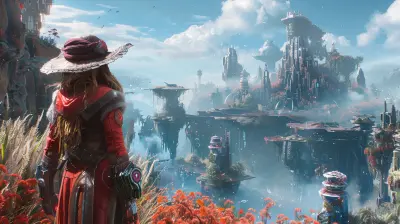
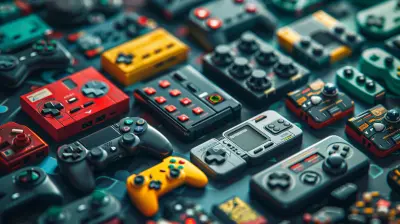
all images in this post were generated using AI tools
Category:
Gaming And Mental HealthAuthor:

Whitman Adams
Discussion
rate this article
1 comments
Phoebe Foster
Life's challenges often feel overwhelming, but what if the key to a brighter mood lies within the virtual worlds we explore? In these realms, every achievement, no matter how small, ignites a spark of joy. Could our next big win be waiting just around the corner?
June 12, 2026 at 3:36 PM