Can Gaming Improve Your Focus and Cognitive Health?
26 April 2026
We’ve all probably heard someone say, “Video games will rot your brain!” right? Usually from a worried parent holding a report card in one hand and an Xbox controller in the other. But what if we flipped that narrative on its head? What if gaming isn’t just a fun escape from the daily grind, but also a surprisingly powerful tool to boost mental health and sharpen your focus? Let's dive into the world of gaming, where pixels meet brainpower.
Is Gaming Really That Bad?
First things first — gaming tends to get a bad rap. Sure, if you’re pulling all-nighters fueled by chips and soda while ignoring your responsibilities, gaming isn’t doing you any favors. But that’s not unique to games; moderation is key to everything, whether it’s gaming or binging on cake. Let’s clear this up: video games, when enjoyed responsibly, can actually work wonders for your brain.
Gaming and Focus: A Dynamic Duo?
Ever noticed how locked-in you get during a game? Like laser-focused, nothing-can-distract-you kind of locked-in? That’s not a coincidence. Games are designed to capture your full attention, and in doing so, they help train your brain to focus intensely over longer periods.Reaction Times That Rival Superheroes
Fast-paced games like first-person shooters or racing sims demand quick reflexes and sharp focus. You’re required to make split-second decisions — duck, jump, reload, drift! Over time, this not only improves your reaction time but also your ability to stay alert and focused.In fact, a study published in Nature found that action gamers had faster reaction times without sacrificing accuracy. Boom! That’s science-backed proof that gaming can fine-tune your attention span.
Multitasking Like a Pro
Let’s talk about strategy games for a second — think StarCraft, Age of Empires, or even SimCity. These types of games are all about juggling multiple things at once. You’ve got resources to manage, enemies to fend off, and decisions to make in nanoseconds.Sound familiar? That’s pretty much what your brain does all day. Playing these games can help develop and improve your multitasking skills in a way that’s engaging and, honestly, just plain fun.
Cognitive Health: Games That Train Your Brain
Believe it or not, some games are secretly disguised as gym sessions — but for your brain. Whether you’re solving puzzles, navigating complex levels, or decoding cryptic messages, you're giving your cognitive muscles a solid workout.Puzzle Games: The Mental Yoga
Sudoku, Tetris, Portal, The Witness — these games are brain food. They stretch your memory, test your problem-solving abilities, and even improve spatial awareness.Need an example? Tetris has been shown to increase cortical thickness in areas of the brain related to critical thinking and planning. That’s right, stacking blocks actually thickens your brain!
Memory and Learning Enhancement
Games often require you to remember maps, character abilities, mission details, and so much more. This kind of repeated recall boosts working memory. Some researchers argue it’s similar to studying — except it’s way more enjoyable than cramming biology terms the night before finals.Even certain mobile apps and games are tailored specifically for brain training (Lumosity, Peak, Elevate, etc.), and they’re backed by neuroscience. They target cognitive functions like memory, flexibility, and attention.
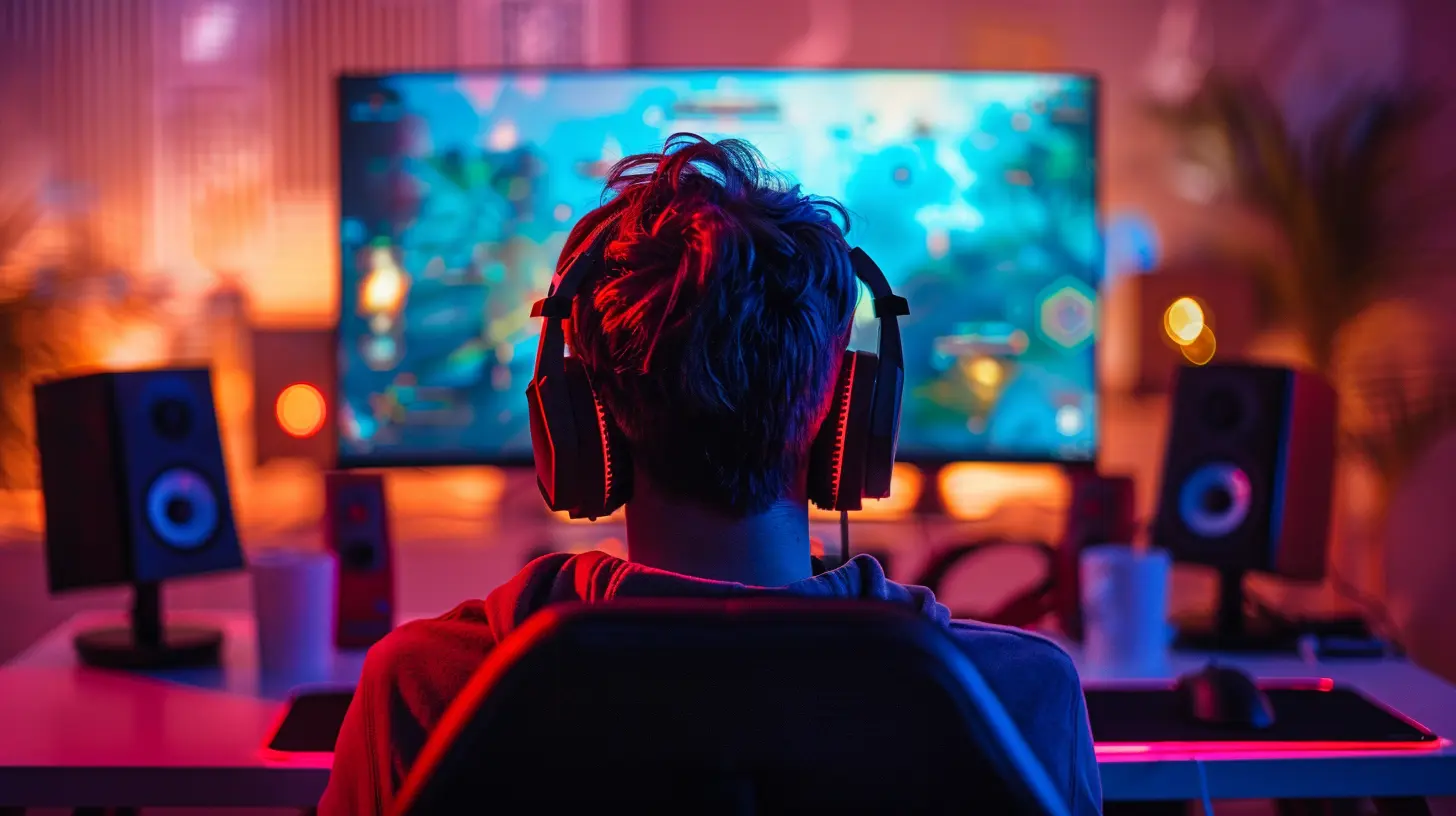
The Dopamine Factor: Motivation and Reward
You know that burst of satisfaction you get when you level up, find a rare item, or finally defeat that impossible boss? That’s dopamine doing its thing. It’s the brain’s way of saying “Heck yeah, you nailed it!”Dopamine boosts motivation, which plays a massive role in focus and learning. When you’re motivated, you’re more likely to stay engaged. Gaming works like a charm because it taps into our reward system, keeping you hooked in all the right ways.
Turning Goals into Habit
Games are full of micro-goals: finish this mission, reach that checkpoint, collect 50 coins. These small, achievable goals pack a psychological punch. By constantly rewarding progress, games train your brain to persevere — a skill you can absolutely transfer into real-life tasks.Social Gaming and Mental Flexibility
Multiplayer games aren’t just about trash talk and battle royales. They can actually help boost your communication skills and mental flexibility.Teamwork Makes the Dream Work
Team-based games like Overwatch or League of Legends require strategy, coordination, and real-time decision-making with other players. You’ve got to plan, adapt, listen, lead — sounding a lot like a workplace meeting, huh?These interactions build emotional intelligence and decision-making skills, all while you’re having a blast with friends or randoms from halfway across the globe.
Dealing with Failure
Let’s be honest: gaming teaches resilience. You die. You fail. You rage-quit. Then, five minutes later, you try again. This bounce-back attitude is a powerful trait in real life, helping you deal with setbacks instead of avoiding them.
Neuroplasticity: The Brain’s Power to Adapt
Here’s a fancy term for you: neuroplasticity. It’s your brain’s ability to change and grow in response to new experiences. Gaming, particularly engaging or challenging ones, provides rich experiences that can help form new neural pathways.In short: games can literally rewire your brain in good ways — improving learning, memory, and even emotional regulation.
Gaming and Kids: Not Just Screen Time
Parents often worry about kids spending too much time gaming. Totally understandable. But not all screen time is created equal. Educational and age-appropriate games can boost literacy, numeracy, and even empathy.Minecraft: The Digital Lego Set
Take Minecraft for example — it’s not just blocks and creepers. It encourages creativity, spatial reasoning, and even basic coding if you jump into Minecraft: Education Edition. Honestly, it’s a classroom disguised as a game.
How Much Gaming Is Too Much?
Okay, let’s keep it real. Can too much gaming backfire? Of course.- Excessive gaming can mess with your sleep schedule.
- It may reduce physical activity (unless you’re into VR fitness games like Beat Saber or Ring Fit Adventure).
- It could affect social life and academic or work responsibilities.
Balance Is the Name of the Game
The key is moderation. Like anything enjoyable — pizza, Netflix, scrolling TikTok — gaming needs balance. A couple hours a day of smart gaming can be just what your brain ordered. Combine it with other activities, and you’re golden.Tips for Mindful Gaming
Want to get the brain-boosting benefits without overdoing it? Here are a few gamer-pro tips:1. Choose the Right Games. Not all games are equally beneficial. Puzzle, strategy, and action games offer the most cognitive perks.
2. Take Breaks. Use the 20-20-20 rule: every 20 minutes, look at something 20 feet away for 20 seconds. Your eyes and brain will thank you.
3. Mix It Up. Don’t just grind one game for hours — diversify! Different games challenge different parts of your brain.
4. Stay Physically Active. Try gaming workouts or take walks between sessions.
5. Game With Friends. Multiplayer games can add a social and emotional dimension.
So… Can Gaming Actually Make You Smarter?
Let’s sum it up. Can gaming improve your focus and cognitive health? You bet it can. From enhancing your reaction time to improving memory and decision-making, the benefits are well-documented and pretty exciting.Just remember, gaming isn’t a magic pill. It won’t replace sleep, exercise, or a healthy diet. But it can absolutely be part of a smart, well-rounded lifestyle. So next time someone tells you video games are a waste of time, you can (politely) hit them with some brainy facts and keep on gaming with purpose.
Game on, friends
all images in this post were generated using AI tools
Category:
Gaming And Mental HealthAuthor:

Whitman Adams
Discussion
rate this article
2 comments
Charlie Pace
Great article! It's intriguing to see how gaming can have positive effects on focus and cognitive health. I look forward to more insights on this topic.
May 4, 2026 at 3:08 AM
Whitman Adams
Thank you for your kind words! I'm glad you found it intriguing. More insights are on the way... stay tuned!
Nina Baker
Sure, gaming can boost your focus—right until you get distracted by your friend sending you a meme about that one time you accidentally launched a car into the stratosphere. Priorities, am I right?
April 28, 2026 at 2:40 AM
Whitman Adams
Absolutely, distractions can be a real challenge. Gaming does offer focus benefits, but balancing those distractions is key.