Decision-Making in RPGs: Living With the Consequences of Your Choices
27 December 2025
If you've ever spent sleepless nights debating whether to align with the morally gray anti-hero or side with the shining paragon in an RPG (role-playing game), welcome to the club. Decision-making is the heart of RPGs and what makes them so compelling. These games aren’t just about slaying dragons or hoarding loot; they’re about weaving your own story through the threads of choices you make. But here’s the kicker—those choices? They come with consequences, and sometimes, you might not be ready for them.
In this article, we’re diving deep into decision-making in RPGs, the art of living with the consequences, and why this mechanic keeps us hooked for hundreds of hours. Pull up a chair, roll the dice, and let’s talk about the choices that make RPGs so damn memorable.
Why Choices Matter in RPGs
Imagine playing a game where every decision is pre-determined, every path laid out for you like a theme park ride. Sounds boring, right? That’s because when it comes to RPGs, choice is king. It’s what sets the genre apart. You’re not just a passive passenger here; you’re the driver steering the story.RPGs thrive on agency—your ability to influence the world around you. Whether it’s deciding the fate of an alien race in Mass Effect or choosing to save or abandon a small village in The Witcher 3, your decisions matter. They’re not throwaway lines or meaningless clicks; they ripple through the world like a stone dropped into water.
But why does this mechanic resonate with us so much? It taps into something deeply human: our desire for control and the weight of responsibility. We want to feel like our actions matter. And when an RPG makes you regret that impulsive alliance or question a morally ambiguous choice, that’s when it becomes truly unforgettable.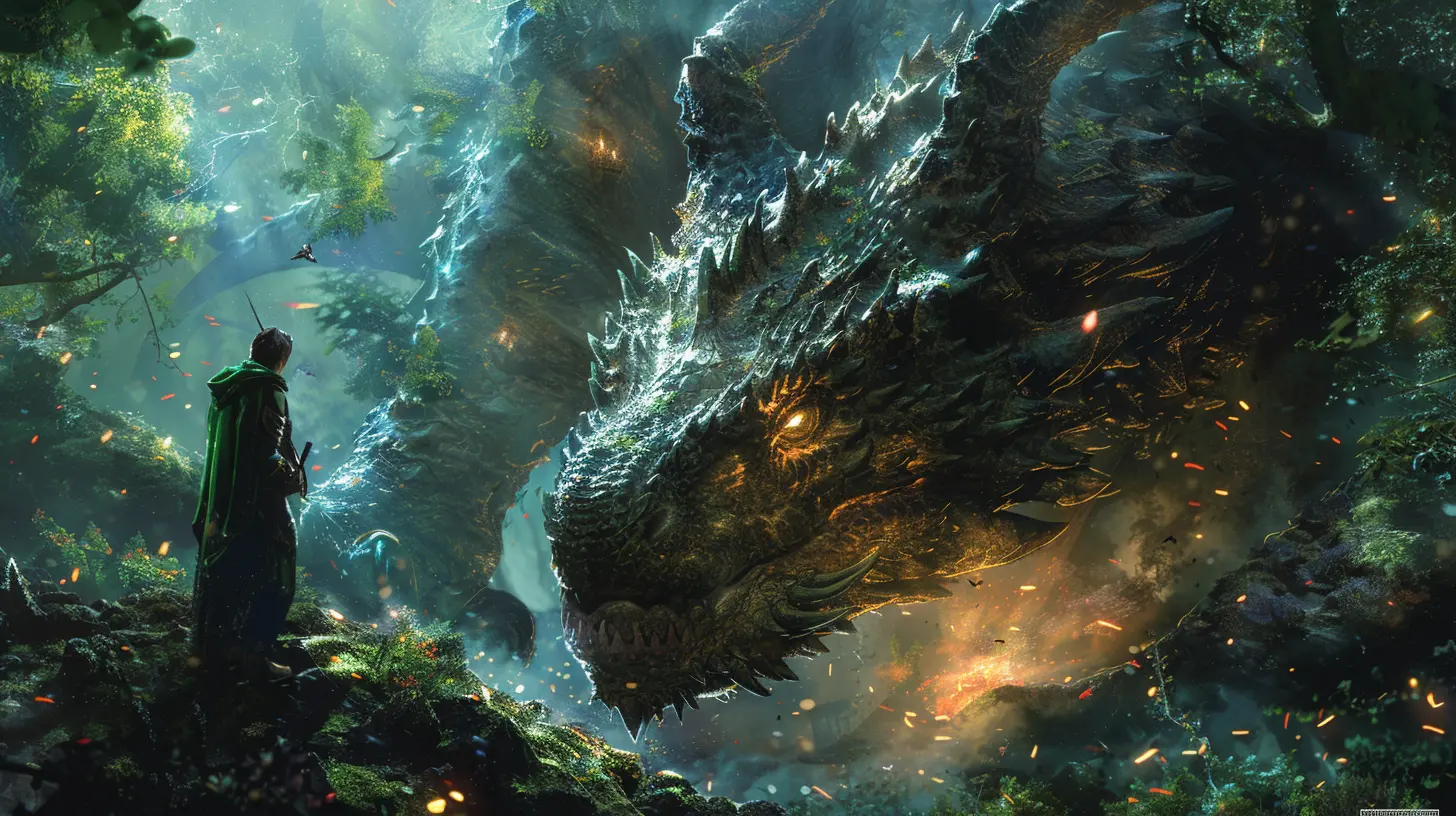
The Butterfly Effect: Small Choices, Big Consequences
Ever hear of the butterfly effect? It’s the theory that small actions can have massive, unforeseen consequences. In RPGs, this concept is practically a design philosophy. One seemingly trivial decision early on can spiral into something monumental 20 hours later.Take Dragon Age: Origins as an example. Early in the game, you’re asked to decide whether to help a group of mages or side with the templars hunting them. Sounds straightforward, right? But wait—it’s not just about that one moment. Your choice impacts how other characters perceive you, shifts the story’s tone, and might even alter the ending.
These ripple effects force players to pause and consider. Is this decision about the short-term gain, or will it come back to haunt me? Suddenly, the simple act of choosing feels weighty and impactful. It’s not just about what’s happening now—it’s about what could happen down the line. And isn’t that just like real life?
Moral Dilemmas: The Gray Area of Decision-Making
Here’s the thing about choices in RPGs: they’re rarely black and white. Sure, some games let you be the shining knight or the chaotic villain, but the best RPGs live in the gray area—the space where no choice is entirely right or wrong. That’s where the magic happens.Think about The Witcher 3. At one point, Geralt comes across a cursed creature called the Botchling. You can lift its curse and give it peace, or kill it outright. Neither option feels great. Save it, and you’re forced to deal with the pain and consequences of its past. Kill it, and you’ll feel haunted by the act itself. There’s no winning here—just like life, it’s messy, complicated, and leaves you questioning your morals.
These moral dilemmas are some of the most memorable moments in RPGs because they challenge you to think. They’re not spoon-feeding you the "right" answer; they’re throwing you into the deep end and letting you wrestle with the fallout. And honestly? That’s what keeps us coming back.
Emotional Investment: Living With Your Choices
Let’s talk about the emotional gut-punch that comes with living through your decisions. Some games make it especially brutal (looking at you, Mass Effect 3). The best RPGs don’t let you press a reset button. Once you’ve made your choice, you’re stuck with it. For better or worse, you’ve got to see it through.Remember the infamous Red, Blue, and Green choices at the end of Mass Effect 3? Players agonized over these decisions, and for good reason. The stakes were high—galactic extinction-level high. Whatever you picked, there was no going back to undo the heartbreak. And that’s the beauty of it. The game forced you to own your actions, to carry the emotional weight of your choice even after the credits rolled.
Living with your in-game actions makes the story feel personal. These aren’t just fictional characters—they’re your companions, your allies, your enemies. When a choice leads to consequences you didn’t anticipate, it hits harder because you feel responsible for it.
The Illusion of Choice: When It Doesn't Really Matter
Alright, let’s address the elephant in the room. Not every RPG is a masterclass in decision-making. Some games dangle the promise of meaningful choices, only for you to discover that your decisions don’t actually matter. Cue the frustration.Take Telltale’s The Walking Dead. The game is emotionally gripping—don’t get me wrong—but many of the choices you make funnel back into the same outcomes. Save one character, and it turns out they die later anyway. Choose a different dialogue path, and the story finds a way to push you back to the main arc.
This is called the "illusion of choice," and while it can still be effective for storytelling, it tends to irk players who are expecting their actions to carry real weight. When every choice feels predetermined, the emotional stakes drop. Why bother agonizing over a decision if the game’s already decided the outcome?
That said, the illusion of choice isn’t always bad. If the writing is strong enough, it can still feel impactful in the moment. But let’s be real—it’s the games that actually follow through on consequences that stick with us the longest.
Decision Fatigue: When Choices Overwhelm
Now, let’s flip the coin. Can there be too much of a good thing? Absolutely. Some RPGs bombard players with so many decisions that it becomes exhausting. This phenomenon, often called “decision fatigue,” is when the sheer number of choices drains your mental energy, leaving you disengaged.Think about The Elder Scrolls V: Skyrim. It’s a masterpiece, no doubt, but how many side quests and moral decisions can one Dragonborn handle before zoning out? Should you join the Stormcloaks or the Imperials? Do you spare that wandering NPC or steal their gold? It’s endless. And while the freedom is amazing, it can also be overwhelming.
The key is balance. Players need decisions that feel meaningful—not just for the sake of padding the game with busywork. If every choice carries the same weight, none of them feel significant. A great RPG knows when to ask you to flip a coin and when to let you zone out and enjoy the ride.
Breaking the Mold: Games That Redefine Decision-Making
Let’s give a shout-out to the innovators—the RPGs that go above and beyond when it comes to decision-making. These games redefine how we think about choices and their consequences, offering players experiences they’ll never forget.One standout example is Undertale. This indie darling flips the script entirely by allowing players to complete the game without killing a single enemy. But how do you get there? By making intentional, heart-wrenching choices at every turn. Do you spare that one monster, knowing they might attack you again? Or play it safe and strike first? Every decision matters—not just mechanically, but emotionally.
Another example is Disco Elysium. This game doesn’t just focus on external choices; it delves deep into internal ones. You’re constantly battling your own psyche, making decisions that shape who your character is rather than just what they do. It’s revolutionary and proves that choices don’t always have to be about saving the world—they can also be about saving yourself.
Why We Love Living With the Consequences
So, why do we love putting ourselves through the emotional wringer of RPG decision-making? Why do we keep coming back to replay these games, knowing full well we’ll face tough choices again?Because it’s cathartic. It’s a safe space to explore the complexities of human decision-making without real-world stakes. In RPGs, you can experiment with morality, wrestle with tough calls, and live out alternate realities. The consequences might sting, sure, but they also teach us something about ourselves. And isn’t that what great storytelling is all about?
At the end of the day, RPGs remind us of one simple truth: choices matter. And whether we’re saving the galaxy or dealing with the fallout of a poorly chosen dialogue option, the experience sticks with us long after we’ve put down the controller.
all images in this post were generated using AI tools
Category:
Fantasy RpgsAuthor:

Whitman Adams
Discussion
rate this article
2 comments
Isaiah James
Choosing between saving the town or adopting a magical cat is the real conundrum of RPGs! Who knew that heroic choices could lead to a lifetime of litter box duty? Let’s embrace our digital dilemmas and purr through the consequences!
December 29, 2025 at 6:09 PM
Whitman Adams
Absolutely! RPGs truly highlight the balance between heroic choices and personal responsibilities—embracing both can lead to unforgettable adventures!
Anastasia McGowan
Choices shape our journeys; consequences add depth to gameplay.
December 28, 2025 at 5:57 AM
Whitman Adams
Absolutely! Choices enrich the narrative, while their consequences enhance player engagement and immersion in RPGs.