Digital Self-Care: How Games Provide Emotional Recharge
14 May 2026
Let’s face it—life these days moves at breakneck speed. From overflowing to-do lists to endless notifications, it’s no wonder our mental batteries can run low. That’s where digital self-care steps in like a long-lost friend, and believe it or not, video games are taking the front seat in this feel-good movement.
Now, we usually hear about games causing screen fatigue or being “just another distraction,” right? But hang on—what if I told you that the very same games might be exactly what your brain needs to reboot? We're diving deep into how games, when chosen wisely, can offer the emotional recharge we all crave.
What Is Digital Self-Care, Anyway?
You’ve heard of self-care—bubble baths, yoga classes, green smoothies. But digital self-care? That’s a new level of mindfulness in the tech-driven world we live in. It’s all about using digital tools not to stress us out, but to help us chill out, check in with ourselves, and feel good again.Digital self-care is the practice of using digital media—apps, videos, games, virtual chats—in a way that supports your emotional and mental health. And no, it’s not just about those meditation apps with calming forest sounds (though those are nice too). It can be something as fun and immersive as playing your favorite game after a long day.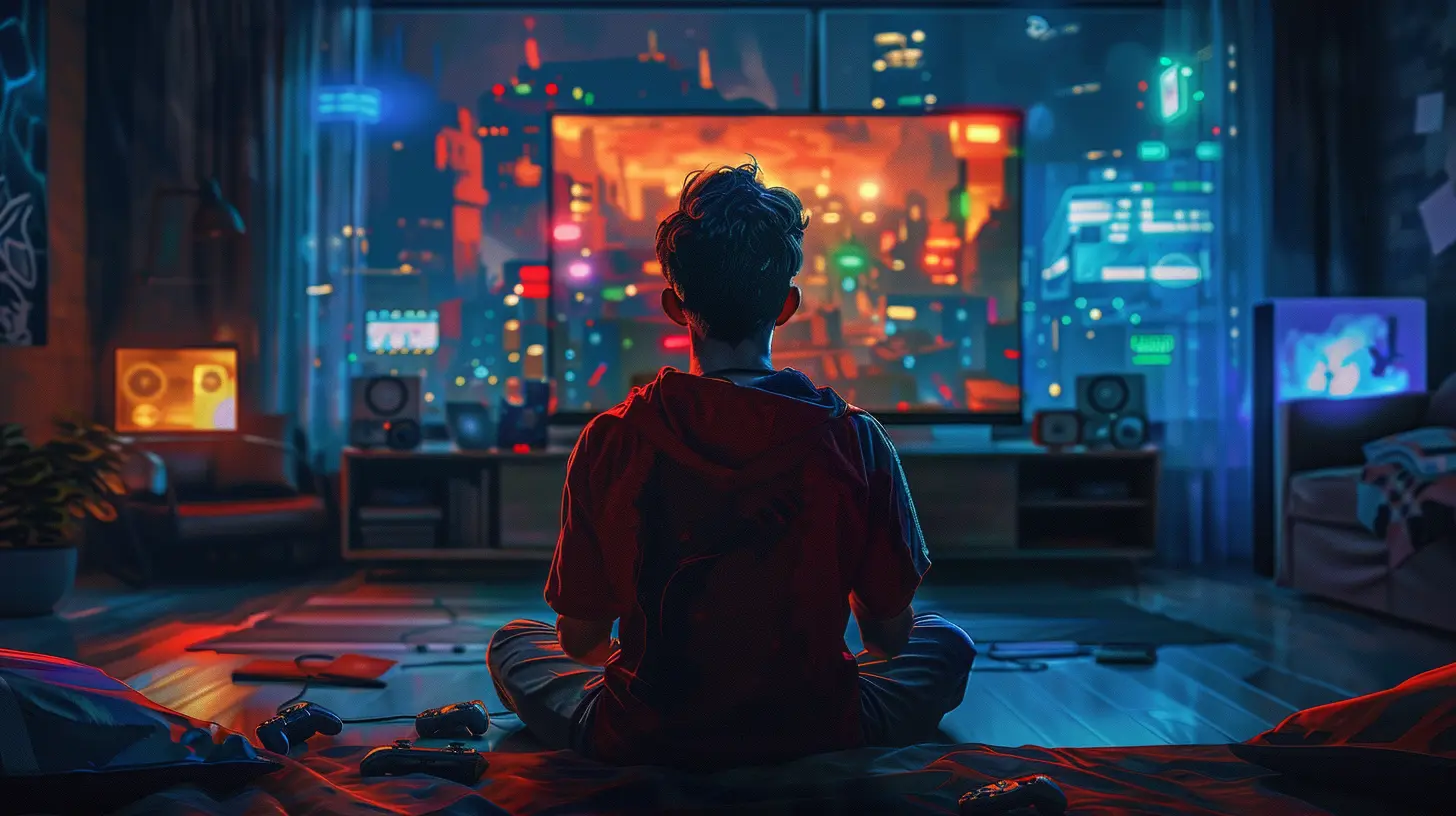
The Science Behind the Screen
Before we dive into specific games, let’s get a bit nerdy (just a little, I promise). Numerous psychological studies suggest that games can offer real emotional benefits, like:- ? Reducing stress
- ? Raising dopamine levels (aka the "feel-good" hormone)
- ? Enhancing mood and relaxation
- ? Providing a sense of achievement and control
When we play games—especially ones that are relaxing, goal-oriented, or socially engaging—we tap into brain processes that create feelings of reward, comfort, and connection. Think of it like giving your mind a mini-vacation without needing a passport.
Why Games Work as Emotional Rechargers
So what makes video games such effective tools for digital self-care?1. ? They Give Us Control in a Chaotic World
Life doesn’t always go as planned. But in a game? YOU’RE the hero. You steer the ship, craft the story, and call the shots. That control can be seriously comforting, especially when everything else feels like it’s spiraling.2. ? They Offer Escapism (The Good Kind)
Gaming gives you a break from the real world. Whether it’s building a cozy farm in Stardew Valley or slaying dragons in Skyrim, games whisk you away to a world where problems are solvable and adventures are just a click away. Think of it as mental teleportation.3. ? They Engage the Brain in a Healthy Way
Instead of doom-scrolling for hours, playing games actually engages your brain. You're solving puzzles, strategizing, or making choices in branching storylines. It’s stimulation with a purpose—keeping your mind active without overwhelming it.4. ? They Foster Social Connection
Multiplayer games, virtual co-op modes, or even casual mobile games with chat features can connect you to people globally. Whether it's teaming up with friends or meeting new folks with shared interests, games bring us together—minus the small talk.
Types of Games That Recharge Your Emotional Batteries
Not all games are built the same. Some get your heart pumping (hello, Call of Duty), while others slow you down and help you breathe. It’s all about finding what feels good for your particular flavor of stress.Here’s a breakdown of game types that are perfect for emotional recharging:
1. ? Cozy Games (aka "Digital Hugs")
- Examples: Stardew Valley, Animal Crossing: New Horizons, Spiritfarer- Why it works: These games are relaxing, slow-paced, and visually soothing. They’re full of repetitive tasks (like fishing or farming) that help calm the mind and reduce anxiety.
- Perfect for: De-stressing after a long workday or winding down before bed.
2. ? Puzzle and Strategy Games
- Examples: Monument Valley, Tetris Effect, Slay the Spire- Why it works: They keep your brain occupied, helping to break the cycle of overthinking or rumination. Plus, solving problems feels incredibly satisfying.
- Perfect for: When your brain is buzzing and you need to focus on something constructive.
3. ? Narrative-Driven Adventures
- Examples: Life is Strange, Firewatch, What Remains of Edith Finch- Why it works: These games focus on storytelling and emotional depth. They encourage empathy, self-reflection, and can even provide closure.
- Perfect for: When you want to feel something real, but in a safe, controlled way.
4. ? Sandbox & Creative Games
- Examples: Minecraft, The Sims 4, Terraria- Why it works: These games give you freedom to create and express yourself. You have space to build, manage, decorate, and design at your own pace.
- Perfect for: When you're feeling overwhelmed and want to shift into a flow state.
5. ? Mindfulness & Meditative Games
- Examples: Journey, ABZÛ, Sky: Children of the Light- Why it works: These games are minimalist, beautiful, and rooted in exploration or flow. They’re basically interactive meditation.
- Perfect for: When you need quiet reflection or to reconnect with yourself.
Real Talk: How Games Help Real People
Let’s move away from theory for a second. Think about the last time you had a rough or emotionally draining day. Maybe work was a mess, or you had an argument with someone. That feeling of needing to switch off? That’s where games shine.One Reddit user shared how Animal Crossing helped them manage anxiety during lockdown. Another credited Stardew Valley for helping them through depression. These aren't isolated stories. They're part of a larger truth: humans use stories and play as tools to cope.
Gaming, like good therapy or journaling, creates space—a buffer between you and what’s weighing you down. It’s not a magic cure-all, sure, but it’s a tool—accessible, enjoyable, and effective.
Tips for Making Gaming Part of Your Self-Care Routine
So how do you make sure gaming stays helpful and doesn’t become just another way to avoid reality?1. Choose Your Games Intentionally
Don’t just play what’s trending. Play what feels good. Be honest with yourself—do you want energy, peace, connection, or distraction?2. Set Time Boundaries
Game burnout is real. Keep track of your playtime, especially if you tend to lose hours. A good rule? Quality over quantity.3. Create a Cozy Gaming Space
Light a candle, grab a snack, wear your comfiest hoodie. Turn your gaming area into your personal digital spa.4. Mix Solo with Social
Balance solo recharging with co-op joyrides. Some days you’ll want to dig into your own world. Other days you might crave friendly banter with your squad.5. Reflect After Playing
Take a minute after your session to reflect. How do you feel? Energized? Calmer? Take note of what works so you can come back to it when you need a boost.What to Watch Out For
Let’s keep it balanced. While games can be healing, they can also become a crutch if we’re not careful.- Don’t use games to dodge every difficult emotion
- Avoid toxic online interactions (you don’t owe anyone your energy)
- Be mindful of games that trigger stress instead of relief
Think of it like food—not all digital “snacks” are created equal. Some games nourish; others deplete. Choose wisely!
Final Thoughts: Play With Purpose
So, yes—grabbing your controller, tapping your phone, or booting up a PC game can absolutely be a form of self-care. Digital self-care is about taking back control, making intentional choices, and remembering that it's okay to need a break.Games don’t just entertain. They nurture, distract, challenge, connect, and even heal. When life turns into a boss-level challenge, sometimes the best move... is to play.
Go ahead, press start on feeling better.
all images in this post were generated using AI tools
Category:
Gaming And Mental HealthAuthor:

Whitman Adams
Discussion
rate this article
2 comments
Zevran Jackson
Games are the ultimate therapy. Who needs a therapist when you can crush monsters and build kingdoms? Level up your mood, one quest at a time!
July 19, 2026 at 3:47 AM
Whitman Adams
I completely agree! Games offer a unique way to escape and recharge, letting us take control and find joy in our virtual adventures.
Elena McCaffrey
Games offer a unique escape that helps recharge our emotional batteries effectively.
May 20, 2026 at 4:45 AM
Whitman Adams
Absolutely! Games can create immersive worlds that allow us to step away from everyday stress and rejuvenate our minds.