Exploring the Therapeutic Role of Storytelling in Indie Games
20 April 2026
Alright, let’s be real for a sec. You ever play a game that hit you in the feels so hard, you just sat there, controller in hand, questioning your entire existence? Yeah, same. And odds are—it was an indie game. These little pixel-powered heart-punchers have been making waves for a while, and it’s not just because they’re quirky or artsy. There’s something deeper going on.
Welcome to the beautiful (and often tear-filled) world of the therapeutic storytelling power in indie games. Trust me, this isn’t just artsy-fartsy puffery. There’s real emotional magic at play here, and it’s doing a heck of a job helping people feel seen, heard, and understood.

Wait, Games Can Be Therapeutic?!
Short answer: Heck yes, they can.Longer answer: While AAA blockbusters are busy throwing explosions and million-dollar mocap at you, indie games are whispering gentle truths about grief, anxiety, identity, love, and healing. It’s like the difference between being yelled at by a drill sergeant and having a heart-to-heart over coffee with your therapist—who just happens to be a fox in a hoodie who plays guitar (looking at you, Night in the Woods).
Indie games have carved a niche for telling deeply personal stories in a way that hits closer to home than most traditional methods of therapy. Not because they're meant to replace professional help—but because sometimes, seeing your struggles reflected in a fictional world makes them lighter to carry.
Why Indie Games Hit Different
Let’s break it down. Here’s why indie games are perfectly designed to deliver emotional gut-punches while also offering a smidge of healing balm:1. Creative Freedom = Authentic Stories
Indie developers don’t have corporate suits breathing down their necks. They have freedom to be weird, raw, honest, and sometimes even painfully relatable. Without the pressure to sell millions of copies or appeal to masses of teenage FPS junkies, they can tell real, grounded, and often deeply personal stories. Many of these devs are pulling narrative threads directly from their own lives.Need examples? Try:
- Celeste – A game about climbing a mountain… which is also a metaphor for battling anxiety and self-doubt.
- Gris – A stunning, wordless journey through grief, color, and liberation.
- To The Moon – A retro-styled tale of love, memory, and fulfillment at the end of life.
These games aren’t just stories. They’re therapy sessions with pixel art and hauntingly beautiful music.
2. Interactive = Immersive Healing
Watching a sad movie can definitely make you cry, but being part of a story? That’s a whole other level of emotional involvement.Indie games let you _be_ the character facing depression, navigating trauma, or finding hope. You're not just watching their journey, you're living it. And that sense of agency—of choosing the path, of making the mistakes, of discovering the light at the end of the tunnel—can be incredibly healing. It’s like getting to play through your own emotional baggage… but with way more imaginative scenery and boss battles.
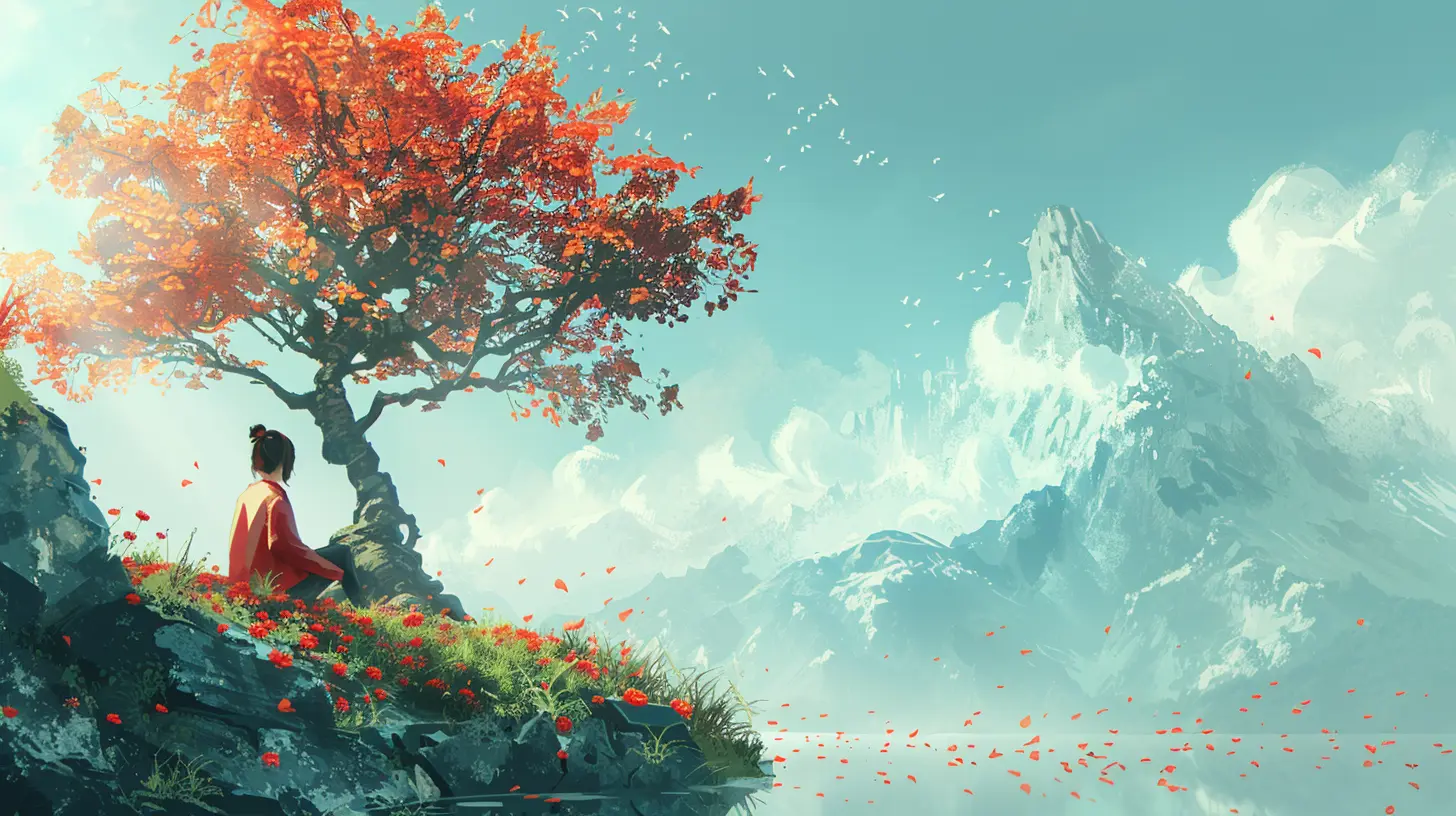
Let’s Talk About The Feel-Good Feels: Emotional Catharsis
Ever needed a good cry and didn’t want to deal with, y’know, actual humans? Indie games got you.When a game mirrors your pain or past experiences, it creates something magical called emotional catharsis. It’s a bit like wringing out a wet towel (aka your heart), and feeling lighter afterward. Games like Spiritfarer invite players to guide souls into the afterlife—while subtly helping them process their own grief. Before Your Eyes literally asks you to blink through memories, forcing you to confront the fleeting nature of life.
We’re talking ugly-cry-in-your-pajamas-at-2am levels of catharsis here. And the beauty? It’s safe. It’s controlled. It’s virtual. But the emotions? Totally real.

Storytelling as a Mirror (Spoiler: It’s Not Always a Pretty Reflection)
There’s a reason indie games resonate so deeply—they act like a mirror. And not like those flattering TikTok filters. No, we’re talking about one of those raw, magnifying bathroom mirrors that show every feeling you’ve been trying to ignore.Games like Depression Quest (yes, the title is self-explanatory) put you in the shoes of someone with clinical depression, limiting your choices to reflect how mental illness restricts real-world decisions. It’s not fun. It’s not “gamey.” But it’s important.
It helps you understand not just yourself, but others. That kind of storytelling fosters empathy—a sorely needed skill in this world-of-yelling-on-Twitter we live in.
The Rise of “Wholesome Games”: Cozy Vibes & Mental Health
Not every therapeutic story has to be a sob-fest. Some just feel like a warm hug in game form. Enter the rising genre of “wholesome games.”Think:
- A Short Hike – Literally just about taking a nice walk up a mountain. Surprisingly zen.
- Unpacking – Yes, the game where you unpack boxes and slowly piece together someone’s life. Strangely emotional and relaxing.
- Kind Words (lo fi chill beats to write to) – A game where you send and receive supportive, anonymous letters to real players around the world.
These games are like chamomile tea for your soul. Minimal conflict, maximum emotional support.
Games Are Safe Spaces for Self-Discovery
You know what’s cool? Games don’t judge. They don’t interrupt you. They don’t roll their eyes when you cry at pixelated dialogue. They just let you explore.For LGBTQ+ players, neurodiverse folks, or anyone processing trauma, indie games often serve as gentle, welcoming spaces to see themselves represented and to explore identity without fear.
Take If Found…, a deeply personal story about a trans woman erasing memories of her past, or Dys4ia, which offers a raw glimpse into gender transition. These aren’t “games” in the traditional jump-on-goombas sense – they’re interactive life experiences.
When the real world feels hostile or confusing, indie games shine as havens. They whisper, “You’re not broken. You’re just on a hard level right now.”
Indie Games vs. Traditional Therapy: Not a Competition
Let’s be crystal clear here: indie games are not a replacement for therapy. Don’t yeet your therapist out the window and boot up Celeste thinking you’re cured. But! They can absolutely complement professional mental health care.Games can:
- Spark conversations in therapy sessions.
- Offer emotional clarity or new perspectives.
- Serve as a coping mechanism during tough times.
- Provide moments of peace when real life is chaos.
So if your therapist ever assigns you to play Journey, just know—you got a cool one.
The Devs Behind the Feels
Part of what makes these games special is the deeply personal connection many developers have with their creation.You’re not just playing a product. You’re walking through someone’s journal, navigating their heartbreak, celebrating their resilience. That intimacy creates an emotional bond between player and creator that’s rare in other art forms.
Indie games blur the line between developer and therapist, between player and client, between fiction and real-world healing. Kind of poetic, right?
The Science Backs It Up (Yeah, Really!)
If you need cold hard science to believe games can heal, look no further than recent studies. Researchers are increasingly diving into the benefits of “gaming for mental health.” They’ve found that:- Dramatic storytelling in games increases empathy.
- Problem-solving and narrative immersion can reduce symptoms of anxiety and depression.
- Games with cooperative storytelling features (like multiplayer narrative-focused games) promote social connection.
Who knew your Steam library might be a self-care toolbox?
Final Thoughts: Keep the Tissues Handy
So next time someone rolls their eyes and tells you gaming is a waste of time, hit ‘em with a knowing nod and whisper, “Therapeutic storytelling, my dude.”Because when you peel back the pixels, behind those 8-bit forests and hand-drawn characters and synth-heavy soundtracks, indie games are doing something incredible. They're helping us grieve, love, grow, and maybe—even just a little—heal.
So go ahead. Load up that emotionally devastating indie game. Let it wreck you. Let it rebuild you. Your heart will thank you… eventually.
all images in this post were generated using AI tools
Category:
Gaming And Mental HealthAuthor:

Whitman Adams
Discussion
rate this article
2 comments
Esther Rhodes
Beautiful insights, well done!
April 22, 2026 at 3:50 AM
Whitman Adams
Thank you! I appreciate your kind words.
Bryson Martinez
Indie games elevate storytelling to therapeutic heights, proving that escape can be healing. When narratives intertwine with gameplay, players don’t just play—they grow. A true evolution of empathy.
April 21, 2026 at 3:45 AM
Whitman Adams
Absolutely, indie games offer a unique lens on storytelling that resonates deeply. When players connect with these narratives, it fosters real emotional growth and understanding. It's amazing to see how gameplay can be both an escape and a path to healing.